

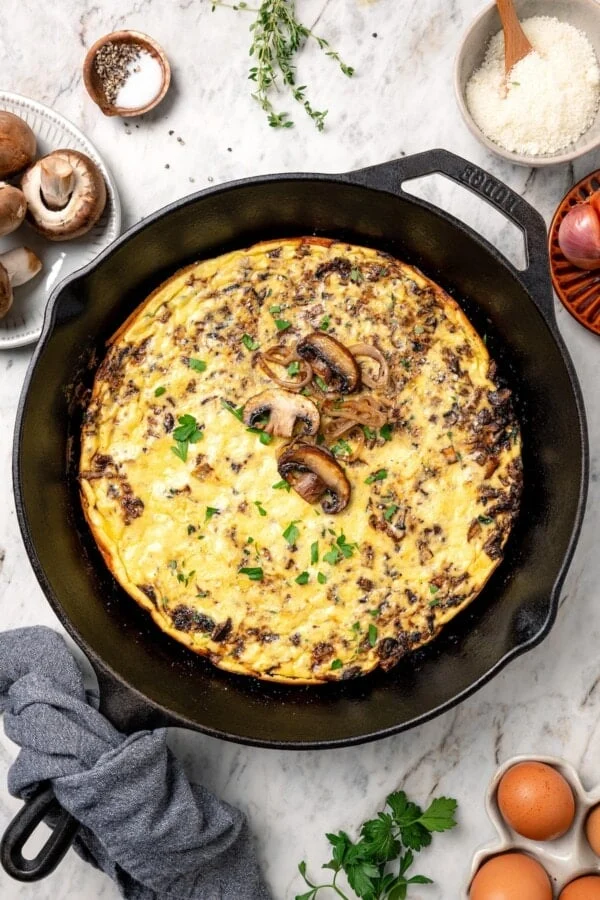
The culinary landscape continues to evolve, with a discernible shift towards dishes that balance nutritional integrity with ease of preparation. In this context, the aromatic mushroom frittata, distinguished by its primary use of egg whites, sautéed mushrooms, shallots, and Pecorino Romano cheese, emerges as a significant offering. This dish, ready in an efficient 30 minutes from stovetop to oven, positions itself as a high-protein, gourmet-quality meal suitable for breakfast, brunch, or the increasingly popular "brinner" (breakfast for dinner) concept, reflecting broader trends in health-conscious and convenient eating.
Culinary Profile and Nutritional Merit
At its core, this mushroom frittata represents a thoughtful fusion of classic Italian technique with modern dietary considerations. The selection of egg whites as the primary base elevates the protein content while significantly reducing fat and cholesterol, a strategic choice appealing to individuals monitoring caloric intake or seeking increased protein for satiety and muscle maintenance. Eggs, particularly egg whites, are recognized globally for their complete protein profile, offering all nine essential amino acids crucial for bodily functions. This makes the frittata an excellent foundation for a nutrient-dense meal.
The inclusion of sautéed mushrooms introduces a rich, earthy umami flavor and a wealth of micronutrients. Mushrooms, often celebrated for their versatility and low caloric density, contribute essential vitamins and minerals, including B vitamins (riboflavin, niacin, pantothenic acid), selenium, and potassium. Certain varieties, such as cremini or button mushrooms commonly used in such preparations, also provide dietary fiber and antioxidants, supporting gut health and overall well-being. The gentle sautéing process, often with a touch of olive oil, enhances their natural flavors and makes their nutrients more bioavailable.
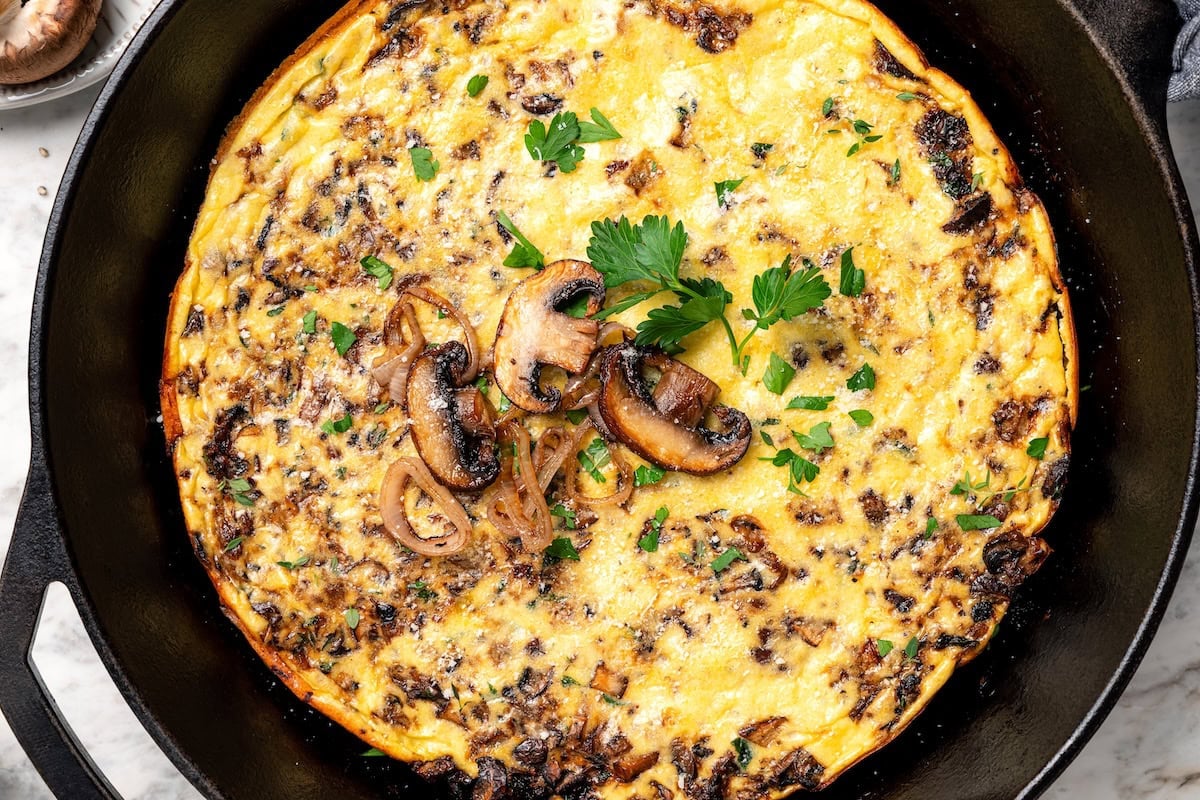
Shallots, a sophisticated alternative to onions, add a delicate, sweet, and pungent aroma that layers depth into the dish without overpowering the other ingredients. Their subtle flavor profile complements the earthiness of the mushrooms and the richness of the cheese. From a nutritional standpoint, shallots, like other alliums, contain compounds beneficial for cardiovascular health and boast antioxidant properties.
Finally, the fresh-grated Pecorino Romano cheese provides a sharp, salty finish, contributing a savory dimension and a small but impactful dose of calcium and protein. The quality of cheese, freshly grated, ensures optimal flavor distribution and melting properties, enhancing the overall texture and gastronomic experience. The interplay of these ingredients creates a harmonious and complex flavor profile that belies the dish’s straightforward preparation.
The Frittata Phenomenon: A Historical and Culinary Overview
The frittata, an Italian egg-based dish, holds a distinguished place in culinary history. Originating in Italy, the term "frittata" broadly refers to eggs cooked in a skillet, often with various fillings, and finished either on the stovetop or under a broiler. Historically, frittatas served as a practical and economical meal, allowing cooks to utilize leftover ingredients. Its simplicity and adaptability cemented its status as a staple in Italian households.
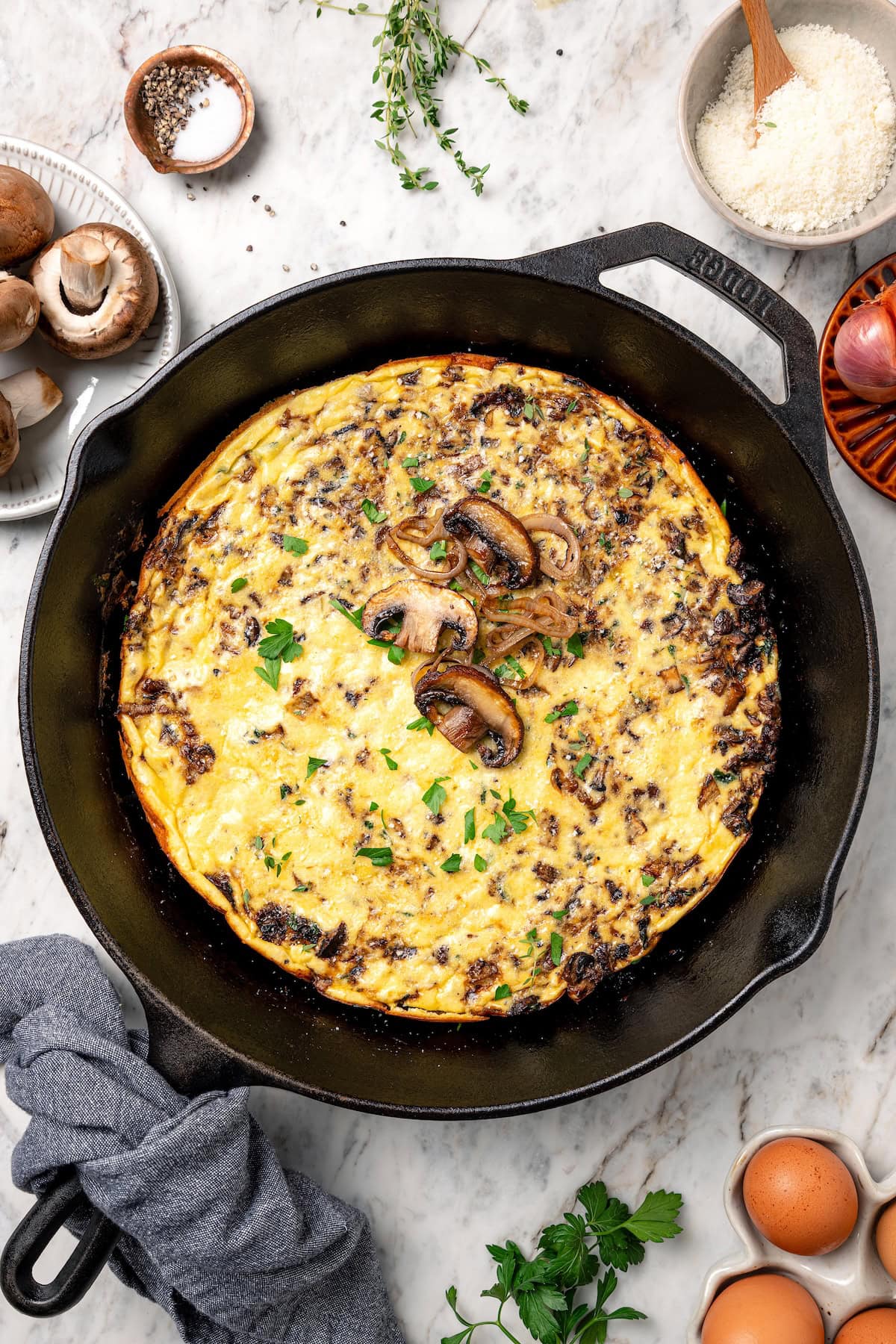
Conceptually, the frittata occupies a unique space between a French omelet and a quiche. Unlike an omelet, which is typically folded and served individually with a soft, moist interior, a frittata is cooked slowly and not folded, often incorporating fillings directly into the egg mixture. This results in a more substantial, open-faced dish that can be cut into wedges and served for multiple people. It also distinguishes itself from a quiche by lacking a crust, which often appeals to those seeking gluten-free options or reduced carbohydrate intake. The "no-flip" aspect, moving directly from stovetop to oven, simplifies the cooking process considerably compared to the delicate technique required for a perfect omelet or the structural demands of a Spanish tortilla. This historical and practical foundation underscores the frittata’s enduring appeal in modern kitchens.
The Rise of High-Protein Meals: Context and Data
The increasing prominence of high-protein meals like the mushroom frittata is not coincidental but rather a direct response to evolving dietary science and consumer preferences. Over the past decade, there has been a significant surge in awareness regarding the benefits of protein, driven by health and fitness trends. Data from market research firms consistently indicates a rising demand for protein-enriched products across various food categories. For instance, reports often highlight that a substantial percentage of consumers actively seek out protein-rich options to support weight management, muscle development, and sustained energy levels.
Protein is recognized for its superior satiety effect, helping individuals feel fuller for longer, which can aid in controlling overall caloric intake. This is particularly relevant for breakfast, where a protein-rich meal can help stabilize blood sugar levels and reduce mid-morning cravings. For active individuals, protein is fundamental for muscle repair and growth. The mushroom frittata, with its estimated 11 grams of protein per serving (based on a typical 1/4 frittata portion), aligns perfectly with these nutritional objectives, offering a convenient and palatable way to integrate more protein into daily diets without resorting to processed supplements. This trend is further supported by the proliferation of specialized diets, such as ketogenic, paleo, and low-carb eating plans, all of which prioritize protein intake.

Preparation and Accessibility: A Chronology of Simplicity
The methodology for preparing this mushroom frittata highlights its accessibility and time-efficiency, a critical factor for contemporary lifestyles. The process follows a logical chronology that minimizes complexity while maximizing flavor development.
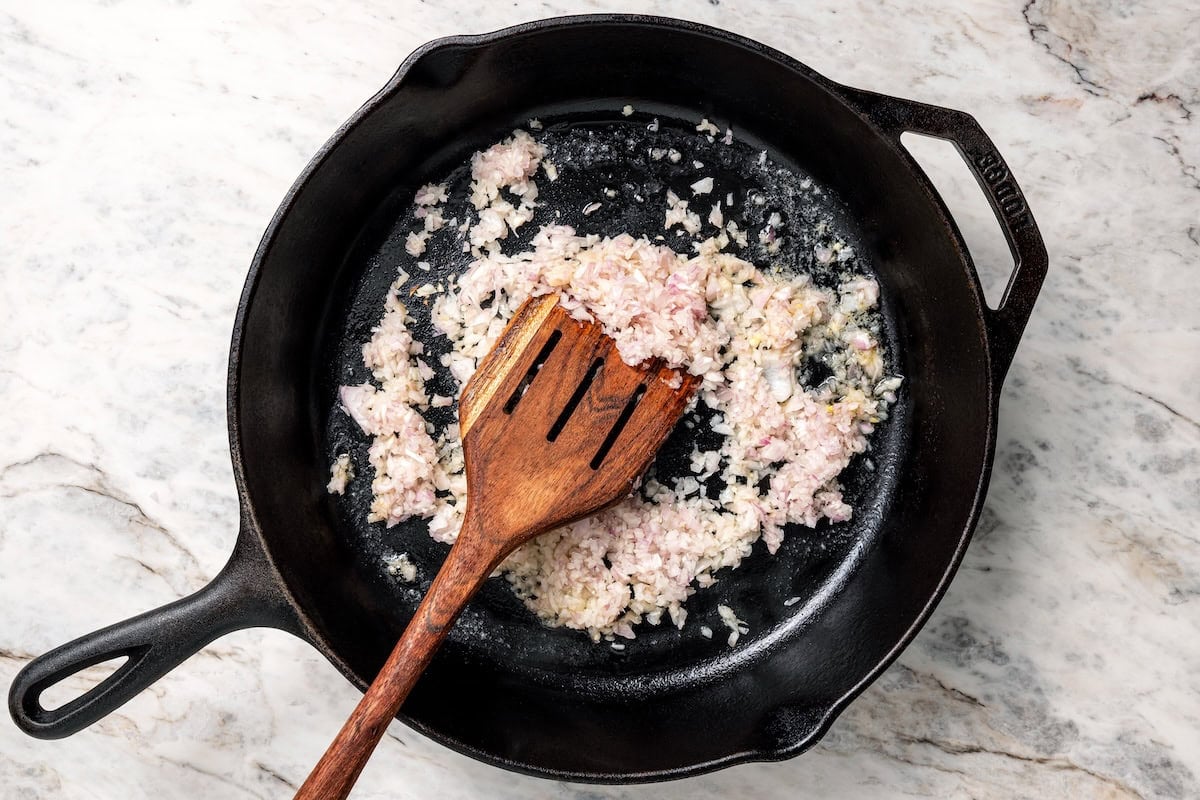
- Initial Sauté: The culinary journey begins with the sautéing of shallots in an oven-safe skillet, typically cast iron, which is prized for its even heat distribution and ability to transition seamlessly from stovetop to oven. This initial step softens the shallots and releases their aromatic compounds, forming a fragrant base.
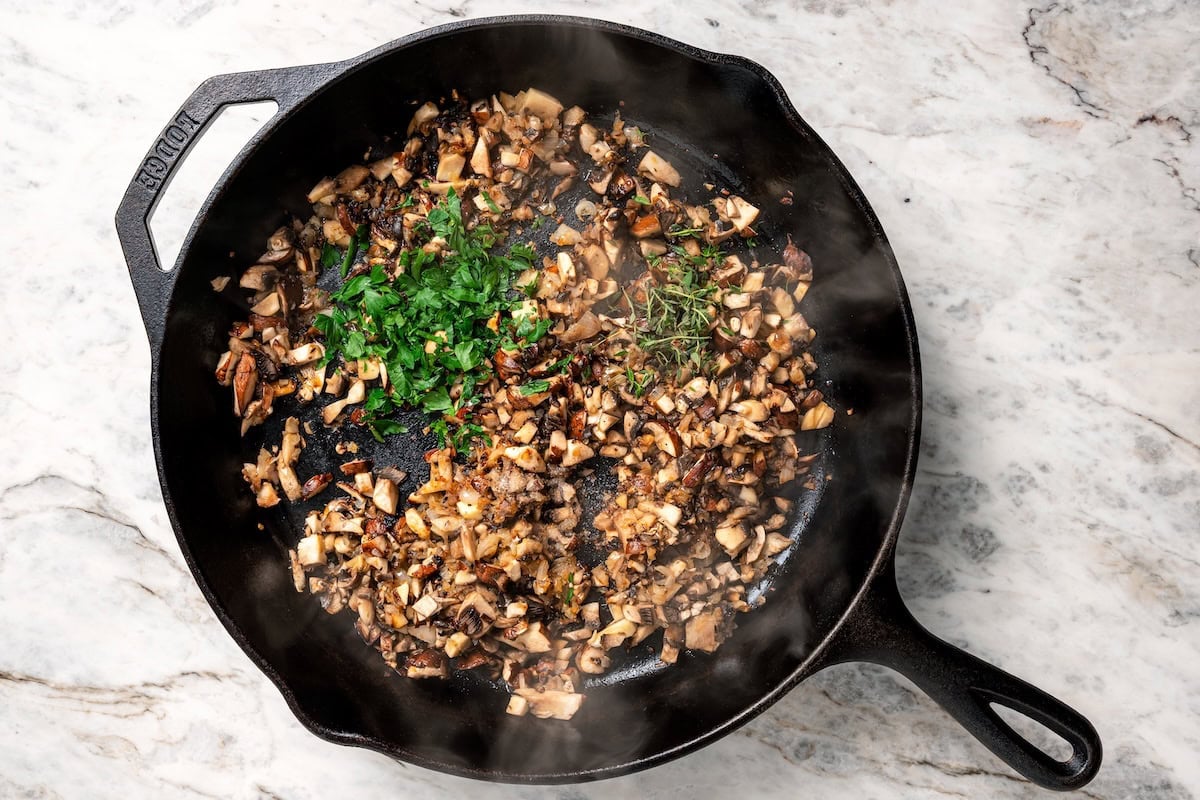
- Mushroom Integration: Following the shallots, the sliced mushrooms are introduced. Sautéing them allows their moisture to evaporate, concentrating their flavor and achieving a desirable texture. Fresh herbs, such as parsley or thyme, are often added at this stage to infuse the mixture with their aromatic essence.
- Egg White Infusion: Separately, the egg whites are whisked, often with a small amount of whole egg to enhance richness and binding, along with seasonings. This aerated mixture is then poured over the cooked vegetables in the skillet.
- Cheese Integration: The freshly grated Pecorino Romano cheese is sprinkled over the egg mixture, allowing it to melt into the frittata as it cooks, creating pockets of savory goodness.
- Stovetop Start: The frittata is initially cooked on the stovetop for a few minutes, allowing the edges to set and providing a gentle, even heat from below.
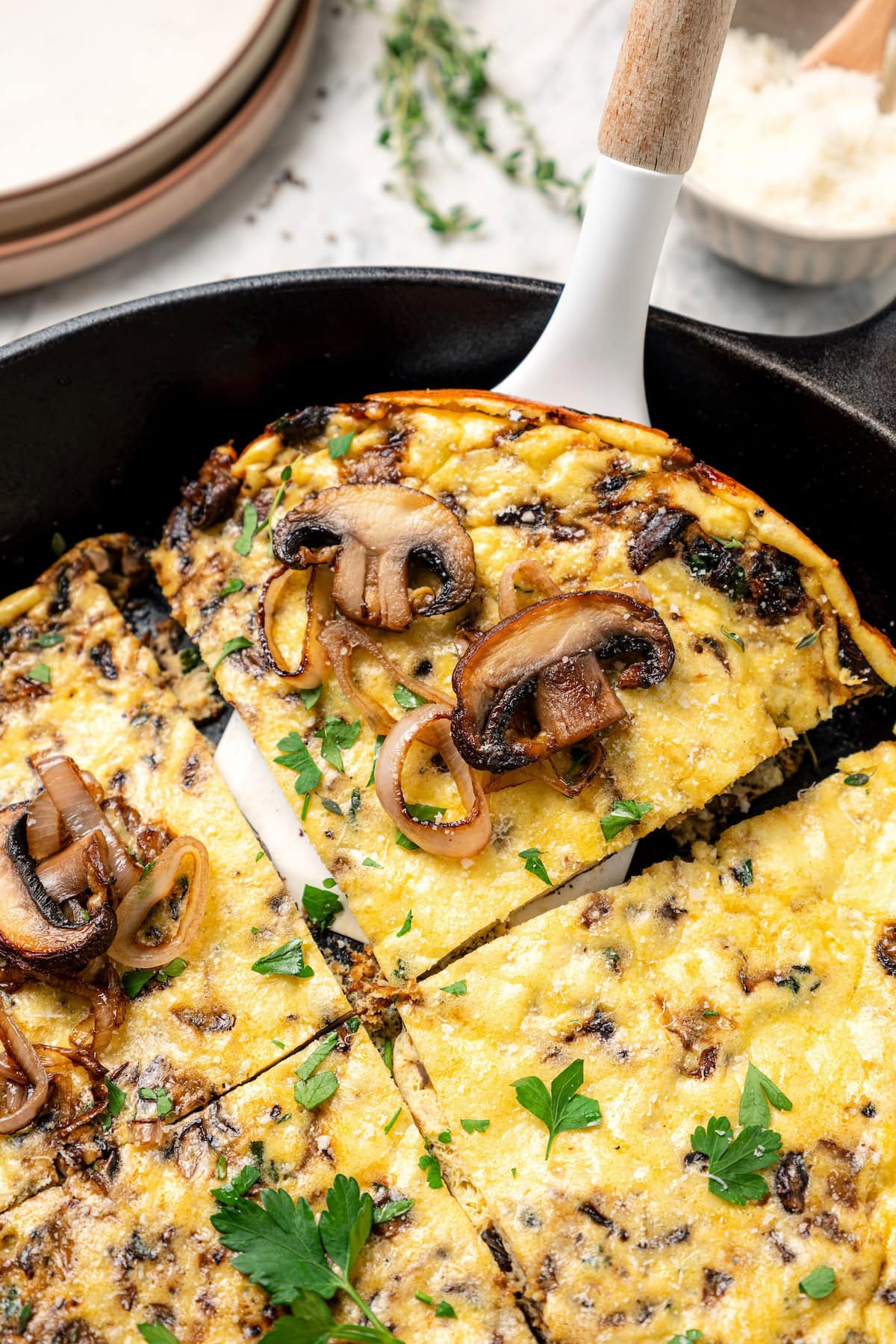
- Oven Finish: The skillet is then transferred to a preheated oven, where the frittata completes its cooking. This finishing step ensures the interior is fully set and fluffy, and the top is lightly golden, without the need for flipping, a common challenge with traditional omelets or tortillas.
This structured approach ensures consistent results within a 30-minute timeframe (10 minutes prep, 20 minutes cook), making it an ideal candidate for busy mornings or quick weeknight dinners.
Ingredient Sourcing and Quality: Supporting Data

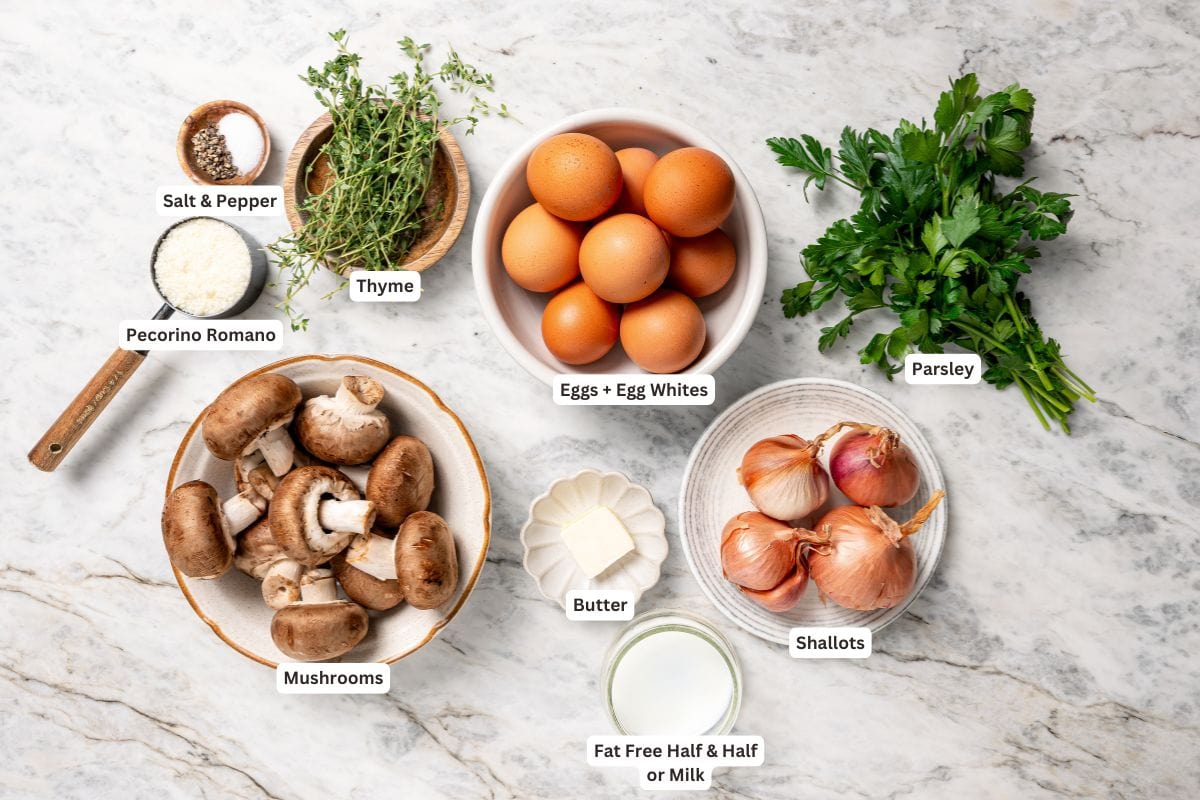
The success of any simple dish often hinges on the quality of its individual components. For a mushroom frittata, this principle holds particularly true. Sourcing fresh, high-quality ingredients not only enhances the flavor but also maximizes the nutritional benefits.
- Mushrooms: While common button or cremini mushrooms are excellent, exploring gourmet varieties like shiitake, oyster, or porcini can introduce different textures and more intense umami notes. The "earthy" description in the original article points to a preference for varieties that contribute significant depth of flavor. Freshness is key, indicated by firm caps and clean surfaces.
- Egg Whites: While carton egg whites offer convenience, using fresh egg whites from whole eggs can provide a slightly superior texture and flavor. The inclusion of one whole egg alongside egg whites, as implied by similar recipes, adds richness and helps bind the frittata, improving its structural integrity and mouthfeel.
- Shallots: Fresh shallots are preferable to dried or powdered alternatives, offering a nuanced sweetness and aroma that cannot be replicated.
- Pecorino Romano: This hard, salty Italian cheese is traditionally made from sheep’s milk, lending it a distinctive sharp flavor. Freshly grating the cheese prevents clumping and allows for better distribution throughout the frittata, contributing to both flavor and texture. Using high-quality olive oil for sautéing further elevates the dish, adding a subtle fruitiness and healthy monounsaturated fats.
Expert Perspectives and Market Reception (Inferred)
While no direct statements from specific "related parties" are available for this particular recipe in a journalistic sense, its design and promotion can be logically inferred to align with broader strategic goals of culinary platforms focusing on health and accessibility. The source, Skinnytaste, is renowned for its commitment to providing "skinny" or lightened-up versions of popular dishes, emphasizing flavor without excessive calories.
The creation and dissemination of a recipe like the Mushroom Frittata with Egg Whites can be seen as a direct response to ongoing market demands for:
- Health-Conscious Eating: Addressing the desire for reduced fat and cholesterol while maintaining a high protein count.
- Time Efficiency: Catering to busy consumers who need quick, nutritious meal solutions.
- Versatility: Offering a dish adaptable to various meal occasions, from breakfast to dinner.
- Culinary Education: Empowering home cooks with straightforward techniques for preparing gourmet-style meals.
Such recipes contribute to the brand’s reputation as a trusted source for balanced and achievable home cooking. The positive reception of similar recipes within the healthy eating community underscores the market’s appreciation for such innovations, reflecting a consumer base that is increasingly discerning about both nutrition and convenience.
Versatility and Meal Planning Implications
One of the most compelling aspects of the mushroom frittata is its remarkable versatility. Its balanced nutritional profile and adaptable flavor make it suitable for a wide range of meal scenarios and dietary preferences.
- Breakfast/Brunch: As a traditional breakfast or brunch item, it can be served alongside fresh fruit, a simple green salad, or whole-grain toast. Its substantial nature ensures lasting satiety.
- Brinner (Breakfast for Dinner): The concept of "brinner" has gained traction, offering a relaxed and often lighter alternative to traditional evening meals. This frittata fits perfectly, providing a comforting yet healthy option.
- Meal Prep: Frittatas are excellent for meal preparation. Cooked ahead of time, individual portions can be stored and reheated, providing quick and nutritious meals throughout the week. This aspect addresses the modern need for efficient food management.
- Side Dish/Light Lunch: A smaller slice can serve as a protein-rich side dish or a light lunch when paired with a more elaborate salad or soup.
Its adaptability makes it a valuable asset in flexible meal planning, catering to diverse family schedules and individual dietary needs.
Variations and Customization: Empowering the Home Cook
The foundational recipe, while excellent on its own, serves as a canvas for culinary creativity, allowing home cooks to customize it based on preference, seasonal availability, or dietary requirements.
- Vegetable Additions: Beyond mushrooms and shallots, numerous vegetables can be incorporated. Spinach, kale, bell peppers, zucchini, asparagus, or cherry tomatoes can add color, texture, and additional nutrients. It is advisable to sauté harder vegetables before adding the egg mixture to ensure they are tender.
- Protein Enhancements: For those desiring even higher protein or different flavor profiles, cooked lean meats such as diced ham, turkey sausage, or shredded chicken can be folded into the egg mixture.
- Cheese Alternatives: While Pecorino Romano offers a distinct sharpness, other cheeses like Gruyère, cheddar, feta, or goat cheese can be used, each imparting a unique character. A blend of cheeses can also be employed for complexity.
- Herb Variations: Beyond parsley, chives, dill, or oregano can introduce different aromatic dimensions.
- Whole Eggs vs. Egg Whites: While the recipe emphasizes egg whites for a lighter profile, a combination of whole eggs and egg whites, or entirely whole eggs, can be used for a richer, more traditional frittata, adjusting nutritional values accordingly.
These variations empower individuals to tailor the dish to their specific tastes and nutritional goals, ensuring its continued relevance and enjoyment.
Make-Ahead and Storage: Practical Considerations
The practical aspects of meal preparation, including make-ahead potential and proper storage, are crucial for modern consumers. The mushroom frittata excels in these areas, further solidifying its appeal as a convenient and efficient meal option.
- Make-Ahead: The frittata can be entirely cooked in advance. Once cooled, it can be portioned and stored, making it an ideal component for weekly meal prep. This allows for quick retrieval and reheating during busy periods, eliminating the need for on-the-spot cooking.
- Refrigeration: Leftovers should be stored in an airtight container in the refrigerator. When properly stored, the frittata maintains its quality for approximately 3 to 4 days.
- Reheating: Individual slices can be gently reheated in a microwave, oven, or even a toaster oven. For optimal texture, a moderate oven temperature (around 300°F or 150°C) for 10-15 minutes or until warmed through is often recommended, preventing it from drying out. Microwaving offers the quickest reheating method, typically 1-2 minutes per slice.
- Freezing: While frittatas can be frozen, the texture of the egg whites and mushrooms may become slightly altered upon thawing. If freezing, wrap individual portions tightly in plastic wrap and then in foil, storing them in an airtight freezer bag for up to 1-2 months. Thaw in the refrigerator overnight before reheating.
These storage and reheating guidelines ensure that the dish remains a viable and enjoyable option for multiple meals, extending its utility beyond initial consumption.
Broader Impact on Home Cooking and Nutrition Education
The development and popularization of recipes like the Aromatic Mushroom Frittata with Egg Whites exert a broader influence on home cooking practices and public nutrition education. By demonstrating that gourmet-quality, high-protein meals can be prepared quickly and with readily available ingredients, such recipes contribute to:
- Demystifying Healthy Cooking: They show that nutritious eating does not require complex techniques or exotic ingredients, making healthy lifestyles more attainable for the average person.
- Promoting Ingredient Awareness: Highlighting ingredients like shallots and Pecorino Romano encourages cooks to explore diverse flavors and high-quality components.
- Encouraging Culinary Confidence: The straightforward, no-fail nature of a frittata recipe can build confidence in novice cooks, encouraging them to experiment further in the kitchen.
- Addressing Public Health Goals: By offering delicious high-protein, lower-fat alternatives, these recipes indirectly support public health initiatives aimed at combating obesity, promoting cardiovascular health, and managing chronic diseases through diet.
In essence, this mushroom frittata transcends its identity as a mere recipe, embodying a strategic response to contemporary culinary demands and contributing to a more informed and health-conscious approach to home cooking.
Nutritional Breakdown Summary
Per serving (1/4 of frittata), this recipe offers a compelling nutritional profile:
- Calories: Approximately 132 kcal
- Carbohydrates: 6 g
- Protein: 11 g
- Fat: 7.5 g
- Saturated Fat: 3 g
- Cholesterol: 147 mg
- Sodium: 150 mg
- Fiber: 1 g
- Sugar: 2.5 g
This data reinforces its position as a balanced, high-protein meal choice, aligning with the dietary recommendations for a nutritious and satisfying eating experience.
