

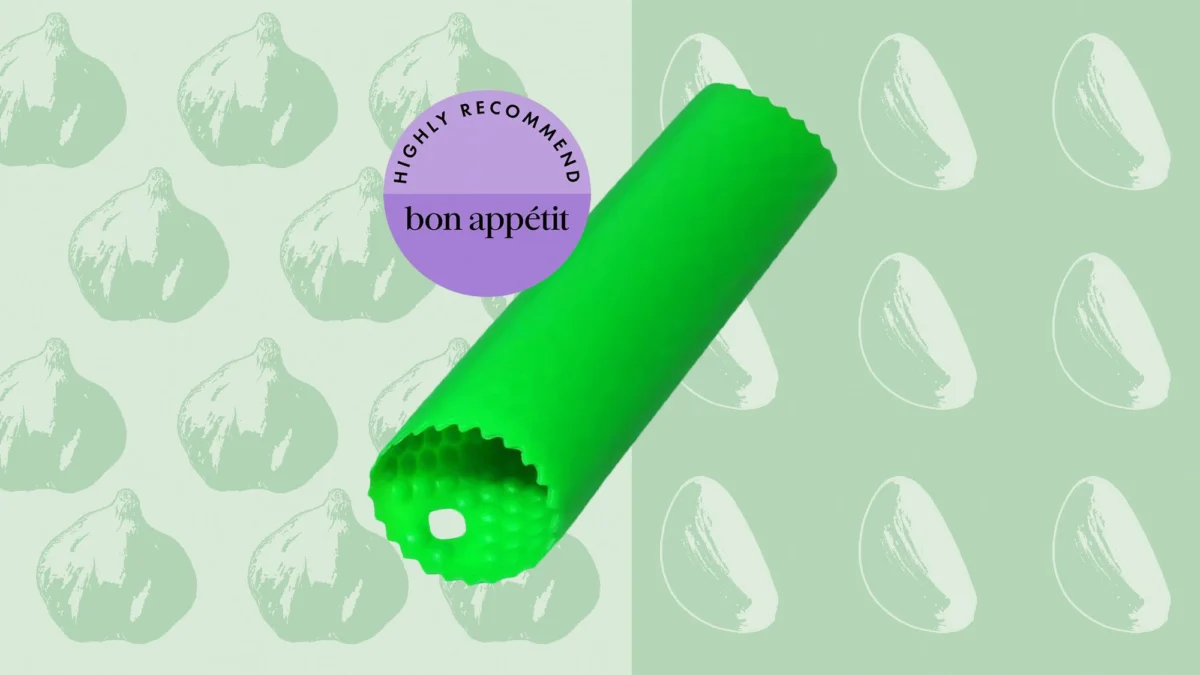
The seemingly mundane act of peeling garlic cloves has long been a source of culinary frustration for home cooks and professional chefs alike. From the tenacious, papery skins clinging to fresh cloves to the lingering aroma on fingertips, the process is often cited as a significant deterrent to incorporating fresh garlic into daily meals. However, a simple yet ingenious kitchen device, the silicone garlic peeler, has quietly emerged as a surprisingly effective antidote to this common kitchen woe, prompting a reevaluation of what constitutes an essential kitchen tool and challenging long-held skepticism about single-purpose gadgets.
The Universal Challenge of Garlic Preparation
Garlic (Allium sativum), a staple ingredient in cuisines worldwide, is celebrated for its pungent aroma and robust flavor, offering significant health benefits ranging from immune support to cardiovascular advantages. Despite its culinary versatility and health merits, its preparation often presents a barrier. The skin of garlic cloves, particularly those that are very fresh, adheres tightly to the flesh, requiring meticulous effort to remove. Traditional methods, while effective, come with their own set of inconveniences. The use of a paring knife to trim the root end and then peel, a technique often taught in culinary schools, demands precision and can be time-consuming, especially when preparing large quantities. Conversely, the more intuitive method of smashing cloves with the flat side of a chef’s knife before peeling, while quick, frequently compromises the integrity of the clove and leaves behind a sticky residue on hands and cutting surfaces. Other methods, such as shaking cloves in two bowls, soaking them in hot water, or briefly microwaving them, offer varying degrees of success but often introduce additional steps, equipment, or potential alterations to the garlic’s texture.
A 2022 survey conducted by the National Kitchen & Bath Association indicated that efficiency and ease of use are increasingly prioritized by consumers in kitchen design and tool selection. Similarly, data from market research firm NPD Group consistently shows a consumer trend towards kitchen appliances and tools that simplify complex cooking tasks, reflecting a broader shift towards convenient home meal preparation. The frustration associated with garlic peeling, therefore, is not an isolated complaint but rather a microcosm of a larger demand for kitchen solutions that streamline the cooking process.
The Rise of Specialized Kitchen Tools and the "Unitasker" Debate
The modern kitchen is replete with an array of specialized tools designed to simplify specific culinary tasks. From avocado slicers to herb scissors and quesadilla makers, these "unitaskers" often spark debate among culinary enthusiasts and professionals. Critics, most notably celebrity chef Alton Brown, have famously advocated for multi-functional tools, arguing that single-purpose gadgets clutter kitchen drawers and offer little value beyond their narrow application. This perspective holds that a well-equipped kitchen needs only a core set of versatile tools, such as a sharp chef’s knife, a robust cast-iron skillet, and quality kitchen shears, which can accomplish a multitude of tasks without unnecessary specialization.
However, the proliferation and enduring popularity of many specialized tools suggest a counter-narrative. Consumers, often balancing demanding schedules with a desire for home-cooked meals, are increasingly willing to invest in gadgets that demonstrably reduce effort or time for specific, frequently encountered inconveniences. The global kitchenware market, valued at over $60 billion in 2023, continues to see growth in segments dedicated to innovative tools and accessories, underscoring a consumer appetite for solutions that enhance kitchen ergonomics and efficiency. The silicone garlic peeler, with its unassuming design and singular purpose, has quietly carved out a significant niche within this landscape, compelling even skeptics to reconsider its utility.
Design Simplicity Meets Ergonomic Ingenuity
The silicone garlic peeler is remarkably simple in its construction: typically a flexible, food-grade silicone tube, often ribbed on the interior. Its mechanism relies on basic principles of friction and flexibility. When a few garlic cloves are placed inside the tube and rolled vigorously between the hands or on a countertop, the friction generated by the silicone against the cloves, combined with the slight pressure, causes the papery skins to separate from the garlic flesh. The flexibility of the silicone allows the tube to conform to the shape of the cloves, maximizing contact and friction without damaging the delicate garlic.
This elegant design addresses several key pain points of traditional peeling:

- Speed: Peeling multiple cloves can be achieved in seconds.
- Cleanliness: The skins are contained within the tube, minimizing mess on countertops and keeping hands odor-free.
- Clove Integrity: Unlike smashing methods, the peeler typically leaves the cloves whole and unbruised, preserving their texture and aesthetic for dishes where presentation matters.
- Ease of Cleaning: Most silicone peelers are dishwasher-safe and non-porous, preventing the absorption of garlic odors.
- Storage: Its compact, flexible design means it occupies minimal drawer space, often negating the "clutter" argument leveled against other unitaskers.
From an ergonomic perspective, the peeler reduces the fine motor skill requirement and manual dexterity needed for knife-based peeling, making it accessible to a broader range of users, including those with arthritis or limited hand strength. This inclusive design aspect further bolsters its appeal as a practical kitchen aid.
Chronology of Adoption: From Skepticism to Endorsement
The trajectory of the silicone garlic peeler’s adoption often follows a predictable pattern of initial skepticism, followed by a transformative experience, and culminating in enthusiastic endorsement. Many consumers, accustomed to the "unitasker" critique, initially dismiss the peeler as another superfluous gadget. Anecdotal evidence suggests that the peeler frequently enters kitchens as a gift, often from a friend or family member who has already experienced its efficacy.
The turning point typically occurs when a recipe demands a significant quantity of garlic, such as a Middle Eastern toum (garlic sauce) requiring eight or more cloves, or a substantial dish like a garlic knot made with an entire head of garlic. Faced with the daunting prospect of tedious manual peeling, users are prompted to retrieve the forgotten silicone tube. The rapid, effortless separation of skins from cloves often elicits a "eureka!" moment, converting skeptics into fervent advocates. This experiential shift from apprehension to appreciation is a powerful driver of word-of-mouth recommendations, which have been instrumental in the peeler’s quiet ascent in kitchen utility.
Comparative Analysis of Peeling Methods: Why the Silicone Tube Excels
While numerous methods exist for peeling garlic, the silicone tube often outperforms them in a practical kitchen setting:
- Paring Knife Method: Precise and clean, but slow. A skilled cook might peel a clove in 10-15 seconds; for eight cloves, this accumulates to over a minute, plus the need for a cutting board and knife cleaning.
- Chef’s Knife Smash: Fast, often 2-3 seconds per clove, but messy. The sticky residue from garlic juice adheres to the knife and fingers, requiring immediate cleanup. The clove is also often flattened, which might be undesirable for certain preparations.
- Shaking in Jars/Bowls: Moderately effective, especially for larger quantities, but noisy and requires two pieces of sturdy equipment. Success varies greatly depending on the type of garlic and vigor of shaking.
- Hot Water Soak: Loosens skins effectively, but adds a waiting period (5-10 minutes) and introduces moisture, which might be undesirable if the garlic is to be dry-sautéed or minced for a dry rub.
- Microwave Method: Quick (10-15 seconds), but can slightly "cook" the garlic, altering its raw flavor and texture, and may not always fully loosen stubborn skins.
In contrast, the silicone peeler offers speed comparable to the smash method without the mess or damage, and without requiring additional water or heat. Its contained operation ensures a clean process from start to finish. For quantities up to three or four cloves at a time, it presents an unparalleled balance of efficiency, cleanliness, and preservation of the garlic’s natural state.
Broader Implications for Home Cooking and Culinary Habits
The widespread adoption of tools like the silicone garlic peeler carries several broader implications for home cooking:
- Encouraging Fresh Ingredient Use: By significantly reducing the barrier to preparing fresh garlic, these peelers can encourage cooks to opt for whole cloves over pre-peeled, often more expensive, and sometimes less flavorful alternatives. This promotes healthier eating habits and a deeper engagement with raw ingredients.
- Expanding Recipe Repertoire: The ease of peeling garlic may embolden cooks to tackle recipes that traditionally call for substantial quantities of garlic, such as robust Mediterranean dishes, complex sauces, or fermented preparations, which might otherwise be avoided due to the tedious prep work.
- Redefining Kitchen Essentials: The peeler’s success prompts a reconsideration of what constitutes an "essential" kitchen tool. While not as fundamental as a chef’s knife, its ability to solve a universal and recurring frustration elevates its status beyond a mere novelty gadget for many users.
- Sustainability and Waste: The choice between fresh garlic and pre-peeled garlic also touches on sustainability. Pre-peeled garlic often comes in plastic containers, contributing to packaging waste. By making fresh garlic more accessible, the silicone peeler indirectly supports a reduction in such waste, although the manufacturing and disposal of the peeler itself present another consideration.
- The Power of Simple Innovation: The silicone garlic peeler serves as a testament to the impact of simple, low-tech innovations in addressing everyday problems. It demonstrates that not all impactful solutions require complex engineering or digital integration; sometimes, the most effective tools are those that elegantly solve a basic, persistent inconvenience.
While the silicone peeler is undoubtedly efficient for moderate quantities, its primary caveat remains its limited capacity. For recipes demanding truly enormous amounts of garlic, such as "Chickpeas With 40 Garlic Cloves," the convenience of commercially pre-peeled garlic, despite its higher cost and packaging implications, might still be a practical consideration for some. However, for the vast majority of daily cooking tasks, the silicone garlic peeler has proven itself to be an invaluable asset.
In conclusion, the silicone garlic peeler, once dismissed by some as a trivial unitasker, has firmly established itself as a surprisingly indispensable kitchen tool. Its simple yet effective design directly addresses a pervasive culinary frustration, offering a clean, fast, and effortless method for preparing garlic. Its journey from an overlooked gadget to a cherished kitchen aid underscores a broader trend in consumer preferences for tools that enhance efficiency and enjoyment in the home kitchen, ultimately reshaping how many approach the elemental act of cooking with fresh, flavorful garlic. Its quiet revolution serves as a compelling reminder that sometimes, the most profound changes in our daily routines come from the most unassuming innovations.
