

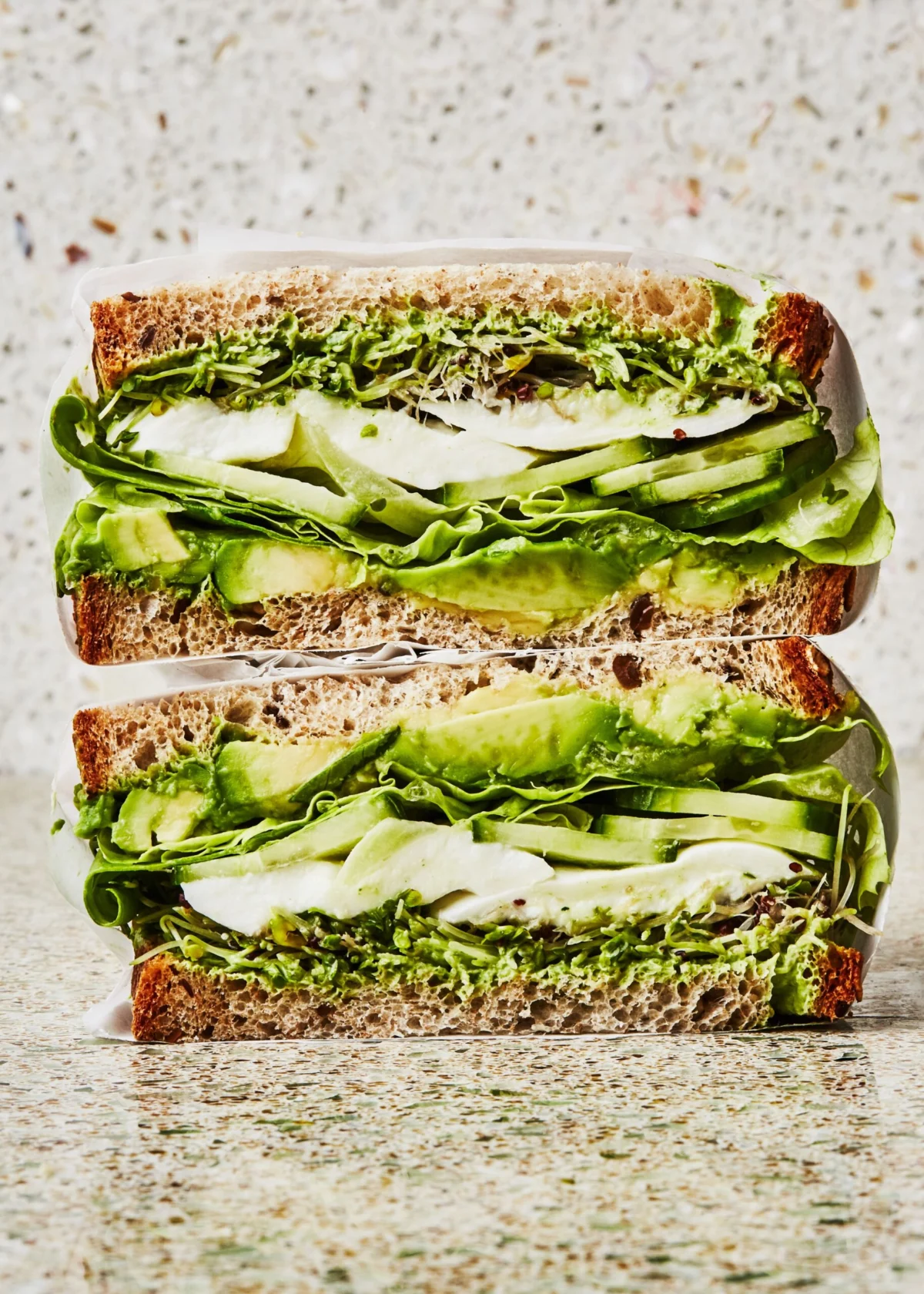
This week, Bon Appétit, a leading authority in culinary journalism, announced its most-saved recipes, revealing a compelling focus on sophisticated sandwich creations and versatile, globally inspired dishes. The curated list underscored a significant trend in contemporary home cooking: the elevation of the humble sandwich into a culinary centerpiece, often with an emphasis on fresh, plant-forward ingredients and innovative flavor profiles. This selection not only caters to a broad spectrum of dietary preferences but also reflects a broader societal shift towards convenient yet gourmet meal solutions.
The Enduring Legacy and Modern Evolution of the Sandwich
The sandwich, a staple of global cuisine, traces its origins back to 18th-century England, famously attributed to John Montagu, the 4th Earl of Sandwich, who requested meat served between slices of bread to facilitate eating during lengthy card games. From this pragmatic beginning, the sandwich evolved from a simple convenience food to a canvas for culinary creativity. In the 19th and 20th centuries, it became a cornerstone of packed lunches, picnics, and quick meals, especially with the advent of sliced bread.
The 21st century has witnessed a dramatic transformation, with sandwiches transcending their utilitarian roots to become gourmet offerings in cafes, restaurants, and increasingly, in home kitchens. This evolution is driven by several factors: a growing appreciation for diverse global flavors, an increased focus on fresh and high-quality ingredients, and a desire for customizable meals that cater to individual dietary needs and preferences. Bon Appétit’s latest compilation perfectly encapsulates this modern renaissance, showcasing recipes that are both accessible and inspiring, pushing the boundaries of what a sandwich can be.
A Deep Dive into the Week’s Top Vegetarian Sandwich Innovations
A striking feature of Bon Appétit’s top recipes this week was the prominence of vegetarian options, signaling a sustained and growing interest in plant-based eating. Three distinct vegetable-centric sandwiches captured the attention of home cooks, each offering a unique approach to flavor and texture.

The Artichoke Butter Sandwich: A Plant-Based Homage
Leading the pack was an inventive artichoke butter sandwich, directly inspired by the classic French jambon-beurre. The jambon-beurre, a simple yet iconic sandwich comprising ham and butter on a baguette, is celebrated for its purity of ingredients and balance of flavors. Bon Appétit’s plant-based interpretation substitutes the ham with a rich, savory artichoke butter, creating a vegetarian alternative that promises the same satisfying depth and creamy texture. Artichokes, known for their distinct earthy and slightly nutty flavor, have seen a resurgence in popularity, particularly in Mediterranean-inspired diets. According to market research by Grand View Research, the global plant-based food market size was valued at USD 43.0 billion in 2022 and is projected to grow at a compound annual growth rate (CAGR) of 12.0% from 2023 to 2030. This recipe taps into that trend, offering a sophisticated vegetarian option that doesn’t compromise on flavor or culinary heritage. The creation of such a recipe reflects a broader trend among culinary publications to adapt classic dishes for modern dietary preferences, showcasing how traditional comfort foods can be reimagined without animal products.
The Double-Decker Veggie Club: A Symphony of Color and Crunch
Another standout was the double-decker veggie club, a vibrant, multi-layered sandwich piled high with a spectrum of colorful vegetables. The inclusion of watermelon radish, a visually stunning root vegetable with a mild, peppery bite, highlights a trend towards incorporating aesthetically pleasing and often heirloom produce into everyday cooking. This recipe capitalizes on the enduring popularity of the club sandwich, a classic American diner staple, by transforming it into a fresh, nutrient-dense meal. The emphasis on "the colors of the rainbow" is not merely aesthetic; it implicitly encourages a diverse intake of vitamins and antioxidants found in various plant pigments. The demand for fresh, seasonal produce continues to rise, with consumers increasingly prioritizing ingredients that are both healthy and visually appealing. Data from the Food Marketing Institute consistently shows that fresh produce is a top driver for grocery store selection among consumers, underscoring the appeal of recipes like this veggie club. Culinary experts often note that such recipes are particularly effective in making plant-based eating more attractive and accessible to a wider audience, demonstrating that healthy food can also be exciting and indulgent.
The Green Goddess Crunch Sandwich: A Proven Winner
Completing the trio of vegetarian triumphs was a "green goddess number" lauded as "always a winner." The Green Goddess dressing, originally conceived at the Palace Hotel in San Francisco in the 1920s, has experienced a significant revival in recent years, evolving from a salad dressing to a versatile sauce and spread. Its creamy, herbaceous profile, typically featuring mayonnaise, sour cream, chives, parsley, tarragon, and anchovy (though vegetarian versions are common), provides a rich flavor base. The "crunch" element likely comes from crisp vegetables, toasted nuts, or seeds, adding a crucial textural contrast that elevates the eating experience. This recipe’s consistent popularity reflects a consumer preference for familiar yet flavorful profiles combined with satisfying textures. The success of dishes featuring "crunch" is well-documented in food psychology, as textural variety enhances palatability and enjoyment. This sandwich showcases Bon Appétit’s ability to capitalize on enduring culinary trends while injecting modern appeal.
Venturing Beyond the Traditional: Global Flavors and Reinvented Classics
Beyond the vegetarian focus, Bon Appétit’s most-saved list also featured recipes that embraced international flavors and offered healthier interpretations of beloved classics, showcasing the breadth of contemporary culinary interests.
Baharat-Spiced Beef Pita Pockets with Creamy Cucumber Salad: A Taste of the Middle East
Highlighting the growing global palate of home cooks were the Baharat-spiced beef pita pockets, served alongside a creamy cucumber salad. Baharat, a versatile Middle Eastern spice blend, typically includes black pepper, cardamom, cloves, cumin, nutmeg, coriander, and paprika, among others. Its warm, aromatic, and slightly sweet notes infuse the beef with a rich, complex flavor. Pita pockets, a traditional flatbread, offer a convenient and interactive way to enjoy flavorful fillings. The accompanying creamy cucumber salad provides a refreshing counterpoint, cutting through the richness of the beef and spices. The increasing popularity of Middle Eastern cuisine in Western kitchens is a notable trend. According to a report by Technavio, the global Middle Eastern food market is projected to grow significantly, driven by rising consumer interest in ethnic foods and unique flavor profiles. This recipe not only introduces home cooks to new spice blends and culinary techniques but also offers a complete, balanced meal that is both exotic and approachable. The emphasis on flavorful, easy-to-assemble meals continues to be a driving force in recipe selection for busy individuals and families.
No-Mayo Tuna Salad: A Healthier Twist on a Classic
Rounding out the list was a no-mayo tuna salad, lauded for its versatility "between bread and on its own." Tuna salad is a timeless comfort food, but traditional recipes often rely heavily on mayonnaise, which can be calorie-dense. This recipe caters to a significant consumer trend towards healthier eating and ingredient substitution. By omitting mayonnaise, the recipe likely uses alternatives such as Greek yogurt, avocado, olive oil, or a vinaigrette base, offering a lighter yet equally satisfying profile. This reinterpretation speaks to the broader movement of "better-for-you" versions of classic dishes, driven by increased health consciousness and a desire to reduce fat and calorie intake without sacrificing taste. The versatility of the dish, being enjoyable both as a sandwich filling and as a standalone protein-rich salad, further enhances its appeal to modern home cooks seeking flexible meal components. Data from various health and wellness surveys consistently shows consumers actively seeking out healthier alternatives to traditional recipes, making such innovations particularly popular.

Bon Appétit’s Influence and the Digital Culinary Landscape
The metric of "most-saved recipes" on Bon Appétit’s platform offers valuable insights into consumer preferences and engagement in the digital culinary space. In an era where digital content is abundant, the act of "saving" a recipe signifies a strong intent to cook it, making it a powerful indicator of a recipe’s appeal, practicality, and perceived deliciousness. This metric underscores Bon Appétit’s role not just as a publisher of recipes but as a curator of culinary inspiration that directly influences meal planning and grocery shopping habits.
Bon Appétit, part of Condé Nast, has long been a leading voice in food media. Its digital platform has expanded its reach, allowing for dynamic interaction with its audience. The call to action for non-subscribers to "grab a digital subscription today so you can start saving (and eating) your way through this list" highlights the evolving business model of culinary journalism. In an increasingly digital world, premium content like well-tested, innovative recipes becomes a key driver for subscription services, offering exclusive access to a wealth of culinary knowledge and inspiration. This model ensures the continued production of high-quality content while providing value to engaged readers.
Broader Culinary and Economic Implications
The popularity of these specific recipes carries broader implications for the food industry and culinary trends. The strong showing of vegetarian and plant-forward options reinforces the long-term shift towards more sustainable and health-conscious eating. This trend has significant economic impacts, driving demand for fresh produce, specialty plant-based ingredients, and innovative food products. Suppliers of artichokes, unique radishes, and specific spice blends like Baharat may see increased demand following such high-profile recipe features.
Furthermore, the emphasis on versatility and ease of preparation in recipes like the no-mayo tuna salad and the pita pockets reflects the realities of modern life. Consumers are often pressed for time but still desire flavorful, wholesome meals, leading to a demand for recipes that are both inspiring and manageable within a busy schedule. This drives innovation in product development, from pre-chopped vegetables to ready-made spice blends.
Culinary experts, observing these trends, suggest that the continued evolution of the sandwich from a simple meal to a sophisticated culinary experience reflects a broader democratization of gourmet food. Home cooks, empowered by accessible recipes and high-quality ingredients, are increasingly experimenting with diverse flavors and techniques, blurring the lines between home cooking and restaurant-quality dining. This dynamic interaction between culinary publications like Bon Appétit and an engaged audience continues to shape the future of food, making it more diverse, healthier, and continually exciting. The current selection of top recipes from Bon Appétit is not just a list of dishes; it is a snapshot of contemporary culinary desires, reflecting a world hungry for both comfort and innovation, conveniently wrapped between two slices of bread, or tucked into a pita.
