

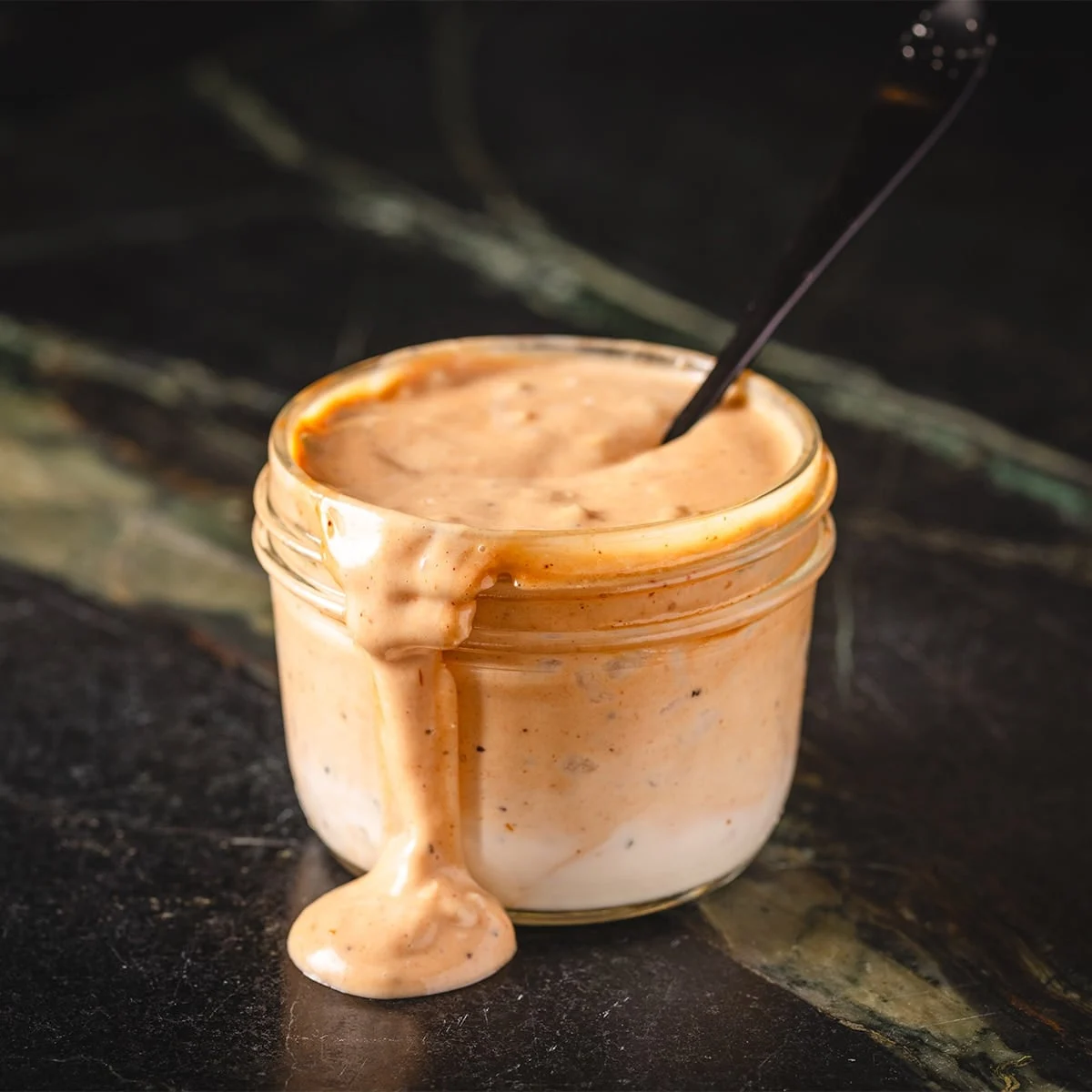
The landscape of American outdoor culinary practices has undergone a significant transformation, moving away from mass-produced, store-bought condiments toward highly specialized, homemade alternatives that prioritize flavor complexity and preparation efficiency. At the forefront of this movement is the recent popularization of a streamlined, three-ingredient burger sauce developed by culinary expert Susie Bulloch, founder of the prominent BBQ resource Hey Grill Hey. This specific formulation, characterized by its base of mayonnaise, diced dill pickles, and a signature barbecue sauce, represents a broader shift in consumer behavior where "DIY" kitchen solutions are increasingly favored for their ability to provide artisanal quality within a 10-minute preparation window. By utilizing a specific flavor profile that balances the creaminess of fat, the acidity of vinegar-based ferments, and the smokiness of grilled components, this homemade sauce has emerged as a cornerstone of the modern "smash burger" movement, a trend that has revitalized the backyard grilling experience across North America.
The Evolution of the Backyard Grilling Aesthetic
The transition from simple ketchup and mustard to complex, multi-layered sauces is not merely a matter of taste but a reflection of the professionalization of the home cook. Historically, the "secret sauce" was a proprietary element of fast-food chains and high-end bistros. However, the democratization of culinary techniques through digital platforms has allowed home enthusiasts to replicate these profiles. The Hey Grill Hey burger sauce specifically traces its origins back to the "backyard griddle" version of the smash burger—a technique involving the pressing of ground beef onto a scorching hot surface to maximize the Maillard reaction.

As the smash burger gained traction in the 2020s, the demand for a condiment that could stand up to the intense, crusty flavor of the meat became paramount. Traditional condiments often lacked the structural integrity or the specific tang required to cut through the high fat content of griddled beef. The resulting development of the three-ingredient sauce—mayo, pickles, and Everything BBQ Sauce—was a strategic response to this need. This chronology highlights a move toward "flavor stacking," where each ingredient serves multiple functional purposes: the mayonnaise provides a moisture barrier for the bun, the pickles offer textural contrast and acidity, and the barbecue sauce introduces sweetness and wood-smoke notes that are otherwise difficult to achieve on a flat-top griddle.
Technical Composition and Culinary Mechanics
From a technical standpoint, the success of this sauce relies on the synergy between three distinct culinary pillars. The first, a mayonnaise base, serves as the primary emulsifier. In a professional kitchen setting, the use of mayonnaise as a foundation for burger spreads is preferred over butter or oil because it remains stable at room temperature and provides a rich mouthfeel that carries fat-soluble flavors.
The second pillar, the inclusion of diced dill pickles, introduces a fermented element. Industry analysts note that "pickled" and "fermented" flavors have seen a 15% year-over-year increase in menu mentions as consumers seek out functional foods that offer sharp flavor profiles. In this recipe, the pickles are not merely a topping but are integrated into the sauce to ensure that every bite contains a balanced ratio of acetic acid, which is essential for palate cleansing during the consumption of rich proteins.

The third and most critical component is the "Everything BBQ Sauce." This signature ingredient acts as a flavor "multiplier," containing a pre-blended mix of spices, sugars, and smoke aromatics. By substituting traditional ketchup or mustard with a complex BBQ sauce, the cook achieves a depth of flavor that would typically require a dozen individual spices and several hours of simmering. This "shortcut" methodology is a defining characteristic of the modern artisanal movement—achieving professional results through the strategic selection of high-quality base ingredients.
Nutritional Analysis and Consumer Health Trends
The nutritional profile of the homemade burger sauce reflects its status as a premium, "comfort food" condiment. According to data provided by the developer, a standard serving contains approximately 464 calories, with 43 grams of fat and 2292 milligrams of sodium. While these figures are high by traditional health standards, they align with the "indulgence" sector of the food market.
Market research indicates that while consumers are increasingly health-conscious regarding their daily diets, they are simultaneously more willing to indulge in high-quality, high-calorie condiments during social events like weekend barbecues. The high sodium content (2292 mg) is largely attributed to the preserved nature of the pickles and the concentrated salts in the BBQ sauce. However, the presence of Vitamin A (472 IU) and Calcium (121 mg) suggests that the use of whole-food components like pickles and egg-based mayonnaise provides more micronutrients than many highly processed, sugar-laden commercial alternatives.

Industry Implications and the "Premiumization" of Condiments
The rise of recipes like the 10-minute burger sauce has significant implications for the global condiment market, which was valued at approximately $130 billion in 2023 and is projected to grow at a CAGR of 4.5% through 2030. The "premiumization" trend is a primary driver of this growth. Consumers are increasingly moving away from "value" brands in favor of "signature" products or ingredients that allow them to create a restaurant-quality experience at home.
Susie Bulloch’s role as the "BBQ Boss Lady" and her appearances on major networks like the Food Network underscore the influence of culinary personalities in shaping grocery store trends. When a prominent figure advocates for a specific brand or a homemade blend, it often leads to a spike in the sales of the component ingredients—in this case, high-quality mayonnaise and premium pickles. Furthermore, the "Everything BBQ Sauce" represents a successful vertical integration strategy, where a content creator provides the recipe (the service) and the specialized sauce (the product), creating a closed-loop consumer ecosystem.
Professional Preparation Standards and "Pro Tips"
To achieve the desired consistency and flavor profile, culinary professionals emphasize several key preparation steps that distinguish a "standard" sauce from a "hero" sauce. First is the importance of the chill time. While the sauce can be assembled in under 10 minutes, a mandatory refrigeration period of at least 30 minutes is recommended by the developer. This allows the dried spices in the BBQ sauce to rehydrate and the acids in the pickles to penetrate the fat of the mayonnaise, a process known as flavor melding.

Consistency in dicing is another professional standard highlighted in the recipe’s "Pro Tips." The pickles must be diced finely and uniformly to ensure even distribution. Large, irregular chunks can cause the sauce to slide off the burger or create an inconsistent flavor experience. Additionally, the choice of mayonnaise is critical; heavy-duty, egg-rich varieties are preferred over "salad dressings" or light versions, which lack the necessary viscosity to hold the diced pickles in suspension.
Broader Impact on the Outdoor Cooking Community
The impact of this simplified sauce extends beyond the individual kitchen. It has become a viral component of the "Backyard BBQ Hero" identity promoted by Hey Grill Hey. By providing accessible, high-reward recipes, digital platforms are lowering the barrier to entry for complex outdoor cooking. This has led to an increase in the purchase of specialized equipment, such as outdoor griddles and high-end smokers, as home cooks seek to maximize the potential of their homemade condiments.
Statements from the outdoor cooking community suggest that the "three-ingredient" aspect is a major selling point. In an era of "decision fatigue," a recipe that promises a "banger" result with minimal cognitive load is highly attractive. The sauce’s versatility—being used not just for smash burgers but as a dip for fries or a topping for grilled chicken—further enhances its value proposition to the consumer.

Conclusion and Future Outlook
The Homemade Burger Sauce by Susie Bulloch is more than a simple recipe; it is a case study in the modern intersection of convenience, brand loyalty, and culinary excellence. As the "Backyard BBQ Hero" movement continues to expand, we can expect to see further innovations in the "speed-to-flavor" category—recipes that utilize a small number of high-impact ingredients to deliver professional-grade results.
The move toward DIY condiments is likely to persist as a permanent fixture of the culinary landscape. As consumers become more educated about flavor profiles and more skeptical of the preservatives found in mass-market products, the demand for transparent, easy-to-make, and flavor-dense alternatives will continue to drive innovation in both the digital content and grocery sectors. For now, the three-ingredient burger sauce remains a benchmark for how simplicity, when executed with high-quality components, can redefine a staple of the American diet.
