

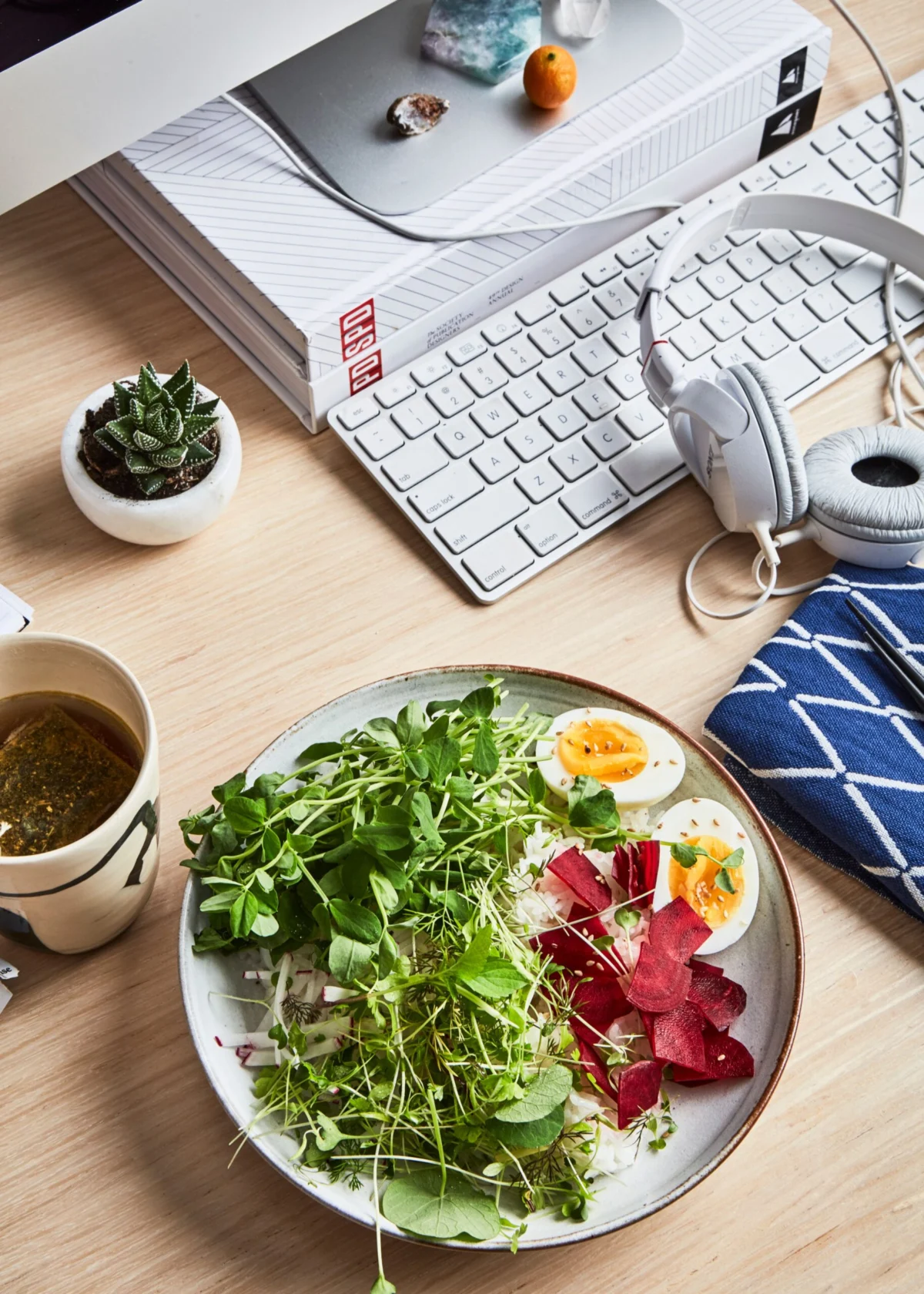
The challenge of deciding what to pack for lunch is a universally recognized, Sisyphean task, transcending professional boundaries and culinary skill levels. From the novice cook to the seasoned chef, the office worker to the elite athlete, and the student relying on a microwave to the food editor with a fully equipped kitchen, the midday meal presents a recurring conundrum. This pervasive struggle for inspiration often leads to monotony, unhealthy choices, or costly takeout habits. However, a strategic approach to lunch preparation reveals that the midday meal is less about rigid rules and more about a flexible mindset, capable of adapting to individual lifestyles, dietary preferences, and time constraints.
The contemporary landscape of work and lifestyle has amplified the significance of the packed lunch. A global shift towards hybrid work models and an increased awareness of personal finance have spurred a renewed interest in home-prepared meals. Economically, the cost of eating out regularly can significantly impact a household budget. Data from various consumer reports consistently indicates that preparing meals at home can be substantially more economical than purchasing lunch daily, often saving individuals hundreds, if not thousands, of dollars annually. For instance, a 2023 survey by LendingTree found that Americans spend an average of $274 per month on lunch, with a significant portion going to restaurant or takeout meals. This financial incentive alone drives many to seek viable, appealing alternatives to the "Big Slop Bowl industrial complex" of uninspired, expensive options.

Beyond economics, the health implications are substantial. Home-packed lunches offer unparalleled control over ingredients, portion sizes, and nutritional content. This allows individuals to tailor meals to specific dietary needs, manage calorie intake, reduce processed food consumption, and increase the intake of fresh fruits, vegetables, and whole grains. Nutritionists and public health experts frequently advocate for meal preparation as a cornerstone of a balanced diet, citing its effectiveness in preventing chronic diseases and promoting overall well-being. Furthermore, the environmental footprint of packed lunches is generally smaller than that of daily takeout, reducing single-use plastic waste and supporting more sustainable eating habits.
Recognizing this multifaceted challenge, culinary experts and meal planners have curated a wealth of strategies designed to demystify and invigorate the midday meal. These approaches range from simple formulas and emergency fallbacks to more elaborate, yet still manageable, recipes. The core philosophy is adaptability: a virtuous bowl of crunchy vegetables one day can seamlessly transform into crackers and cheese the next, or even cold leftover rotisserie chicken with hot sauce. The guiding principle is simple: if it’s delicious, portable, and aligns with one’s lifestyle, it’s a valid lunch.
To assist in navigating this culinary landscape, a comprehensive guide categorizes diverse lunch solutions, complete with practical indicators for preparation time, serving temperature, and dietary considerations. These markers—such as "Prep ahead," "Ready in 30 minutes or less," "Delicious cold," "Best served hot," "Vegetarian," and "No refrigeration needed before lunch"—empower individuals to select meals that fit their specific daily demands, whether packing for the office, eating between virtual meetings at home, or creatively utilizing last night’s dinner.

Dynamic Grain and Protein Bowls: A Foundation for Flavor
Grain bowls have emerged as a cornerstone of modern lunch packing due to their versatility, nutritional density, and ability to be prepared in advance. They offer a balanced combination of complex carbohydrates, lean protein, healthy fats, and vibrant vegetables, making them both satisfying and sustaining.
One popular iteration is the Spicy Tuna Rice Bowl, a quick assembly of leftover rice, crisp vegetables, and a favorite hot sauce, ready in about 10 minutes. This dish exemplifies the "riffable pantry meal," encouraging improvisation with available ingredients. Similarly, Chicken and Cucumber Rice Bowls provide a refreshing and crunchy option that holds up exceptionally well overnight. For vegetarian palates, a nutty, chewy Lentil-and-Barley Salad with Harissa and Fennel offers robust flavors and textures, ideal for make-ahead convenience. The Miso-Tahini Tofu and Veggies bowl combines zingy slaw and sliced avocado over whole grains, delivering a plant-powered punch. Another vegetarian favorite, the Confetti Rice with Lots of Broccoli, feta, herbs, toasted almonds, and golden raisins, proves equally delightful warm or at room temperature. The Corn and Chickpea Bowl with Miso-Jalapeño Tahini stands out as a Bon Appétit classic, celebrated for its crispy chickpeas and vibrant dressing. For those seeking to maximize leftovers, a formula of Roasted Vegetables, Whole Grains, Miso-Ginger Turmeric Dressing, and Greek Yogurt offers a repeatable, nutritious solution. Furthermore, Kimchi Fried Rice with Broccoli brilliantly repurposes day-old rice into a flavorful, warming meal, while flaked Roast Salmon over Grains with sautéed kale and cucumbers transforms dinner into an exquisite next-day lunch. The Gochujang-Ranch Crispy Chicken Bowl provides a savory, spicy option that can be prepped for multiple lunches.
The Versatile Handheld: Sandwiches, Wraps, and Tostadas
Handheld meals remain a timeless and practical choice for lunch, offering convenience and portability. Modern interpretations elevate classic forms, introducing new flavor profiles and textures.

The meatless yet robust Smashroom Sandwich with Pickled Peppers delivers a satisfying experience, equally good freshly made or packed for the office. Traditionalists might opt for a Perfect Tuna Melt with oil-packed tuna, fresh dill, capers, and buttery griddled bread, often accompanied by pickles and kettle chips. A creative twist is the Open-Face Kimchi Tuna Melt on English Muffins, offering a quick, flavorful bite. For a fresh and vibrant option, the Stacked California Veggie Sandwich, brimming with crisp vegetables, creamy avocado, and sprouts, is a cold-friendly delight. The Green Goddess Crunch Sandwich is essentially a well-composed salad nestled between two slices of bread, providing a refreshing take on a classic. Spicy Tuna Tostadas, layered with chipotle mayo, avocado, and mango, are not only dinner-worthy but also lunch-friendly and can be assembled in minutes. Heartier vegetarian choices include a giant Beans-and-Cheese Hoagie with Mustard Greens or the adaptable Italian Hero, available in both meat-and-cheese and equally satisfying vegetarian versions. For ultimate convenience, Make-Ahead Breakfast Sandwiches can be frozen and repurposed for lunch. An upgraded PB&J with Pecan-Miso Butter and Raspberry-Rose Jam offers a gourmet twist on a childhood favorite, requiring no refrigeration. The SALADWICH concept brilliantly transforms salads into a hand-held format, while an ELT (Egg, Lettuce & Tomato) offers a lighter, vegetarian alternative to the BLT.
Effortless Excellence: The Appeal of No-Cook Options
When cooking feels like an insurmountable hurdle, no-cook lunches provide a lifeline, requiring minimal effort without sacrificing flavor or substance. These options often rely on smart pantry staples and fresh components.
Spicy Tuna Onigiri, with creamy tuna filling wrapped in rice, is an excellent grab-and-go solution, ready in under 30 minutes and delicious cold. Dips are another versatile no-cook category: Pickle Dip pairs perfectly with potato chips or a medley of crunchy vegetables, while Curried Peanut Dip can elevate jammy eggs, cold shrimp, roasted sweet potatoes, or any leftover raw vegetables. The simplicity of soft white bread with Cream Cheese and Green Olives reminds us that sometimes, the most basic combinations are the most satisfying. Extra-fluffy Hummus with a drizzle of olive oil and an assortment of crunchy dippers is a classic, healthy choice. The "adult Lunchables" concept encourages stacking deli meats (or marinated tofu/shrimp), complementary cheeses, and crackers for a personalized charcuterie plate. A quick Smashed Chickpea Salad, tossed with briny elements (pepperoncini, pickles), punchy flavors (scallions, harissa), and creamy binders (yogurt, tahini), offers a satisfying spread for crackers or toast. For warmer weather, Mango Chicken Summer Rolls with crisp vegetables and fresh herbs, wrapped in rice paper, are refreshing and portable.

Harnessing the Power of Produce: Vegetable-Forward Creations
Emphasizing vegetables in lunch can boost nutrient intake and bring vibrant flavors and textures to the midday meal. Many vegetable-centric dishes are designed to improve with time in the fridge.
The "Happy Fridge Salad" concept encourages transforming back-of-the-fridge produce (kale, broccoli slaw, chickpeas) into a punchy citrus-dressed salad that only gets better overnight. Bob’s Chicken and Cabbage Salad with its irresistible sesame-ginger dressing is perfect for packing. A shortcut to deliciousness is letting the supermarket olive bar do most of the work for a pasta salad, combining marinated vegetables, beans, mozzarella, and sun-dried tomatoes with cooked pasta. Zucchini Butter, generously spread on toasted sourdough or crackers, provides a surprisingly rich and savory vegetarian option. A robust Broccoli Salad is another dish that benefits from sitting, allowing flavors to meld. Sheet-Pan Halloumi with Avocado and Citrus makes for a sophisticated, cold-friendly lunch, with pita packed separately to maintain crispness. Marinated Mixed Beans offer a pantry-friendly, protein-rich option that can be enjoyed with greens or crusty bread. The vibrant Plantain and Black Bean Salad with lime and cilantro tastes even better on day two, as do Green Beans and Cucumber with Miso Dressing, which provide a crisp, refreshing bite. Classic salads like Fattoush (with toasted pita chips packed separately) and Greek Salad with feta, tomatoes, and olives are always reliable, delicious cold options.
The Art of the Double Shift: Leftovers Reimagined
Transforming dinner leftovers into exciting lunch options is a pillar of efficient meal prep, saving time, reducing waste, and often enhancing flavors.

Haemul Pajeon (Korean Seafood Pancakes) crisp up beautifully in a skillet the next day or can be enjoyed cold, with the soy dipping sauce packed separately. Green Chutney Chicken can be tucked into warm pita, wrapped in naan, or spooned over rice with yogurt. Paneer Kathi Rolls, designed for portability, stay warm wrapped in parchment and foil. Larb (chicken, beef, lamb, or tofu) reheats surprisingly well, served over rice instead of lettuce cups for a heartier lunch. Easy Taco Bowls ingeniously combine yesterday’s leftover meat, rice, beans, salsa, and crunchy toppings. A large batch of Lasagna, portioned and frozen, offers convenient, microwaveable lunches for weeks. Greek Chicken Thighs with Lemon Potatoes provide a complete, flavorful meal that travels well. Sometimes, leftovers surpass the original meal, as is often the case with rich Mac and Cheese. Bulgogi offers flexible enjoyment: in lettuce wraps, over rice, in a sandwich, or simply from the container. Slow-Roasted Pork Shoulder can be repurposed throughout the week in sandwiches, tacos, grain bowls, soups, or salads. Finally, Enchiladas stand out as one of the best make-ahead lunches, consistently delivering flavor and satisfaction.
Pasta, Noodles, and Gnocchi: Carb Comfort for the Midday
Carbohydrate-based dishes, particularly pasta and noodles, are excellent candidates for packed lunches, offering comforting and satisfying meals that often taste better the next day.
A minimalist yet flavorful Creamy Chili Crisp Pasta, made with just three ingredients (pasta, Greek yogurt, chili crisp), creates a glossy, spicy sauce in minutes. The easiest Tuna Spaghetti demonstrates how a pantry dinner can effortlessly become tomorrow’s lunch. Chilled Sesame Soba Noodles, tossed with a spicy-sweet dressing and crunchy vegetables, are practically designed for packed lunches. Gochujang Sesame Noodles with leafy greens and a punchy sauce come together quickly. Japchae (Korean Stir-Fried Glass Noodles) with plenty of vegetables is satisfying both warm and at room temperature. A collection of Cold Noodle Salads (ramen, soba, rice noodles) paired with a versatile no-cook sauce allows for endless variations with whatever vegetables and proteins are on hand. Stir-Fried Udon with Pork and Vegetables is another dish that improves upon reheating for lunch. Crispy Sheet-Pan Gnocchi with burst tomatoes and Parmesan is excellent at room temperature. Finally, a One-Pot Baked Pasta with Sausage and Broccoli Rabe provides the kind of cozy, hearty meal that is a welcome sight in the office fridge.

Rotisserie Chicken: The Weekday Hero
The humble store-bought rotisserie chicken is a meal prep MVP, offering a convenient, pre-cooked protein source that can be transformed into a multitude of diverse and delicious lunches throughout the week.
One imaginative use is to transform it into a crunchy, spiced Halal-Cart-Inspired Salad with iceberg lettuce, pita chips, and a creamy yogurt sauce. For those who prefer no mayo, a Creamy Tahini Chicken Salad offers a nutty, flavorful alternative, perfect on greens, in sandwiches, or with crackers. One of the fastest ways to utilize leftover chicken is in Tacos, complemented by black beans, avocado, salsa, or pickled onions. Instead of one large Green Curry Chicken Pot Pie, baking it in individual portions allows for convenient distribution throughout the week. Fried Rice with Chopped Rotisserie Chicken is the ultimate clean-out-the-fridge meal, accommodating frozen peas, kimchi, or any leftover vegetables. A Gingery Miso Dressing adds a zesty punch to a green salad with chicken, easily prepped on Sunday. Lastly, a square of Sheet-Pan Pizza topped with shredded chicken, BBQ sauce, pesto, or buffalo sauce, along with complementary cheeses and vegetables, offers a comforting and customizable lunch option.
Warming Sustenance: Soups and Stews
Soups and stews are ideal for meal prepping, as their flavors often deepen and improve overnight, providing comforting and nutritious lunches that are easily reheated.

A restorative Gingery Chicken Noodle Soup, prepared in a single pot, is the perfect antidote to a busy weekday. For a truly rapid meal, 10-Minute Bone Broth Soup with wispy egg ribbons and greens is remarkably quick. Keeping miso paste on hand ensures a quick lunch, whether it’s a Classic Miso Soup or a zhuzhed-up version with pantry staples. Any form of Tomato Soup, from summery salmorejo to cozy Instant Pot versions, pairs perfectly with a grilled cheese sandwich. Curried Lentil Soup with Coconut is hearty enough to be a complete meal and tastes even better after a night in the refrigerator. Spring Minestrone provides a good portion of green vegetables and beans in a savory broth. A bright Lemony Cauliflower Chicken and Rice Soup, inspired by Greek avgolemono, is equally at home on a weeknight dinner table or in a thermos the next afternoon. Chili in its many forms—beef, turkey, white chicken, pumpkin, or vegetarian—is the epitome of "cook once, eat all week," or can be frozen in individual portions. Finally, the fully microwavable, almost-instant Miso-Kimchi Ramen is a 10-minute meal that quickly becomes a staple.
Eggs: Beyond Breakfast Boundaries
Eggs are an incredibly versatile and economical protein source, easily adaptable for lunch, offering quick preparation and substantial nutrition.
A Frittata embodies the "use-it-up" ethos, incorporating greens, ham, crispy rice, roasted squash, or any leftover vegetables and grains. It can be eaten as is, warm or cold, or nestled into a sandwich. Baking a Quiche for Sunday brunch provides slices that can be enjoyed throughout the week, straight from the fridge or reheated. For ultimate speed, a Microwave Omelet with a dollop of chili crisp is ready in minutes. A simple, Classic Egg Salad is endlessly adaptable, served on toasted bread, in pita, with crackers, or over greens. Everyday scrambled eggs can be transformed into satisfying Soy-Ginger Scrambled Eggs, spooned over rice for a quick lunch. Layering jammy eggs with tinned tuna, potatoes, and crisp vegetables creates a classic Nicoise Salad. The ELT (Egg, Lettuce, & Tomato) provides a lighter, vegetarian alternative to a BLT. For a truly innovative approach, Savory Overnight Oats with a soft-cooked egg and chili crisp challenge conventional breakfast notions. Finally, Turkish-Style Eggs and Tomatoes make a hearty, quick lunch, perfect with crusty bread for scooping up every last bite.

Emergency Rations: When Time is of the Essence
Even with the best intentions, some days leave no room for elaborate preparation. These emergency fallback options prioritize speed and convenience, ensuring a nourishing meal even when grocery shopping didn’t happen or time is critically short.
A pre-made Snack Mix (like a furikake-ranch version), paired with a piece of fruit and a few slices of cheese, provides a satisfying pantry lunch that requires no cooking. For minimal effort, Five-Minute Buttered Tofu is a quick, warm, and comforting option. A thick slice of leftover Banana Bread slathered with Greek yogurt or almond butter offers a sweet yet substantial pick-me-up. Popcorn, often overlooked as a lunch item, can be dressed up with soy sauce and furikake, nutritional yeast and chile flakes, or various sweet and savory toppings for a surprisingly fulfilling meal. A bag of steam-in-the-bag Frozen Vegetables, showered with Parmesan, butter, olive oil, or chili crisp, is a no-frills, efficient way to get greens in. Lastly, the timeless classic of a PB&J and an Apple reminds us that sometimes, the simplest solutions are the most enduringly effective.
In conclusion, the quest for a satisfying and sustainable packed lunch does not have to be a source of daily frustration. By embracing a flexible approach, utilizing strategic meal prep techniques, and drawing inspiration from a diverse array of culinary ideas, individuals can transform the midday meal from a chore into an opportunity for nourishment, enjoyment, and efficiency. The shift towards intentional lunch packing is not merely a trend but a practical response to economic realities, health priorities, and the universal desire for a delicious, stress-free break in the day.
