

The Finnish Long Drink, known domestically as "lonkero," has evolved from a temporary solution for a mid-century sporting event into a significant export commodity and a cornerstone of Nordic beverage culture. Originally conceived to alleviate the pressure on bartenders during the 1952 Summer Olympics in Helsinki, this pre-mixed cocktail of gin and grapefruit soda has transcended its utilitarian origins. Today, it represents a growing segment of the global Ready-to-Drink (RTD) market, expanding across Europe, Asia, and North America while maintaining a fervent cult following in its homeland.
The Historical Genesis of Lonkero: The 1952 Helsinki Olympics
The history of the Finnish Long Drink is inextricably linked to the socio-political climate of post-war Finland. In the early 1950s, the nation was preparing to host the XV Olympiad, an event viewed as Finland’s formal re-introduction to the global community following the hardships of World War II. At the time, Finland operated under a strict state-controlled alcohol monopoly, and the hospitality industry was characterized by labor-intensive service models that were ill-equipped to handle the anticipated influx of international tourists.
To address this logistical challenge, the state-owned alcohol company, Alko, commissioned the beverage firm Hartwall to create a pre-mixed drink that could be served quickly and efficiently. The result was the "Gin Long Drink," a combination of Finnish gin and grapefruit soda. While the drink was intended to be a temporary offering for the duration of the games, its popularity among locals and visitors alike ensured its permanent place in the Finnish market.
Interestingly, the 1952 Olympics also marked a significant turning point in Olympic history regarding the "Pentathlon of the Muses." It was the first Summer Games since 1912 where medals were not awarded for art, a tradition that had previously seen athletes and creators compete in categories such as literature, music, and architecture. While Finnish literary figures like Aale Tynni—who won gold in 1948—were unable to defend their titles, the "art" of the Finnish Long Drink began its own legacy, eventually becoming the most sold product in Alko stores for decades.
Product Composition and Market Classification
The traditional Finnish Long Drink is characterized by a specific flavor profile: the tart, acidic brightness of white grapefruit balanced by the botanical, juniper-forward notes of London Dry-style gin. Most commercial iterations maintain an alcohol by volume (ABV) between 5% and 8%.
In the Finnish domestic market, a distinction is made between "original" gin-based long drinks and fermented versions. Due to historical Finnish legislation regarding the sale of alcohol in grocery stores, many manufacturers produced a fermented version of the drink (using apple or grain spirits) to bypass the prohibition on selling distilled spirits in supermarkets. However, the "Original Long Drink" produced by Hartwall remains the industry benchmark, utilizing a gin-based recipe that was briefly discontinued in the 1970s before being reinstated due to overwhelming consumer demand and a resurgence of national nostalgia.
Chronology of International Expansion
The transition of the long drink from a regional specialty to a global product began in earnest during the mid-2010s. The following timeline outlines the strategic expansion of the category:
- 1952: Hartwall launches the first Gin Long Drink for the Helsinki Olympics.
- 1995: Following Finland’s entry into the European Union, changes in alcohol legislation allow for increased competition in the long drink category.
- 2015: Hartwall signs significant distribution agreements to bring the "Original Long Drink" to the Netherlands, Belgium, and Sweden.
- 2016: The brand enters the Asian market, with a specific focus on Japan, where the palate for citrus-based "Chu-Hi" drinks aligns with the flavor profile of lonkero.
- 2018: A dedicated venture, "The Finnish Long Drink," is launched in the United States by a group of entrepreneurs including Finnish nationals and high-profile investors such as actor Miles Teller and DJ Kygo. This marked the first large-scale attempt to categorize lonkero as a premium alternative to hard seltzers in North America.
Comparative Analysis of Major Market Players
As the category has expanded, various producers have introduced competing formulations. The sensory profiles of these drinks vary significantly based on the quality of the gin and the type of grapefruit flavoring used.
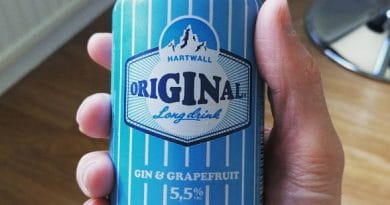
Hartwall Original Long Drink
Market analysts generally consider Hartwall the gold standard. Technical tasting notes indicate a nose dominated by white grapefruit flesh with a palate that is surprisingly dry. Unlike many modern RTD beverages that rely on high sugar content, the Hartwall iteration emphasizes acidity and the crispness of juniper. The finish is clean, mimicking the refreshing qualities of a classic Gin and Tonic without the bitterness of quinine.
Laitilan Gini Long Drink
Laitilan, another prominent Finnish brewery, offers a variation that leans more heavily into the soda elements of the drink. Reviewers often note a "ruby red" grapefruit profile, which is sweeter and less acidic than the white grapefruit used by Hartwall. The juniper notes in this version are frequently described as secondary, making it more accessible to consumers who are not traditional gin drinkers but perhaps less appealing to purists seeking the original 1952 experience.
The RTD Boom and Global Implications
The rise of the Finnish Long Drink coincides with a massive shift in global alcohol consumption patterns. The Ready-to-Drink (RTD) category has seen double-digit growth annually since 2017. Industry data suggests that consumers are increasingly seeking "convenient premiumization"—high-quality cocktails in portable formats.
The long drink occupies a unique niche between the low-calorie hard seltzer market (dominated by brands like White Claw) and the heavier malt-based beverage market. Because the traditional lonkero is spirit-based, it offers a more complex flavor profile than fermented seltzers. However, its refreshing nature allows it to compete in the same "sessionable" drinking occasions.
The success of the drink in international markets like the United Kingdom has been driven by "quirky" or "boutique" bars that market the drink as a cultural curiosity. In Brighton, UK, for instance, the presence of the Finnish Long Drink has become a specific draw for establishments like the Northern Lights bar, where it is marketed as a piece of Finnish heritage rather than just another canned cocktail.
Consumer Adaptation and the DIY Movement
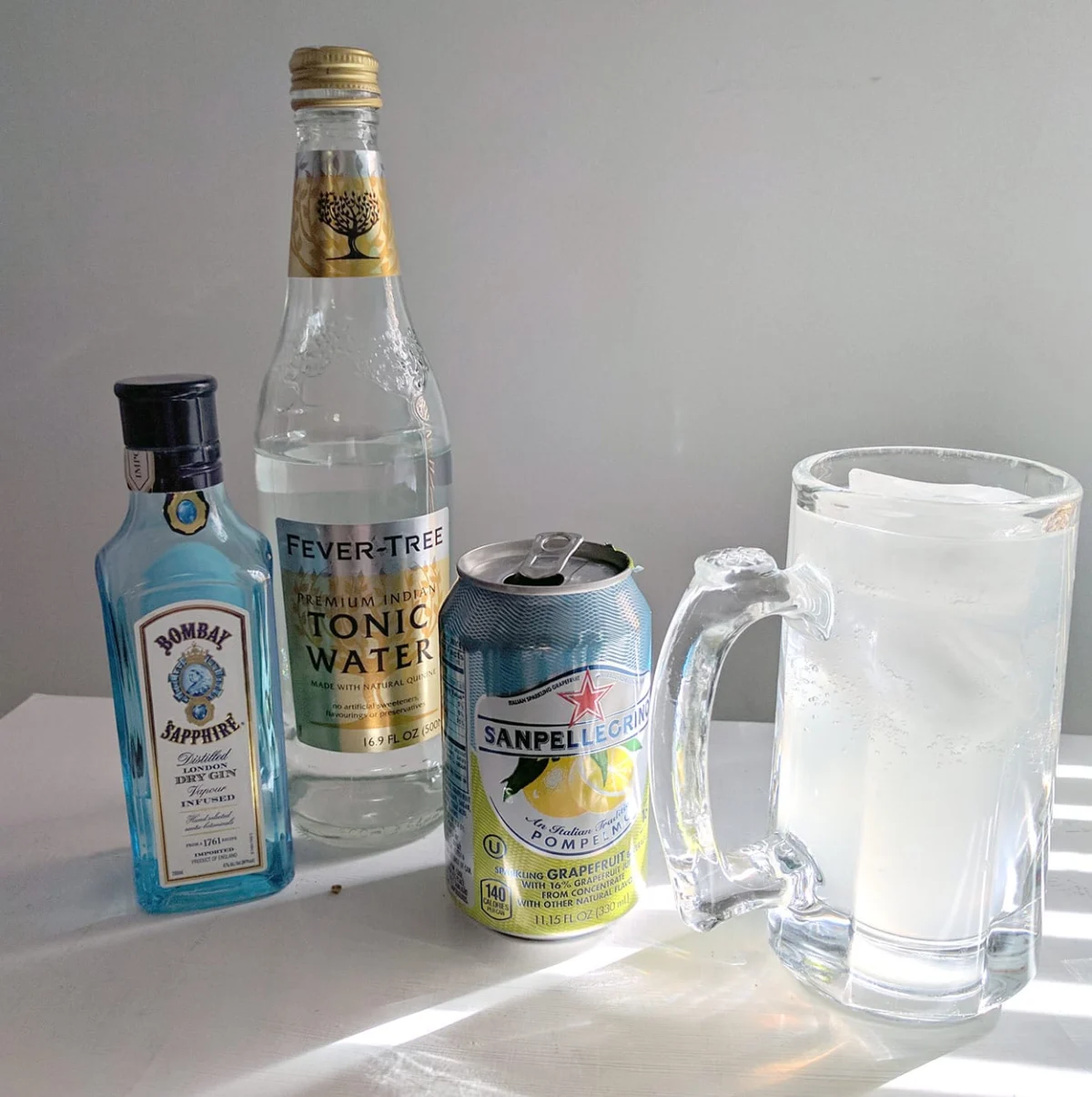
In regions where commercial lonkero is not yet widely available, a "Do-It-Yourself" culture has emerged among enthusiasts. This phenomenon highlights the specific difficulty of replicating the drink’s unique flavor profile using standard household ingredients.
Experimental data from consumer trials suggests the following regarding home-made lonkero:
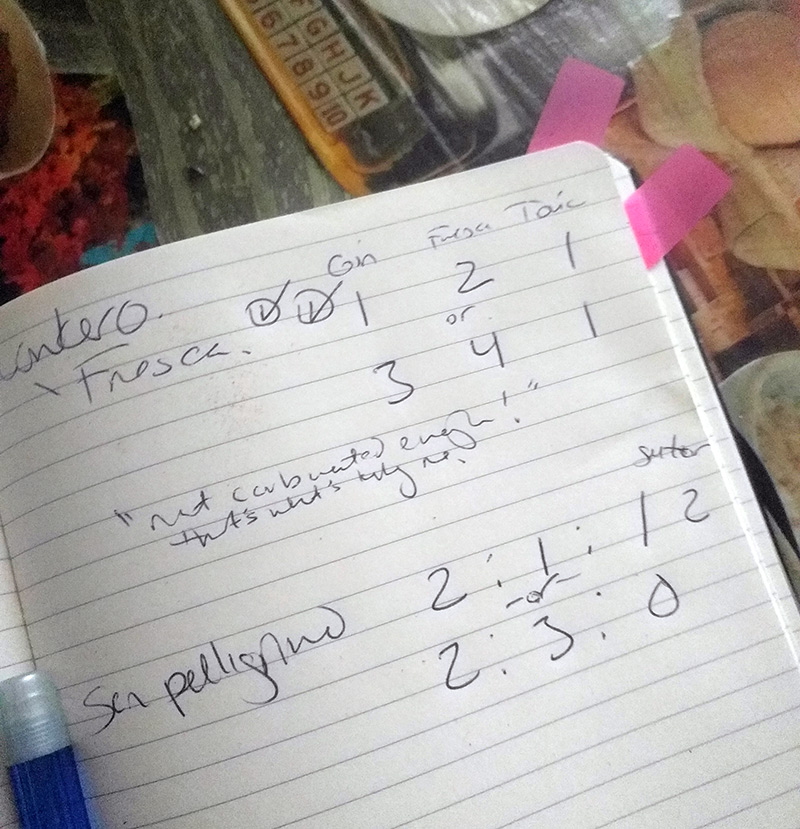
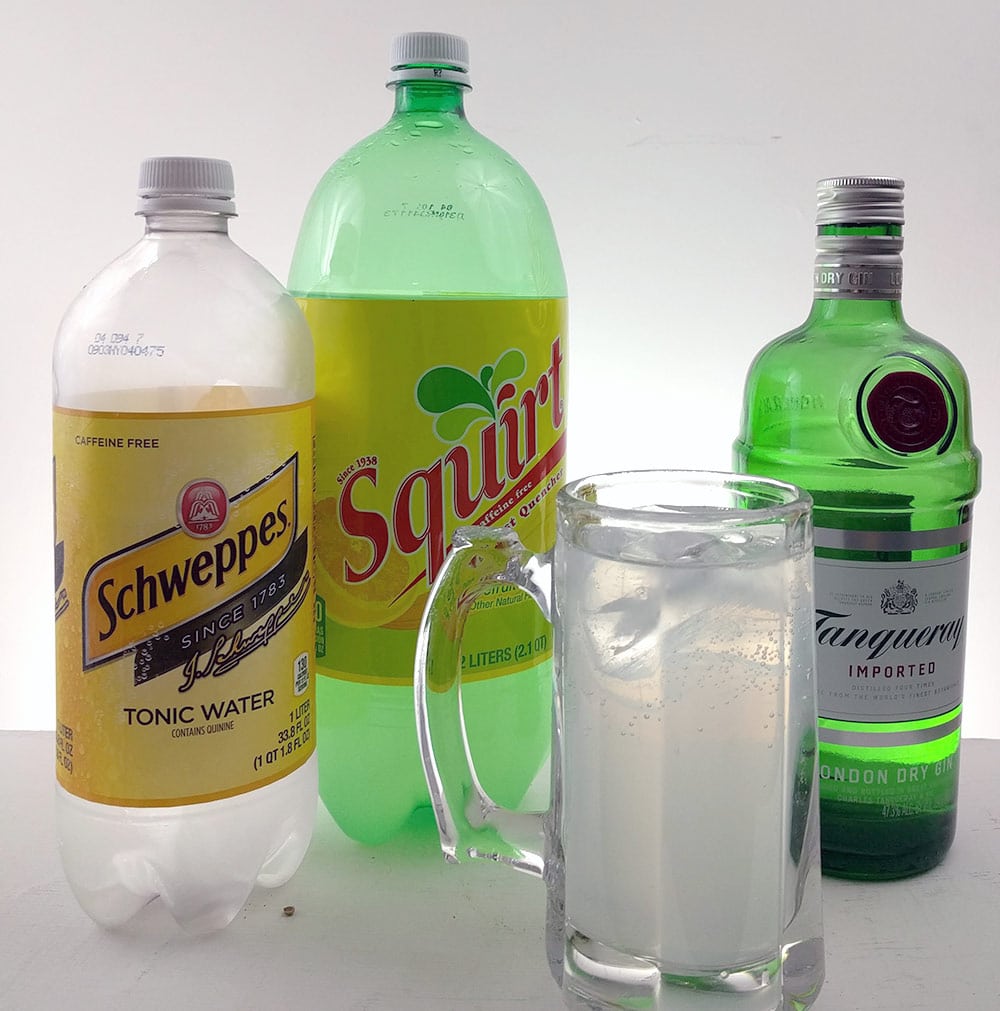
- Soda Selection: Common grapefruit sodas like Squirt (a PepsiCo product) are often cited as too sweet, lacking the dry acidity required for an authentic taste.
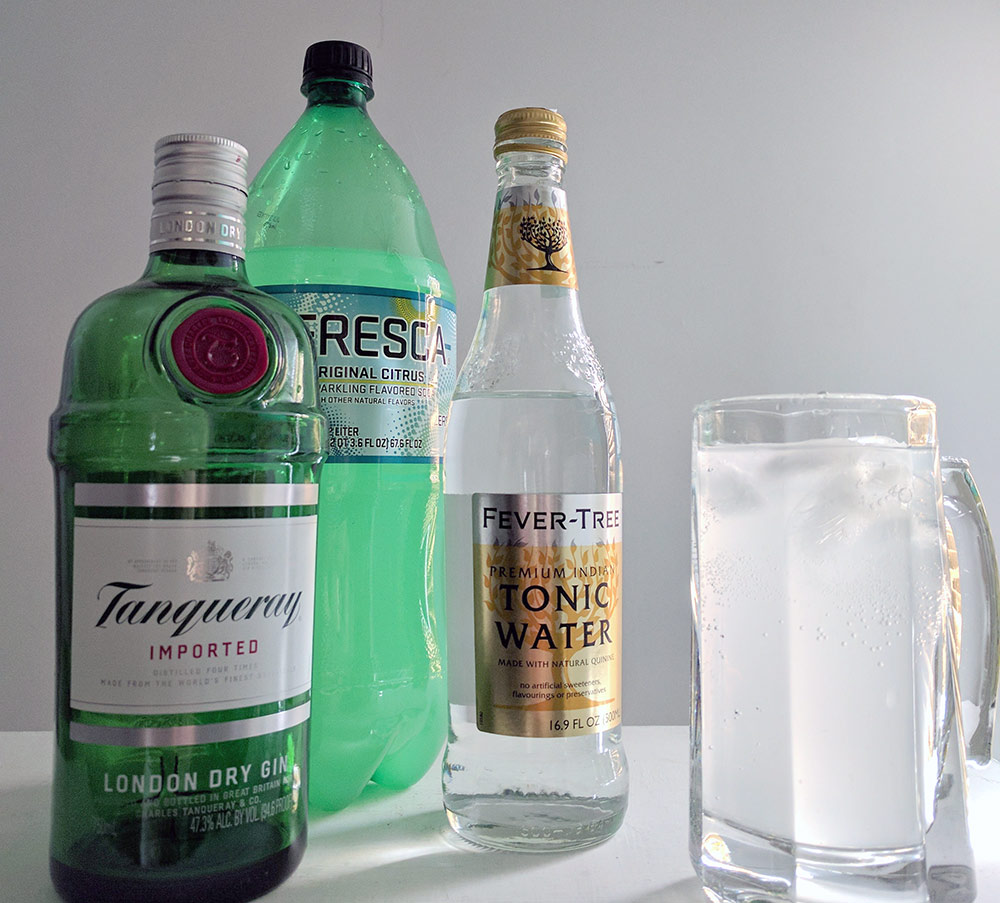
- The "Fresca" Factor: In North America, the Coca-Cola product Fresca—a zero-calorie grapefruit soda—has been identified by enthusiasts as the closest substitute for the Finnish grapefruit base, primarily because it utilizes a blend of citrus oils and juices that mimic the tartness of the original Hartwall recipe.
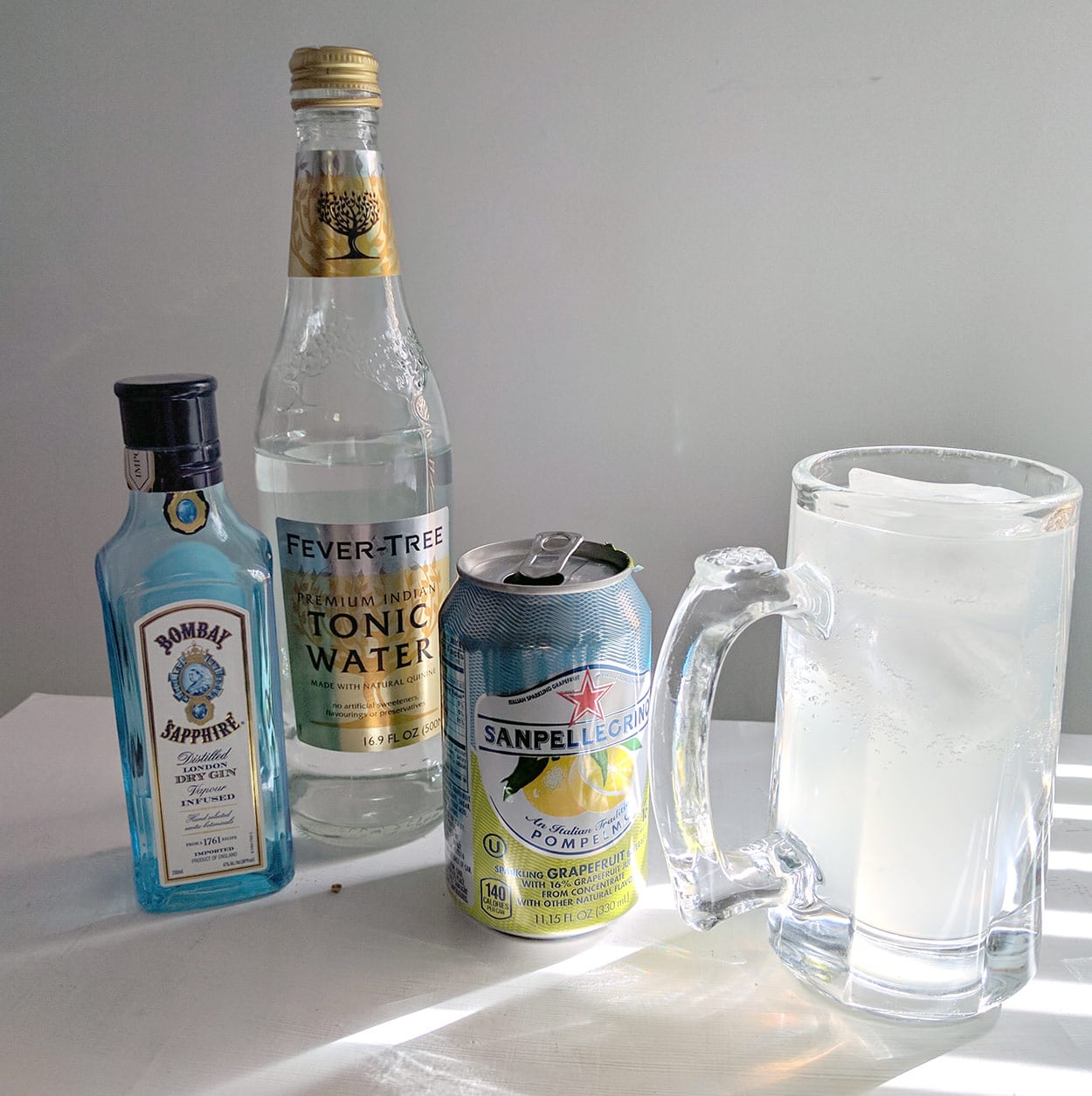
- The Ratio: The most successful recreations typically follow a 3:1 or 4:1 ratio of soda to gin, often with a splash of tonic water or lemon juice to introduce the necessary astringency that plain soda lacks.
Official Responses and Industry Outlook
Hartwall and other Finnish producers have expressed a commitment to protecting the "Long Drink" identity. Much like Champagne or Scotch Whisky, there have been discussions within the Finnish beverage industry regarding the possibility of seeking a Protected Geographical Indication (PGI) for the term "Finnish Long Drink." This would ensure that only drinks produced in Finland according to traditional methods could use the name.
The implications of this expansion are significant for the Finnish economy. Exporting national identity through beverage culture has proven successful for other nations—such as Mexico with Tequila or Italy with the Aperol Spritz. For Finland, the long drink represents an opportunity to export the "Nordic lifestyle," which emphasizes high-quality ingredients, simplicity, and a connection to nature.
As the beverage continues to gain traction in the United States and across Asia, the challenge for producers will be maintaining the integrity of the original 1952 recipe while scaling production to meet global demand. If the current trajectory continues, the Finnish Long Drink is poised to move from a "cult classic" to a staple of the international spirits market, finally fulfilling the promise of the 1952 Olympics to share a piece of Finnish culture with the world.
