

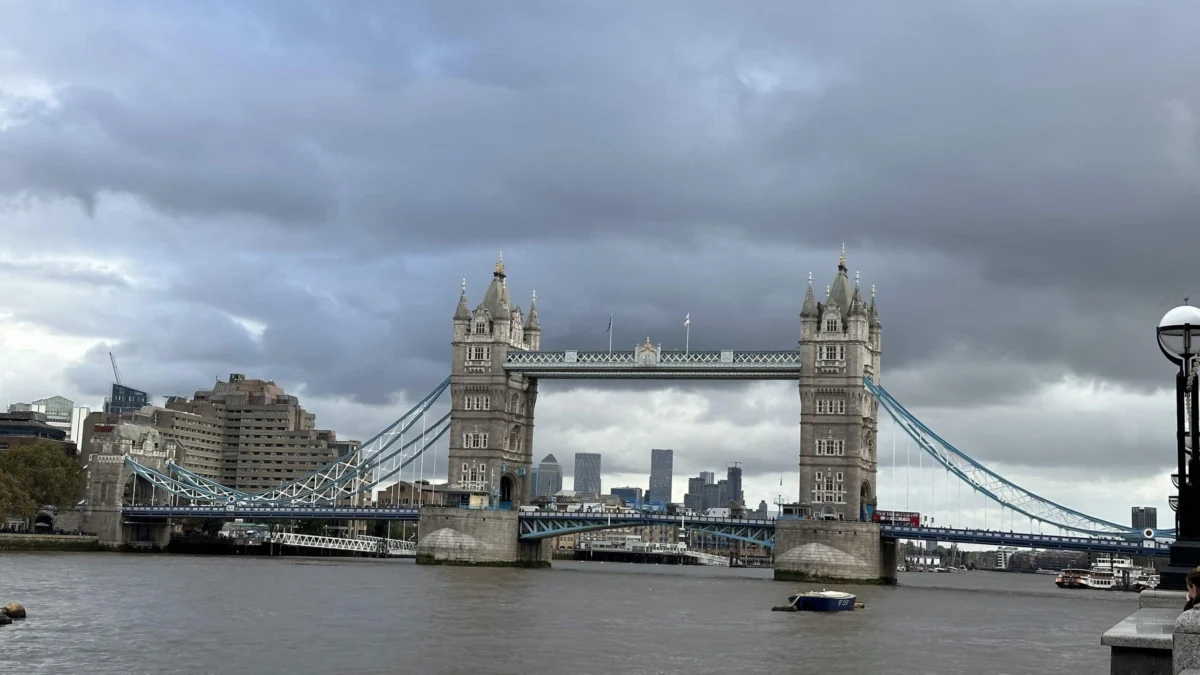
The term London Dry Gin is frequently misinterpreted by consumers as a protected geographical indication, similar to Champagne or Cognac, yet in the modern spirits industry, it represents a rigorous technical standard rather than a point of origin. While the name evokes the misty streets of Victorian England, London Dry Gin can legally be produced anywhere in the world, from the rugged coastlines of Australia to the craft distilleries of the United States and the Highlands of Scotland. This designation serves as a hallmark of quality and a specific method of production that emerged from a necessity to reform a historically dangerous and unregulated industry. Understanding the distinction between the "London" name and the "Dry" process requires a deep dive into the technological advancements of the 19th century, the legal frameworks of the European Union and international trade bodies, and the shifting global landscape of spirit consumption.
The Technical Definition and Legal Framework
To the uninitiated, London Dry Gin might seem like a flavor profile dominated by juniper, but to a distiller, it is a strict set of rules. Unlike "Gin" or "Distilled Gin," the "London Dry" designation carries the most stringent requirements. According to the standards codified in European Union Regulation 110/2008—which remain the benchmark for the category globally—London Gin must be made from a high-quality base of neutral spirit of agricultural origin. This base spirit must be distilled to a minimum strength of 96% alcohol by volume (ABV) before the redistillation process begins.
The defining characteristic of the London Dry process is that all flavors must be imparted through the redistillation of the neutral spirit in traditional stills in the presence of all the natural plant materials (botanicals) used. No artificial flavors or colors can be added after the distillation process. Furthermore, the final product must not contain more than 0.1 grams of sweetening sugars per liter. This lack of sugar is what defines the "Dry" in the name, contrasting sharply with the "Old Tom" gins of the 18th and 19th centuries, which were heavily sweetened to mask the impurities of poorly distilled spirits.
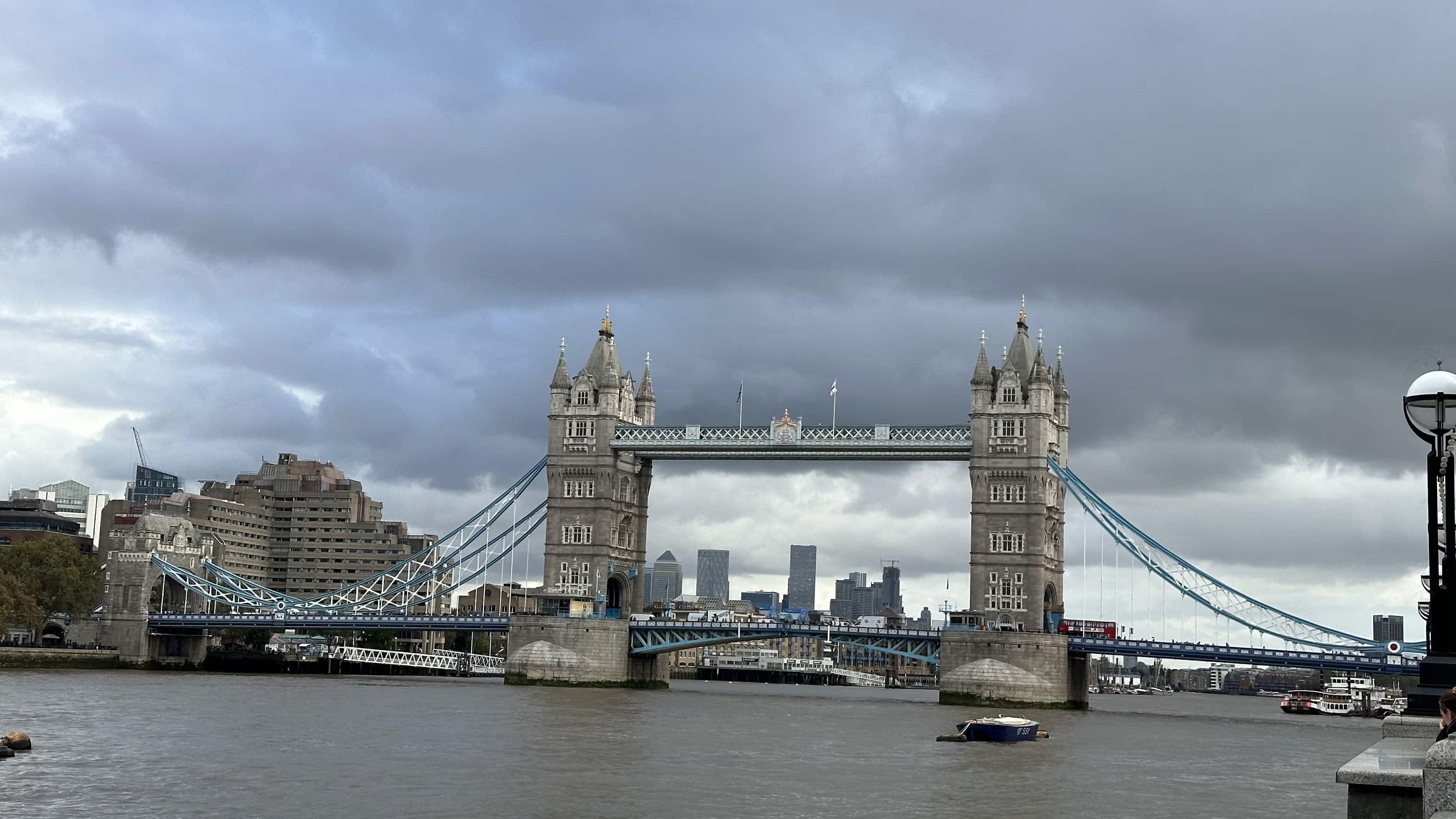
The Technological Revolution: Aeneas Coffey and the 1830s
The transition from the volatile, often toxic gins of the early modern era to the refined London Dry style was made possible by a single technological breakthrough: the Coffey Still. Patented by Aeneas Coffey in 1830, this "continuous still" or "column still" revolutionized the production of ethanol. Prior to this invention, distillers relied on pot stills, which were inefficient and produced spirits with high levels of congeners and impurities. These early spirits often required heavy flavoring—sometimes with hazardous substances—to be palatable.
The Coffey Still allowed for the production of a much purer, neutral spirit at a higher ABV. This neutral base provided a "blank canvas" for distillers, allowing the delicate nuances of juniper, coriander, angelica root, and citrus peel to shine through without the interference of funky, fermented off-notes. By the mid-to-late 19th century, this cleaner style of gin began to gain traction in London’s upscale gin palaces. Because this new, refined spirit did not require the heavy sugar loads used to hide the flaws of pot-still spirits, it was marketed as "Dry."
The Historical Necessity of Quality Control
The evolution toward a standardized "London" style was driven by a desperate need for public safety. In the 18th and early 19th centuries, the "Gin Craze" had left a trail of social devastation across London. During this period, gin was often adulterated with terrifying additives. Historical records, including the 1801 manual Every Man His Own Brewer and Distiller, suggest that some recipes for "London Gin" were nothing more than neutral spirits mixed with turpentine, sulfuric acid, or lime to mimic the bite of juniper and the clarity of a professionally distilled product.
Turpentine, a volatile fluid obtained by the distillation of resin harvested from living trees, is highly toxic and can cause severe kidney damage and central nervous system failure. Its use in gin production was a shortcut to achieving a "woody" or "piney" scent similar to juniper without the expense of actual botanicals. As the 19th century progressed, reputable London distillers sought to distance themselves from these "bathtub" operations. By adopting the "London Dry" label, they were signaling to the consumer that their product was a "distilled" gin, made via a clean process rather than a "compounded" gin made by simply mixing flavors into raw alcohol.

A Chronology of the London Dry Designation
The timeline of the term’s usage reflects the growth of the British Empire and the globalization of trade:
- 1801–1803: The term "London Gin" begins appearing in advertisements and brewing manuals, though it refers more to a style of flavoring than a specific distillation method.
- 1830: Aeneas Coffey patents the column still, providing the technical means to produce neutral grain spirits.
- 1870s–1890s: The term "London Dry Gin" begins to appear in international newspapers. As British distillers exported their products to the colonies, they used the "London" name to capitalize on the city’s reputation as the global center of gin production.
- 1897–1903: Advertisements in Australia and the United States highlight "London Dry Gin" as a premium import, distinguishing it from local, often inferior, "Hogarthian" style spirits.
- 2008: The European Union officially codifies the definition of London Gin in Regulation (EC) No 110/2008, ensuring that the term remains a process-based designation rather than a geographic one.
The Myth of Geography: A Global Production Map
Despite the name, some of the world’s most famous and prestigious London Dry Gins are produced far from the sound of Bow Bells. The industry has seen a massive shift in production centers, driven by corporate acquisitions and the rise of the global craft spirits movement.
One of the most notable examples is Tanqueray. While Charles Tanqueray established his distillery in Bloomsbury, London, in 1830, the production of this iconic London Dry Gin moved to Cameronbridge in Scotland following the destruction of the London distillery during World War II. Today, Tanqueray is proudly a London Dry Gin, despite being distilled in the Scottish Highlands.
Other prominent examples of the London Dry style being produced internationally include:

- No. 3 Gin: Although it is the house gin of Berry Bros. & Rudd, London’s oldest wine and spirit merchant, it is distilled in the Netherlands, the ancestral birthplace of gin’s predecessor, Genever.
- Astraea Meadow Gin: A highly-rated craft spirit produced in the United States, utilizing the London Dry process to highlight American botanicals.
- Australian Distilling Co.: This producer utilizes the London Dry method to create spirits that feature native Australian botanicals like lemon myrtle and Tasmanian pepperberry.
- Belgravia Gin: A leading brand in South Africa that adheres to the London Dry standards while serving the African market.
Industry Implications and the "London" Branding Power
The decision to keep "London Dry" as a process-based name rather than a geographic one has had significant implications for the global spirits market. If the term had been restricted to the city of London—similar to how Scotch Whisky must be made in Scotland—it is likely that the gin category would not have seen the explosive growth of the last two decades.
By allowing the name to represent a standard of purity, the industry created a "gold standard" that distillers worldwide could aspire to. Industry analysts suggest that the "London" branding provides an immediate sense of heritage and reliability to consumers, even when the distillery is located in a different hemisphere. This has allowed the "Gin-naissance" to flourish, as craft distillers use the London Dry framework to ensure quality while experimenting with local ingredients.
However, some traditionalists within the UK have occasionally lobbied for a "London Gin" PGI (Protected Geographical Indication) that would require the spirit to be made within the M25 motorway. These efforts have largely been unsuccessful because many of the largest and most historic "London" brands moved their operations out of the city decades ago due to space and logistical constraints. Restricting the name would have effectively de-branded some of the UK’s most successful exports.
Modern Market Analysis and Future Trends
The London Dry category currently faces competition from the "New Western" or "Contemporary" gin styles, which often prioritize bold botanical flavors over the traditional juniper-forward profile. These contemporary gins frequently utilize post-distillation additives, such as macerated fruits or essences, which disqualifies them from using the London Dry label.

Despite this, the demand for London Dry remains robust. In the high-end cocktail sector, bartenders continue to favor London Dry for classic drinks like the Martini and the Negroni because of its predictable, clean structure and lack of added sugar. Data from the Wine and Spirit Trade Association (WSTA) indicates that while flavored gins saw a massive surge in the late 2010s, the "classic" London Dry segment has shown the most resilience and long-term growth among "connoisseur" consumers.
As the industry moves forward, the London Dry designation stands as a testament to the 19th-century transition from "survival spirits" to "luxury spirits." It remains one of the few examples in the world of food and drink where a geographic name has successfully transitioned into a universal symbol of technical excellence. Whether distilled in the heart of London or the plains of South Africa, the label assures the consumer of one thing: a pure, unsweetened spirit where the craft lies entirely in the art of the still.
