

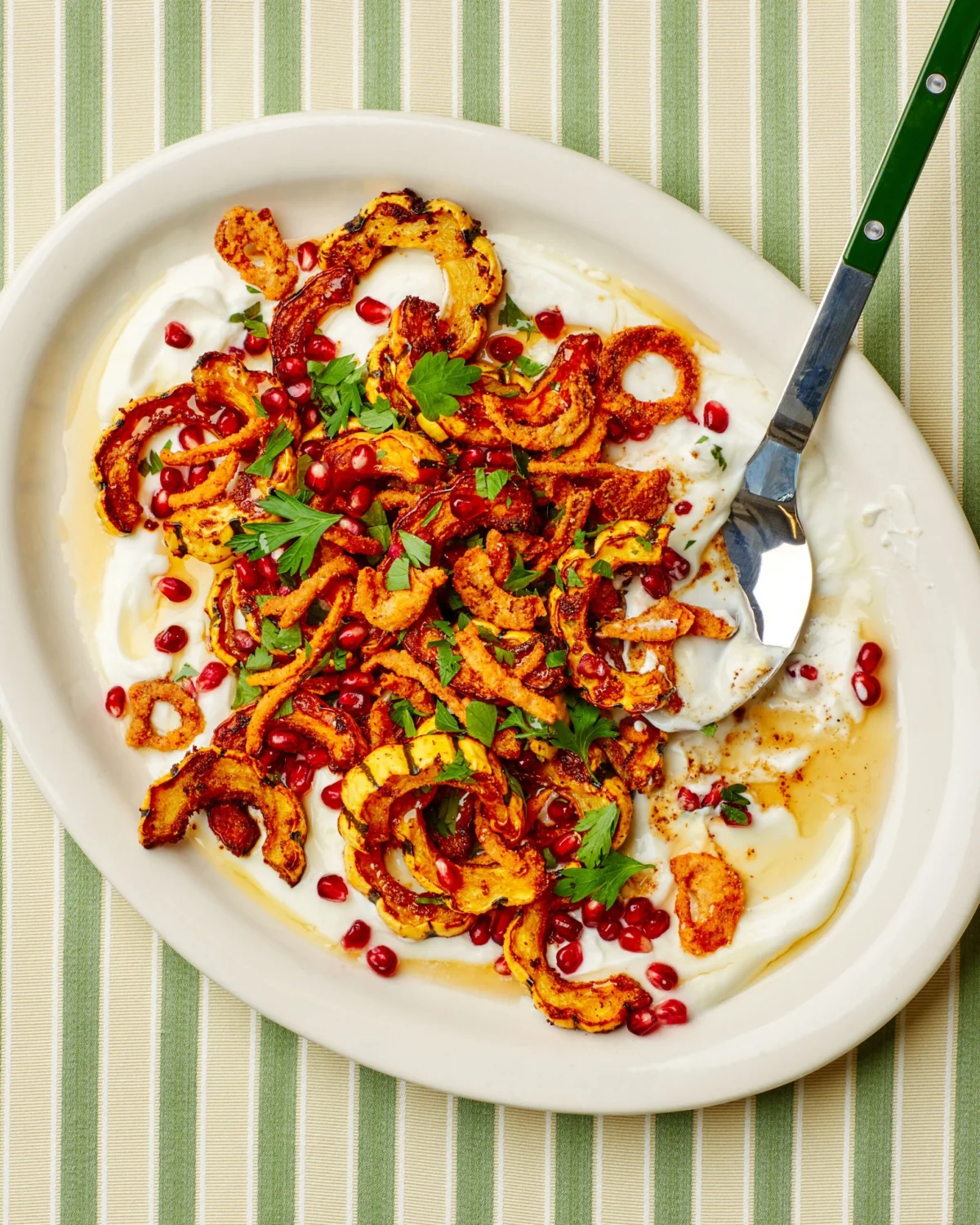
The contemporary understanding of a "healthy" Thanksgiving meal is undergoing a significant redefinition, moving beyond mere caloric restriction to embrace a holistic approach centered on balance, flavor, and diverse nutritional profiles. This paradigm shift suggests that culinary well-being during the holiday is not about eschewing traditional indulgences like rich gravies or decadent pies, but rather about strategically integrating elements that create equilibrium on the plate. The philosophy champions the interplay of contrasting textures and tastes—such as crisp, slightly bitter greens complementing creamy mashed potatoes, or tart cranberries cutting through the richness of turkey gravy—to enhance the overall dining experience while simultaneously boosting nutrient density. Incorporating a wider array of beans, whole grains, and a spectrum of colorful vegetables transforms a meal that can often be visually and nutritionally monochromatic into a vibrant, flavorful, and varied spread.
A Historical Perspective on the Thanksgiving Table’s Evolution
Thanksgiving, as a widely celebrated American tradition, carries a culinary legacy that has profoundly evolved since its purported origins. The inaugural harvest feasts in the 17th century, such as the 1621 Plymouth gathering, likely featured indigenous wild game like deer and wild fowl, alongside native produce such as corn, beans, squash, and cranberries, prepared with simple methods reflecting the available resources. These early meals were fundamentally connected to the land and the season, emphasizing sustenance and communal gratitude.
As the holiday became more formalized and widely celebrated in the 19th and 20th centuries, particularly after President Lincoln declared it a national holiday in 1863, the Thanksgiving menu began to solidify into what many recognize today. The advent of industrial food production, refrigeration, and improved transportation systems in the early to mid-20th century facilitated the widespread availability of ingredients that contributed to richer, more complex dishes. Turkey became the undisputed centerpiece, often accompanied by elaborate stuffings, gravies thickened with flour, candied sweet potatoes, green bean casseroles with processed ingredients, and a variety of butter-laden baked goods. This era often prioritized abundance and richness as symbols of prosperity and celebration, with less emphasis on the nutritional balance of the meal as a whole.
The latter half of the 20th century and the dawn of the 21st century witnessed a growing public awareness of diet and health. Concerns about heart disease, obesity, and diabetes spurred a reevaluation of dietary habits, including those associated with holiday feasting. This period marked the beginning of a conscious effort to lighten traditional recipes, reduce saturated fats, and increase fiber content, laying the groundwork for the modern approach to a balanced Thanksgiving.
Redefining "Healthy": Beyond Calorie Counting
The contemporary definition of a "healthy" Thanksgiving transcends the simplistic notion of calorie reduction. Instead, it advocates for a sophisticated balance of macronutrients, micronutrients, and sensory experience. Nutrition experts emphasize that true health benefits derive from a diverse intake of whole foods, and Thanksgiving offers a prime opportunity to showcase this. "The goal is not deprivation, but intelligent integration," states Dr. Eleanor Vance, a public health nutritionist. "By focusing on nutrient-dense ingredients and thoughtful preparation, one can achieve both indulgence and well-being."
This approach encourages the strategic inclusion of ingredients that provide essential dietary fiber, lean protein, and a broad spectrum of vitamins and minerals. For instance, incorporating crisp, bitter greens like radicchio or endive into a salad not only offers a refreshing counterpoint to the richness of creamy mashed potatoes but also delivers vital antioxidants and digestive enzymes. Similarly, tart cranberries, whether in a fresh sauce or a relish, provide not only a burst of flavor but also vitamin C and phytonutrients that can mitigate the heaviness of rich turkey gravy.
Key Nutritional Pillars for a Balanced Feast
Achieving a balanced Thanksgiving meal hinges on prioritizing several key nutritional components:
- Fiber: Often overlooked, dietary fiber is crucial for digestive health, satiety, and blood sugar regulation. A typical American diet often falls short of the recommended 25-30 grams of fiber per day. Thanksgiving provides an excellent opportunity to boost fiber intake through whole grains (e.g., wild rice stuffing, quinoa salads), legumes (e.g., roasted chickpeas, lentil-based dishes), and an abundance of vegetables (e.g., roasted Brussels sprouts, green beans, sweet potatoes). Data from the U.S. Department of Agriculture indicates that average fiber intake for adults is significantly below recommended levels, making holiday meals an important chance to bridge this gap.
- Protein: Essential for muscle repair, satiety, and metabolic function, protein forms a cornerstone of any balanced meal. While turkey is a traditional source of lean protein, the modern Thanksgiving table increasingly features diverse protein options. Plant-forward mains, such as savory lentil loaves, mushroom wellingtons, or substantial bean stews, offer excellent protein alternatives or complements, catering to varied dietary preferences.
- Vitamins and Minerals: The vibrant colors of fruits and vegetables are indicators of their rich vitamin and mineral content. Sweet potatoes are a powerhouse of Vitamin A; dark leafy greens like kale and collards offer Vitamins K and C, as well as essential minerals like iron and calcium. Incorporating a wide variety of seasonal produce ensures a broad intake of these vital micronutrients, supporting immune function and overall physiological well-being.
- Healthy Fats: While Thanksgiving is often associated with high-fat dishes, the emphasis is shifting towards incorporating healthy fats from sources like nuts, seeds, avocados, and olive oil. These unsaturated fats are crucial for brain health, hormone production, and nutrient absorption, offering a beneficial alternative to excessive amounts of saturated and trans fats.
Accommodating Diverse Dietary Needs: A Modern Imperative
The contemporary Thanksgiving table is increasingly defined by its inclusivity, reflecting a broader societal trend towards diverse dietary preferences and medical necessities. The rise of vegan, gluten-free, and dairy-free diets has transformed holiday meal planning from a niche concern into a mainstream consideration. Recent surveys indicate that a significant percentage of the population identifies with specific dietary restrictions or preferences, with plant-based eating showing substantial growth. For instance, a 2020 study by the Plant Based Foods Association reported significant increases in sales of plant-based foods, underscoring a growing consumer base for such options. Similarly, the prevalence of celiac disease and non-celiac gluten sensitivity means that gluten-free options are no longer just a courtesy but a necessity for many.
This shift has spurred culinary innovation, moving beyond simple substitutions to creating genuinely delicious and satisfying alternatives. Hosts are now often challenged to provide options that cater to everyone without compromising on flavor or festivity. Examples include:
- Plant-Forward Mains: Beyond the traditional turkey, dishes like hearty mushroom and lentil roasts, stuffed squash, or elaborate vegetable tarts serve as equally celebratory centerpieces for vegan guests.
- Gluten-Free Alternatives: Crafting stuffing with gluten-free bread, thickening gravies with cornstarch or arrowroot powder instead of flour, and ensuring cross-contamination is avoided are crucial steps.
- Dairy-Free Options: Using plant-based milks and butters in mashed potatoes, casseroles, and desserts allows for creamy textures without dairy.
- Allergen-Friendly Desserts: Developing recipes for pies and cakes that are free from common allergens like nuts, dairy, and gluten ensures that the dessert course remains a joyful experience for all.
"The beauty of modern Thanksgiving is its adaptability," comments Chef Marcus Thorne, known for his work in inclusive culinary arts. "It’s about demonstrating care and respect for all guests by offering choices that are both delicious and safe."
Expert Perspectives and Culinary Trends
Culinary professionals and nutritionists widely endorse this evolving approach to Thanksgiving. They highlight several trends that are shaping how holiday meals are conceived and executed:
- Mindful Eating: Beyond what is eaten, how it is eaten is gaining prominence. Experts advocate for mindful eating practices, encouraging slower consumption, savoring flavors, and paying attention to hunger and fullness cues. This helps prevent overconsumption and enhances appreciation for the meal.
- Seasonal and Local Sourcing: A renewed emphasis on fresh, seasonal, and locally sourced ingredients not only supports regional economies but also ensures peak flavor and nutritional value. This trend aligns with the historical roots of Thanksgiving as a harvest festival.
- Global Influences: While traditional, Thanksgiving dishes are increasingly infused with international flavors and techniques, adding new dimensions to classic recipes. Spices, herbs, and cooking methods from various cultures can elevate familiar dishes.
- Sustainability: The environmental impact of food choices is a growing concern. Plant-forward dishes, reduced meat consumption, and strategies to minimize food waste are becoming integral to a responsible holiday feast. The U.S. Environmental Protection Agency estimates that food waste is a significant contributor to landfills, and holidays often exacerbate this issue. Thoughtful meal planning and creative repurposing of leftovers are critical.
The Broader Impact: Health, Inclusivity, and Sustainability
The embrace of a balanced and inclusive Thanksgiving carries profound implications across several dimensions:
- Health Outcomes: By integrating more fiber, lean protein, and diverse micronutrients, individuals can mitigate the common post-holiday lethargy and digestive discomfort often associated with overindulgence. This mindful approach fosters healthier eating habits that can extend beyond the holiday season.
- Enhanced Inclusivity: Ensuring that guests with dietary restrictions or preferences have delicious and safe options creates a welcoming and stress-free environment for everyone. It reinforces the spirit of togetherness and gratitude, allowing all to partake fully in the celebration.
- Environmental Sustainability: Reducing reliance on resource-intensive ingredients, minimizing food waste through careful portioning and creative leftover utilization, and incorporating more plant-based options contribute to a more sustainable food system. This aligns with broader efforts to address climate change and promote ecological responsibility.
Practical Strategies for a Balanced Thanksgiving
Implementing these principles requires thoughtful planning and execution. Key strategies include:
- Prioritize Produce: Make vegetables and fruits the stars of the meal. Offer a diverse range of roasted, steamed, and fresh options.
- Whole Grains and Legumes: Incorporate whole grains into stuffing or salads, and use legumes in side dishes or plant-based mains.
- Mindful Preparation: Opt for leaner cooking methods like roasting, grilling, or baking over frying. Use healthy fats judiciously.
- Strategic Sweeteners: When preparing cranberry sauce or desserts, consider using natural sweeteners or reducing added sugars.
- Portion Awareness: Encourage mindful portioning by offering smaller serving spoons and a variety of dishes so guests can sample many options without overfilling their plates.
- Creative Leftovers: Plan for repurposing leftovers into healthy meals for the days following Thanksgiving, reducing waste and extending the holiday flavors.
In conclusion, the modern Thanksgiving feast represents a convergence of tradition, nutritional science, and societal values. It is a testament to the idea that celebration need not come at the expense of well-being or inclusivity. By embracing balance, diversity, and mindful preparation, the holiday table transforms into a space where deliciousness, health, and heartfelt hospitality coexist, reflecting a more informed and compassionate approach to one of America’s most cherished annual gatherings.
