


Meatloaf, a quintessential comfort food deeply embedded in global culinary traditions, has undergone a remarkable evolution, transforming from a simple, economical family staple into a versatile dish reflecting modern dietary preferences and innovative cooking techniques. This collection of recipes highlights this dynamic shift, showcasing variations that prioritize leaner proteins, incorporate diverse vegetables, explore international flavors, and leverage contemporary kitchen appliances for enhanced convenience and nutritional value.

A Historical Perspective on a Global Comfort Food
The concept of combining ground meat with binders and seasonings, then forming and baking it, dates back centuries. Early European variations, such as medieval meat patties and forcemeats, laid the groundwork for what would become modern meatloaf. In the United States, meatloaf gained significant popularity during the Great Depression, when it served as an ingenious way to stretch limited meat supplies with inexpensive fillers like breadcrumbs, oats, and vegetables. It became a symbol of resourcefulness and a comforting presence on dinner tables, typically featuring ground beef, a simple tomato or ketchup glaze, and often served alongside mashed potatoes. Its reputation as a hearty, budget-friendly meal solidified its place in American culinary heritage.

Over the decades, meatloaf remained a beloved dish, yet its perception often lagged behind evolving nutritional guidelines and culinary trends. Traditional recipes, while flavorful, sometimes leaned heavily on higher-fat meats and lacked the diverse nutritional profiles sought by health-conscious consumers. The challenge for contemporary cooks and food innovators has been to retain the nostalgic comfort of meatloaf while adapting it to meet modern demands for healthier ingredients, global flavors, and time-efficient preparation methods.
Innovating with Leaner Proteins and Enhanced Nutrition

A significant trend in modern meatloaf preparation is the conscious shift towards leaner protein sources. Ground turkey, in particular, has emerged as a favored alternative to traditional ground beef, offering a lower saturated fat content without compromising on flavor or texture when prepared correctly. Recipes like "The Best Turkey Meatloaf" exemplify this approach, utilizing juicy ground turkey, aromatic onions, eggs, and breadcrumbs, often topped with a tangy Worcestershire ketchup glaze. This foundational turkey meatloaf demonstrates how a classic can be subtly re-engineered for a healthier profile.
Beyond single-protein options, some recipes ingeniously blend different meats to achieve a balanced flavor and texture. "Meatloaf and Brown Gravy," for instance, combines ground beef with ground turkey and nutritious oats. This hybrid approach allows for the richness of beef while still benefiting from the leaner aspects of turkey, creating a hearty yet health-conscious meal often accompanied by a savory brown gravy. Nutritionists frequently advocate for incorporating lean proteins and increasing vegetable intake, and these modernized meatloaf recipes align perfectly with such recommendations. The inclusion of oats not only acts as an effective binder but also contributes dietary fiber, further enhancing the nutritional value.

Integrating Vegetables for Moisture and Micronutrients
Another cornerstone of contemporary meatloaf innovation is the strategic integration of various vegetables. This practice serves multiple purposes: it boosts the dish’s nutritional content with added vitamins, minerals, and fiber, and it significantly contributes to the meatloaf’s moisture, preventing it from drying out during cooking.

- Zucchini: Recipes such as "Turkey Meatloaf with Zucchini" highlight how grated zucchini can render the meatloaf exceptionally moist and tender. This vegetable, known for its high water content, seamlessly blends into the mixture, often becoming imperceptible to picky eaters while providing a substantial nutritional upgrade.
- Sweet Potato: For those seeking gluten-free alternatives or an added nutritional punch, sweet potatoes offer an excellent solution. "Sweet Potato Turkey Meatloaf" replaces traditional breadcrumbs with vitamin-rich, high-fiber sweet potatoes. This not only makes the dish gluten-free and dairy-free but also infuses it with natural sweetness and a vibrant color.
- Spinach and Cheese: The "Cheese Stuffed Turkey Meatloaf" showcases a creative way to incorporate greens. By stuffing the meatloaf with cheddar cheese and spinach, the recipe delivers a delightful burst of flavor and a hidden dose of iron and other nutrients, all encased within a savory loaf. This "jelly roll" style preparation ensures an even distribution of the filling.
- Beans and Corn: Embracing global influences, the "Enchilada Turkey Meatloaf" infuses Mexican-inspired flavors with a mix of sweet corn, black beans, cilantro, and green chilies. Smothered in enchilada sauce and melty cheese, this variation is a testament to how meatloaf can be a canvas for diverse culinary traditions while packing in additional plant-based proteins and fibers.
These examples underscore a broader culinary trend where "hidden" vegetables are integrated into familiar dishes, making healthy eating more accessible and enjoyable, particularly for families.
Exploring Diverse Flavor Profiles

The traditional ketchup glaze, while iconic, is just one of many possibilities for meatloaf toppings and internal flavorings. Modern meatloaf recipes venture into a spectrum of tastes, from zesty and spicy to smoky and savory.
- Harissa: "Skillet Harissa Turkey Meatloaf" introduces Moroccan flair, incorporating zesty harissa sauce both into the meat mixture and as a glaze. This 30-minute skillet dinner demonstrates how international spices can elevate a humble dish, offering a quick and flavorful weeknight option.
- Enchilada Sauce: As mentioned, the enchilada-flavored meatloaf transports the dish to a Tex-Mex culinary landscape, utilizing a ready-made sauce to simplify preparation while delivering complex, zesty notes.
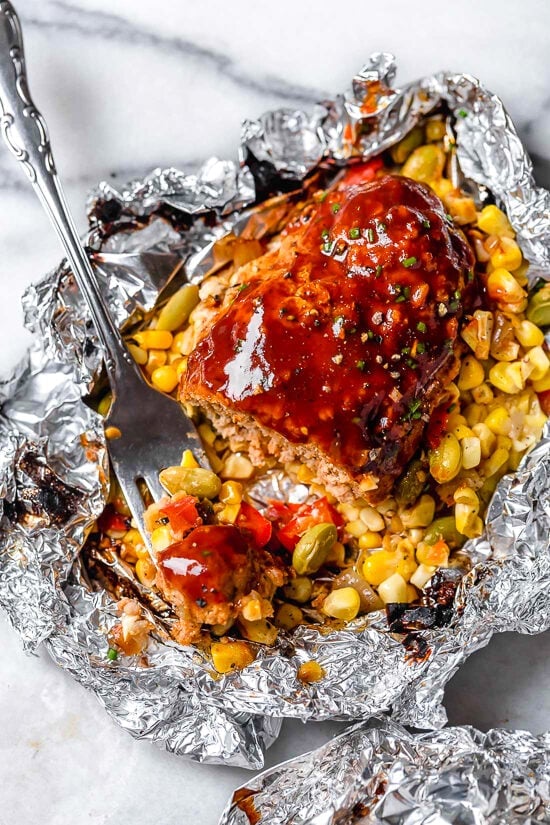
- BBQ Sauce: For a smoky, tangy twist, "Campfire Dinner Meatloaf Foil Packets" feature individual turkey meatloaves slathered with BBQ sauce. This variation is particularly notable for its cooking method, ideal for outdoor cooking or a simplified indoor sheet pan meal.
- Brown Gravy: While classic, the brown gravy served with the beef and turkey blend meatloaf adds a layer of deep, umami richness, providing a comforting counterpoint to the lean meat.
These varied flavor profiles illustrate the dish’s adaptability, allowing cooks to experiment with ingredients readily available in most pantries or to explore more adventurous culinary horizons.
Modern Cooking Methods for Convenience and Efficiency
The evolution of kitchen technology has also profoundly impacted meatloaf preparation, with new methods offering increased convenience, faster cooking times, and even improved texture.
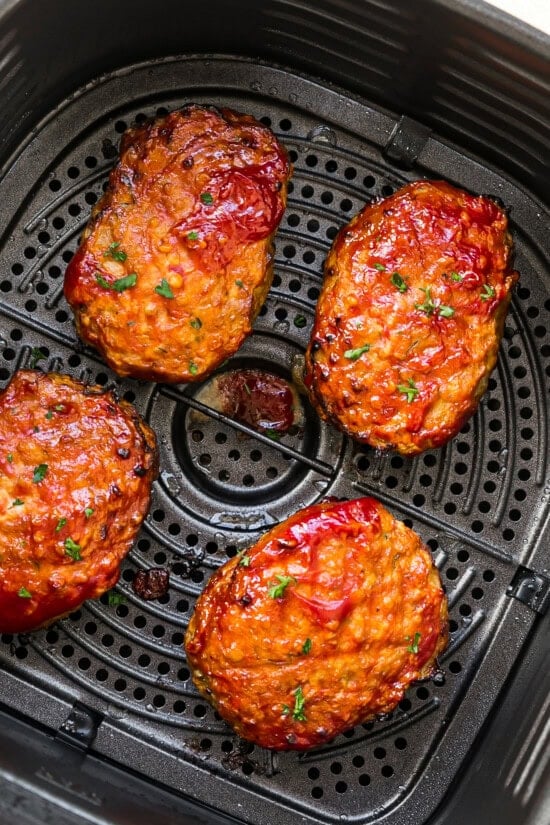
- Air Fryer: The "Air Fryer Turkey Meatloaf" is a game-changer for weeknight dinners. Air fryers, known for their ability to cook food quickly and achieve a crispy exterior, produce a perfectly moist meatloaf in roughly half the time of conventional oven baking. This method is particularly appealing for smaller households or for individuals seeking quick meal solutions.
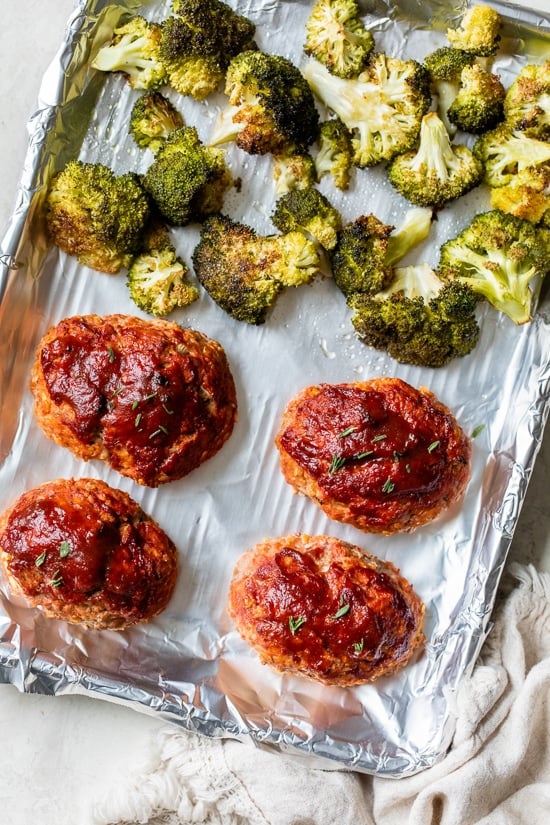
- Sheet Pan Meals: "Sheet Pan Turkey Meatloaf and Broccoli" embodies the popular sheet pan dinner concept, offering a complete meal with minimal cleanup. Individual meatloaves are cooked alongside tender-crisp roasted broccoli on a single foil-lined pan, making it an efficient and wholesome option for busy families.
- Individual Portions: The trend towards portion control and faster cooking is evident in recipes like "Petite Turkey Meatloaves" and "Campfire Dinner Meatloaf Foil Packets." Cooking meatloaf in smaller, individual portions significantly reduces cooking time and simplifies serving. "Meatloaf Cupcakes with Mashed Potato Frosting" even transforms the dish into a fun, visually appealing format, particularly popular with children. These smaller forms also allow for greater experimentation with different glazes or toppings for each individual serving.
The adoption of these methods reflects a broader societal demand for meals that are not only nutritious and flavorful but also fit seamlessly into fast-paced lifestyles.
Ensuring Structural Integrity and Moisture Retention

Two common challenges in meatloaf preparation are preventing it from falling apart and ensuring it remains moist. Culinary experts offer several tips for achieving the perfect meatloaf:
- Binders: A combination of eggs and a binding agent—such as breadcrumbs, oats, or even mashed sweet potato—is crucial for holding the mixture together. The specific ratio can vary, and adhering to the recipe’s recommendations for binders is key. For gluten-free options, gluten-free breadcrumbs or starchy vegetables like sweet potato work effectively.
- Moisture-Rich Ingredients: Beyond lean meat, ingredients like finely grated vegetables (zucchini, carrots, bell peppers), sautéed onions, or even a splash of milk or broth contribute essential moisture. The fat content in the meat also plays a role; while lean meats are preferred for health, ensuring enough moisture from other sources is vital.
- Gentle Mixing: Overmixing the meatloaf mixture can lead to a tough texture. Gently combine ingredients until just incorporated to maintain a tender crumb.
- Resting Period: Allowing the meatloaf to rest for 10-15 minutes after baking is a critical step. This allows the juices to redistribute throughout the loaf, resulting in a more tender and flavorful slice and helping it to hold its shape better.
Serving Suggestions and Complementary Sides

The versatility of meatloaf extends to its accompaniments. While mashed potatoes remain a classic and beloved pairing, offering a creamy contrast to the savory meat, modern culinary trends encourage exploring diverse and often healthier side dishes.
- Classic Comfort: Creamy garlic mashed potatoes provide a timeless pairing, evoking nostalgic comfort.
- Lighter Alternatives: For those seeking a lower-carb or calorie-conscious option, cauliflower mash offers a surprisingly similar texture and a mild flavor that complements meatloaf well.
- Vegetable Medleys: Roasted broccoli with smashed garlic, air fryer green beans, or a crisp green salad provide essential fiber and micronutrients, balancing the richness of the meatloaf. Summer succotash, as seen with the Campfire Meatloaf, adds a seasonal touch with corn, beans, and other vegetables.
- Global Pairings: For international variations, sides can be adapted. For instance, the Enchilada Turkey Meatloaf could be served with a side of brown rice and a fresh salsa, while the Harissa Turkey Meatloaf might be accompanied by couscous or a simple cucumber and tomato salad.
These pairings highlight how meatloaf can be integrated into a balanced and appealing meal, catering to various dietary needs and taste preferences.

Storage and Freezing for Meal Preparation
Meatloaf’s inherent stability and robust flavor profile make it an excellent candidate for meal preparation and freezing, enhancing its appeal for busy individuals and families.

- Refrigeration: Leftover meatloaf can be stored in an airtight container in the refrigerator for up to 3-4 days, maintaining its quality and flavor for quick reheating.
- Freezing Cooked Meatloaf: Cooked and cooled meatloaf slices or whole loaves can be tightly wrapped in plastic wrap and then foil, or placed in freezer-safe bags, and frozen for up to 3 months. Thawing in the refrigerator overnight and reheating gently in the oven or microwave ensures a convenient future meal.
- Freezing Uncooked Meatloaf: For maximum convenience, uncooked meatloaf mixture can also be prepared, formed into a loaf or individual portions, and frozen. Wrap it securely to prevent freezer burn and thaw completely in the refrigerator before baking as directed. This allows for fresh-baked meatloaf with minimal effort on a busy day.
The ability to store and freeze meatloaf efficiently reinforces its status as a practical, family-friendly meal solution, minimizing food waste and maximizing convenience.
Broader Impact and Culinary Implications
The ongoing evolution of meatloaf serves as a microcosm of broader culinary trends. It reflects a societal shift towards healthier eating without sacrificing the emotional connection to comfort foods. The integration of lean proteins, a wider array of vegetables, and diverse flavor profiles demonstrates a globalized palate and a greater awareness of nutritional science. The embrace of modern appliances like air fryers and the popularity of sheet pan meals underscore the demand for efficiency and simplicity in home cooking.
Furthermore, the continuous re-invention of dishes like meatloaf highlights the role of culinary resources and food blogs in disseminating innovative recipes and practical cooking advice. These platforms act as catalysts, encouraging home cooks to experiment, adapt, and personalize classic dishes to suit their contemporary lifestyles and preferences.

In conclusion, meatloaf, a dish with deep historical roots, has successfully navigated the complexities of modern culinary demands. Its adaptability, combined with innovative approaches to ingredients and cooking methods, ensures its continued relevance as a versatile, comforting, and increasingly nutritious meal option for generations to come.
