

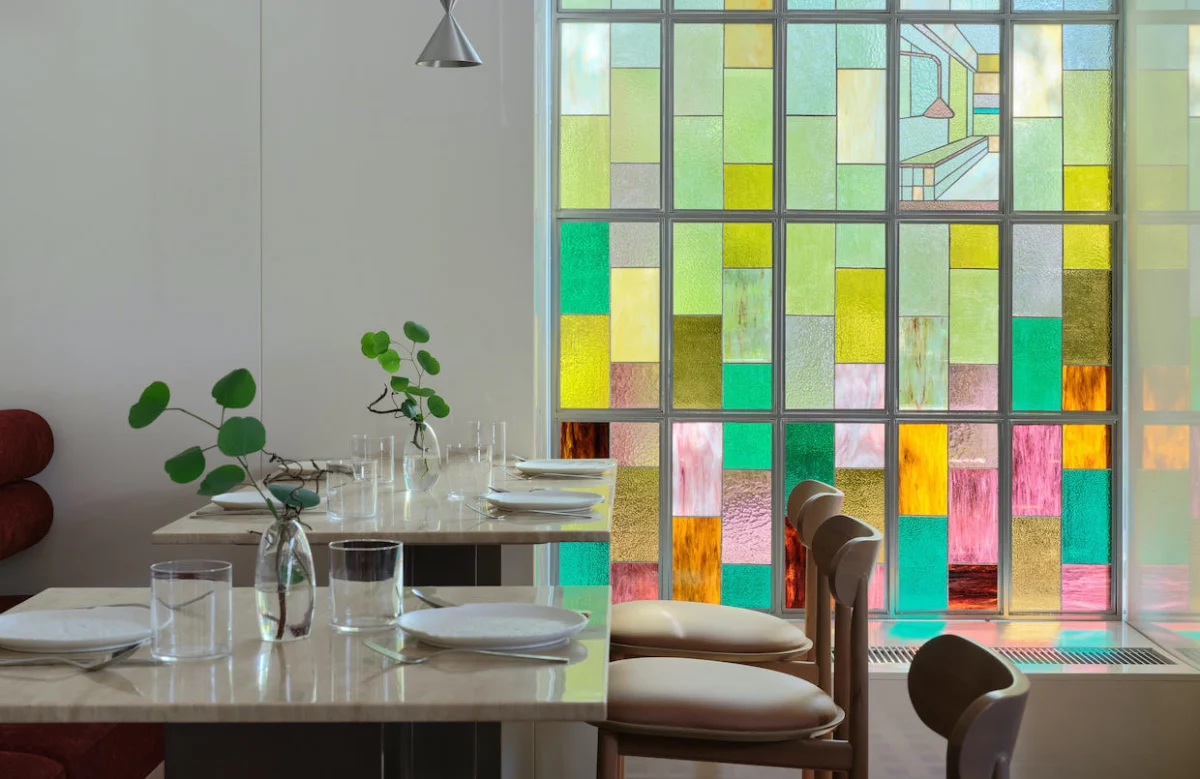
Almaty, Kazakhstan – A unique architectural and interior design project, Six Coffee + Wine, has opened its doors in the historic center of Almaty, offering a captivating spatial experience that seamlessly transitions from the bright energy of morning coffee service to the intimate ambiance of evening wine enjoyment. The 300-square-meter (3,229-square-foot) establishment, completed in 2025, is the brainchild of Almaty-based architecture studio NAAW, who aimed to reinterpret the city’s rich architectural identity through contemporary forms and collaborations with local artisans. This project is part of Daily Coffee News’ ongoing "Design Details" series, which highlights exceptional examples of coffee shop architecture, interior design, packaging, and branding.
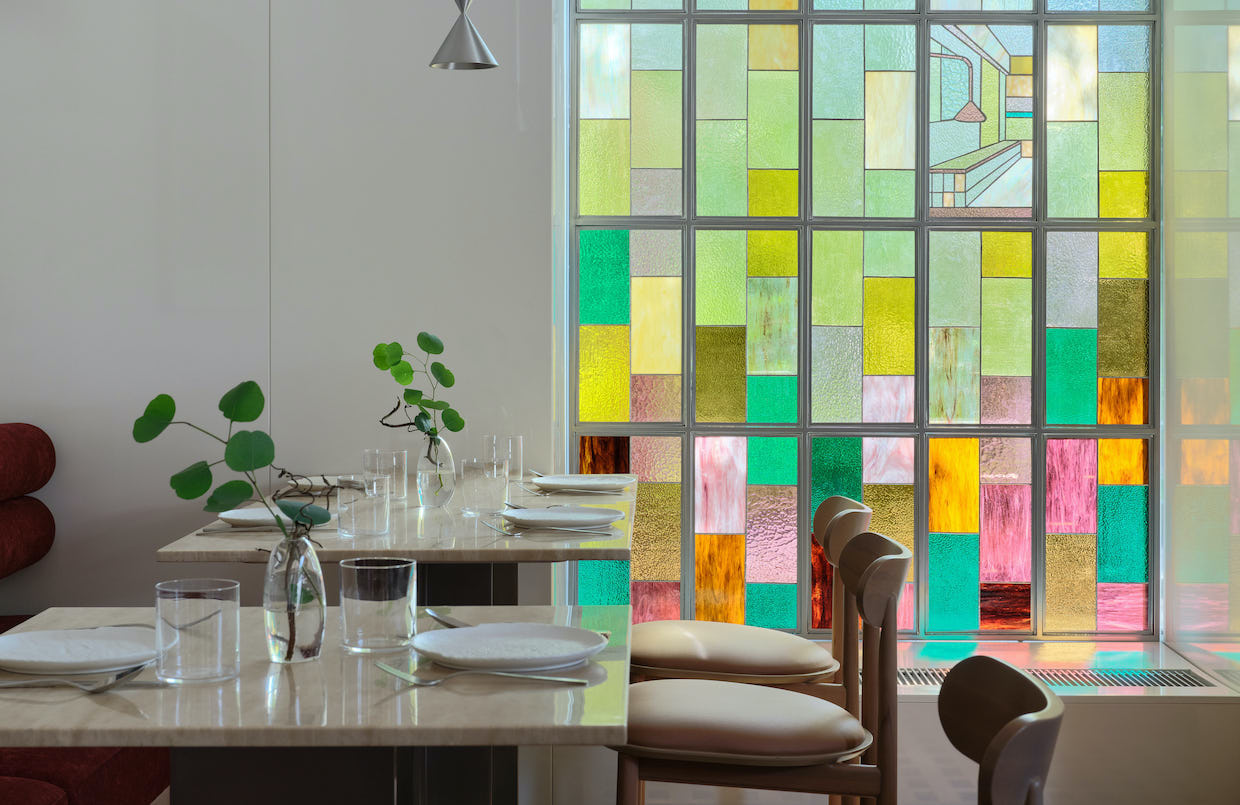
The core concept behind Six Coffee + Wine is its narrative unfolding across five interconnected rooms. Each space is meticulously designed to embody a distinct moment of the day, employing shifting palettes, innovative lighting techniques, and carefully curated atmospheres. This deliberate progression is intended to mirror the transition from the initial awakening of a morning coffee ritual to the more relaxed and sophisticated experience of enjoying wine in the evening. The design team at NAAW stated in a project description shared with DCN, "Located in the historic centre of Almaty, Six Coffee Wine is a cafe conceived as a spatial transition – from morning to evening, from coffee to wine." They further elaborated, "This narrative unfolds across five interconnected halls, each embodying a distinct moment in the day through shifting palettes, lighting, and atmosphere."
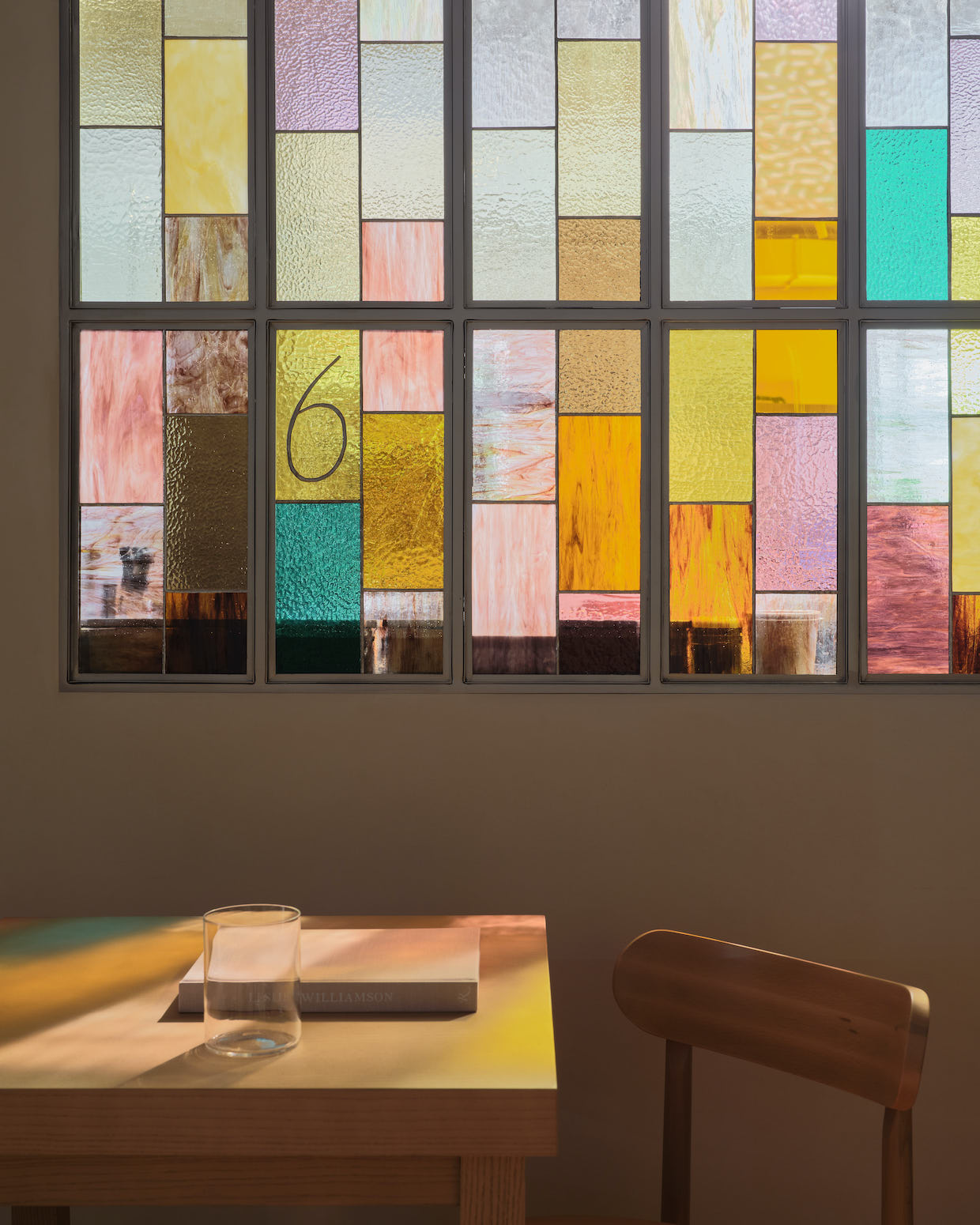
A key element in achieving this dynamic transition is the strategic use of custom shutters and stained glass. As patrons move through the interconnected spaces, these architectural features work in concert to modulate the natural light, subtly altering the perception of brightness and intimacy. This careful control of illumination is fundamental to the day-to-night gradient the project strives to achieve.
The design draws significant inspiration from Almaty’s architectural heritage, particularly through the prominent use of shell limestone. This distinctive material, characterized by visible shell fragments, has adorned the facades of many of the city’s most recognizable landmarks, including the Kazakhstan Hotel, the Palace of the Republic, and the Arasan Baths. NAAW has reinterpreted this historical material, integrating it across the cafe’s interior walls, thereby establishing a profound connection to the local context and its storied past. This thoughtful incorporation of local materials not only lends authenticity but also serves as a constant visual reminder of Almaty’s unique urban fabric.
The project’s commitment to celebrating local artistry extends to its collaboration with artist Zhanel Shakhan for the stained glass elements. These custom-designed pieces are not merely decorative; they feature a subtle gradient that directly mirrors the cafe’s day-to-night progression. Upon closer inspection, hidden details within the stained glass reveal stylized miniatures of the cafe’s interior, adding a layer of thoughtful artistry and a sense of discovery for patrons. This intricate detailing underscores the holistic approach taken by NAAW, where every element contributes to the overarching narrative.
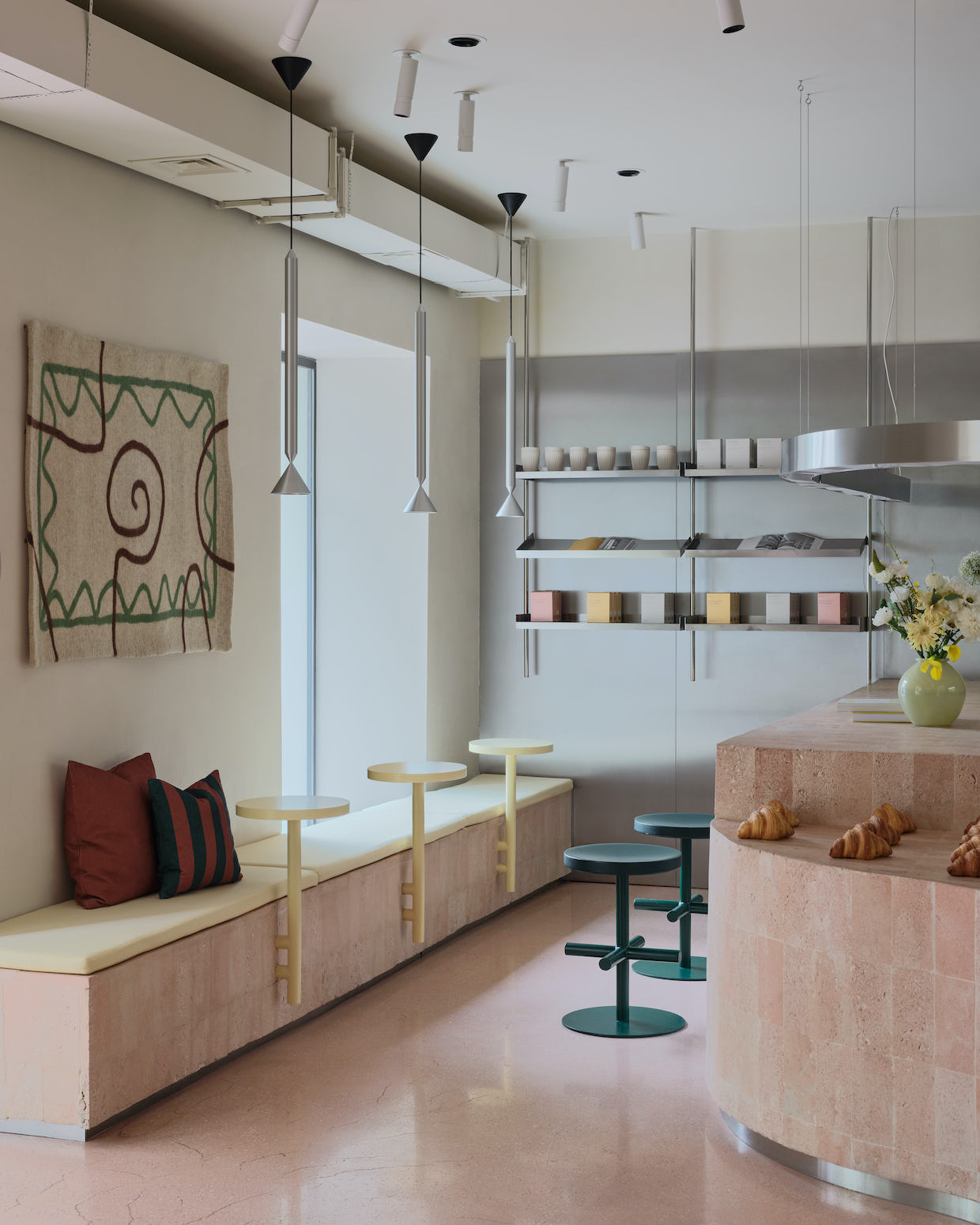
"These transitions are expressed not only through zoning and light but also through a material palette that subtly evolves throughout the space," NAAW explained. This material evolution is evident in the flooring, which utilizes terrazzo tinted to harmonize with the shell limestone. Deeper within the cafe’s layout, this terrazzo is accented with marble inlays, further enhancing the sense of depth and progression. The bar counter itself is a sculptural statement, carved in undulating forms from shell limestone and anchored by a custom curved stainless steel light fixture, described by the architects as "a sculptural element at the heart of the cafe."
Beyond the shell limestone and terrazzo, the interior features works by Almaty-based photographer Bauyrzhan Sabit, whose imagery is strategically placed throughout the space. In the morning-focused sections of the cafe, warm yellow and soft pink tones are complemented by a felt wall tapestry created by local design studio Dunie. This deliberate use of varied textures and colors further reinforces the atmospheric shifts.
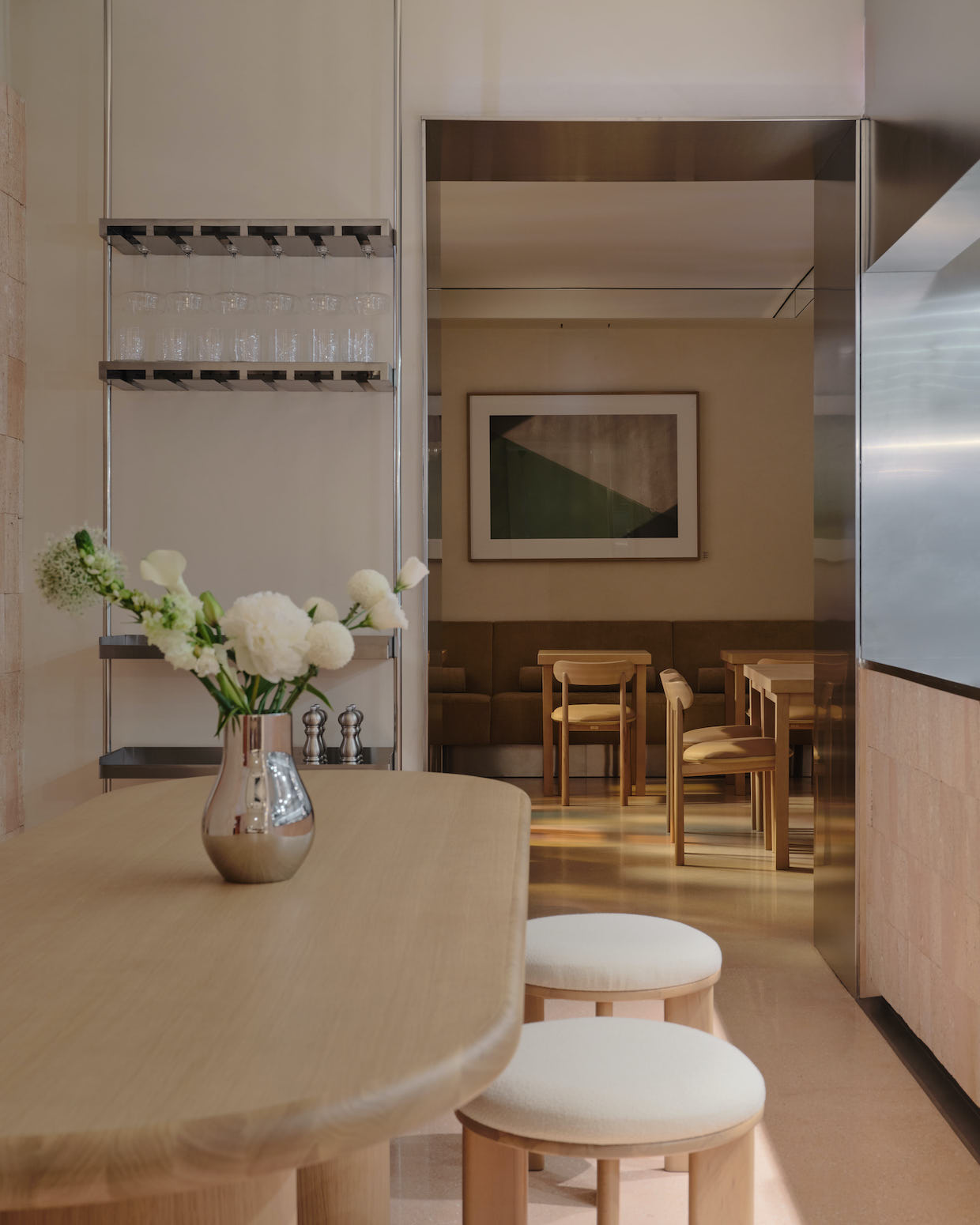
Custom travertine tables are paired with seating from the local brand Aq Objects. The designs from Aq Objects are inspired by traditional furniture found within yurts, the nomadic dwellings historically used by Turkic peoples. This choice of seating introduces an element of cultural resonance, connecting the modern establishment to Kazakhstan’s nomadic heritage. To introduce a contrasting aesthetic and manufacturing technique, sculptural Plopp chairs are also incorporated into the design.
The lighting design further enhances the ambiance, with fixtures sourced from reputable brands such as Pholc, Verpan, and &Tradition. The architects noted that much of the furniture was custom-designed specifically for the project, underscoring a dedication to creating a cohesive and unique environment.

A particularly striking design feature is the corridor leading to the kitchen and restrooms. This transitional space is fully clad in gradient panels that extend seamlessly across both the floor and walls. NAAW developed these innovative panels in collaboration with For Walls, a local brand renowned for its expertise in architectural surfaces. This continuous gradient treatment in the corridor amplifies the project’s core theme of seamless transition, immersing visitors in the concept even in functional areas.
The overall design philosophy of Six Coffee + Wine reflects a broader trend in contemporary hospitality design, where the physical space is conceived as an integral part of the customer experience, capable of shaping mood and perception. The integration of local materials, artisanal collaborations, and a narrative-driven spatial progression positions the cafe as more than just a place to consume beverages; it is an immersive environment that tells a story.

The architects involved in this ambitious project include Elvira Bakubayeva, Aisulu Uali, Victoria Akram, Tomiris Ramazanova, and Arailym Mukhamejan, all working under the umbrella of NAAW. The striking photography that documents the space is credited to Damir Otegen.
The completion of Six Coffee + Wine in 2025 marks a significant contribution to Almaty’s burgeoning design landscape. It demonstrates a sophisticated understanding of how architectural design can influence patronage and create memorable experiences. The project’s success lies in its ability to blend historical references with modern sensibilities, resulting in a space that is both culturally rooted and forward-looking. The careful orchestration of light, material, and artistic elements creates a dynamic environment that caters to the diverse needs and moods of its clientele throughout the day. As the coffee and wine industry continues to evolve, establishments like Six Coffee + Wine exemplify how thoughtful design can elevate the consumer experience beyond the product itself, fostering a deeper connection between people, place, and culture. The project’s meticulous attention to detail, from the grand gestures of shell limestone walls to the hidden miniatures in stained glass, solidifies its place as a noteworthy example in contemporary interior architecture.
