

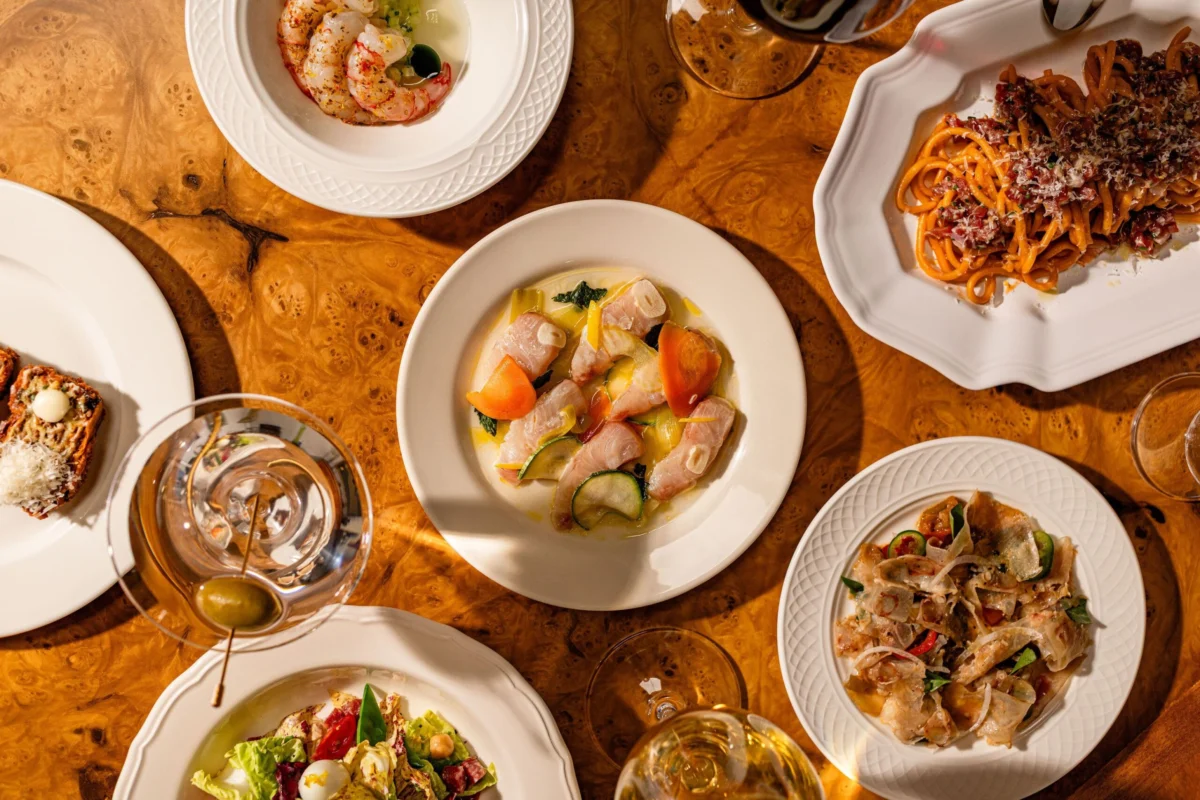
The autumn months of 2026 are poised to deliver a significant culinary refresh across the United States, with a wave of highly anticipated restaurant openings promising to redefine dining experiences in major metropolitan areas. From celebrated chefs branching into new concepts to established culinary figures returning with innovative ventures, this season is characterized by a blend of comfort, heritage, and cutting-edge gastronomy. The surge in new establishments reflects a vibrant and resilient hospitality sector, continually adapting to evolving diner preferences and economic landscapes. These openings are not merely additions to local dining scenes; they represent significant investments in culinary innovation, job creation, and the cultural enrichment of their respective communities. As the industry continues to navigate post-pandemic shifts, a renewed focus on unique concepts, sustainable sourcing, and deeply personal narratives from chefs is evident, signaling a robust period of growth and creativity.
The restaurant industry, a cornerstone of the American economy, has shown remarkable adaptability in recent years. According to the National Restaurant Association, the sector is projected to reach $1.1 trillion in sales in 2026, employing 15.7 million people. While challenges such as labor shortages and rising food costs persist, the influx of new establishments underscores a renewed confidence among restaurateurs and investors. This fall’s openings are particularly notable for their diversity in cuisine, concept, and scale, ranging from intimate chef’s counters to expansive brasseries, each promising a distinct contribution to the national dining fabric.
A Culinary Icon’s New Chapter: Andy Baraghani Debuts Ditto in New York City
Among the most eagerly awaited launches is Ditto, the inaugural restaurant venture from Andy Baraghani, formerly a senior food editor at Bon Appétit. Slated for an October opening in Manhattan’s bustling Union Square, Ditto marks Baraghani’s transition from influencing home cooks through media to direct engagement with diners in a brick-and-mortar setting. Baraghani’s recipes, renowned for their vibrant flavors and accessible sophistication, cultivated a dedicated following during his tenure at Bon Appétit, making him a household name among food enthusiasts. His move into the restaurateur role is a significant development, highlighting a growing trend of culinary media personalities translating their brand into physical dining spaces.
Ditto is envisioned as a casual, walk-in-only neighborhood bistro, a concept designed to foster community and celebrate the bounty of the nearby Union Square Greenmarket. This emphasis on fresh, seasonal produce aligns with contemporary dining trends that prioritize local sourcing and ingredient-driven menus. Baraghani is partnering with Michael Silber, an experienced hospitality investor behind successful New York establishments like Penny and Smithereens, indicating a strong foundation for both culinary vision and operational execution. The initial focus will be on breakfast, with plans to expand into lunch and dinner service subsequently. Diners can anticipate American classics infused with Baraghani’s signature Persian flair, a culinary fusion that has long defined his unique approach. Dishes like kuku sabzi, an herb-laden Persian frittata, and ginger-mushroom rice porridge exemplify this blend, offering familiar comfort with an exotic twist. A spicy tahini chicken sandwich and a rotating selection of soft-serve flavors further promise a menu that is both approachable and distinctive. This venture is set to capitalize on Baraghani’s established reputation, drawing in fans eager to experience his culinary philosophy firsthand, while also carving out a new niche in Union Square’s competitive dining scene.
A Homage to Heritage: Justin Yu’s House of Louie in Houston
September heralds the arrival of House of Louie in Houston, Texas, a deeply personal project from acclaimed chef Justin Yu. Located in the vibrant Montrose neighborhood, the restaurant is an ode to Yu’s aunts’ Southern California eatery of the same name, a place where he first encountered the world of hospitality. The original House of Louie served the San Gabriel Valley community for over four decades, imbuing Yu with an early understanding of community-centric dining. This new iteration, part of Yu’s successful Thorough Fare group which includes the celebrated Theodore Rex, aims to recreate that same sense of familial warmth and community spirit.
House of Louie will present a unique French-Italian concept, a departure from typical bistro fare. The menu promises an intriguing blend of culinary traditions, with dishes such as yellowtail alla scapece, a Venetian preparation involving fried fish marinated in vinegar and spices, and inventive pasta creations like fried lasagna with ragù bianco and Comte cheese fondue. More substantial offerings will include roast duck and chicken, brined with house-made giardiniera, showcasing a meticulous approach to flavor development. The beverage program, overseen by the experienced Thorough Fare team, will feature a curated selection of wines and cocktails designed to complement the innovative cuisine. Houston’s culinary scene has seen remarkable growth, cementing its status as a diverse food destination. House of Louie is poised to contribute to this dynamism, offering a concept rooted in personal history yet forward-looking in its culinary execution, resonating with diners seeking both novelty and narrative.
Afro-Caribbean Flavors Take Center Stage: Camari Mick’s Calabash in New York City
October will witness the opening of Calabash, an Afro-Caribbean brasserie in New York’s West Village, helmed by pastry chef Camari Mick. Mick gained significant recognition for her exceptional pastries and desserts at Raf’s, a trendy NoHo spot where her creations consistently drew queues. Her solo venture is a testament to her expanding culinary vision and a response to the growing appetite for diverse, globally inspired cuisines in New York City.
Calabash will initially offer daytime service four days a week (Thursday through Sunday), featuring a menu of naturally fermented breads, cornbread pancakes with salted maple sabayon, and, of course, a delectable array of pastries that first brought her acclaim. For weekend evenings, a dinner prix fixe menu will showcase Mick’s interpretation of brasserie dishes, including a suya steak and maduros, blending classic French brasserie structure with vibrant Afro-Caribbean flavors. A notable aspect of Calabash’s concept is its entirely liquor-free beverage program, a progressive move that caters to a growing demographic seeking sophisticated non-alcoholic options. The menu will feature fermented drinks, creative non-alcoholic cocktails, and adaptogenic beverages, reflecting a holistic approach to dining and wellness. This commitment to a unique beverage program, coupled with an innovative culinary approach, positions Calabash as a pioneering establishment within New York’s competitive and constantly evolving dining landscape.
Denver’s Refined Bistro: Holm by Paired Hospitality Group
Denver’s culinary reputation continues to ascend with the October opening of Holm, an American bistro from Paired Hospitality Group. This husband-and-wife team, Duncan and Allison Holmes, are already well-regarded for their successful Denver establishments, including the popular Major Tom and the Michelin-starred Beckon. Holm represents a new direction for the group, offering a more approachable bistro experience while maintaining the high standards of quality and seasonality that define their other ventures.
Like Beckon, Holm will feature a seasonal menu that prominently showcases local produce, much of it sourced directly from the team’s own Beckon Farm in nearby Lakewood. This farm-to-table ethos is a cornerstone of Paired Hospitality’s philosophy, ensuring freshness and supporting local agriculture. The menu promises comforting yet refined dishes such as shaved fennel in anchovy vinaigrette with aged Parmesan and lemon, grilled Alamosa bass with niçoise tapenade and local Anasazi beans, and a braised pork ragù with house-made pappardelle. The design of Holm, created in collaboration with Denver-born Leap Interior Design, aims for a warm and approachable dining room, fostering an inviting atmosphere for casual yet elevated meals. Holm is expected to further solidify Denver’s status as a burgeoning culinary hub, offering a sophisticated yet accessible dining option that reflects the region’s bounty.
Christian Hunter’s Hooligan: A French Midwestern Bistro in Chicago
In Chicago, chef Christian Hunter is set to open his first solo restaurant, Hooligan, in the dynamic Logan Square neighborhood this October. Hunter’s journey to Hooligan has been one of perseverance; his initial plans for a French Midwestern bistro within the Time Out Market faced an abrupt halt when the market unexpectedly closed. This setback led him to secure a stand-alone, 50-seat space, a move that ultimately allowed for a more personalized realization of his culinary vision.
Hooligan will offer à la carte dinner service, presenting a menu that harmonizes classic French techniques with the rich culinary traditions of the American Midwest. Dishes like Great Lakes perch with gribiche, pike quenelle ravioli with Nantua sauce, and cornbread served with pimento cheese and chicken liver parfait illustrate this unique fusion. A particularly intriguing highlight is the promise of American paddlefish caviar, sourced from a producer near Hunter’s hometown of Lexington, Kentucky, adding a personal touch and spotlighting regional delicacies. Chicago’s dining scene is celebrated for its innovation and diverse offerings, and Logan Square, in particular, has become a hotbed for independent, chef-driven concepts. Hooligan is poised to become a notable addition, offering a distinctive culinary perspective that bridges regional American flavors with classic European finesse.
Daniel Humm’s New West Village Venture: Humm
Daniel Humm, the internationally acclaimed chef behind the three-Michelin-starred Eleven Madison Park, is embarking on a new culinary chapter with the October opening of Humm in New York’s West Village. This new establishment is distinct from his flagship, offering a more casual à la carte experience while retaining the commitment to culinary excellence for which Humm is celebrated. The move signifies a broader trend among top-tier chefs to diversify their portfolios with more accessible dining concepts, catering to a wider range of diners without compromising on quality or creativity.
Humm will occupy the space previously home to En Japanese Brasserie, a location steeped in culinary history. Early details suggest a sophisticated dining room, featuring design contributions from renowned artists such as Francesco Clemente, signaling an immersive and art-infused ambiance. The cuisine is expected to lean Mediterranean, a departure from Eleven Madison Park’s plant-based tasting menu, promising fresh, vibrant flavors. A carefully curated selection of wines and cocktails will complement the menu, reflecting Humm’s meticulous approach to the entire dining experience. This opening is significant not only for its impact on the West Village dining scene but also for what it represents in the evolution of fine dining, offering a more relaxed yet equally refined expression of one of the world’s most influential chefs.
George Mendes Returns to Boston with Agosto and Baby Sister
Boston’s dining scene is set for a major resurgence with the November debut of Agosto, the first of two new South End establishments from Michelin-starred chef George Mendes. Known for his celebrated Portuguese cooking at Aldea in New York, which he ran for over a decade, and more recently as the opening chef at the Raffles Hotel in Boston, Mendes’s return marks a significant moment for the city’s culinary landscape.
Agosto will be an intimate 45-seat tasting-menu restaurant featuring a chef’s counter, offering diners a deeply personal and immersive experience. Mendes’s menu will showcase Portuguese fare rooted in New England ingredients, a fusion that promises both tradition and innovation. Dishes like corn chawanmushi with pickled Bangs Island mussels and bluefin tuna with strawberry, tomato, and crispy kombu exemplify this creative approach, blending local produce with Iberian influences. Following Agosto’s launch, Mendes plans to open Baby Sister, a next-door bakery-café, in early 2027, creating a multi-faceted culinary destination. This two-pronged approach allows Mendes to explore different facets of his culinary vision, from refined tasting menus to more casual, everyday offerings. His return to Boston, a city with a rich culinary history and an increasingly vibrant contemporary scene, is expected to elevate its status further, offering sophisticated options for discerning diners.
From Pop-Up to Permanent: Michael Rafidi’s Bizzeria in Washington, DC
Washington, DC, will welcome Bizzeria in November, a dedicated pizza restaurant from chef Michael Rafidi, the acclaimed force behind DC stars Albi and La’ Shukran. Bizzeria evolves from Rafidi’s highly popular Levantine pizza pop-up at his Georgetown cafe, Yellow, which garnered a cult following for its innovative take on flatbreads. The transition to a permanent establishment underscores the success of the concept and the growing demand for Rafidi’s distinctive culinary style.
Rafidi’s creations, playfully termed “not pizzas,” challenge traditional notions of the dish by infusing Levantine flavors and techniques. Pastry chef Alicia Wang is responsible for the unique 48-hour fermented sourdough crusts, which provide a distinctive base for toppings such as house-made cheese with spiced lamb or burnt eggplant with Urfa chili crisp. Beyond these signature "not pizzas," the menu will also feature raw dishes, meze, and charcuterie, offering a broader exploration of Levantine cuisine. Wine director William Simons will curate an eclectic wine list, designed to complement the diverse flavors of the menu. DC’s dining scene has been increasingly embracing Middle Eastern flavors and innovative concepts, and Bizzeria is poised to become a prominent player, offering a fresh perspective on a beloved dish within a sophisticated setting.
A North African Culinary Journey: Jean in Philadelphia
Philadelphia’s vibrant dining scene will be enriched by the November opening of Jean, an intimate 15-seat chef’s counter located upstairs from Evan Snyder and Julian van der Tak’s popular Levantine hot spot, Emmett. Jean promises a unique and immersive North African culinary journey, delivered through a meticulously crafted 12-course tasting menu. This concept of an exclusive chef’s counter offering a focused, multi-course experience aligns with a growing trend towards intimate, personalized dining.
At the heart of Jean’s kitchen is a hearth, around which chef Snyder will prepare dishes that celebrate the complex flavors of North African cuisine. The menu is designed to be both innovative and deeply rooted in tradition, featuring creations such as a fermented chickpea tart with sunchoke custard, brown butter, crab, and caviar, or Mudakhan-smoked tuna with Nardello jam, fermented chile, and pine nuts. Each dish will be served in custom ceramics, emphasizing the attention to detail and enhancing the overall aesthetic and tactile experience. A highlight of the menu will be a tagine featuring dry-aged lamb with fresh-milled couscous, showcasing the rich, slow-cooked flavors characteristic of the region. Philadelphia has become a fertile ground for inventive and intimate dining concepts, and Jean is expected to contribute significantly to this reputation, offering a refined and educational exploration of North African gastronomy.
Broader Implications and Future Outlook
The fall 2026 restaurant openings collectively paint a picture of a dynamic and evolving American culinary landscape. These new establishments represent more than just new places to eat; they are expressions of chefs’ personal histories, regional culinary traditions, and innovative approaches to dining. The trend towards hyper-local sourcing, as seen with Holm’s Beckon Farm and Baraghani’s Union Square Greenmarket focus, underscores a growing commitment to sustainability and community integration. The emergence of unique beverage programs, such as Calabash’s liquor-free menu, reflects a responsiveness to diverse consumer preferences and a broader shift towards inclusive dining experiences.
Furthermore, the expansion of established culinary figures like Daniel Humm and George Mendes into more varied concepts, alongside the solo debuts of talents like Christian Hunter and Camari Mick, signifies a maturing industry that values both proven excellence and fresh perspectives. The move from pop-ups to permanent fixtures, as exemplified by Bizzeria, highlights the organic growth of successful concepts, often born from direct engagement with diners and iterative refinement. These openings are not just about food; they are about storytelling, community building, and the continuous push for culinary innovation. As these restaurants open their doors, they are poised to contribute significantly to their local economies, invigorate urban dining scenes, and influence national culinary trends for years to come, offering a vibrant and diverse tapestry of flavors for diners across the country.
