

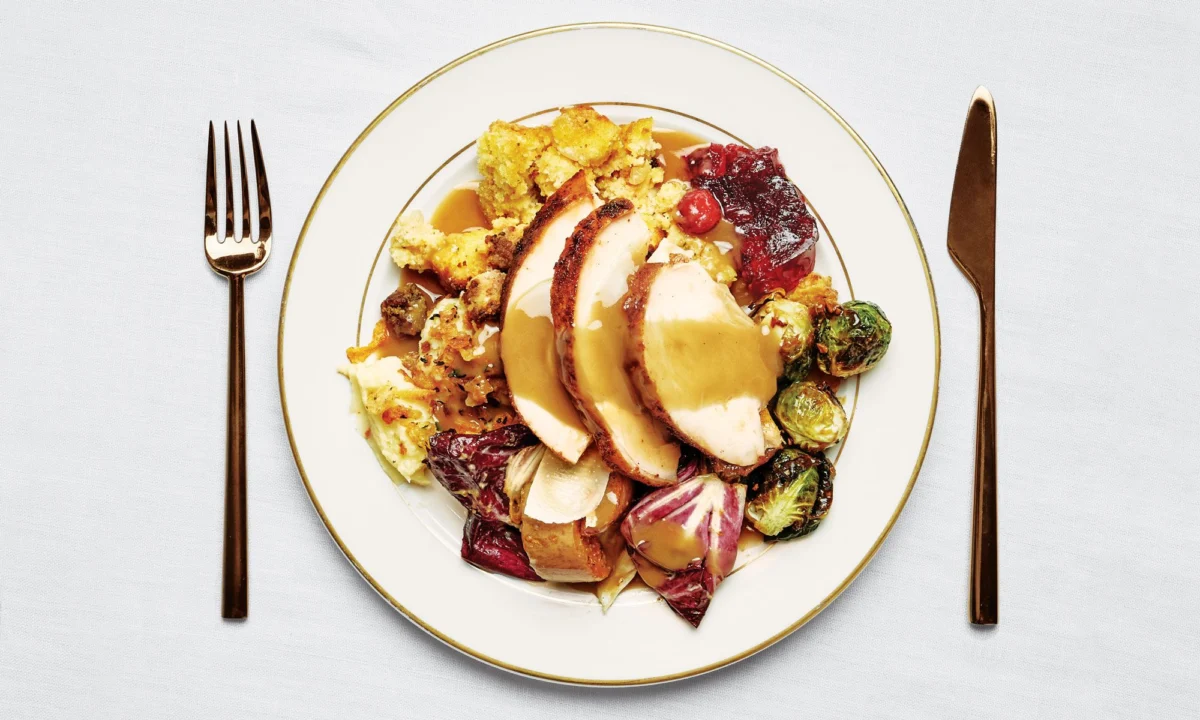
The preparation and execution of a Thanksgiving feast represent a significant culinary undertaking, demanding meticulous planning, precise execution, and often, a deep dive into an extensive repository of recipes and techniques. This annual culinary tradition, centered around a diverse array of dishes, from the iconic roast turkey to an assortment of savory and sweet accompaniments, necessitates a structured approach, which comprehensive culinary resources aim to facilitate by consolidating a vast selection of recipes and expert guidance. Traditionally, the Thanksgiving table features staples such as roast turkey, various stuffings or dressings, creamy mashed potatoes complemented by rich gravy, tart cranberry sauce, sweet potato dishes, green beans or Brussels sprouts, dinner rolls, and a selection of pies including pumpkin, apple, or pecan. Contemporary culinary guides often present both classic renditions of these dishes and innovative interpretations, reflecting evolving tastes and dietary considerations.
The Centerpiece: The Thanksgiving Turkey
The turkey unequivocally holds its position as the star of the Thanksgiving meal, a tradition deeply rooted in American history. The methods for preparing this formidable bird are as varied as the families gathering around the table. Culinary authorities provide detailed instructions for multiple approaches, including traditional oven roasting, which often yields a golden-brown skin and succulent meat; grilling, an option favored for its ability to free up oven space and impart a distinct smoky flavor; and smoking, a technique that imbues the turkey with a deep, complex aroma and tender texture. Beyond the cooking method, crucial logistical information such as accurate turkey cooking times, determined by weight and temperature, and expert guides on carving the bird are indispensable. Proper carving ensures an elegant presentation and equitable distribution of meat, minimizing waste and maximizing enjoyment.
Historically, turkey became synonymous with Thanksgiving due to its abundance in North America and its suitability for feeding large gatherings. Early accounts of harvest feasts, while not always featuring turkey prominently, set a precedent for a substantial meat centerpiece. By the mid-19th century, figures like Sarah Josepha Hale, often credited with campaigning for Thanksgiving to become a national holiday, popularized turkey as the dish of choice. Today, the National Turkey Federation reports that approximately 46 million turkeys are consumed on Thanksgiving Day alone in the United States, underscoring its enduring significance. The average American household spends an estimated $60-$70 on their Thanksgiving meal, with the turkey often being the largest single expense. This figure can fluctuate based on market prices, which are influenced by factors such as feed costs, labor, and supply chain efficiency. In 2022, for instance, turkey prices saw a notable increase due to avian influenza outbreaks and broader inflationary pressures, impacting consumer spending.
An Abundance of Accompaniments: The Essential Side Dishes
While the turkey commands attention, the array of side dishes is what truly defines the breadth and depth of the Thanksgiving feast. Culinary collections meticulously categorize these accompaniments, offering diverse recipes for each. Stuffing, or dressing depending on regional terminology, often features bread as its base, enriched with aromatic vegetables, herbs, and sometimes sausage or oysters. Mashed potatoes, a universal comfort food, are typically prepared with butter, cream, or milk, and crowned with a savory gravy made from turkey drippings. Cranberry sauce, with its characteristic tartness, serves as a crucial counterpoint to the richness of the other dishes; both homemade and canned versions have their loyal adherents. Sweet potato casseroles, frequently sweetened with brown sugar and topped with marshmallows or pecans, provide a contrasting sweetness. Green vegetables, such as green bean casseroles or roasted Brussels sprouts, offer freshness and texture. Dinner rolls, often homemade, complete the carb ensemble, serving as vehicles for gravy and perfect for sopping up remaining flavors.
The evolution of these side dishes often reflects regional culinary traditions and agricultural availability. For example, oyster stuffing is more prevalent in coastal areas, while cornbread dressing is a staple in the American South. The green bean casserole, a relatively modern invention from Campbell’s Test Kitchen in 1955, quickly became a national phenomenon, demonstrating how new recipes can swiftly integrate into established traditions. According to a 2021 survey by Instacart, mashed potatoes consistently rank as the most popular Thanksgiving side dish across most U.S. states, followed closely by stuffing and gravy, indicating a strong preference for classic, hearty accompaniments.

Catering to Diverse Palates: Vegetarian and Plant-Based Options
The modern Thanksgiving table is increasingly inclusive, reflecting a growing movement towards plant-based diets and diverse dietary preferences. Recognizing that turkey may be non-negotiable for some but entirely undesirable for others, comprehensive culinary guides now feature extensive sections dedicated to vegetarian and vegan Thanksgiving menus. These options transcend simple side dishes, offering substantial meatless mains designed to serve as the focal point for non-meat eaters. Examples include elaborate vegetable tarts, hearty mushroom wellingtons, roasted stuffed squash, and various plant-based roasts made from ingredients like lentils, nuts, or seitan.
This shift is not merely a niche trend but a significant demographic movement. Data from the Vegetarian Resource Group indicates that the percentage of the U.S. population identifying as vegetarian or vegan has steadily increased over the past two decades. A 2022 Gallup poll found that approximately 5% of Americans identify as vegetarian and 2% as vegan, with a larger percentage actively reducing their meat consumption. This demographic shift necessitates broader culinary offerings, ensuring that the communal aspect of Thanksgiving remains inclusive for all participants. Food experts and nutritionists often commend the increased availability of plant-based options, noting their potential to introduce more fiber and diverse nutrients into what can otherwise be a rich, heavy meal, while also addressing ethical and environmental concerns related to meat consumption.
The Grand Finale: Desserts and the Art of the Sweet Conclusion
No Thanksgiving feast is truly complete without a generous array of desserts, providing a sweet culmination to the elaborate meal. The traditional triumvirate of pies—pumpkin, apple, and pecan—dominates this category. Pumpkin pie, often spiced with cinnamon, nutmeg, and ginger, is arguably the most iconic, its earthy sweetness signaling the heart of autumn. Apple pie, with its comforting fruit filling and flaky crust, offers a familiar warmth, while pecan pie, rich with caramel and nuts, provides a decadent indulgence. Beyond these classics, culinary resources often include recipes for other festive desserts such as sweet potato pie, various cakes, tarts, and cookies, offering diversity to suit every sweet tooth. The preparation of these desserts often begins days in advance, a testament to their importance in the overall holiday planning.
Strategic Planning: From Appetizers to Leftovers
Effective Thanksgiving meal preparation extends beyond individual recipes, encompassing a holistic approach from pre-dinner appetizers to post-feast utilization of leftovers. Appetizers, often light and seasonal, serve to whet the appetite without overwhelming guests before the main event. Common choices include cheese boards, crudités, or small, savory bites. The inclusion of festive cocktails, non-alcoholic beverages, and thoughtfully paired wines elevates the dining experience. For those daunted by the sheer volume of choices—often upwards of 50 recipes for a single holiday—curated "Classic Thanksgiving Menus" provide a streamlined solution, mapping out an entire meal from starter to dessert with complementary dishes and a clear timeline, thereby simplifying the planning process for home cooks.
Moreover, the Thanksgiving tradition is inextricably linked with its aftermath: the inevitable bounty of leftovers. Far from being a burden, these remnants are often celebrated, providing delicious meals for days following the holiday. Culinary guides are invaluable in this regard, offering creative recipes specifically designed to transform leftover turkey, mashed potatoes, stuffing, and cranberry sauce into new and exciting dishes. This not only extends the enjoyment of the feast but also serves as a practical strategy for minimizing food waste, a significant concern during large holiday meals. The U.S. Department of Agriculture estimates that food waste accounts for 30-40% of the food supply, with a substantial portion occurring during holidays. Repurposing leftovers is a key strategy in mitigating this impact.
The Economic and Cultural Tapestry of Thanksgiving
Thanksgiving, as a cultural institution, carries profound economic and societal implications that extend beyond the individual dinner table. The holiday drives a significant surge in consumer spending, not just on groceries but also on travel, decorations, and entertaining essentials. The National Retail Federation consistently reports Thanksgiving week as one of the busiest shopping periods of the year, signaling its broader economic impact. The demand for specific products, particularly turkeys, cranberries, and seasonal produce, creates a predictable market rhythm that influences agricultural planning and food supply chains throughout the year. Farmers, food processors, and retailers all adjust their operations to meet this annual peak in demand.

Historical Context and Evolution: The origins of Thanksgiving are often traced back to the 1621 harvest feast shared by the Plymouth colonists and the Wampanoag people. However, it wasn’t until 1863, amidst the Civil War, that President Abraham Lincoln officially declared Thanksgiving a national holiday, setting a precedent for its annual observance. Over centuries, the meal evolved from simpler harvest fare to the elaborate spread recognized today. The specific dishes became codified through cookbooks, women’s magazines, and popular culture, solidifying the culinary expectations associated with the holiday. This evolution reflects both agricultural advancements and shifting societal norms regarding food preparation and consumption.
Culinary Trends and Innovation: While tradition remains paramount, the Thanksgiving menu is not static. Culinary trends continually influence how the holiday meal is approached. There’s a growing emphasis on locally sourced ingredients, sustainable practices, and adventurous flavor profiles. Chefs and food writers frequently experiment with traditional recipes, introducing global influences, lighter preparation methods, or modern plating techniques. This blend of classic and contemporary ensures the Thanksgiving meal remains relevant and exciting for new generations, while still honoring its heritage. For instance, while classic gravy is beloved, variations incorporating artisanal broths, umami-rich mushrooms, or even a hint of smoky paprika are gaining traction among culinary enthusiasts.
Societal Significance and Challenges: Beyond its culinary and economic dimensions, Thanksgiving holds immense societal significance as a time for gratitude, family reunion, and communal celebration. It often involves extensive travel, bringing families together from disparate locations. However, the preparation itself can be a source of stress, leading to a rise in demand for convenience foods, pre-made dishes, and restaurant catering options during the holiday season. The logistical challenges of cooking for a large group, coupled with diverse dietary needs and preferences, highlight the value of comprehensive culinary resources that simplify planning and execution. Ensuring food safety, particularly with large poultry like turkey, is another critical aspect that authoritative guides emphasize, providing clear instructions on thawing, cooking temperatures, and safe storage of leftovers to prevent foodborne illnesses.
In conclusion, the Thanksgiving feast is a multifaceted event, rich in history, culinary tradition, and contemporary adaptation. The availability of comprehensive recipe guides and expert advice plays a crucial role in empowering home cooks to navigate the complexities of this holiday meal, from mastering the perfect roast turkey to embracing vegetarian alternatives and creatively utilizing leftovers. As dietary trends evolve and economic factors shift, the enduring heart of Thanksgiving—a shared meal of gratitude and abundance—continues to inspire culinary innovation and collective celebration, reinforced by a wealth of resources designed to ensure its success year after year.
