


Jodi Ettenberg, the former corporate lawyer and founder of the influential travel and food platform Legal Nomads, has released a comprehensive retrospective of her 2025 activities, detailing a significant series of professional and medical milestones achieved while navigating a debilitating chronic illness. Since sustaining a spinal cerebrospinal fluid (CSF) leak in 2017, Ettenberg has transitioned from a global travel expert to a prominent advocate and researcher in the field of Spontaneous Intracranial Hypotension (SIH). Her latest report highlights the integration of her legal expertise, entrepreneurial background, and patient experience to drive systemic changes in medical reporting and non-profit management, even as her physical mobility remains severely restricted.
The Evolution of Legal Nomads and the Hourglass of Uptime
The trajectory of Legal Nomads reflects a broader shift in the digital creator economy, moving from traditional travel blogging to a mission-driven enterprise focused on accessibility and medical advocacy. Ettenberg, who left a career in law in 2008 to travel the world, originally built her platform around culinary exploration and the challenges of navigating international travel with celiac disease. However, the onset of her spinal CSF leak eight years ago necessitated a radical restructuring of her business model and daily life.

A spinal CSF leak occurs when a hole or tear develops in the dura mater, the tough membrane that holds fluid around the brain and spine. This results in a loss of fluid volume and pressure, causing the brain to "sag" when the patient is upright. The primary symptom is a debilitating orthostatic headache that typically only improves when the patient is lying flat. Ettenberg describes her daily existence through the metaphor of an "hourglass," where every second spent standing or sitting upright is a finite resource that must be meticulously managed.
In late 2024, a physical setback—a fall in the shower—further unspooled her "baseline" of physical stability, leaving her largely bedbound for the early months of 2025. Despite these constraints, the past twelve months marked some of the most productive periods in the history of her brand, albeit managed almost entirely from a supine position.
Milestones in Celiac Advocacy and Global Commerce
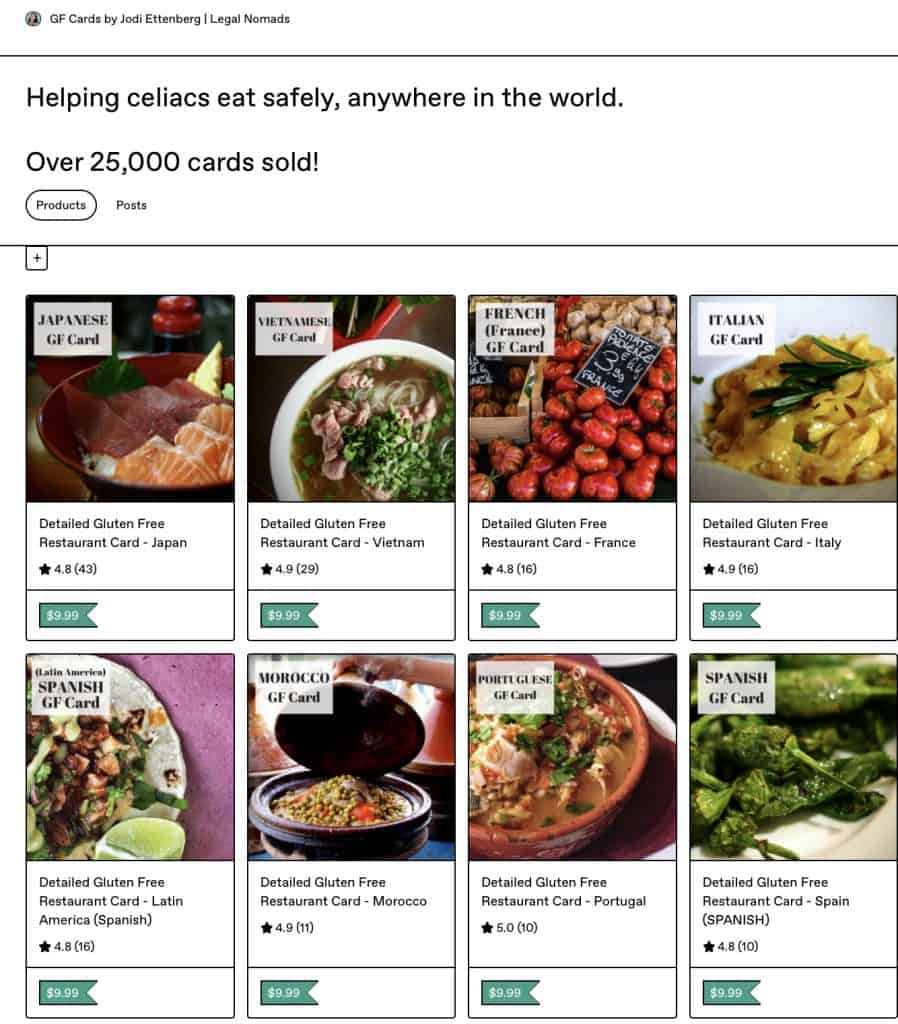
A cornerstone of Ettenberg’s 2025 achievements is the continued expansion of her celiac translation cards. These tools, designed to help travelers with gluten-related disorders communicate their dietary needs safely in foreign languages, reached a major commercial milestone this year with the sale of the 25,000th card.
The cards, which began as a solution to a personal "pain point" during a 2015 trip to Japan, have evolved into a sophisticated suite of intellectual property. In 2025, Ettenberg added three new languages to the collection: Croatian, Korean, and Khmer. This expansion brings the total to 21 languages, with specialized versions now whitelisted for use by physicians, hospitals, and travel agencies.
Complementing the translation cards, Ettenberg published two new "Essential Gluten-Free Guides" for Cambodia and South Korea. These guides, which average 3,000 to 5,000 words, provide a data-driven approach to safe dining, listing specific local dishes that are naturally gluten-free versus those that pose cross-contamination risks. According to industry data, the global gluten-free products market was valued at approximately $6.7 billion in 2023 and is projected to grow significantly; Ettenberg’s work serves a critical niche within this market, providing high-stakes safety information for the roughly 1% of the global population living with celiac disease.
Leadership in Medical Research and Standardized Reporting
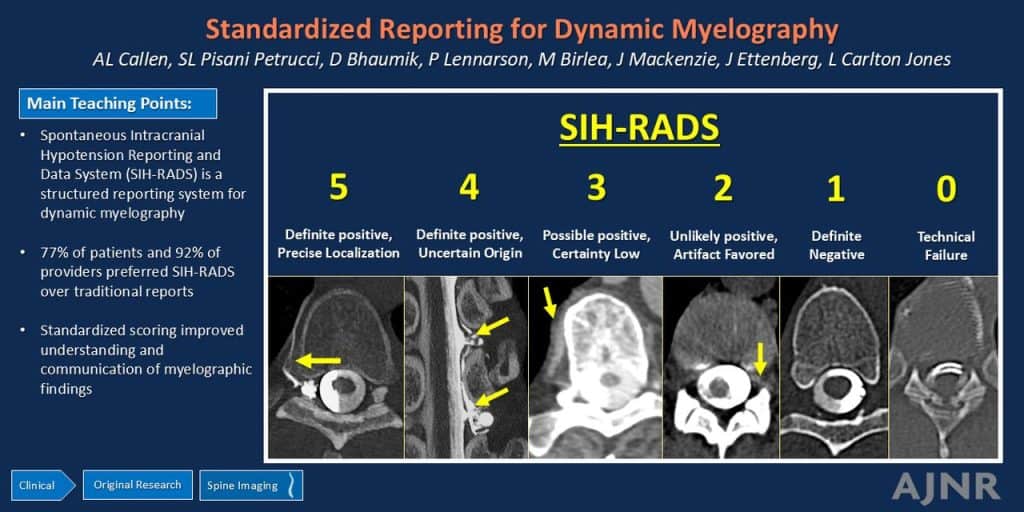
Perhaps the most significant development of 2025 was Ettenberg’s foray into formal medical literature. She served as a patient co-author on a research paper proposing a new standardized reporting measure for dynamic myelography, titled "Enhancing Clarity in Dynamic Myelography Reporting." The paper introduced the SIH-RADS system, a framework designed to improve the communication of findings from diagnostic imaging tests used to locate spinal CSF leaks.
Dynamic CT Myelography is a specialized imaging technique where contrast dye is injected into the spinal canal and the patient is scanned in real-time as they are tilted or moved. This process allows radiologists to see the contrast "escape" through dural defects. Historically, the reporting of these results has lacked uniformity, leading to potential delays in diagnosis or treatment.
The SIH-RADS proposal was met with positive feedback from both patients and referring providers. The study indicated that standardized reporting improved patient understanding of their condition and provided physicians with a more reliable template for surgical or procedural planning. Ettenberg’s participation as a co-author underscores a growing trend in medical research: the inclusion of "patient-experts" to ensure that clinical outcomes align with patient priorities.
Organizational Transformation at the Spinal CSF Leak Foundation
In a move that integrated her legal training with her advocacy work, Ettenberg was appointed Board President of the Spinal CSF Leak Foundation in 2025. The foundation, a 501(c)(3) non-profit, is dedicated to reducing the suffering of persons affected by intracranial hypotension or spinal CSF leaks.

During her tenure this year, Ettenberg spearheaded a rigorous hiring process for a new Executive Director. This involved managing over 130 applications, coordinating board interviews, and collaborating with pro bono employment counsel to navigate the legal complexities of non-profit staffing. Beyond personnel management, Ettenberg oversaw:
- The planning and execution of the annual medical conference on spinal CSF leaks.
- The launch of the first international patient registry for the condition, a critical tool for future longitudinal studies.
- "Leakweek," the foundation’s annual awareness campaign, which in 2025 raised $4,217 through Ettenberg’s community alone.
The foundation’s efforts are particularly vital given the rarity and frequent misdiagnosis of SIH. Current estimates suggest an incidence rate of approximately 5 in 100,000 people per year, though experts believe the condition is underdiagnosed due to a lack of awareness among general practitioners and neurologists.
Media Presence and Community Engagement
Despite her physical limitations, Ettenberg maintained a consistent presence in the legal and digital media landscapes. She was featured in an episode of "The Hearing," a podcast produced by Thomson Reuters that explores issues within the global legal and public policy sectors. The 53-minute interview focused on her transition from corporate law to accidental entrepreneurship and her advice for legal professionals seeking alternative career paths.

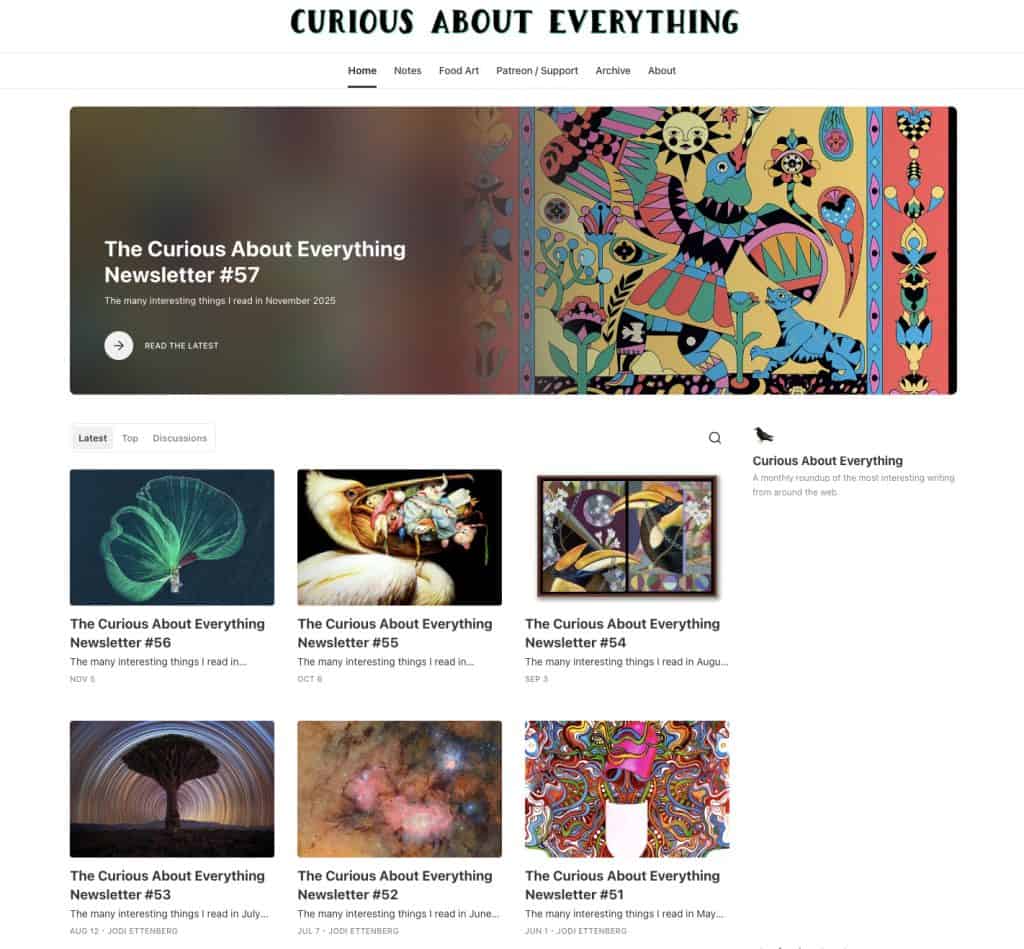
Additionally, her "Curious About Everything" (CAE) newsletter reached its 57th edition in December 2025. The newsletter, which grew out of her earlier "Links I Loved" series, serves as a curation of long-form journalism, art, and scientific discovery. By maintaining CAE as a free resource supported by a Patreon membership model, Ettenberg has created a sustainable ecosystem that rewards deep curiosity while providing the financial stability necessary to continue her volunteer advocacy work.
Her Patreon community, which she describes as a home for "writing that fits in nowhere else," has become a vital support system. In 2025, she used the platform to share personal updates, deep dives into the "granularity" of living with chronic pain, and retrospectives on past experiences, such as her ten-year reflection on a Vipassana meditation retreat.
Analysis of Broader Implications
Ettenberg’s 2025 retrospective offers a case study in the resilience of the "knowledge worker" in the face of severe physical disability. Her ability to lead a national non-profit, co-author medical research, and manage a global e-commerce business from bed highlights the transformative power of assistive technology and the "gig economy" for the disabled community.
Furthermore, her work suggests a shift in how chronic illness is managed at the societal level. By moving away from a purely "patient" role and into the roles of researcher, advocate, and executive, Ettenberg is part of a vanguard of individuals who are forcing the medical establishment to recognize the cognitive and professional value of those with physical limitations.
As 2026 approaches, Ettenberg indicates a desire to shift some of the daily operational burdens of the Spinal CSF Leak Foundation to the new Executive Director, allowing her to focus on long-term strategy and her own business. However, her impact on the field of SIH and the celiac community remains a testament to the fact that while physical existence may be constricted, intellectual and communal contributions can remain, as she puts it, "infinite."
The data from 2025—25,000 cards sold, a published research paper, and thousands of dollars raised for medical awareness—serves as a concrete measurement of success that transcends the "billable hours" of her former legal life. For the thousands of patients and readers who follow her work, Ettenberg remains a primary source of information and a symbol of how curiosity can serve as a lifeline in the most challenging of circumstances.
