

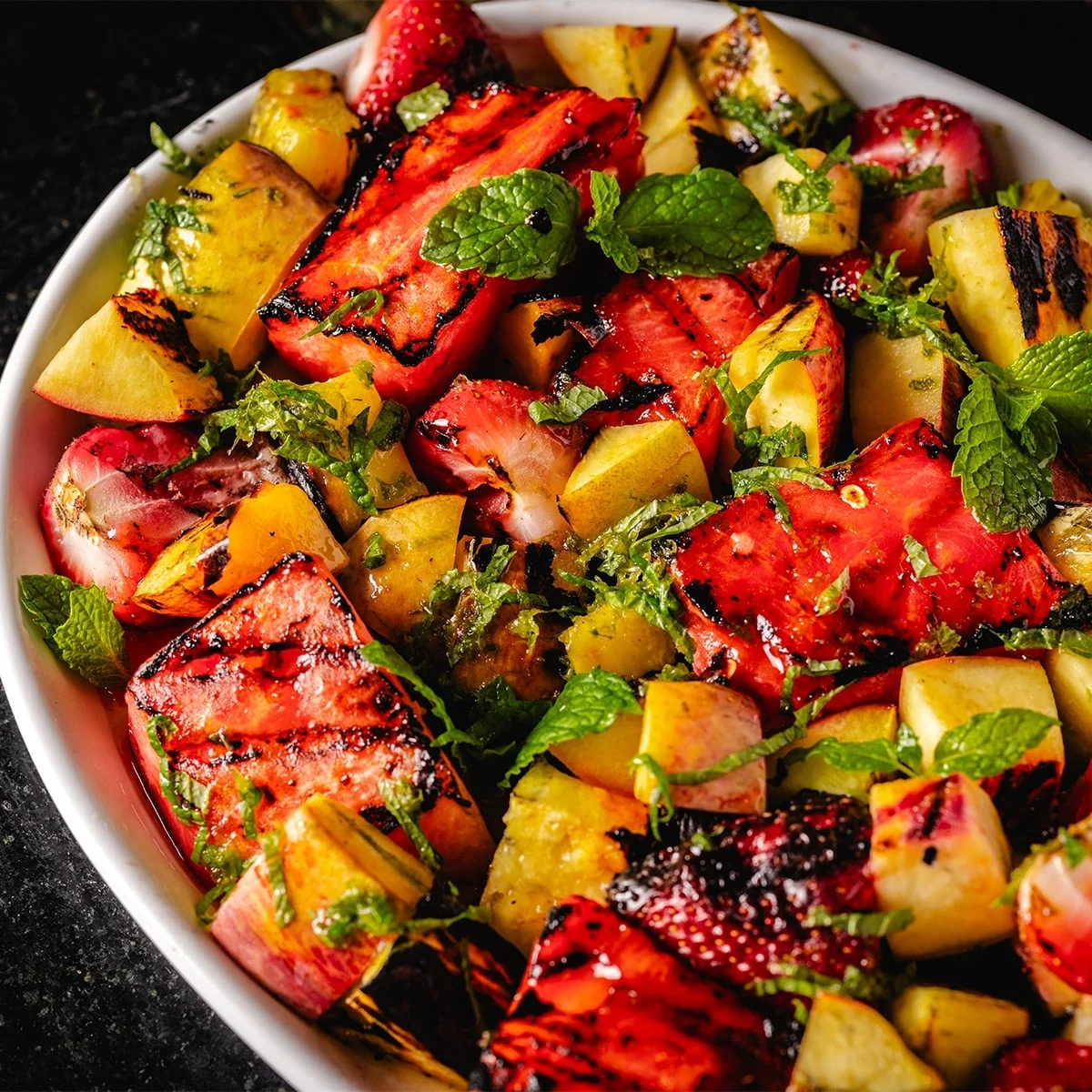
The evolution of American outdoor culinary practices has increasingly moved beyond the traditional confines of protein-centric menus, embracing a more diverse range of seasonal produce prepared over open flames. A prominent example of this gastronomic shift is the emergence of the grilled fruit salad, a dish that utilizes the high-heat environment of the barbecue to transform the flavor profiles of summer staples such as peaches, pineapple, strawberries, and watermelon. This culinary technique, which takes approximately 30 minutes from preparation to service, represents a sophisticated departure from conventional fruit salads that rely on gelatin or heavy creams. By applying a "kiss of heat" to fresh fruit, cooks are able to trigger complex chemical reactions that enhance natural sugars while maintaining a refreshing, savory-sweet balance through the application of a lime and mint-based dressing.
The Science of Fruit Caramelization and Heat Application
The fundamental appeal of grilling fruit lies in the process of caramelization. Unlike the Maillard reaction found in grilled meats—which involves a reaction between amino acids and reducing sugars—the grilling of fruit primarily concerns the thermal decomposition of sucrose, glucose, and fructose. When fruit surfaces meet a preheated grill grate, the intense heat breaks down the complex sugars into simpler compounds, creating new flavor molecules characterized by nutty, buttery, and slightly bitter notes.

For the grilled fruit salad to be successful, the choice of fruit is paramount. Stone fruits like peaches and fibrous fruits like pineapple are structurally resilient enough to withstand high temperatures without disintegrating. Watermelon, despite its high water content, develops a unique, almost "steak-like" texture when grilled, as the heat evaporates surface moisture and concentrates the remaining sugars. The inclusion of strawberries adds a delicate aromatic quality, though they require shorter exposure to the heat to prevent over-softening.
Chronological Development and Preparation Workflow
The execution of a professional-grade grilled fruit salad follows a precise chronological sequence to ensure optimal texture and temperature.
- Preparation and Sourcing: The process begins with the selection of peak-season produce. Agricultural data indicates that the quality of stone fruits and melons is highest during the late summer months, typically between July and September in the Northern Hemisphere. The fruit must be sliced into large, uniform pieces. This serves a dual purpose: it prevents smaller fragments from falling through the grill grates and ensures that the fruit maintains its structural integrity during the flipping process.
- Grill Calibration: The grill is preheated to a medium-high temperature. For gas grills, this usually involves a 10-to-15-minute warmup period. For charcoal, the coals should be covered in a light layer of grey ash. A clean, oiled grate is essential to prevent the delicate fruit sugars from sticking to the metal.
- The Grilling Phase: The fruit is placed directly onto the heat. Peaches and pineapples typically require three to four minutes per side to achieve distinct char marks. Watermelon and strawberries require less time, often only one to two minutes. The objective is not to cook the fruit through, but to sear the exterior while keeping the interior cool and crisp.
- Dressing Integration: While the fruit is still warm, it is tossed in a dressing composed of honey, fresh lime juice, and chopped mint. The residual heat from the fruit helps to liquefy the honey and infuse the mint oils into the salad, creating a cohesive flavor profile.
- Service: The dish is served immediately or at room temperature. Its versatility allows it to function as a side dish for smoked meats, a topping for breakfast items, or a standalone light course.
Nutritional Analysis and Agricultural Context
From a nutritional perspective, the grilled fruit salad offers a dense profile of vitamins and antioxidants. According to USDA nutritional guidelines, the primary ingredients provide significant health benefits:

- Watermelon: A primary source of lycopene, an antioxidant linked to heart health and UV protection.
- Pineapple: Contains bromelain, an enzyme that aids digestion and has anti-inflammatory properties.
- Peaches: Rich in Vitamin C and beta-carotene, which the body converts to Vitamin Vitamin A.
- Strawberries: Provide high levels of manganese and potassium.
A standard serving of this salad contains approximately 80 calories, with 21 grams of carbohydrates and 3 grams of fiber. The absence of saturated fats and the low sodium content (7mg) make it an ideal alternative to traditional barbecue side dishes like potato salad or coleslaw, which are often high in mayonnaise-based fats and processed sugars.
The economic impact of seasonal fruit consumption is also noteworthy. The U.S. Department of Agriculture (USDA) reports that the domestic production of watermelon and peaches contributes billions of dollars to the agricultural economy, with states like Georgia, South Carolina, California, and Texas leading production. Utilizing these fruits at their peak not only ensures better flavor but also supports regional supply chains during the height of the harvest season.
Industry Perspectives and Culinary Trends
Susie Bulloch, a recognized authority in the outdoor cooking industry and founder of the "Hey Grill Hey" platform, has advocated for the integration of fruit into the barbecue repertoire. Bulloch’s approach emphasizes "herby balance," suggesting that the addition of mint and lime prevents the dish from leaning too far into the dessert category. This philosophy aligns with a broader trend in the culinary world: the "savory-sweet" paradigm, where fruits are treated with the same technical rigor as vegetables or proteins.

Industry analysts observe that the rise of such recipes is linked to the diversification of the barbecue market. Modern consumers are increasingly seeking "lighter" options to balance the richness of smoked meats like brisket or ribs. Furthermore, the aesthetic appeal of charred fruit—with its vibrant colors and geometric grill marks—has made it a popular subject for food photography and social media, further driving its adoption among home cooks.
Technical Pro Tips for Optimal Results
To achieve a professional result, culinary experts suggest several "pro tips" that address common challenges in fruit grilling:
- Structural Integrity: When selecting peaches, it is vital to use fruit that is "just ripe." Overly ripe fruit will become mushy under heat, while under-ripe fruit will lack the necessary sugar content for effective caramelization.
- Heat Management: If using a charcoal grill, creating a "two-zone" fire allows for better control. Fruit can be seared over direct heat and then moved to the cooler side of the grill if it begins to brown too quickly.
- Flavor Enhancement: The addition of a small pinch of sea salt to the dressing can further amplify the natural sweetness of the fruit through the principle of flavor contrast.
- Vegetarian and Vegan Considerations: The dressing can be easily adapted for vegan diets by substituting agave nectar or maple syrup for honey, ensuring the dish remains inclusive for all guests.
Broader Implications for Outdoor Dining
The grilled fruit salad is more than a simple recipe; it is indicative of a changing landscape in American food culture. As public awareness regarding health and nutrition grows, the "Backyard BBQ Hero" is no longer defined solely by their ability to smoke a pork shoulder for twelve hours. Success is now also measured by the ability to curate a balanced meal that features fresh, plant-based components prepared with the same level of fire-management skill.

Furthermore, this dish highlights the importance of culinary versatility. By mastering the art of grilling fruit, outdoor cooks can extend the use of their equipment from the main course through to appetizers and even desserts. The 30-minute preparation time also makes it accessible for weeknight meals, lowering the barrier to entry for those who may find traditional smoking or slow-roasting too time-consuming.
In conclusion, the Grilled Fruit Salad with Lime and Mint Dressing serves as a bridge between traditional outdoor cooking and modern nutritional standards. It utilizes the fundamental principles of thermodynamics and chemistry to elevate simple ingredients, providing a sophisticated, flavorful, and health-conscious option for the contemporary palate. As the summer season continues to drive outdoor social gatherings, the inclusion of such dishes is expected to become a standard expectation in the repertoire of the modern grill master.
