

The Genesis of "East to East": A Culinary Journey
Rachel Gurjar’s "East to East" is more than a cookbook; it is a meticulously documented culinary narrative that traces the chef’s personal trajectory and her deep-rooted connection to Indian gastronomy, infused with her experiences in the Western culinary world. Gurjar, recognized for her engaging style and authentic approach to food, has cultivated a significant following, leading to high expectations for her first major publication. The title itself, "East to East," subtly alludes to a dual identity—a homage to her Eastern origins in India and her current East Coast base in New York, symbolizing a continuous cultural dialogue through food. This cross-cultural dialogue is central to the book’s premise, offering readers an opportunity to engage with traditional Indian recipes that have been refined and presented for a global audience, without compromising their inherent authenticity. The publication by Chronicle Books, a prominent publisher known for its high-quality culinary titles, further underscores the book’s anticipated impact and its potential to become a long-standing reference for enthusiasts of Indian cooking.
Deconstructing the Cornerstone: Garam Masala
At the heart of Gurjar’s culinary philosophy, and indeed, Indian cuisine itself, lies the art of spice blending, exemplified by her detailed recipe for Garam Masala. This particular blend is not merely an assemblage of spices but a carefully balanced symphony designed to impart warmth, depth, and a distinctive aromatic profile to countless dishes. Gurjar’s rendition calls for a precise combination of twelve dried bay leaves, twelve whole cloves, five black cardamom pods, four whole star anise pods, three 3-inch (7.5 cm) cinnamon sticks, and one whole nutmeg. These larger, robust spices are complemented by three tablespoons of coriander seeds, three tablespoons of whole mace fronds, two tablespoons of cumin seeds, one tablespoon of black peppercorns, and two teaspoons of white poppy seeds. The inclusion of whole mace fronds, distinct from ground mace, signifies an emphasis on traditional preparation, where the delicate, lacy aril of the nutmeg fruit contributes a subtly different aromatic nuance.
The preparation of such a complex blend involves a crucial initial step of dry-roasting the whole spices, a technique that awakens their essential oils, intensifying their flavors and aromas before they are ground into a fine powder. This process, while seemingly simple, requires attentiveness to prevent burning and to achieve an even toast, ensuring maximum flavor extraction. The sheer volume and variety of spices in Gurjar’s Garam Masala underscore its foundational role, distinguishing it from simpler, store-bought alternatives and encouraging home cooks to engage with the artisanal aspect of Indian cooking. This commitment to traditional methods for a fundamental ingredient sets the tone for the entire cookbook, signaling a dedication to authenticity and flavor depth that resonates throughout the subsequent recipes.
The Allure of "Insanely Addictive Pickled Onions"
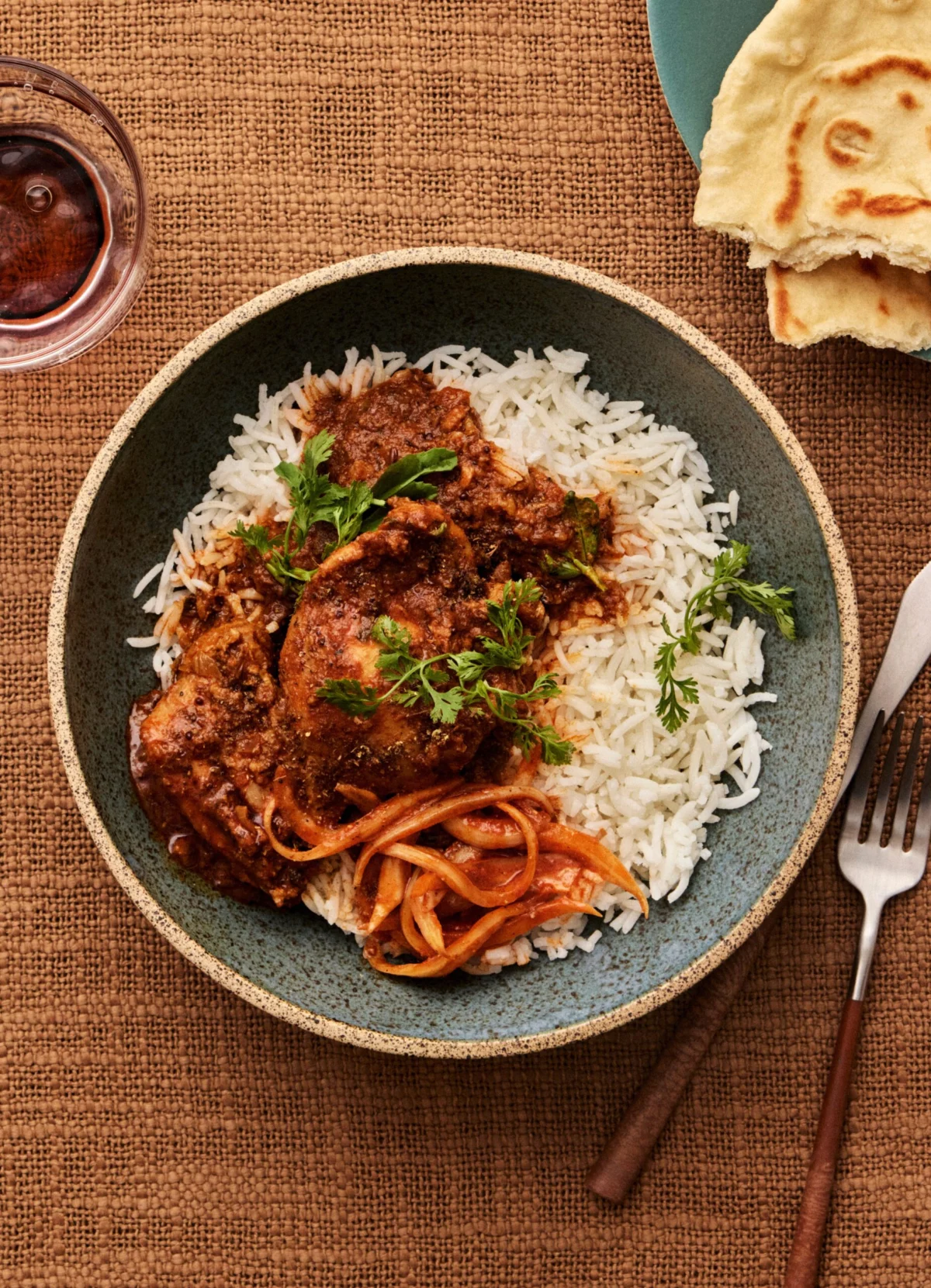
Complementing the rich main courses are Gurjar’s "Insanely Addictive Pickled Onions," a recipe that exemplifies how simple ingredients, when combined thoughtfully, can elevate an entire meal. This condiment, described with an emphatic adjective, promises a burst of flavor that cuts through richness and adds a vibrant, tangy counterpoint. The recipe utilizes one medium yellow onion, thinly sliced into half-moons, which forms the core of this zesty preparation. The pickling liquid and seasoning are a dynamic mix: two tablespoons of lime juice provide the essential acidity, while two tablespoons of Kashmiri red chili powder contribute a vivid color and mild heat. Two teaspoons of chaat masala introduce a complex, tangy, and savory-sweet flavor profile, often characterized by black salt and dry mango powder. A half teaspoon of cayenne powder adds a sharper, more direct heat, balanced by a half teaspoon of fine sea salt.
The process is further enriched by tempering spices in oil: two tablespoons of peanut oil (or an alternative vegetable or avocado oil) are heated, and one teaspoon of cumin seeds are bloomed in it. This infused oil is then poured over the onions and spices, a technique known as "tadka" or "chhonk," which is ubiquitous in Indian cooking. This final step not only distributes the flavors but also subtly cooks the onions, softening them slightly while retaining their characteristic bite. The "addictive" quality of these pickled onions lies in their intricate balance of sour, spicy, salty, and aromatic notes, making them an indispensable accompaniment to nearly any Indian dish, from curries to flatbreads. Their inclusion highlights Gurjar’s understanding of how essential side elements contribute significantly to the overall dining experience, transforming a meal into a sensory journey.
The Heart of the Meal: Chicken Kari
The Chicken Kari recipe stands as a testament to the layered complexity and aromatic richness characteristic of Indian main courses. This dish, designed to be both comforting and exhilarating, requires a harmonious blend of fresh aromatics, whole and ground spices, and tender chicken. The base of the flavor profile is built upon a paste made from a 2-inch (5-cm) piece of fresh ginger, four peeled garlic cloves, and three green Thai chiles (or one serrano), all finely chopped. This pungent trio forms the initial flavor foundation, providing a sharp, piquant kick.

The main protein, two pounds (910 g) of boneless, skinless chicken thighs, trimmed of excess fat and cut into 2-inch (5-cm) pieces, is preferred for its tenderness and ability to absorb flavors. The seasoning begins with two and a half teaspoons of fine sea salt. The cooking process starts with a generous quarter cup (80 ml) of vegetable or avocado oil, heated to temper a diverse array of whole spices: one teaspoon of cumin seeds, a half teaspoon of black mustard seeds, a half teaspoon of black peppercorns, five whole cloves, one fresh or dried bay leaf, one star anise, and one 3-inch (7.5-cm) cinnamon stick, broken into small pieces. This initial infusion of whole spices into hot oil builds a complex aromatic base that permeates the entire dish.
Following the tempering of whole spices, one medium red or yellow onion, finely chopped, is sautéed until softened, forming the sweet and savory foundation for the curry. Ground spices are then introduced: one tablespoon of ground coriander, one tablespoon of Kashmiri red chili powder (for color and mild heat), one tablespoon plus one teaspoon of Gurjar’s homemade Garam Masala (integrating the earlier foundational recipe), two teaspoons of cayenne powder (for a more pronounced heat), and one teaspoon of powdered turmeric (for color, earthiness, and health benefits). These spices are bloomed in the oil with the onions, intensifying their flavors before three tablespoons of tomato paste are stirred in, adding a rich umami depth and slight acidity. Finally, one tablespoon plus one teaspoon of packed fresh fenugreek leaves are added, providing a distinctive bitter-sweet, maple-like aroma that is a hallmark of many Indian curries. The Chicken Kari is traditionally served garnished with fresh cilantro leaves and lime wedges, with Gurjar’s "Insanely Addictive Pickled Onions" and steamed rice or Indian flatbread completing the meal, creating a holistic and immersive dining experience.
The Broader Culinary Landscape and Market Impact
The publication of "East to East" arrives at a time of escalating global interest in authentic and diverse culinary traditions. Data from various market analyses consistently show a rising demand for international cuisines, with Indian food often ranking among the top choices for consumers seeking flavorful and exotic dining experiences. The global spice market, a direct beneficiary of such trends, has seen steady growth, projected to reach significant valuations in the coming years, driven by increased awareness of spice health benefits and their role in complex flavor profiles. Cookbooks that demystify these complex cuisines, like Gurjar’s, play a crucial role in translating restaurant-quality dishes into achievable home cooking projects.
Furthermore, the "East to East" narrative aligns with a broader movement in the food industry towards celebrating culinary heritage and the stories behind the recipes. Authors like Rachel Gurjar, who bridge cultural divides through their work, contribute significantly to this trend, fostering cultural exchange and understanding through the universal language of food. The emphasis on making foundational elements, such as Garam Masala, from scratch, speaks to a growing segment of home cooks who prioritize quality, control over ingredients, and a deeper engagement with the cooking process. This approach encourages culinary literacy and a more profound appreciation for the intricate labor and knowledge embedded in traditional dishes.
Industry reactions to such a comprehensive and culturally significant cookbook are anticipated to be highly positive. Food critics are likely to commend Gurjar’s meticulous detail, authentic voice, and the accessibility of her recipes despite their inherent complexity. Publishers like Chronicle Books benefit not only from sales but also from the cultural capital generated by contributing to the diversification of culinary literature. The book’s potential to become a staple in kitchens globally could also have ripple effects, stimulating demand for specific spices and ingredients, thereby impacting agricultural and import sectors that supply these exotic goods.
Implications for Home Cooks and Cultural Exchange
"East to East" is poised to empower a new generation of home cooks, providing them with the tools and confidence to explore the rich tapestry of Indian cuisine beyond typical takeout fare. By breaking down intricate recipes like Chicken Kari into manageable steps and emphasizing the importance of foundational elements like homemade Garam Masala, Gurjar makes what might seem daunting, approachable. This pedagogical approach not only teaches recipes but also cultivates an understanding of flavor principles and culinary techniques intrinsic to Indian cooking.
The book’s dual focus on Mumbai and New York also serves as a powerful metaphor for the evolving nature of global food culture. It illustrates how culinary traditions travel, adapt, and enrich new environments while retaining their core identity. This aspect promotes a deeper cultural appreciation, moving beyond mere consumption to an understanding of the historical, social, and personal narratives woven into each dish. As readers delve into Gurjar’s stories and recipes, they embark on their own journey, connecting with a heritage that is both deeply personal to the author and universally appealing in its celebration of flavor and community. "East to East" is therefore not just a guide to cooking but an invitation to experience the world through taste, fostering a more interconnected and gastronomically adventurous global community. Its release in 2026 is eagerly awaited as a significant event in the culinary calendar, promising to enrich countless kitchens and inspire countless meals.
