

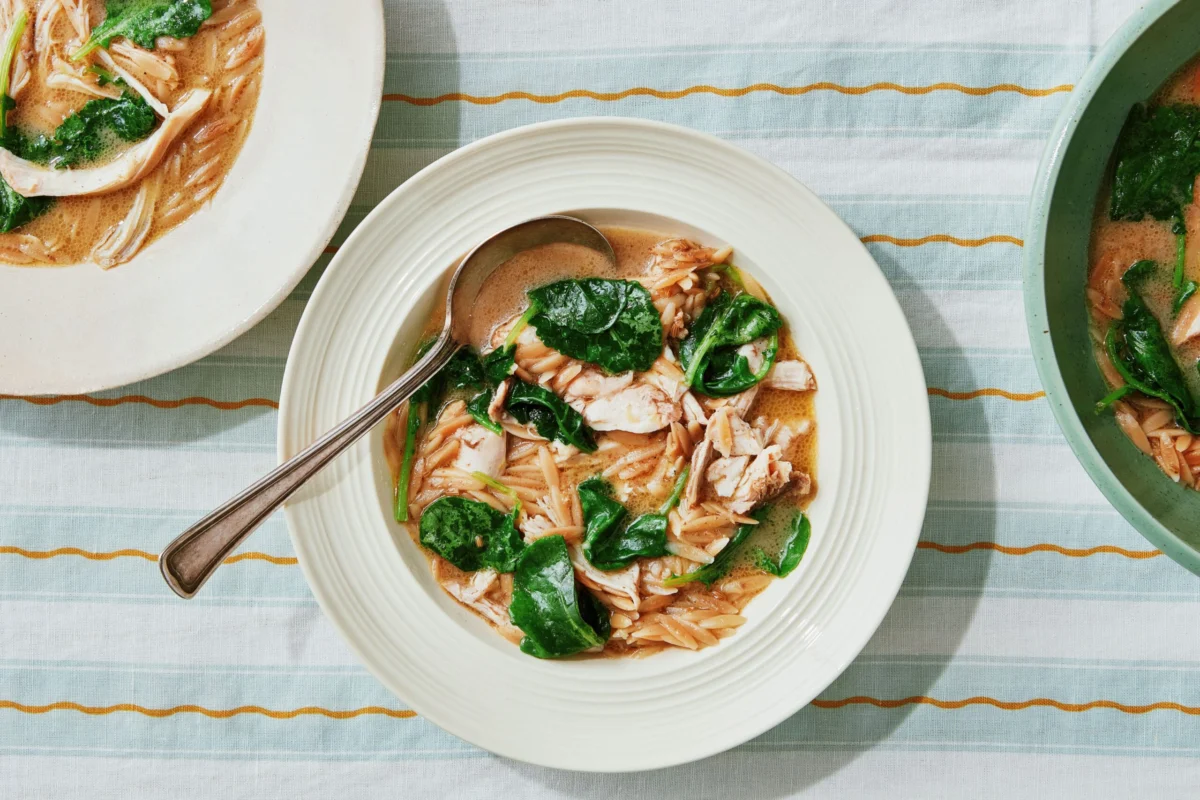
A recent culinary development has re-imagined the venerable chicken noodle soup, drawing profound inspiration from the traditional Egyptian "bird tongue soup," or Lisan Al Asfour. This innovative rendition transcends the conventional, introducing a warming, spice-tinged chicken broth elevated by a truly distinctive element: deeply toasted orzo pasta. The approach marks a notable intersection of global culinary heritage with contemporary cooking techniques, promising a comforting yet unexpectedly flavorful experience that resonates with both historical depth and modern palate preferences.
The Genesis of an Innovation: From Traditional Roots to Modern Interpretation
Chicken noodle soup holds an almost sacrosanct position in the global culinary lexicon, universally recognized as a quintessential comfort food. Its history is long and varied, with iterations found across numerous cultures, often prescribed for its restorative properties during illness or simply cherished for its warmth and nourishing qualities. From its humble origins as a peasant dish utilizing readily available ingredients to its modern status as a beloved staple, the fundamental appeal lies in its simplicity, its aromatic broth, and the tender textures of chicken and noodles. Historically, various Jewish communities have long revered chicken soup as "Jewish penicillin," a testament to its perceived healing powers, while countless households worldwide turn to it as a culinary embrace. Its enduring popularity is rooted in a combination of sensory comfort, ease of preparation, and its capacity to evoke feelings of nostalgia and well-being. The market for chicken soup ingredients, from prepared broths to fresh poultry, consistently demonstrates robust demand, reflecting its unwavering presence in consumer diets.
The inspiration for this contemporary reinterpretation, however, springs from a distinct and rich tradition: Egyptian Lisan Al Asfour. Literally translating to "bird tongue" soup, this staple of Egyptian cuisine features tiny, rice-shaped pasta, typically orzo or risoni, simmered in a rich, savory broth, often made from chicken or lamb. Unlike its Western counterpart, Lisan Al Asfour is characterized by its unique pasta preparation: the orzo is typically toasted in butter or oil before being added to the broth. This pre-toasting step is not merely for color; it fundamentally alters the pasta’s texture and flavor profile, imparting a nutty depth and a superior resistance to overcooking. In Egyptian households, Lisan Al Asfour is more than just a soup; it is a symbol of hospitality, often served to guests, during family gatherings, particularly throughout the holy month of Ramadan for breaking the fast, and as a nourishing meal for children and the infirm. Its origins are deeply intertwined with the culinary practices of the wider Mediterranean and Middle Eastern regions, where small pasta shapes and flavorful broths form the backbone of many comforting dishes. The cultural significance lies in its ability to provide sustenance and warmth, reflecting a culinary philosophy that prioritizes both flavor and nourishment.
The conceptual bridge between the familiar chicken noodle soup and the exotic Lisan Al Asfour is where this new recipe finds its innovative footing. By adopting the core technique of toasting the orzo, the recipe seeks to inject a new dimension into a classic, moving beyond a simple ingredient swap to a transformative culinary process. This cross-cultural inspiration highlights a growing trend in global cuisine, where traditional methods from one region are skillfully applied to dishes from another, creating novel and exciting flavor experiences while paying homage to their origins.
The Star Ingredient: The Transformative Power of Toasted Orzo
The true distinguishing feature of this enriched chicken noodle soup lies in its meticulous handling of the orzo pasta. In a departure from conventional chicken noodle preparations, which typically involve boiling noodles directly in the broth, this recipe mandates toasting the orzo in butter until it achieves a "deeply golden and nutty-fragrant" state. This seemingly simple step is, in fact, a culinary game-changer, fundamentally altering the pasta’s personality and performance within the soup.
Orzo, a small, rice-shaped pasta, also known as risoni in some regions, boasts a rich history, tracing its lineage back to the pasta-making traditions of Italy. While its exact origins are debated, pasta resembling orzo has been a staple in Mediterranean diets for centuries, valued for its versatility and ability to absorb flavors. In its untoasted form, orzo offers a delicate texture, but when subjected to the Maillard reaction through toasting, its attributes are significantly enhanced. The process of toasting in butter causes the starches on the pasta’s surface to caramelize, developing a complex, nutty aroma and flavor profile that would be entirely absent in plain, boiled pasta. This deepens the pasta’s intrinsic taste, allowing it to contribute a foundational flavor note to the soup rather than merely acting as a textural filler.
Beyond flavor, the textural implications of toasting are paramount. Untoasted pasta, when simmered in hot soup, tends to absorb liquid rapidly, often leading to a limp, mushy texture if not consumed immediately. This is a common complaint with traditional chicken noodle soup, where noodles can quickly become overcooked and lose their structural integrity. The pre-toasting of orzo, however, creates a protective barrier, essentially "sealing" the pasta and enabling it to retain an al dente bite for significantly longer. This ensures that each spoonful offers a satisfying chew, maintaining its shape and texture throughout the meal, even as it continues to steep in the warm broth. This attribute is particularly valuable for meal preparation, as it allows the soup to be enjoyed over a longer period without a noticeable degradation in quality. Culinary science supports this observation: the partial dehydration and surface hardening caused by toasting inhibit rapid water absorption, thus preserving the pasta’s desirable texture. This technique, borrowed directly from the Egyptian culinary tradition, elevates the orzo from a mere accompaniment to a central, defining characteristic of the dish, underscoring the recipe’s innovative spirit.
A Symphony of Flavors: The Spice Profile and Broth Foundation
The depth of flavor in this re-envisioned chicken noodle soup extends far beyond the toasted orzo, meticulously building upon a foundation of aromatic spices and a robust broth. The recipe introduces a distinct "spice-tinged" character, a direct homage to the rich culinary traditions of the Middle East, particularly Egypt. Key spices include crushed fennel seeds, freshly ground pepper, ground cardamom, and ground cloves, complemented by the piquant warmth of finely grated fresh ginger. This selection of spices is deliberate, chosen for its ability to create a harmonious and complex flavor profile that is both comforting and subtly exotic.
Fennel seeds contribute a gentle, sweet anise-like note, adding an unexpected layer of brightness. Cardamom, a cornerstone of Middle Eastern and Indian cooking, imparts a distinctive floral, slightly citrusy and sweet aroma, elevating the broth beyond typical savory notes. Cloves provide a warm, pungent, and slightly sweet undertone, rounding out the spice blend with an earthy depth. Fresh ginger introduces a zesty, slightly peppery kick, offering a refreshing counterpoint to the richer spices and chicken. Together, these spices are not merely additions but integral components that infuse the broth with a complex aroma and taste, creating a sensory experience far removed from the more monochromatic flavor profile of traditional chicken noodle soup. The strategic use of these spices reflects a nuanced understanding of how aromatics can transform a dish, moving it from familiar to fascinating.
The quality of the broth forms the very soul of this soup. The recipe emphasizes the critical role of a high-quality liquid base, recommending store-bought chicken broth, stock, or bouillon paste for an "extra boost of flavor that chicken thighs and water alone can’t compete with." For those seeking an even more profound depth, the suggestion of chicken bone broth underscores a commitment to richness and nutritional value. Bone broth, known for its gelatinous texture and concentrated umami, contributes a mouthfeel and flavor complexity that enriches the entire soup, enhancing the absorption of the spice notes and providing a more satisfying culinary experience. The choice of skinless, boneless chicken thighs is also intentional; thighs are celebrated for their higher fat content compared to breast meat, which translates to a more succulent texture and richer flavor when simmered in the broth, preventing dryness and contributing to the overall savory character of the soup.
Finally, the dish is brightened and balanced with fresh elements added at the end of the cooking process. A generous amount of finely grated lemon zest introduces a vibrant, aromatic citrus note that awakens the palate, while fresh lemon juice provides a crucial acidity, cutting through the richness of the broth and spices, creating a refreshing finish. The incorporation of baby kale or spinach adds a welcome touch of freshness, a slight bitterness to balance the savory components, and a significant nutritional boost, infusing the soup with vitamins and minerals. This thoughtful layering of ingredients, from the foundation of the broth and chicken to the complexity of the spices and the finishing brightness of citrus and greens, culminates in a soup that is both deeply comforting and remarkably sophisticated.
Culinary Trends and Broader Implications
This innovative chicken noodle soup stands as a compelling example of several significant trends currently shaping the global culinary landscape. Its fusion of a beloved Western comfort food with Egyptian inspiration speaks directly to the increasing appetite for globalized flavors and cross-cultural culinary exchange. Food anthropologists and culinary critics have widely observed a shift towards more adventurous and diverse palates among consumers, driven by increased travel, digital media exposure to international cuisines, and a general desire for novel gastronomic experiences. This recipe, therefore, is not merely a dish but a reflection of a broader cultural movement towards culinary exploration and appreciation.
The phenomenon of global fusion cuisine has been steadily gaining momentum for decades, evolving from sometimes awkward combinations to sophisticated integrations that respect the integrity of each tradition. This particular recipe exemplifies a thoughtful approach to fusion, where a specific technique (toasting orzo) and a distinctive spice profile from one culture are seamlessly woven into the fabric of another, enhancing rather than merely altering the original. Such developments contribute to a richer, more diverse culinary lexicon, fostering understanding and appreciation of different foodways. However, discussions around "appreciation versus appropriation" remain crucial in this context. Responsible culinary innovation involves deep respect for the source culture, understanding the history and significance of ingredients and techniques, and giving due credit, as this recipe does by explicitly mentioning its Egyptian inspiration.
The impact on home cooking trends is also significant. Recipes like this, published by influential food media outlets such as Bon Appétit, play a pivotal role in democratizing access to global flavors. They empower home cooks to experiment with ingredients and techniques that might once have seemed intimidating or inaccessible. The detailed instructions and ingredient lists provide a pathway for individuals to recreate complex flavor profiles in their own kitchens, thereby broadening their culinary horizons and skill sets. This contributes to a more informed and adventurous home cooking culture, moving beyond traditional recipe boundaries.
Furthermore, the emphasis on high-quality ingredients, from robust broths to fresh spices and greens, aligns with a growing consumer demand for healthier, more wholesome food options. There is an increasing awareness of the nutritional benefits of home-cooked meals, and recipes that incorporate fresh vegetables, lean proteins, and flavorful spices without relying on excessive fats or processed ingredients resonate strongly with health-conscious individuals. The nourishing qualities of a well-made soup, particularly one fortified with fresh ginger, kale or spinach, and a quality protein source, position it as a meal that caters to both comfort and wellness.
From an economic perspective, the popularization of such recipes can have ripple effects throughout the food industry. Increased demand for specific spices like cardamom and cloves, or specialized pasta shapes like orzo, can influence agricultural production, import markets, and the stocking decisions of grocery retailers. It also highlights the commercial viability of culinary innovation, demonstrating how unique twists on familiar dishes can capture consumer interest and drive sales. The consistent reporting by culinary publications like Bon Appétit, with their extensive reach, ensures that these trends are not isolated but become part of the mainstream discourse, shaping consumer preferences and industry directions.
The Recipe’s Practicality and Accessibility
Despite its sophisticated flavor profile and cross-cultural inspiration, the practicality and accessibility of this recipe are key to its broader appeal. The ingredients list, while featuring specific spices, comprises items that are increasingly available in standard grocery stores across North America and Europe. Chicken thighs, olive oil, butter, and common vegetables like ginger and kale/spinach are staples. Even the specialized spices such as fennel seeds, cardamom, and cloves are now widely stocked in most supermarkets, reflecting the diversification of global food supply chains and consumer demand for international flavors. Orzo pasta itself is a common item found in the pasta aisle. This broad availability ensures that home cooks do not need to seek out specialty stores, making the recipe an attainable culinary project rather than an esoteric one.
The preparation method, while involving an additional step of toasting the orzo, remains straightforward. The instructions, when followed, guide the cook through a logical sequence of building flavors, from sautéing the chicken and spices to simmering the broth and finally incorporating the pasta and fresh elements. This structured approach, characteristic of well-developed recipes, minimizes complexity and maximizes the likelihood of success for cooks of varying skill levels. The emphasis on using readily available high-quality broths also streamlines the process, reducing the time and effort typically associated with making broth from scratch, while still ensuring a rich flavor base.
Furthermore, the inherent versatility of a soup recipe allows for a degree of adaptation by home cooks. While the core elements (toasted orzo, spice profile) define the dish, individuals could potentially experiment with different types of greens, incorporate other vegetables like carrots or celery for added depth, or even explore alternative proteins if desired, though chicken thighs are specifically recommended for their flavor contribution. This adaptability enhances the recipe’s long-term utility in a home kitchen, allowing for personalization within the established framework of its unique flavor profile.
A New Standard for Comfort Food?
This Egyptian-inspired chicken noodle soup represents more than just a new recipe; it signifies a thoughtful evolution in the realm of comfort food. By blending the deeply ingrained familiarity of chicken noodle soup with the rich, aromatic traditions of Egyptian cuisine and an innovative approach to pasta preparation, it offers a fresh perspective on what constitutes a truly satisfying and flavorful meal. It challenges the conventional, demonstrating that even the most cherished classics can be re-imagined through a lens of global culinary exchange and meticulous technique.
The distinctive character imparted by the toasted orzo, coupled with the warming, nuanced spice blend and robust broth, positions this soup as a potential new staple for those seeking both comfort and an adventurous palate. It serves as a testament to the power of food to transcend cultural boundaries, to educate, and to bring joy through novel sensory experiences. As culinary landscapes continue to expand and intertwine, recipes like this will undoubtedly inspire further innovation, pushing the boundaries of traditional cooking and inviting diners on a continuous journey of discovery. The ongoing dialogue between global culinary traditions promises a future where comfort food is not only nostalgic but also dynamically diverse and endlessly intriguing.
