

The trajectory of human experience is frequently defined by the tension between physical capability and unforeseen medical adversity. For Jodi Ettenberg, a former corporate attorney turned travel author and advocate, this tension has manifested in a decade-long struggle with a debilitating spinal cerebrospinal fluid (CSF) leak and the subsequent psychological phenomenon known as "living grief." However, a recent sequence of events involving a stranger in New York City and a decade-old flea market purchase has resulted in the recovery of over 15 years of lost digital archives, providing a rare intersection of medical tragedy and digital serendipity.
Medical Background: Understanding Spinal Cerebrospinal Fluid Leaks
A spinal cerebrospinal fluid (CSF) leak occurs when a hole or tear develops in the dura mater, the outermost layer of the meninges that surrounds the brain and spinal cord. This allows the fluid that cushions the central nervous system to escape, leading to a decrease in fluid volume and pressure. According to the Spinal CSF Leak Foundation, the most common symptom is an orthostatic headache—a severe headache that worsens when upright and improves when lying flat.
In the case of Ettenberg, the condition was iatrogenic, sustained during a lumbar puncture procedure in August 2017. While some leaks heal spontaneously or through procedures such as an epidural blood patch, a subset of patients remains "unfixable" due to underlying genetic factors. Ettenberg has noted that her recovery was complicated by Ehlers-Danlos Syndrome (EDS) and other connective tissue disorders, which affect the body’s ability to repair dural tissue. The medical reality for such patients is often a transition from a high-functioning, mobile lifestyle to one of profound physical limitation, often necessitating a recumbent existence to manage neurological symptoms.
Chronology of Loss: 2008–2024
The timeline of Ettenberg’s experience is marked by two distinct types of loss: the loss of physical function and the loss of personal history.

- 2008–2010: The Transition to Global Travel. After resigning from a legal career in 2008, Ettenberg began a sabbatical that evolved into the digital platform "Legal Nomads." During this period, she documented extensive travels through Southeast Asia and South America.
- 2010: The First Brooklyn Burglary. While in Brooklyn, Ettenberg’s residence was burgled. The perpetrator seized a laptop and all external hard drives containing the original high-resolution photography of her initial world travels, law school graduation, and family archives. At the time, cloud storage was not yet a standard industry practice for high-volume photography.
- 2017: The Medical Precipice. Exactly seven years later, during a period coinciding with her birthday month, Ettenberg underwent the lumbar puncture that resulted in a chronic CSF leak. Simultaneously, a second burglary occurred at her temporary residence in New York, where her replacement equipment and bags were stolen.
- 2018–2023: Chronic Illness and Advocacy. Aside from a brief period of successful sealing in 2018, Ettenberg remained largely bedbound. During this time, she transitioned her work toward medical advocacy and the study of patient experiences in the chronic illness community.
- August 2023: The Digital Restoration. Days before her 47th birthday, a filmmaker named Ariel contacted Ettenberg via social media, claiming to possess files belonging to her.
Psychological Framework: The Theory of Living Grief and Ambiguous Loss
The experience of chronic illness is often categorized by psychologists as "living grief," a subset of what Dr. Pauline Boss defined in 1999 as "ambiguous loss." In her seminal work, Ambiguous Loss: Learning to Live with Unresolved Grief, Boss describes losses that lack finality or official recognition.
There are two primary types of ambiguous loss:

- Physical Absence with Psychological Presence: Such as a missing person or a divorce where the person is gone but remains in the mind.
- Physical Presence with Psychological Absence: Such as dementia, where the person is physically there but their personality or "self" has vanished.
Chronic illness, particularly when it results in the loss of mobility and career identity, creates a unique third category. The patient is physically present but the "life" they once led is absent. Ettenberg’s analysis of this state emphasizes the "exhaustion of aggregate grief"—the compounding effect of discovering new limitations daily. Unlike bereavement, which follows a socially recognized ritual (such as a funeral), living grief lacks a formal tapestry of support. Society often expects "progress" or "recovery," and when a patient fails to improve, the resulting social isolation can lead to "othering" or victim-blaming.
The Digital Restoration: A Decade-Long Search for Identity
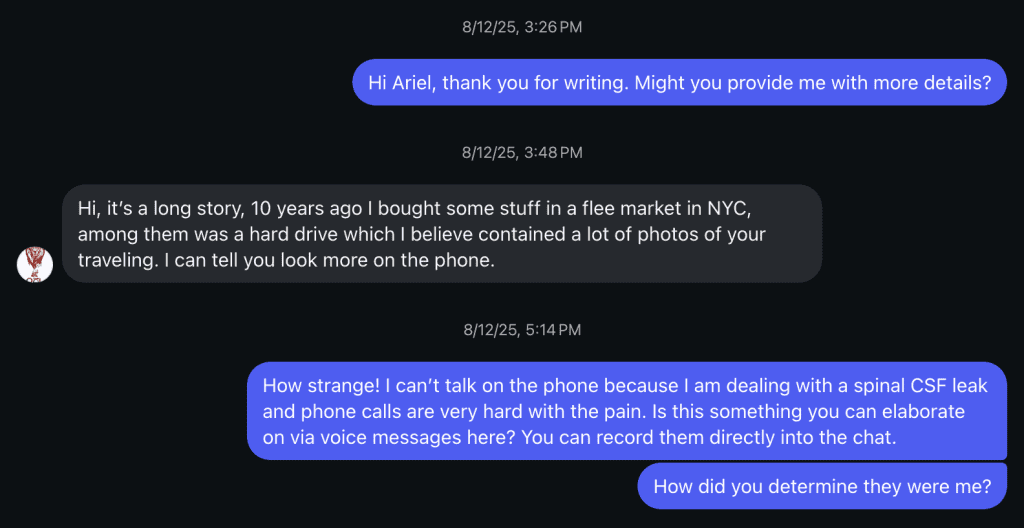
The recovery of Ettenberg’s lost archives serves as a significant case study in digital forensics and human altruism. The individual who contacted her, a New York-based filmmaker named Ariel, had purchased several external hard drives at a Brooklyn flea market over a decade prior.
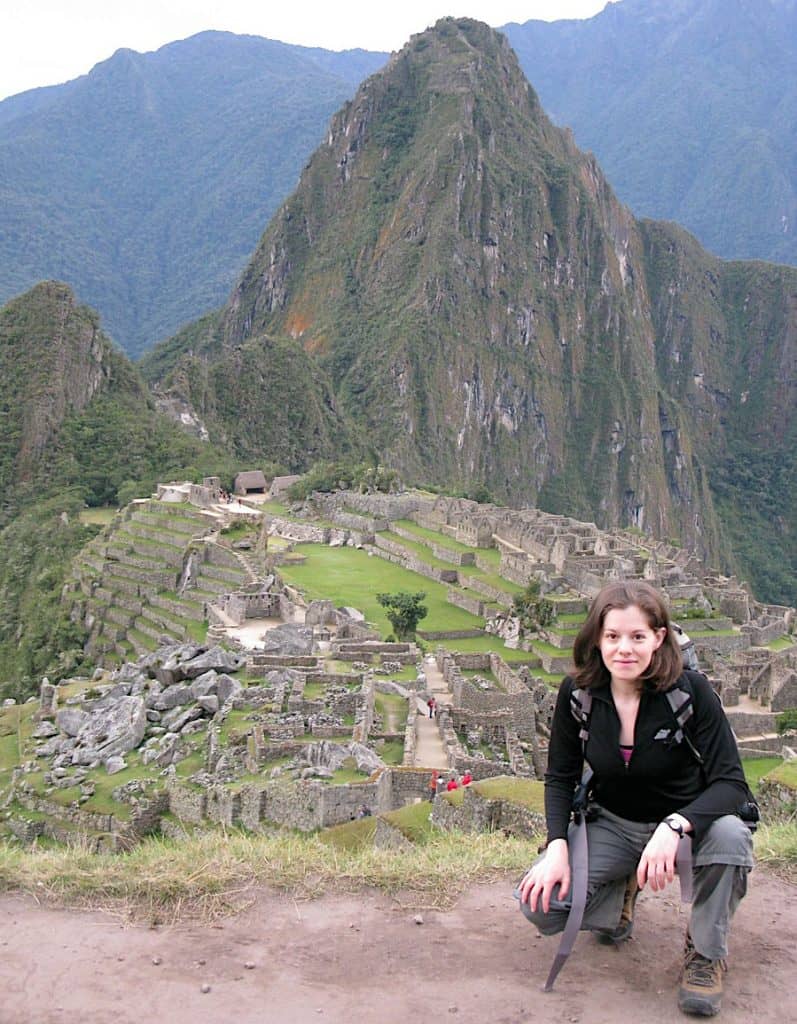
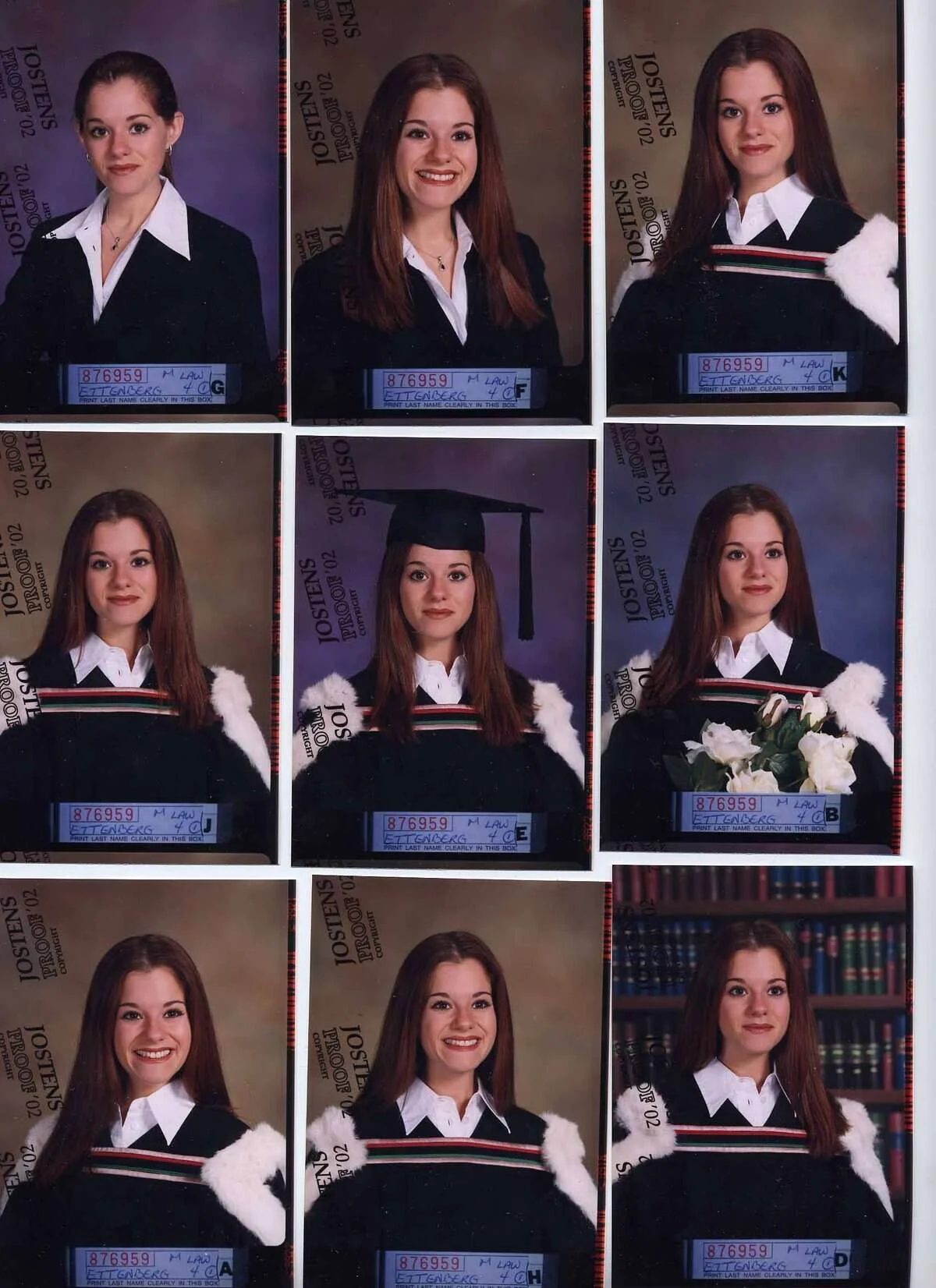
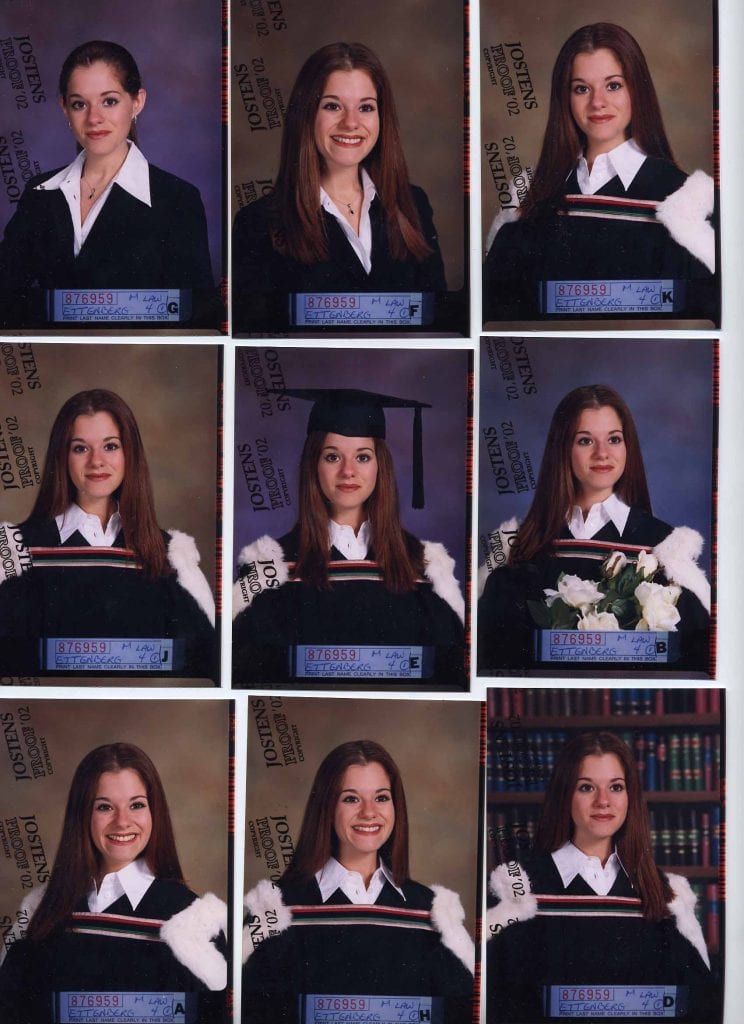
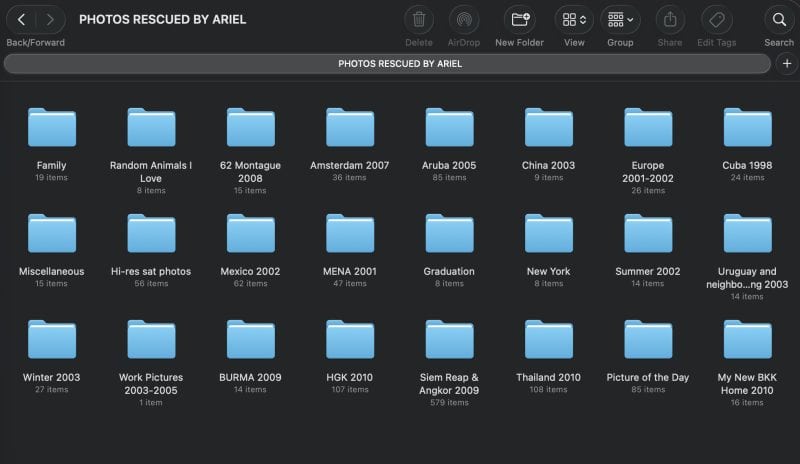
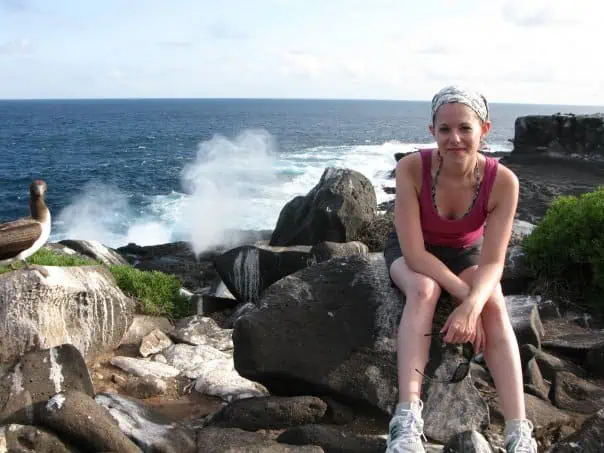
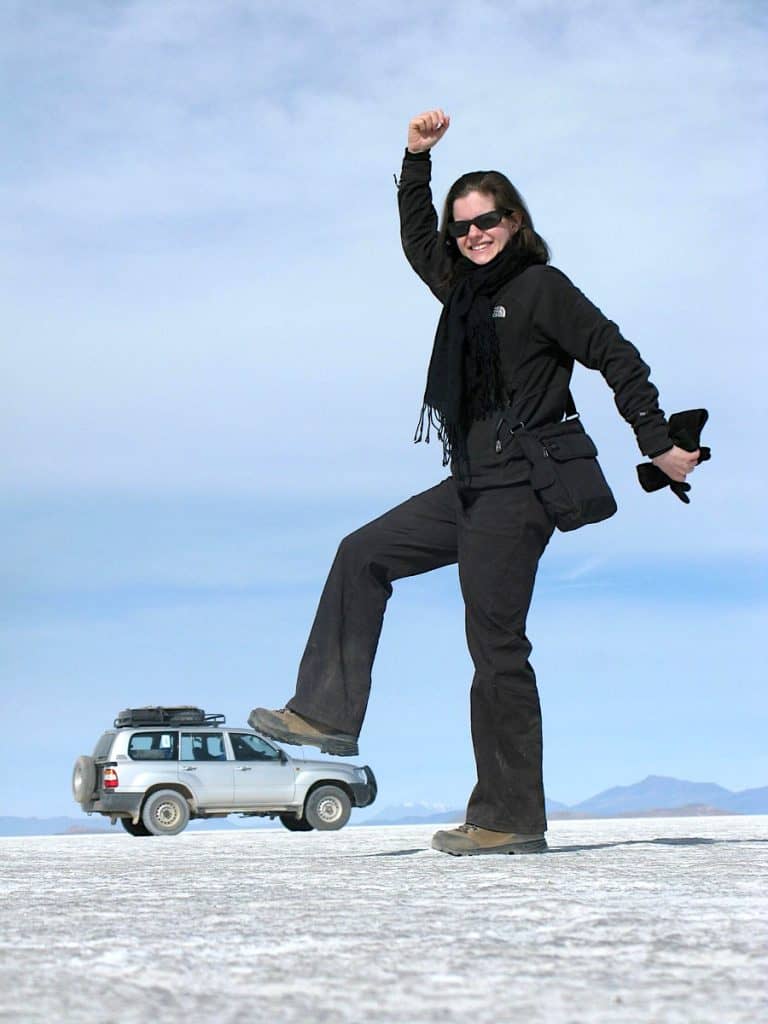
Upon attempting to reformat the drives for professional use, Ariel discovered folders containing personal photographs. Recognizing that the images—ranging from law school graduation proofs to remote travel photography in Mongolia and the Galápagos—represented a significant personal history, he opted to back up the data to his own servers before reformatting the hardware.

The timeline of the reunion was delayed by a decade due to Ariel’s own life events, including familial bereavement and international film projects. In August 2023, he utilized the names found on the graduation proofs to locate Ettenberg online. The verification process was straightforward; despite the passage of 15 years and the onset of chronic illness, Ettenberg’s physical features remained recognizable from her law school proofs. On her 47th birthday, Ettenberg received a digital transfer containing thousands of images she believed were permanently destroyed in the 2010 burglary.
Data and Supporting Analysis: The Value of Personal Narrative
The restoration of these memories highlights the role of "narrative identity" in psychological resilience. Research in the Journal of Personality and Social Psychology suggests that the ability to construct a coherent life story—supported by visual evidence like photography—is crucial for mental well-being, particularly when facing trauma.

For a patient living with a CSF leak, who is often confined to a single room, the return of these archives offers a "re-entry" into their own past. Ettenberg noted that for years, looking at travel photos was a source of "physical pain" due to the stark contrast with her current reality. However, the unexpected return of the files catalyzed a shift in perspective, allowing for a sense of wonder and "awe" to coexist with the grief of disability.
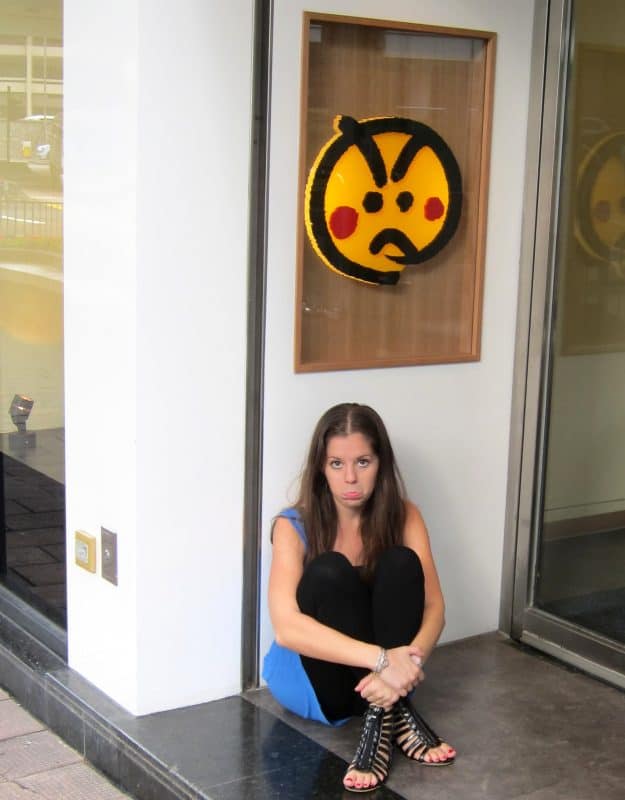
Supporting Statistics on Data Loss and Recovery
- Prevalence of Data Loss: According to a 2021 study by Backblaze, 20% of computer users have never backed up their data, and 51% of data loss occurs due to hardware failure or theft.
- Psychological Impact: A study by Western Digital found that 45% of respondents felt "devastated" by the loss of digital photos, ranking it higher than the loss of physical jewelry or expensive electronics.
- The "Serendipity" Factor: While no formal statistics exist for the return of stolen digital goods after a decade, the "found-at-flea-market" narrative is a recurring theme in digital archiving circles, often categorized as "orphan works" or "found photography."
Broader Societal Implications: The Reality of Long-Term Disability
The narrative of Jodi Ettenberg and the returned memories provides a window into the systemic challenges faced by the disabled community. Modern society is largely structured for the able-bodied, often prioritizing "productivity" as a metric of human worth.
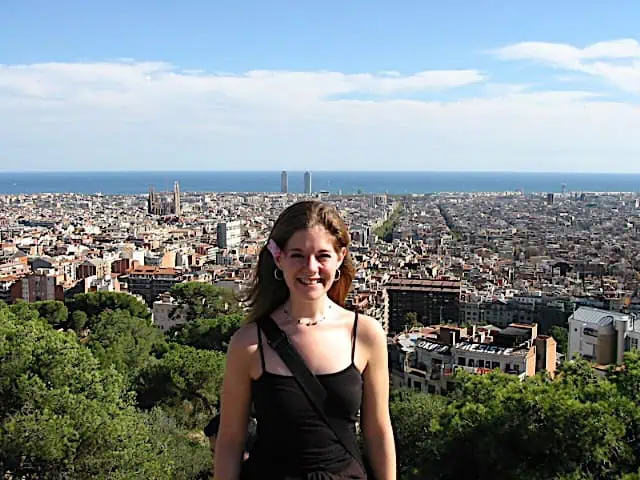
Ettenberg’s writing highlights a critical disconnect: the expectation of "fighting harder" to achieve a cure. In medical reality, many conditions, including chronic CSF leaks, are not a matter of willpower but of biological and surgical limitations. The "living grief" she describes is exacerbated by a discourse that often pokes holes in the patient’s experience, accusing them of "performing illness" when their capacity fluctuates.

The recovery of her photos does not cure the spinal leak, nor does it restore her ability to climb mountains. However, it serves as a form of "identity insurance." In a world where her physical presence is restricted, her digital past has been validated and returned.

Conclusion and Future Outlook
As Jodi Ettenberg enters her late 40s, her focus remains on advocacy and helping others navigate the complexities of "ambiguous loss." The return of fifteen years of memories stands as a testament to human decency and the unpredictable nature of time. While the month of August remains a period of "negotiation" with grief—marking both her birth and the anniversary of her disability—the addition of a "digital homecoming" provides a necessary counterweight to the weight of chronic illness.

The case serves as a reminder to the digital age: while hardware is ephemeral and health is fragile, the human impulse to preserve and return the "story" of another remains a powerful force in mitigating the isolation of the human condition. For Ettenberg, the "two birds" of joy and grief continue to fly in tandem, a complex but essential part of the modern patient experience.
