

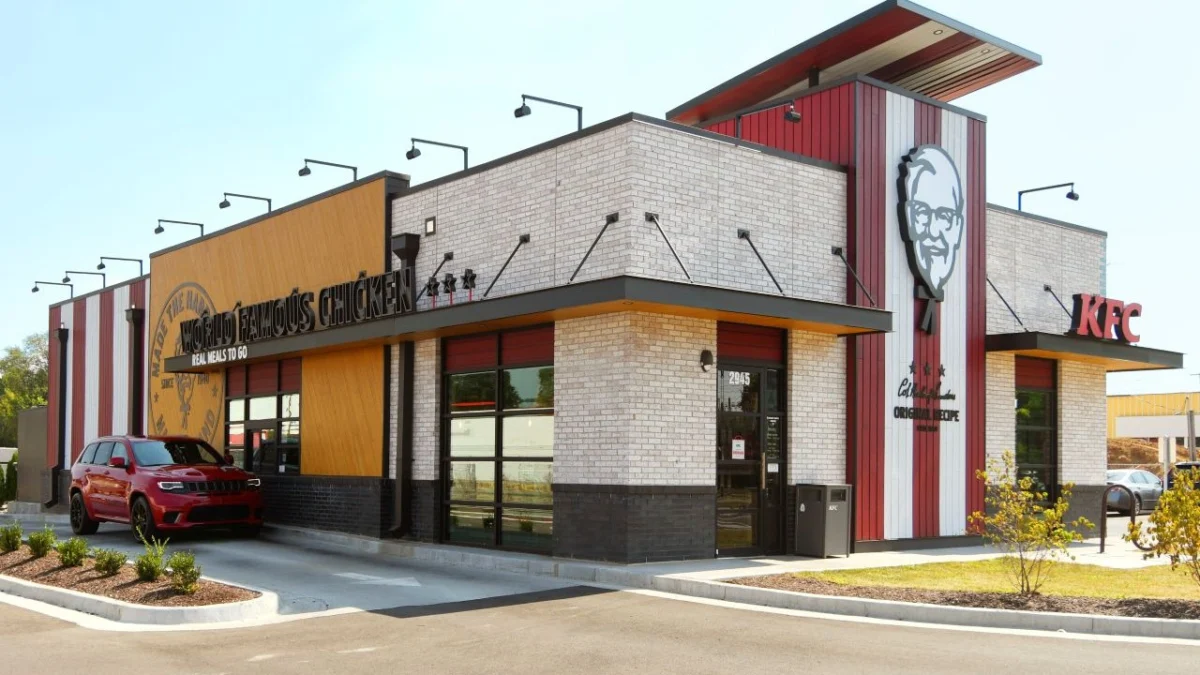
In a significant shift set to redefine the beverage landscape for one of America’s most iconic fast-food chains, KFC U.S. has announced it will transition its beverage offerings from PepsiCo products to The Coca-Cola Company’s portfolio. This monumental change marks the end of an exclusive, 40-year partnership with PepsiCo, a relationship that has been intertwined with KFC’s brand identity in the U.S. for decades. The comprehensive rollout is slated to begin in January 2027, with Coca-Cola beverages expected to be available in all KFC restaurants across the nation by the spring of 2027.
This strategic realignment is not merely a change in what’s poured into customers’ cups; it represents a broader ambition by KFC to evolve its brand, strengthen its operational infrastructure, and enhance the overall customer experience. KFC President Catherine Tan-Gillespie articulated this vision, stating, "I’m incredibly excited to bring KFC and Coca-Cola together. These are two originals, with deep consumer love. This partnership is about more than what’s in the cup. It is another step in our work to evolve KFC, strengthen our restaurants, menu offerings and create a more relevant experience for today’s customers. Coca-Cola shares our ambition for the future of this brand, and I’m excited about what we can create together."
The decision to part ways with PepsiCo, a company that acquired KFC in 1986 and established the exclusive beverage alliance, signals a deliberate move by KFC to align with a partner whose portfolio and innovation strategies are perceived to better support its future growth objectives. While PepsiCo will continue to be a beverage partner for KFC in international markets, the U.S. market, with its immense consumer base and competitive pressures, is the focal point of this transformative agreement.
A New Chapter for KFC Beverages
The transition to Coca-Cola products is designed to complement KFC’s ongoing efforts to revitalize its brand and menu. In recent years, KFC has been actively engaged in a comprehensive "comeback plan," initiated shortly after Tan-Gillespie assumed her role last year. This plan aims to counteract years of market share erosion and has already seen the introduction of refreshed marketing campaigns, new value-driven menu items, and the reintroduction of beloved classics such as potato wedges and popcorn chicken. The company has acknowledged a period where it was "loved but latent," necessitating a surge of new initiatives to re-energize its connection with consumers.
This beverage partnership is poised to play a crucial role in this revitalization. Coca-Cola’s extensive beverage range, encompassing everything from its flagship cola to a diverse array of sparkling, still, and juice-based options, is expected to offer KFC a more dynamic and appealing selection for its customers. This is particularly relevant as KFC looks to expand its beverage platform beyond traditional fountain drinks. The chain’s new Open House prototype, showcased in McKinney, Texas, exemplifies this forward-thinking approach, featuring an expanded "Sips" lineup that includes innovative offerings like lemonades, boba refreshers, and Krunch shakes. The integration with Coca-Cola’s vast portfolio is anticipated to further bolster these new beverage categories and enhance daypart offerings, responding to significant consumer demand for more varied and exciting drink choices.
Strategic Rationale and Market Dynamics
The move from an exclusive, long-standing partnership to a new one is a strategic maneuver driven by evolving market demands and the competitive landscape within the quick-service restaurant (QSR) sector. The QSR industry is characterized by intense competition, with brands constantly seeking ways to differentiate themselves and capture consumer loyalty. For KFC, the beverage component of the dining experience is a critical touchpoint that can significantly impact customer satisfaction and repeat business.
Coca-Cola, a global beverage giant with a formidable presence in foodservice, brings a wealth of innovation, marketing expertise, and a deep understanding of consumer preferences. Dagmar Boggs, Coca-Cola’s President of Foodservice & On-Premise, North America, expressed enthusiasm for the new alliance, stating, "This exciting new partnership brings Coca-Cola and KFC together across the U.S. for the first time. By pairing KFC’s iconic food and flavors with the breadth of Coca-Cola’s beverage portfolio and innovation capabilities, we have an incredible opportunity to make every visit more refreshing, create memorable consumer experiences and unlock new growth possibilities together."
This sentiment underscores the synergistic potential of the partnership. KFC’s world-renowned fried chicken, a staple for decades, will now be paired with Coca-Cola’s iconic beverage brands. The expectation is that this combination will not only enhance the immediate dining experience but also create new avenues for co-branded marketing initiatives and promotional activities, further strengthening both brands.
A Look Back at the PepsiCo Era
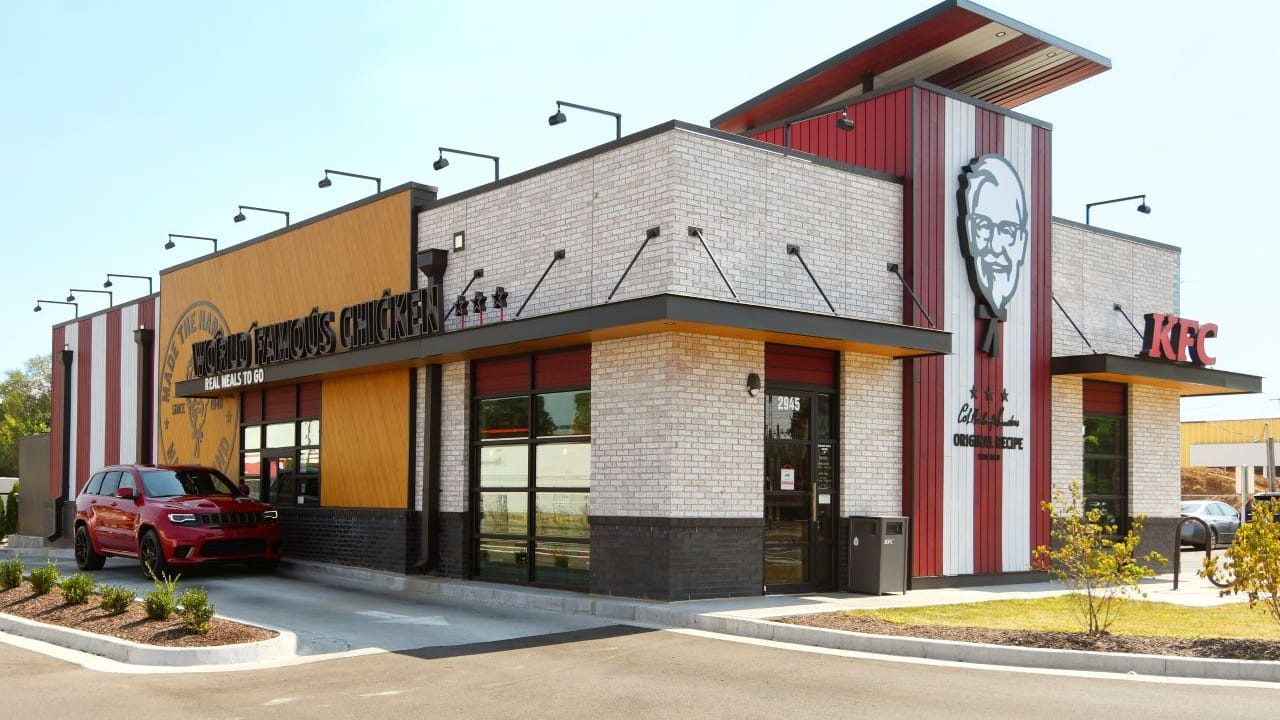
The relationship between KFC and PepsiCo has been a cornerstone of the fast-food landscape for nearly four decades. When PepsiCo acquired KFC in 1986, it solidified a strategic alignment that saw Pepsi become the exclusive beverage partner for U.S. KFC locations. This arrangement continued even after PepsiCo spun off KFC, along with Pizza Hut and Taco Bell, into Yum Brands in 1997. Over the years, this exclusivity fostered a strong association in the minds of consumers, with the distinct taste of Pepsi products becoming synonymous with the KFC dining experience for generations.
The longevity of this partnership highlights its success in terms of operational integration and brand consistency. However, the decision to end it suggests that the strategic imperatives and growth opportunities for KFC have shifted. The QSR industry is dynamic, with consumer tastes, technological advancements, and competitive pressures constantly reshaping the market. For KFC, the move to Coca-Cola is likely a calculated response to these evolving factors, aimed at injecting new energy and a fresh perspective into its beverage strategy.
The Broader Implications for the QSR Industry
The implications of this monumental shift extend beyond KFC and Coca-Cola. It serves as a stark reminder of the competitive nature of the beverage supply agreements within the QSR sector. These partnerships are not merely transactional; they represent significant strategic alliances that can influence brand perception, operational efficiency, and revenue streams for both parties.
For competitors of KFC, this change presents an opportunity to re-evaluate their own beverage partnerships and consider potential advantages of aligning with either Coca-Cola or PepsiCo. For PepsiCo, while the loss of exclusivity in the U.S. market for KFC is a notable development, its continued partnership in international markets and its vast portfolio of other QSR clients mitigate the impact. The company will likely focus on strengthening its relationships with other key partners and exploring new opportunities.
Furthermore, this move underscores the increasing importance of beverage innovation and customization within the QSR space. As consumers demand more diverse and health-conscious options, as well as unique flavor experiences, beverage partners are expected to offer more than just standard sodas. The inclusion of boba, lemonades, and specialty shakes in KFC’s evolving beverage strategy, facilitated by its new partnership, indicates a broader trend towards a more comprehensive beverage offering.
A Glimpse into the Future
As KFC gears up for this significant transition, the focus will be on a seamless execution of the rollout. The phased approach, beginning in January 2027 and concluding by spring, aims to minimize disruption for both customers and franchisees. The success of this partnership will hinge on effective co-marketing strategies, operational integration, and the ability of both companies to leverage their respective strengths to create a compelling and differentiated customer experience.
The coming months will likely see further announcements regarding specific product offerings, promotional activities, and marketing campaigns that will highlight the new alliance. For consumers, the most immediate impact will be the change in their beverage choices at KFC restaurants. The long-term success, however, will be measured by KFC’s ability to translate this strategic shift into tangible improvements in customer satisfaction, brand perception, and ultimately, market share growth. The collaboration between KFC and Coca-Cola represents a significant development in the QSR industry, signaling a new era for both brands and setting a precedent for future strategic partnerships in the competitive food and beverage marketplace.
This article was written by Alicia Kelso, Executive Editor, Nation’s Restaurant News, and published on October 15, 2026. It was read in approximately 2 minutes.
