

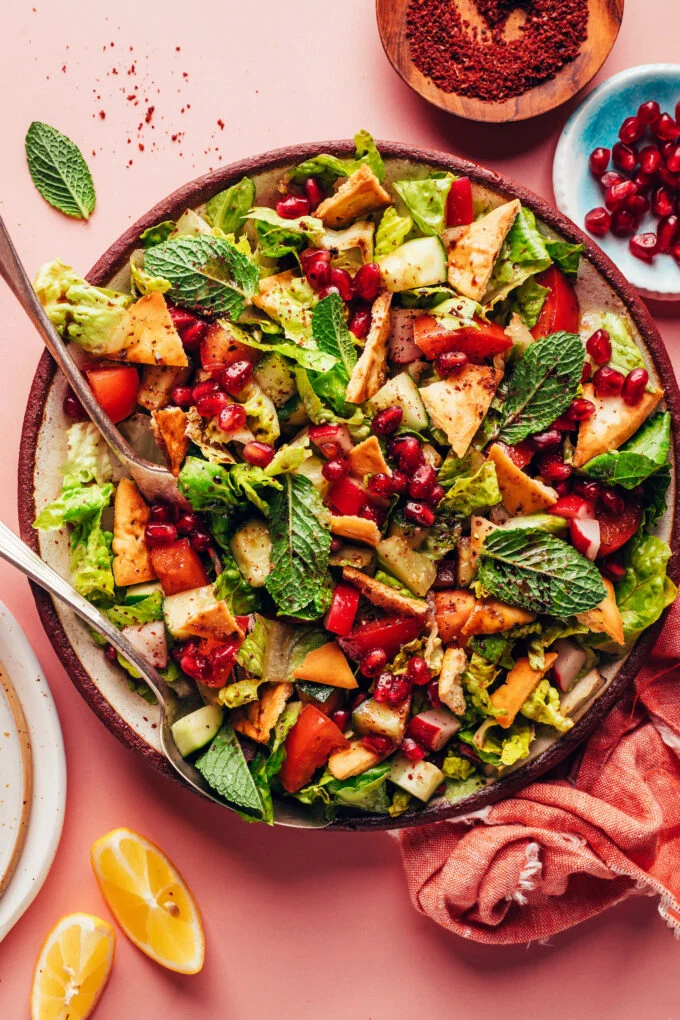
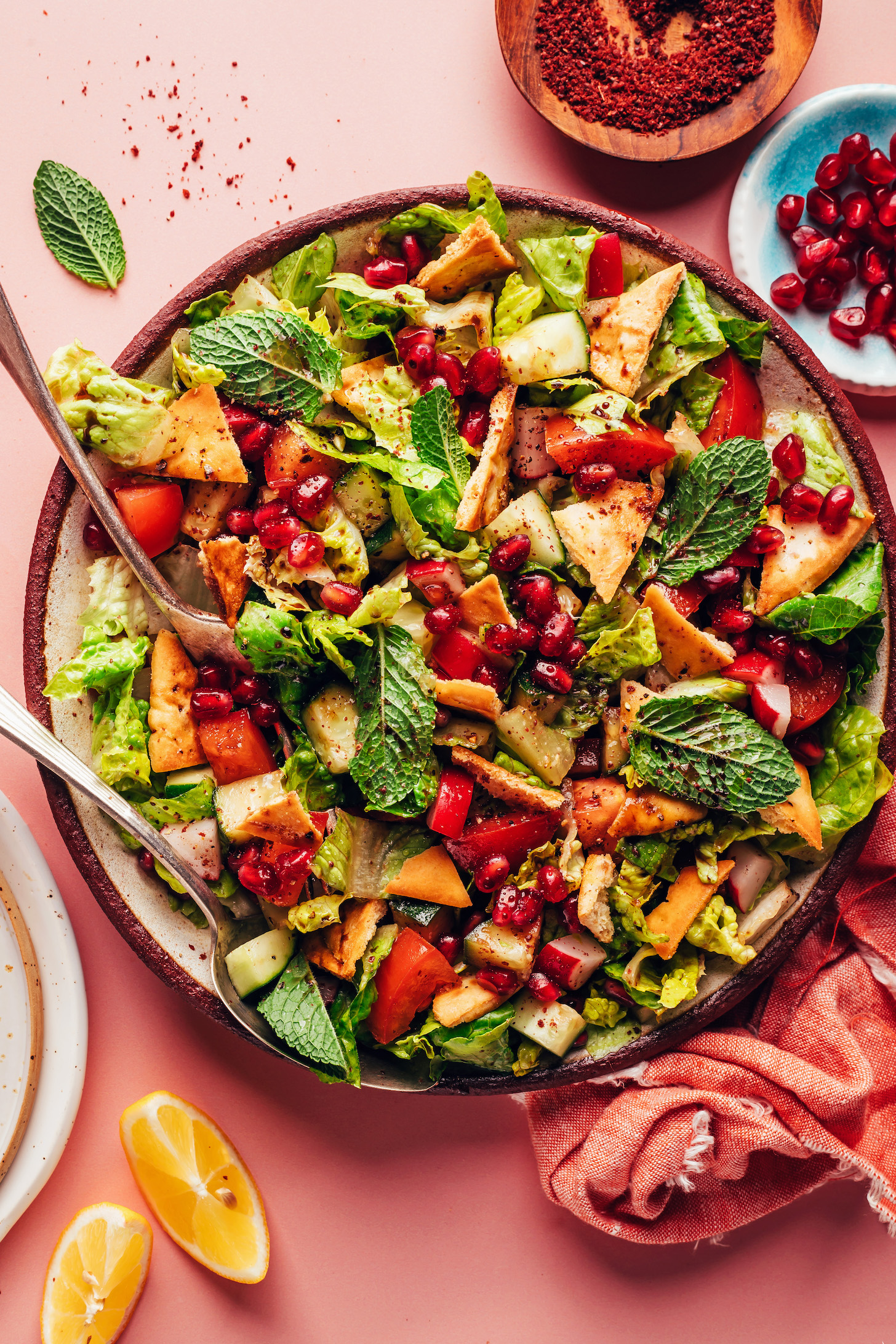
The culinary landscape is consistently evolving, with a growing emphasis on dishes that marry authentic flavors with modern demands for speed and simplicity. A prime example of this trend is the emergence of weeknight-friendly adaptations of classic recipes, such as the "Easy Fattoush Salad (1 Bowl!)," an inspired take on the traditional Levantine staple. This particular rendition promises a vibrant, crunchy, and refreshing experience, designed to be prepared in a single bowl within a mere 20 minutes, making it an ideal candidate for busy schedules without compromising on taste or nutritional value. Characterized by its fresh, crisp vegetables, aromatic mint leaves, delightful crunch of pita chips, and the sweet-tart burst of pomegranate arils, all unified by a bright pomegranate dressing, this salad represents a fusion of culinary heritage and contemporary convenience.
The Historical and Cultural Roots of Fattoush
Fattoush, a celebrated salad originating from the Levant region—an area encompassing several countries in the Eastern Mediterranean, including Lebanon, Syria, Jordan, and Palestine—holds a significant place in Middle Eastern gastronomy. Historically, Fattoush was conceived as a resourceful dish, utilizing stale flatbread, typically pita, by toasting or frying it and incorporating it into a salad of fresh seasonal vegetables and herbs. This ingenious approach prevented food waste while creating a dish that was both satisfying and flavorful. The salad’s name itself, derived from the Arabic word "fatt" (فتّ), meaning to crumble or break, directly refers to the broken bread pieces that are its signature component. Over centuries, Fattoush has evolved into a symbol of Levantine hospitality and culinary ingenuity, commonly gracing tables as a refreshing appetizer or a light meal, particularly during warmer months or religious observances like Ramadan.
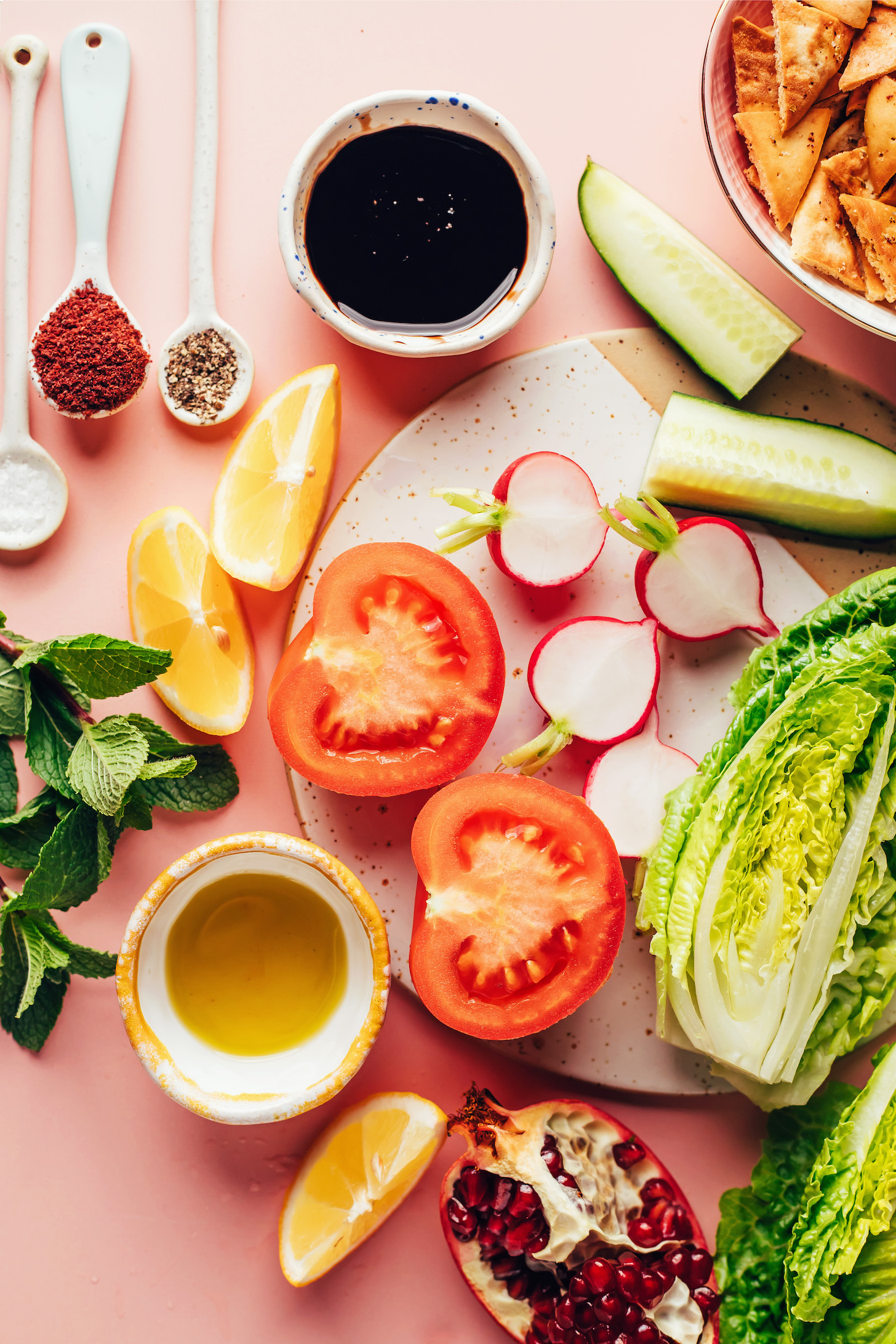
Traditional Fattoush recipes typically feature a medley of fresh ingredients such as chopped romaine lettuce, tomatoes, cucumbers, radishes, green bell peppers, and fresh herbs like parsley and mint. The dressing is a crucial element, traditionally comprising olive oil, lemon juice, and a distinctive spice called sumac. Sumac, derived from the dried and ground berries of the sumac flower, imparts a unique tangy, slightly fruity flavor and a beautiful reddish hue, which is indispensable to the authentic taste of Fattoush. Another common and often essential ingredient is pomegranate molasses, a thick, dark syrup made from reduced pomegranate juice. This ingredient adds a profound depth of sweet-tartness and a glossy finish to the dressing, enhancing the salad’s overall complexity and brightness. The interplay of crunchy vegetables, soft herbs, crispy bread, and the vibrant, acidic dressing creates a textural and flavor profile that is both invigorating and deeply satisfying.
Modern Adaptation: The "Minimalist Baker" Approach
The "Easy Fattoush Salad (1 Bowl!)" recipe from Minimalist Baker consciously streamlines this rich tradition for the modern home cook. The emphasis on a "1-bowl" preparation underscores a commitment to minimizing cleanup, a significant factor for individuals balancing work, family, and other commitments. The 20-minute preparation time further highlights its practicality as a weeknight meal solution, directly addressing the widespread demand for quick-to-assemble yet nutritious dishes. This adaptation, while simplifying the process, remains faithful to the core elements that define Fattoush: fresh, crunchy produce, aromatic herbs, and a distinctive, bright dressing. The development process for this recipe prioritized ease and accessibility as guiding principles, aiming to democratize a beloved regional dish for a broader audience seeking both speed and authentic flavor.
Key Ingredients and Their Role
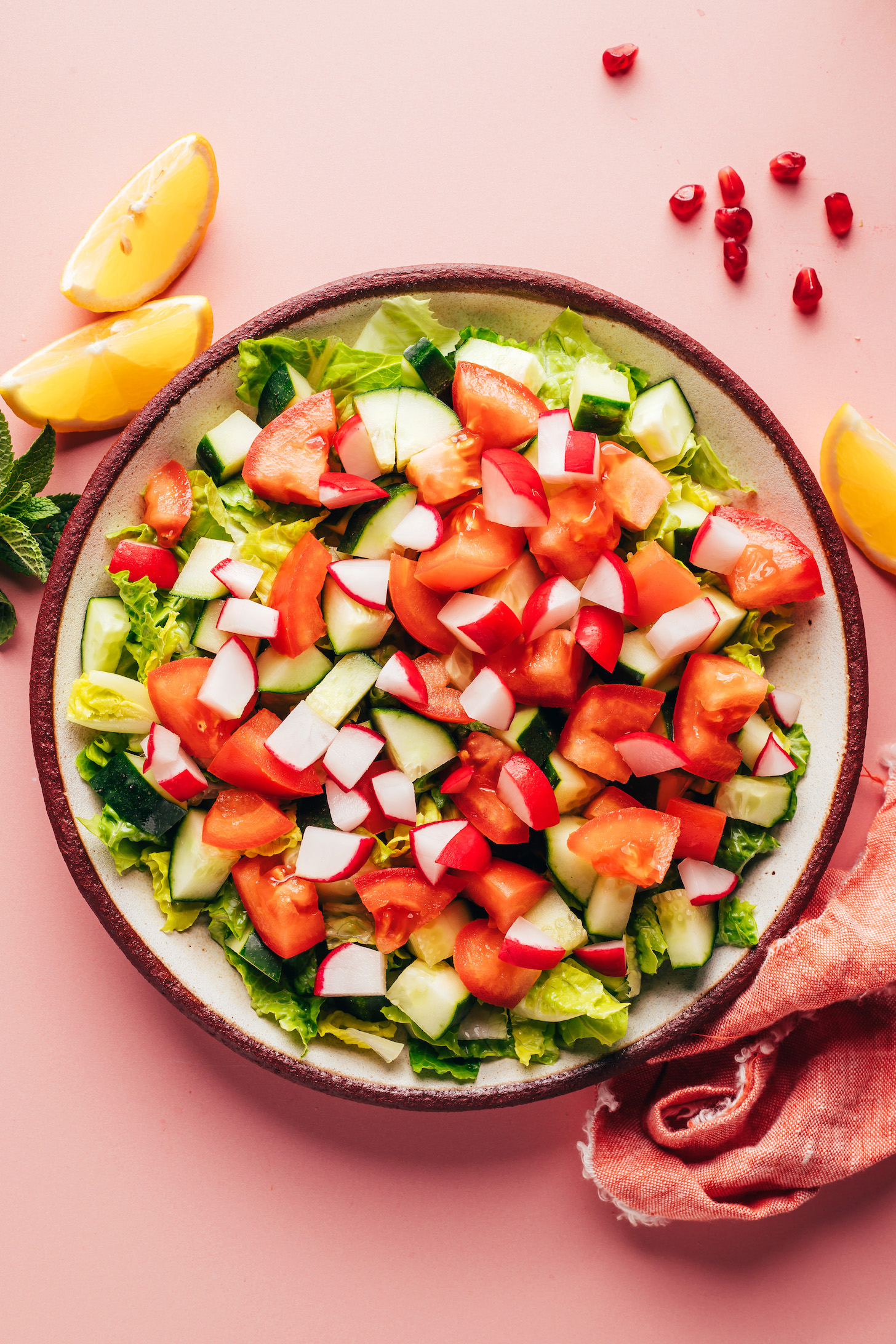
The foundation of this simplified Fattoush begins with a base of fresh chopped romaine lettuce. Romaine is chosen for its appealing crisp texture and relatively neutral flavor, providing an excellent canvas for the other ingredients. This choice aligns with traditional practices while offering a widely available and consistent ingredient. Following the romaine, a colorful assortment of fresh, crunchy vegetables is introduced, including cucumbers, tomatoes, and radishes. The recipe highlights the importance of using seasonal, flavorful produce, ideally homegrown, to elevate the salad’s taste. This recommendation speaks to a broader culinary trend towards ingredient quality and farm-to-table freshness, acknowledging that the inherent flavor of the vegetables themselves contributes significantly to the dish’s overall success. While specific varieties like Persian or Lebanese cucumbers are suggested for their superior flavor, the recipe pragmatically notes that other cucumber types are acceptable, demonstrating flexibility for varying market availabilities. For optimal texture and flavor, there’s even an option to peel and remove seeds from cucumbers.
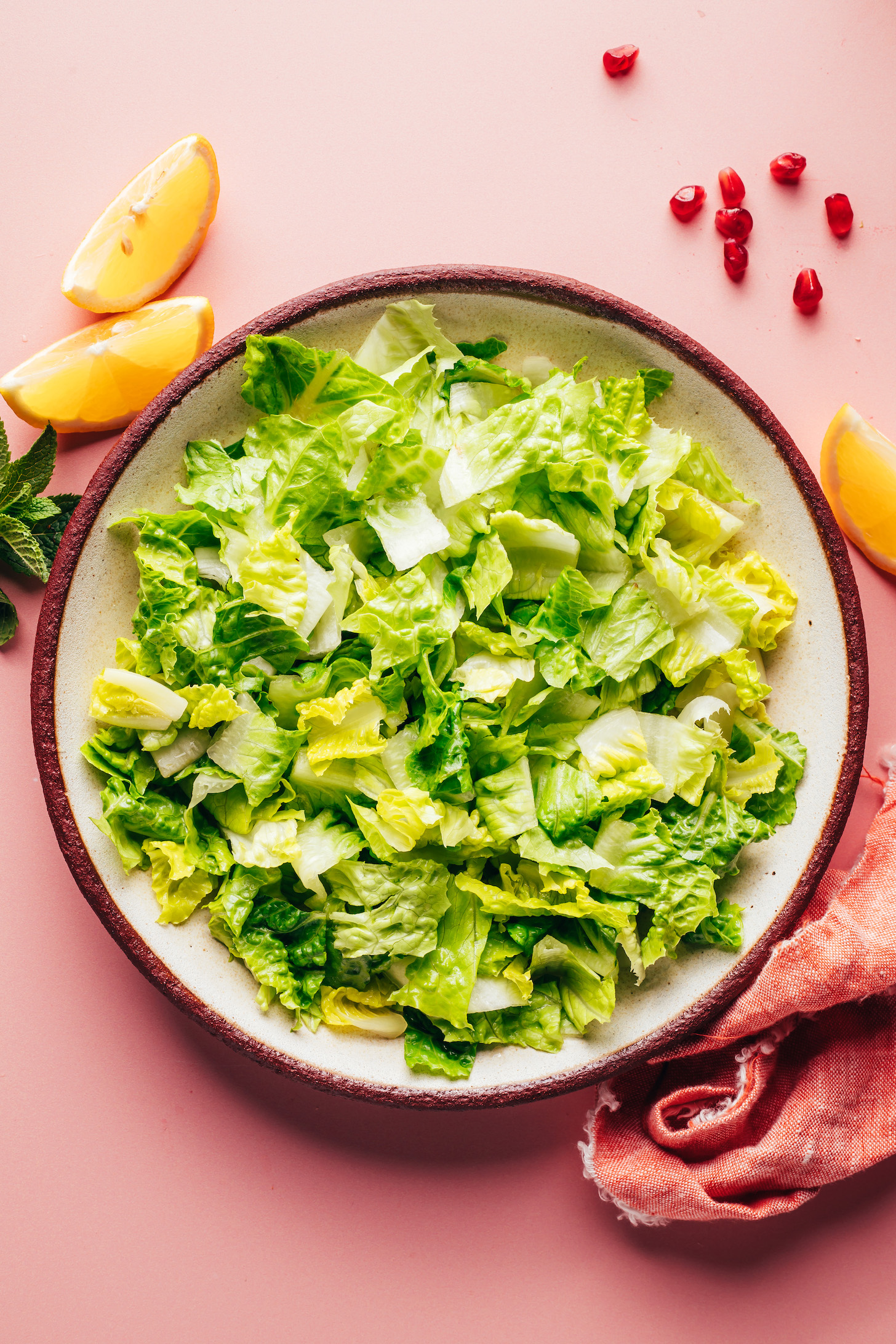
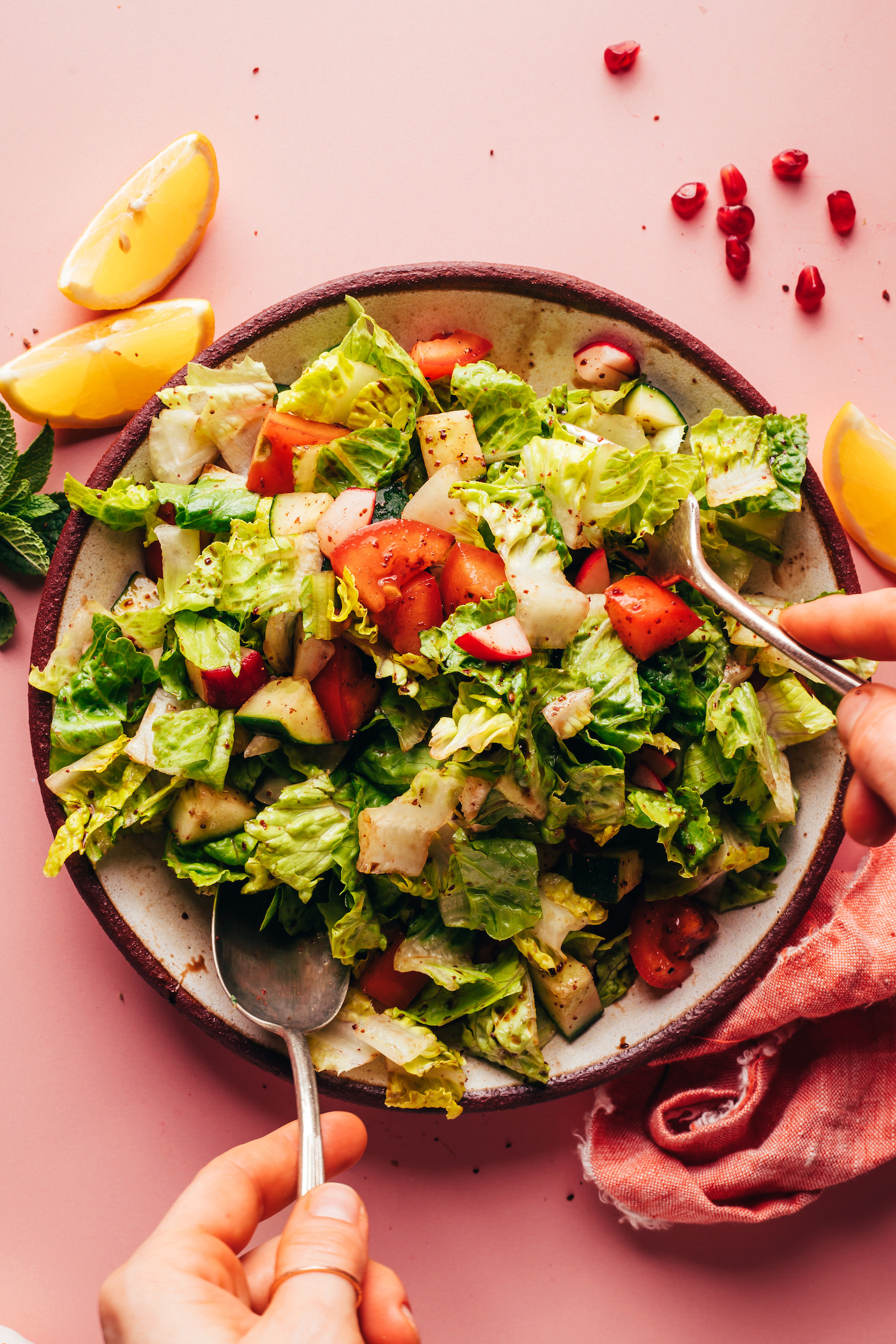
Central to the Fattoush experience is its distinctive dressing. In this simplified version, the dressing is ingeniously integrated through a "no-mix" approach. Instead of preparing the dressing separately, the lettuce and vegetables are directly tossed with a harmonious blend of lemon juice, pomegranate molasses, sumac, salt, and pepper. This method not only saves time but also ensures that each component of the salad is evenly coated with the vibrant flavors. The lemon juice provides a sharp, refreshing acidity, while the pomegranate molasses contributes its signature sweet-tart depth. Sumac delivers its characteristic tangy brightness, a taste profile often described as having notes of lemon and red wine vinegar. The inclusion of optional maple syrup and olive oil further allows for customization, providing additional balance depending on the natural sweetness of the pomegranate molasses and personal preference for richness. This adaptable dressing ensures the salad maintains the classically bright, bold, and pleasantly sour essence that is the hallmark of authentic Fattoush.
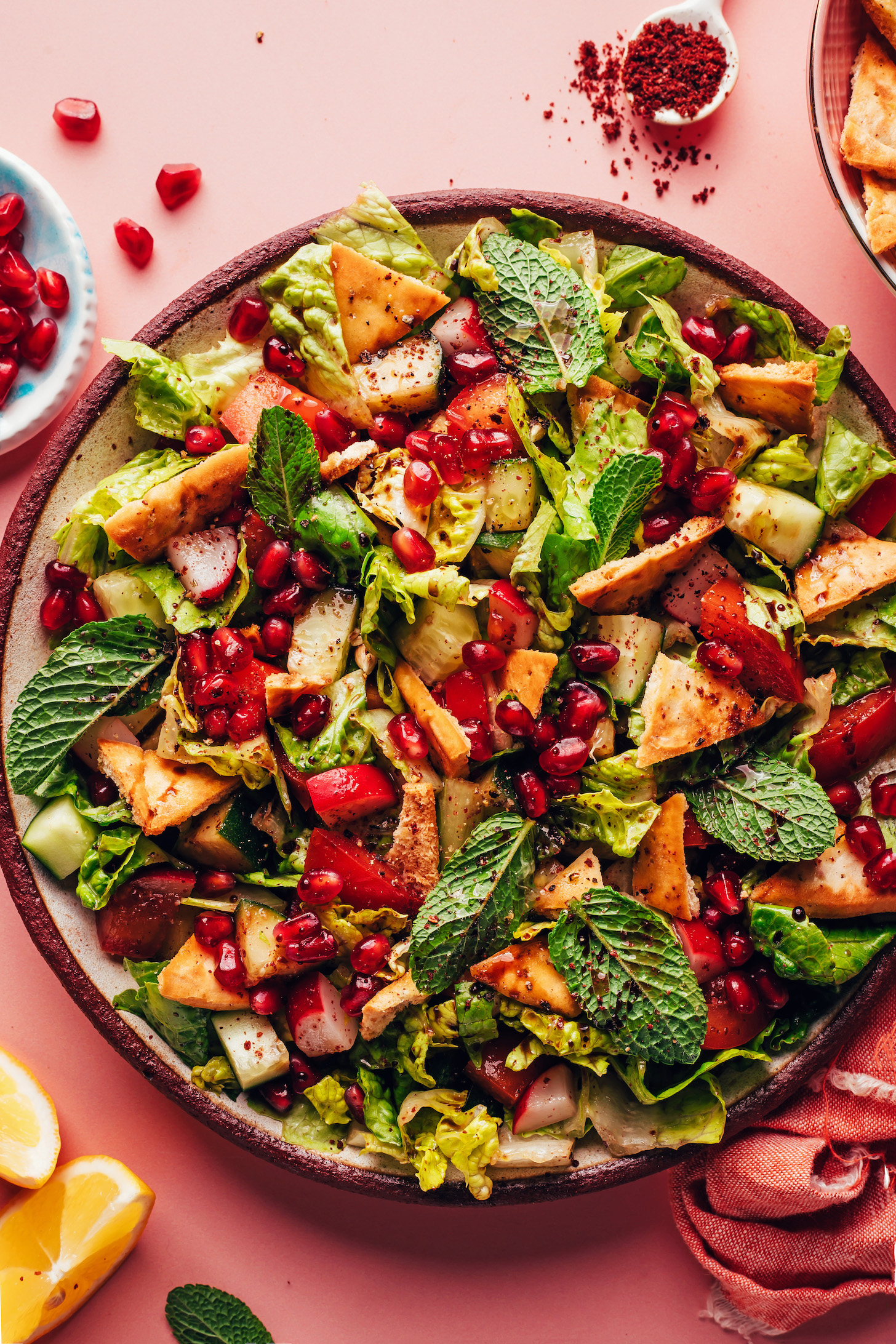
The final flourishes elevate the "Easy Fattoush Salad" from a simple vegetable mix to a truly invigorating culinary creation. Fresh mint leaves are incorporated, often kept whole, which not only enhances the visual appeal but also provides distinct bursts of herby freshness with every bite. Mint is a ubiquitous herb in Middle Eastern cuisine, prized for its cooling properties and aromatic intensity, making it an indispensable component of Fattoush. The textural dimension is further enriched by the addition of pita chips. While store-bought pita chips are recommended for convenience, acknowledging the recipe’s weeknight-friendly ethos, the recipe also thoughtfully includes instructions for making homemade pita chips. This option caters to those who prefer to utilize day-old flatbread or pita bread, aligning with the traditional origins of Fattoush and promoting a sustainable approach to food preparation. The homemade method involves cutting pita into small triangles, separating layers, drizzling with olive oil, and seasoning with optional dried oregano, sumac, and sea salt before baking until crisp. This detail underscores a balance between modern convenience and culinary authenticity. Finally, a generous scattering of vibrant pomegranate arils adds a burst of juicy sweetness and a stunning visual contrast, completing the salad’s complex flavor and textural profile.
Nutritional Profile and Health Implications
The broader implications of such accessible and culturally rich recipes are significant for contemporary dietary habits and culinary education. As global palates become more adventurous, there is a rising demand for recipes that offer exposure to diverse cuisines in an approachable format. This "Easy Fattoush Salad" serves as an excellent gateway for individuals to explore Mediterranean and Middle Eastern flavors, which are increasingly recognized for their health benefits. Industry reports, such as those from the International Food Information Council (IFIC), consistently highlight consumer interest in healthy eating, plant-based options, and ethnic foods. Data from market research firms often indicates a sustained increase in demand for quick-prep, wholesome meal solutions. Recipes like this Fattoush directly address these trends by offering a vegan, often gluten-free (with appropriate pita choice), and nutrient-dense option.
From a nutritional standpoint, Fattoush is inherently beneficial. Romaine lettuce provides vitamins A and K, and dietary fiber. Cucumbers are hydrating and offer electrolytes. Tomatoes are rich in lycopene, an antioxidant, as well as vitamin C. Radishes contribute vitamin C and a peppery bite. Mint is known for its digestive properties and antioxidants. Pomegranate arils are potent sources of antioxidants, particularly polyphenols, and fiber, which support heart health and digestion. Sumac also contains antioxidants and has been studied for potential health benefits. Olive oil, a staple of the Mediterranean diet, provides healthy monounsaturated fats. When combined, these ingredients create a meal that is low in saturated fat, high in fiber, and packed with essential vitamins and minerals, promoting overall well-being. The optional addition of chickpeas transforms this side dish into a complete, protein-rich light meal, perfect for those seeking plant-based protein sources or for warm summer days when heavy meals are less appealing. This versatility reinforces its appeal as a flexible component of a healthy diet, aligning with recommendations from health organizations for increased vegetable intake.
Efficiency in the Kitchen: A Modern Mandate
The preparation methodology of this "Easy Fattoush Salad" is a testament to thoughtful recipe development. The "no-mix" dressing technique exemplifies efficiency, reducing the number of steps and specialized equipment required. The emphasis on a single bowl for assembly further simplifies the process, directly appealing to the minimalist approach implied by the publisher’s name. The estimated prep time of 20 minutes is a critical selling point in today’s fast-paced society, where time constraints often dictate meal choices. This efficiency, combined with the clear instructions and readily available ingredients, lowers the barrier to entry for novice cooks and provides a convenient option for seasoned chefs alike. Culinary experts frequently note that recipes designed for minimal cleanup and quick execution are more likely to be integrated into regular household meal rotations. The recipe also offers practical advice on storage, noting that the salad keeps for 2-3 days if components are stored separately, a crucial detail for meal preppers and those looking to extend the freshness of their culinary creations, further enhancing its appeal for planned, healthy eating.
Broader Impact and Culinary Trends
Beyond its immediate culinary application, the promotion of such recipes has broader cultural implications. It facilitates cross-cultural understanding and appreciation by making global cuisines accessible to a wider audience. In a world increasingly interconnected, food serves as a powerful medium for cultural exchange, allowing individuals to experience and engage with diverse traditions from the comfort of their own kitchens. This particular Fattoush recipe, by offering an "inspired take" on a classic, encourages experimentation and personalization while honoring the dish’s roots. This approach aligns with the growing trend of "culinary tourism at home," where consumers explore international flavors without leaving their kitchens.
The versatility of this Fattoush salad extends to its pairing options. As a refreshing side, it complements a wide array of Mediterranean- and Middle Eastern-inspired main courses. Examples provided by the publisher include Vegan Lentil Fesenjān and Kale Falafel Hummus Wraps, demonstrating how the bright, tangy notes of the Fattoush can cut through richer flavors or provide a fresh counterpoint to savory dishes. This adaptability ensures that the recipe can be seamlessly integrated into various meal plans and dietary preferences, from casual weeknight dinners to more elaborate weekend spreads. Culinary bloggers and food media outlets frequently feature recipes that offer such flexibility, recognizing its importance for diverse consumer needs.
In conclusion, the "Easy Fattoush Salad (1 Bowl!)" is more than just a recipe; it is a meticulously crafted culinary solution that addresses several key trends in modern food culture. It champions convenience with its 1-bowl, 20-minute preparation, celebrates health through its abundance of fresh, nutrient-rich ingredients, and fosters cultural appreciation by simplifying a classic Levantine dish. Its crisp textures, bright flavors, refreshing quality, and tart-sweet profile make it a truly delicious and satisfying option. Whether served as a light, standalone meal augmented with chickpeas for protein, or as a vibrant accompaniment to a broader Middle Eastern feast, this Fattoush salad exemplifies how traditional gastronomy can be thoughtfully adapted to meet contemporary lifestyle demands, proving that quick and easy does not have to mean a compromise on flavor or nutritional integrity. It serves as an invitation for home cooks to explore global flavors with confidence and ease, contributing to a more diverse, healthy, and enjoyable culinary experience. The recipe’s design, emphasizing efficiency and fresh ingredients, positions it as a valuable addition to the repertoire of anyone seeking to integrate more plant-forward, globally inspired dishes into their daily routine, thus contributing to a wider adoption of healthy and culturally rich eating habits.
