

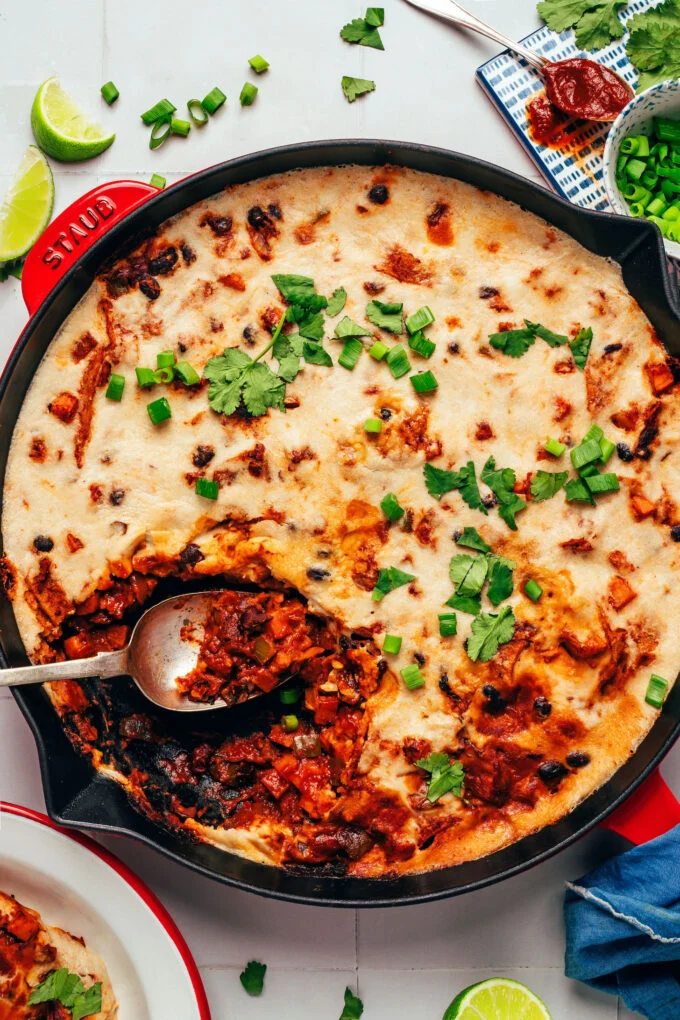
The culinary landscape continues to evolve, reflecting shifting consumer demands for convenience, health, and ethical considerations. A prime example of this innovation is the Cheesy Vegan Enchilada Skillet, a dish designed to deliver the rich, complex flavors of traditional enchiladas within a swift 30-minute preparation window, all while adhering to plant-based principles. This single-pan recipe, developed by Minimalist Baker, streamlines the often laborious process of traditional enchilada preparation, eliminating the need for individual tortilla filling and rolling, and significantly reducing cleanup.
A Modern Take on a Traditional Classic
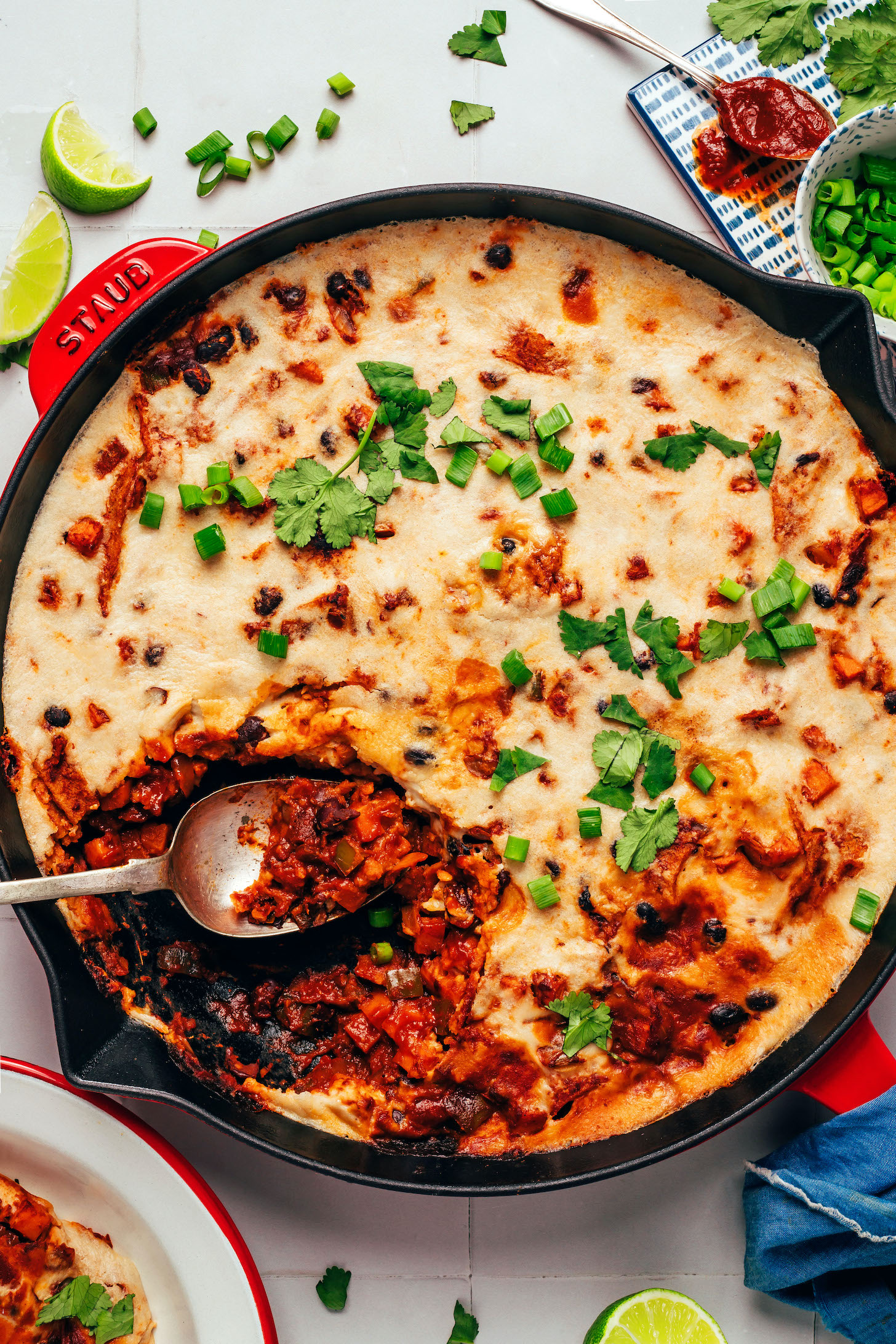
The Cheesy Vegan Enchilada Skillet reinterprets a dish with deep historical roots. Enchiladas are widely believed to have originated from a similar Mayan dish known as papadzules, a corn tortilla-based meal often filled with hard-boiled eggs and pumpkin seed sauce. The first documented recipe for enchiladas appeared in the 1831 Mexican cookbook El Cocinero mexicano. Historically, enchiladas feature corn tortillas filled with various ingredients such as meat, seafood, beans, cheese, potatoes, or vegetables, then covered in a chili-based sauce. The modern vegan skillet version maintains the core flavor profile while adapting the preparation method and ingredients to contemporary dietary preferences. Instead of individual rolling, corn tortillas are sliced into strips and incorporated directly into the skillet, where they absorb the rich enchilada sauce and meld with the other components.
This approach speaks to a growing segment of the population seeking accessible ways to enjoy global cuisines without extensive kitchen time or adherence to traditional animal-product ingredients. The development of such recipes marks a significant trend in food media and home cooking, where efficiency and dietary inclusivity are paramount.
Nutritional Profile and Ingredient Spotlight
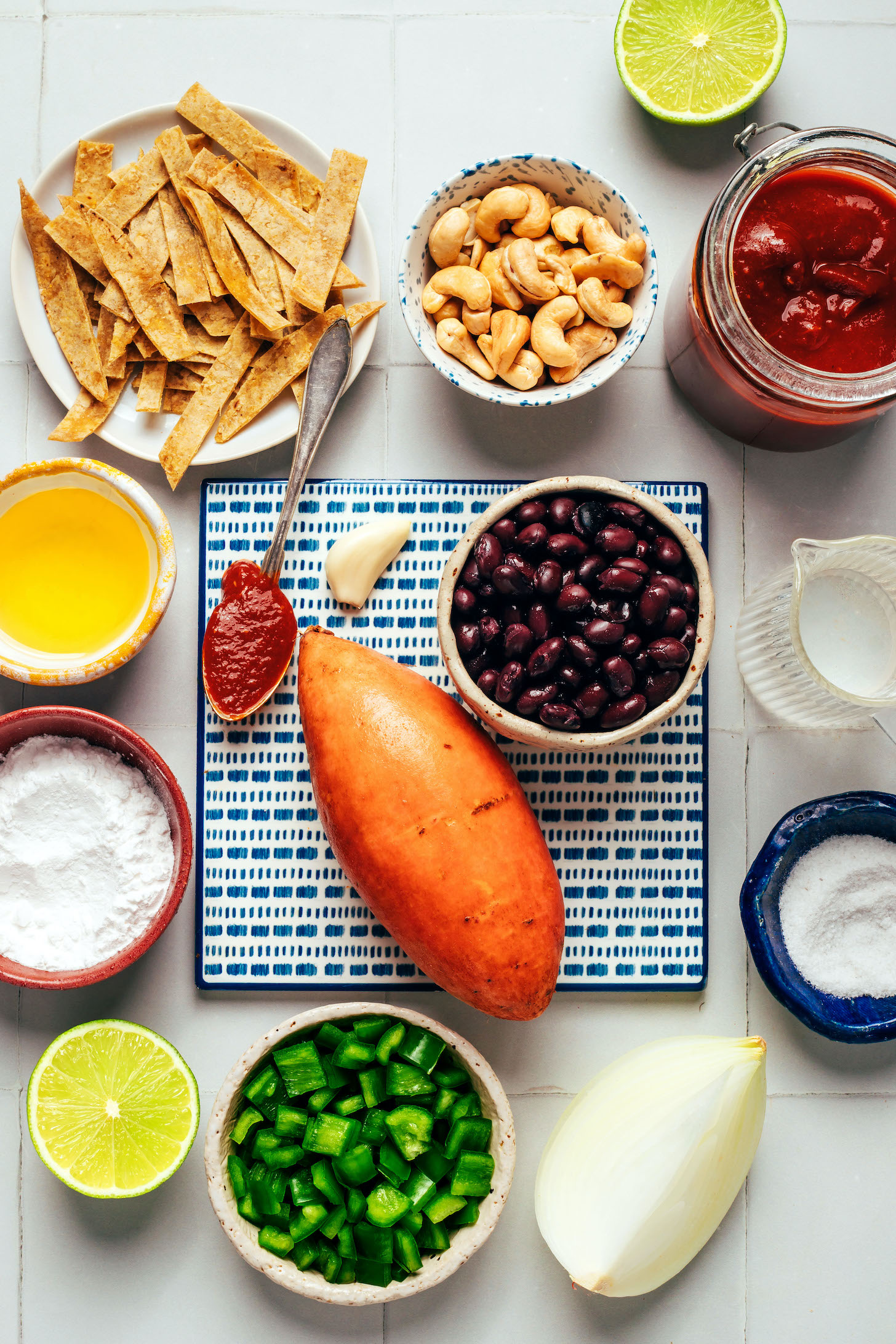
The Cheesy Vegan Enchilada Skillet is designed not only for speed and flavor but also for its robust nutritional contribution. At its core, the dish features tender cubed sweet potato or winter squash, fiber- and protein-rich black beans, and a vibrant red enchilada sauce. These components are simmered together in a single pan, culminating in a topping of a melty cashew "cheese" sauce that provides a satisfying, creamy texture without dairy.
A single serving of this dish, calculated with sweet potato, black beans, and homemade enchilada sauce, provides approximately 416 calories. This calorie count is complemented by 68.2 grams of carbohydrates, 13.6 grams of protein, and 12.2 grams of fat. Crucially for a plant-based meal, it boasts 14.3 grams of fiber, contributing significantly to daily recommended intake and supporting digestive health. Furthermore, it offers notable micronutrients, including 5342 IU of Vitamin A and 35 mg of Vitamin C, alongside 219 mg of Calcium and 4.9 mg of Iron. The high potassium content, at 1034 mg, is also noteworthy, supporting heart health and muscle function.
- Sweet Potatoes/Winter Squash: These root vegetables are nutritional powerhouses, particularly rich in beta-carotene (a precursor to Vitamin A), Vitamin C, and dietary fiber. Their natural sweetness balances the savory and spicy notes of the enchilada sauce, while their texture becomes tender and yielding during the simmering process.
- Black Beans: A cornerstone of many plant-based diets, black beans are an excellent source of plant-based protein and soluble and insoluble fiber. They contribute to satiety, aid in blood sugar regulation, and support gut health. Their earthy flavor pairs perfectly with the bold enchilada sauce.
- Cashew "Cheese" Sauce: This innovative dairy-free alternative is central to the dish’s "cheesy" appeal. Made by blending cashews with water, lime juice, garlic, tapioca starch, and sea salt, it creates a remarkably melty and flavorful topping. Cashews provide healthy monounsaturated fats, magnesium, and zinc. The tapioca starch acts as a thickening agent, allowing the sauce to achieve a desirable gooey consistency when heated. This ingredient choice highlights the sophistication of modern vegan cooking, moving beyond simple substitutes to create genuinely satisfying textures and flavors.
- Red Enchilada Sauce: Whether homemade or store-bought, a quality red enchilada sauce is crucial for authentic flavor. It typically contains a blend of chili powders, spices, tomato paste, and broth, providing depth, warmth, and a subtle heat that defines the enchilada experience.
The Rise of Plant-Based Cuisine and Convenience Meals
The popularity of recipes like the Cheesy Vegan Enchilada Skillet is not an isolated phenomenon but rather a reflection of broader societal shifts in dietary habits and lifestyle. The plant-based food market has witnessed exponential growth over the past decade. According to a report by Grand View Research, the global plant-based food market size was valued at USD 43.0 billion in 2023 and is projected to expand at a compound annual growth rate (CAGR) of 12.3% from 2024 to 2030. This growth is driven by several factors:
- Health Consciousness: A significant portion of consumers are adopting plant-based diets or reducing meat consumption for perceived health benefits, including lower risk of heart disease, type 2 diabetes, and certain cancers. The emphasis on whole foods, fiber, and reduced saturated fat is a key motivator.
- Environmental Concerns: The environmental impact of animal agriculture, particularly its contribution to greenhouse gas emissions, deforestation, and water usage, has led many to seek more sustainable dietary choices. Plant-based diets are widely recognized for their smaller ecological footprint.
- Ethical Considerations: Animal welfare remains a strong driver for individuals choosing vegan or vegetarian lifestyles.
- Culinary Exploration: As plant-based ingredients and innovative recipes become more widely available, consumers are increasingly interested in exploring new flavors and cooking techniques.
- Convenience: In an increasingly busy world, demand for quick, easy-to-prepare meals has soared. The "30-minute meal" concept is a direct response to this, catering to individuals and families who desire nutritious home-cooked food without spending hours in the kitchen. This enchilada skillet perfectly embodies this trend, offering a hearty meal with minimal prep and cook time.
Methodology: Achieving Flavor and Speed in One Pan
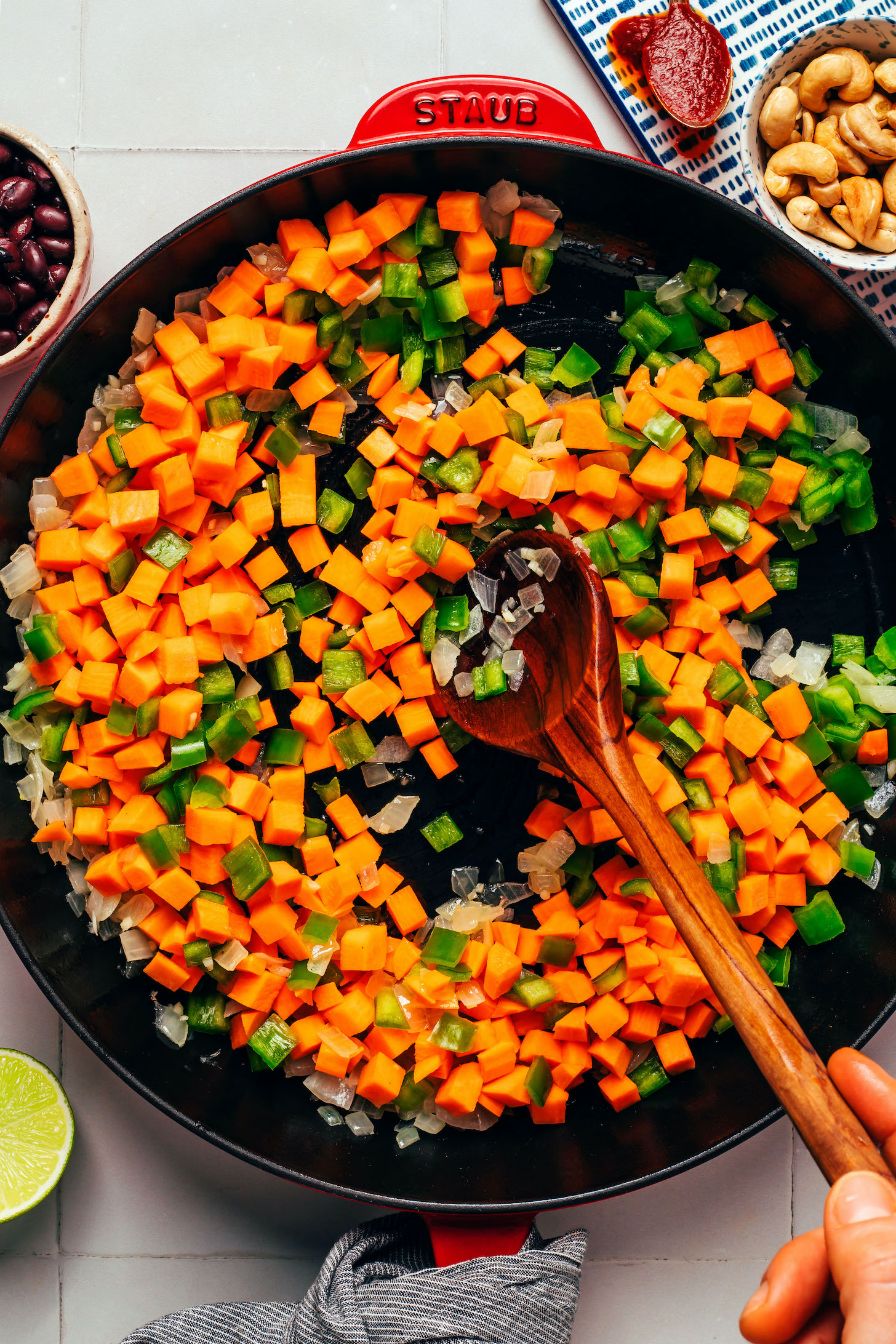
The preparation of this vegan enchilada skillet exemplifies smart cooking techniques designed for efficiency and maximum flavor extraction. The process begins with a base of sautéed vegetables, typically onion, garlic, sweet potato, and poblano pepper. This initial sauté step is critical; it softens the harder vegetables, develops aromatic compounds, and builds a foundational layer of flavor. The flexibility in vegetable choice—with suggestions for kabocha squash, butternut squash, green bell peppers, kale, or spinach—underscores the recipe’s adaptability, allowing home cooks to utilize seasonal produce or pantry staples.
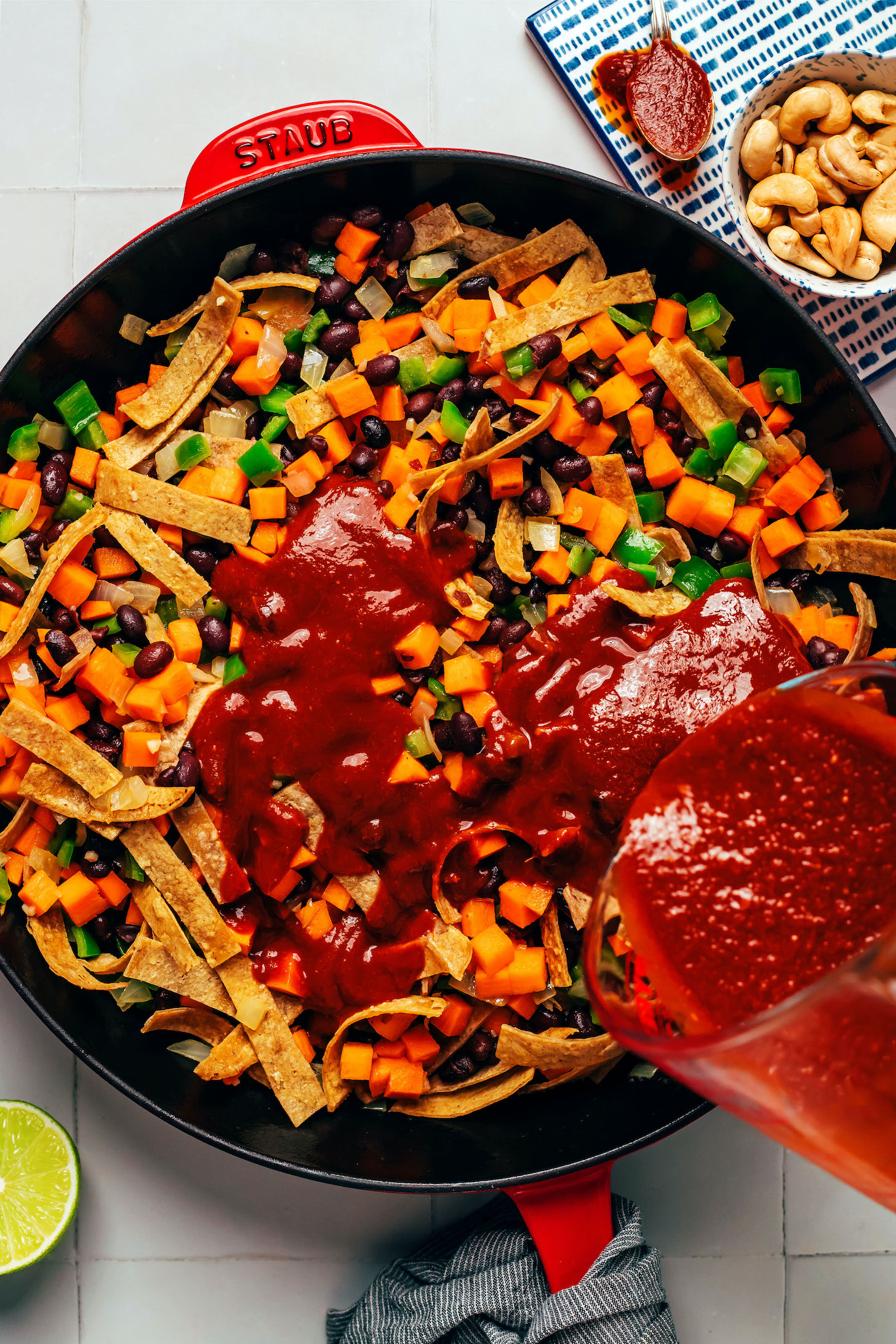
Once the aromatics are tender and the main vegetables begin to soften, black beans are introduced, providing immediate protein and fiber. Crucially, corn tortillas, pre-sliced into strips, are stirred into the mixture. This ingenious step replaces the traditional rolling, allowing the tortillas to soften and integrate into the saucy base, mimicking the texture and flavor absorption of a classic enchilada without the individual assembly.
The final ingredient in the skillet portion is the red enchilada sauce, which envelops all the components, infusing them with its distinctive smoky and spicy character. The use of either homemade or quality store-bought sauce highlights practical flexibility, catering to different levels of culinary ambition and time constraints.
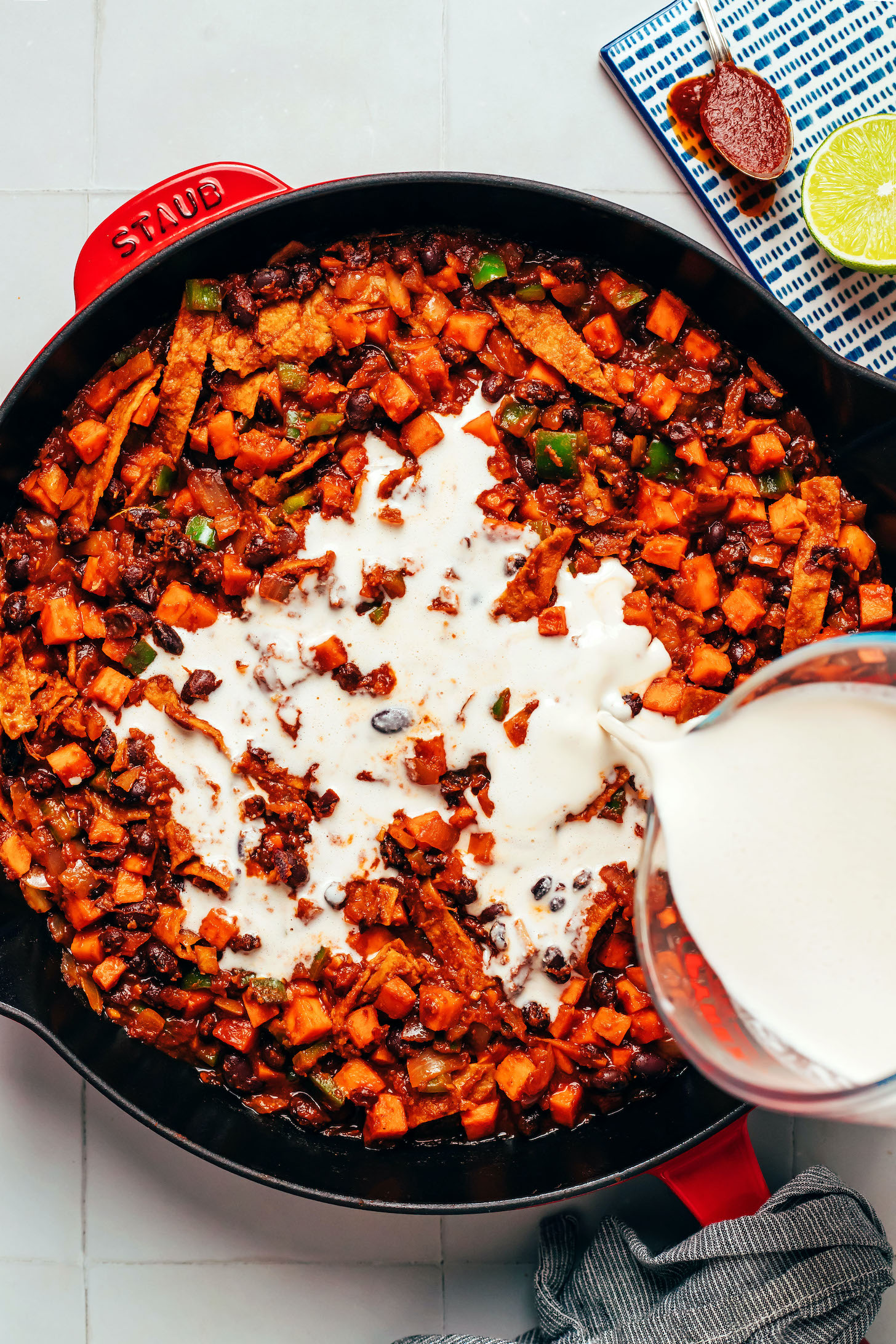
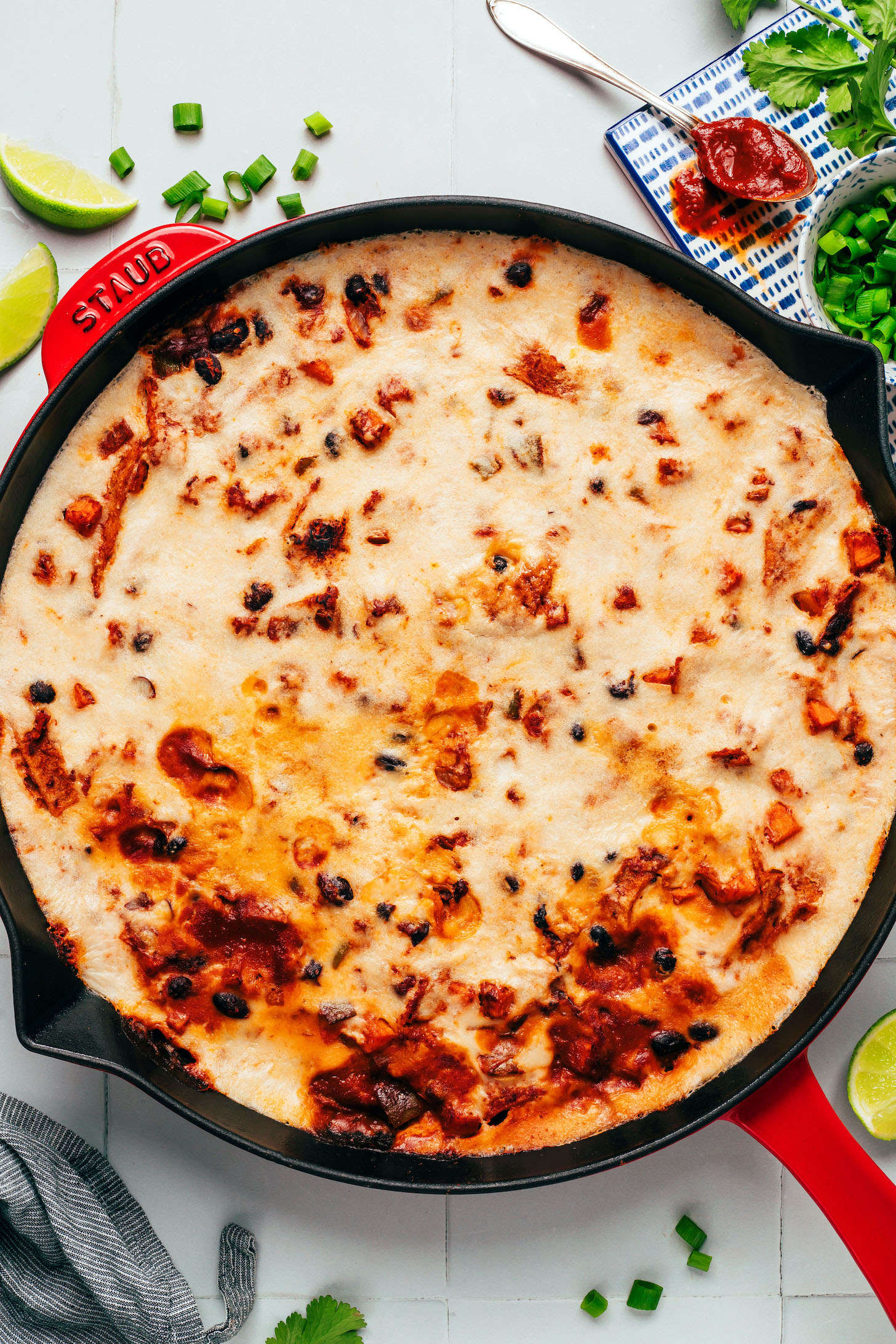
The crowning glory is the cashew "cheese" sauce. Prepared separately in a blender, its application over the simmering skillet, followed by a brief cover-and-melt period, transforms it into a rich, melty layer. This technique leverages the heat and the tapioca starch to create a viscous, gooey topping that enhances the overall mouthfeel and "cheesy" experience. This particular method of achieving a melty vegan cheese texture has gained significant traction in plant-based cooking, offering a superior alternative to many pre-packaged vegan cheeses that may not melt as effectively or offer the same depth of flavor.
Broader Implications and Future Trends
The advent and popularity of dishes like the Cheesy Vegan Enchilada Skillet carry several broader implications for the food industry, public health, and environmental sustainability.
- Public Health: By offering a delicious and accessible plant-based alternative to a comfort food classic, this recipe encourages increased consumption of vegetables, legumes, and healthy fats. This aligns with public health recommendations to shift towards more plant-centric diets, which are associated with lower rates of chronic diseases. The high fiber content, in particular, contributes to better gut health and overall well-being.
- Environmental Impact: Each meal chosen to be plant-based over a meat-heavy alternative contributes to reducing the environmental footprint associated with food production. The resources required for growing sweet potatoes, black beans, and cashews are significantly less than those for animal agriculture, making such recipes a small but meaningful step towards a more sustainable food system.
- Food Industry Innovation: The success of convenient, flavorful vegan recipes pushes food manufacturers and restaurant chains to innovate further. We can anticipate more hybrid dishes that blend traditional comforts with modern dietary needs, alongside continued development in plant-based ingredients that mimic animal products in taste and texture. The "one-pan" and "30-minute" labels are powerful marketing tools that resonate with busy consumers, driving product development in these areas.
- Culinary Democratization: Recipes that simplify complex dishes make diverse cuisines more approachable to a wider audience. This "enchilada skillet" version removes barriers for those intimidated by traditional preparation, thereby democratizing access to global flavors and encouraging culinary experimentation at home.
The versatility of the dish is also a significant advantage. While it stands as a hearty meal on its own, it can be easily augmented for different dietary needs. For those seeking higher protein, additions such as smoky shredded tofu "taco meat" or even 1-Pan Mexican Shredded Chicken (for non-vegan households) can be incorporated. Alternatively, to boost vegetable intake, pairing it with a crunchy jicama slaw or a quick citrusy cabbage slaw can add freshness and texture.
In conclusion, the Cheesy Vegan Enchilada Skillet is more than just a recipe; it is a microcosm of current food trends. It embodies the intersection of convenience, health, sustainability, and culinary innovation, offering a flavorful, satisfying, and accessible meal solution for the modern palate. Its ability to deliver a complex flavor profile with minimal fuss positions it as a significant contribution to the evolving landscape of home cooking.
