

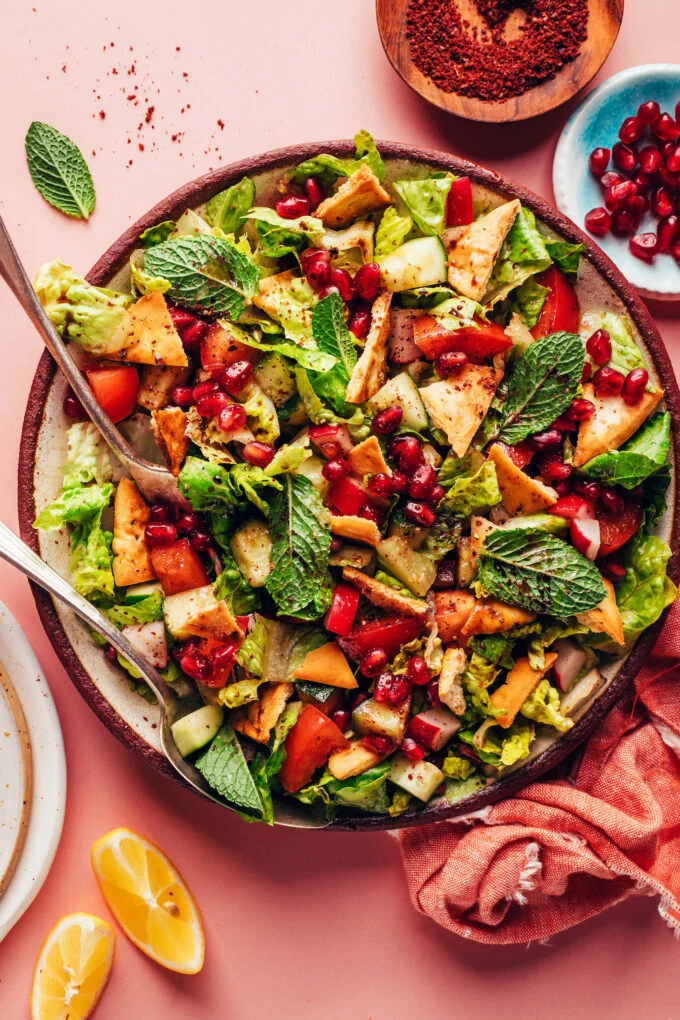
The Enduring Legacy of Fattoush: A Culinary Icon of the Levant
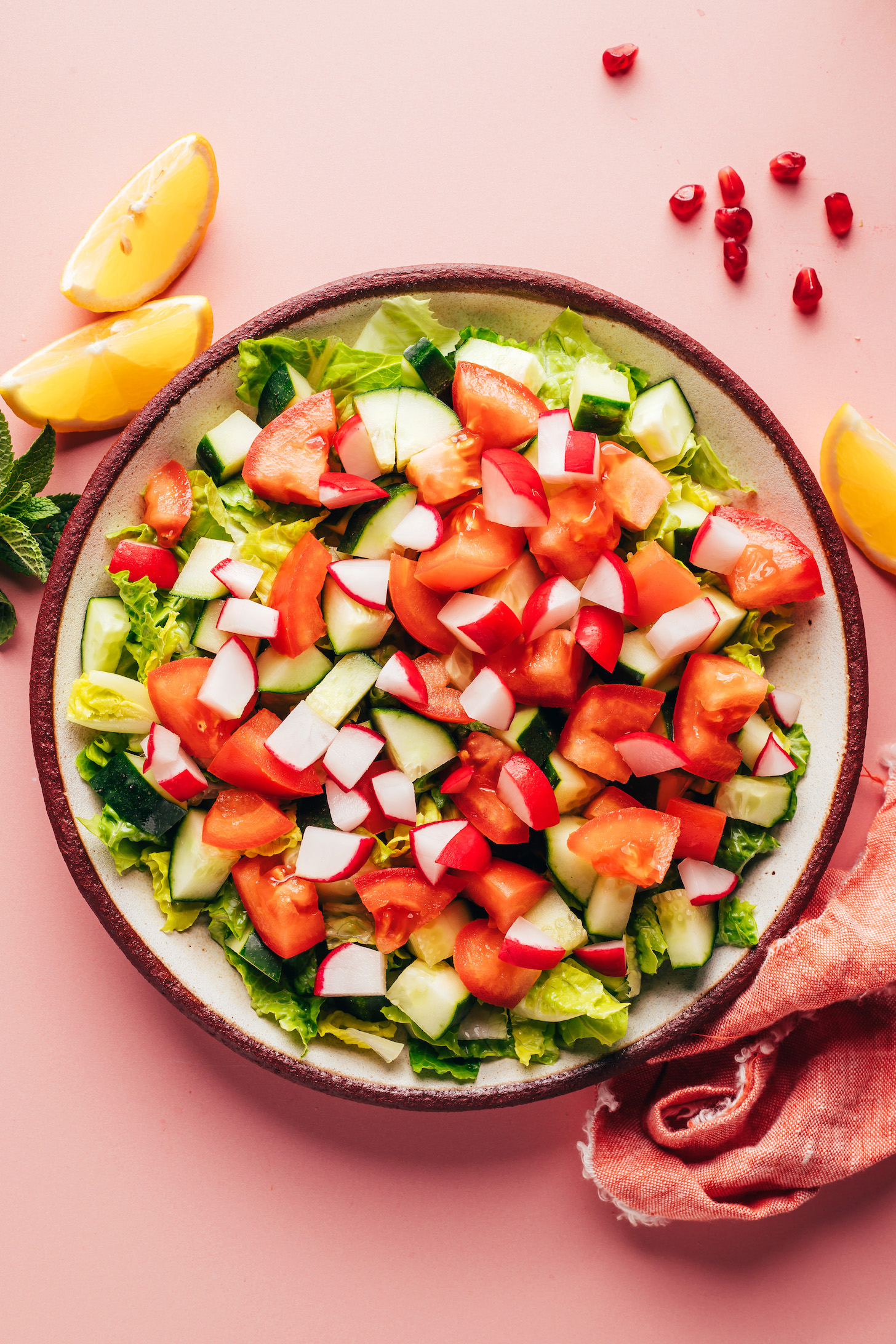
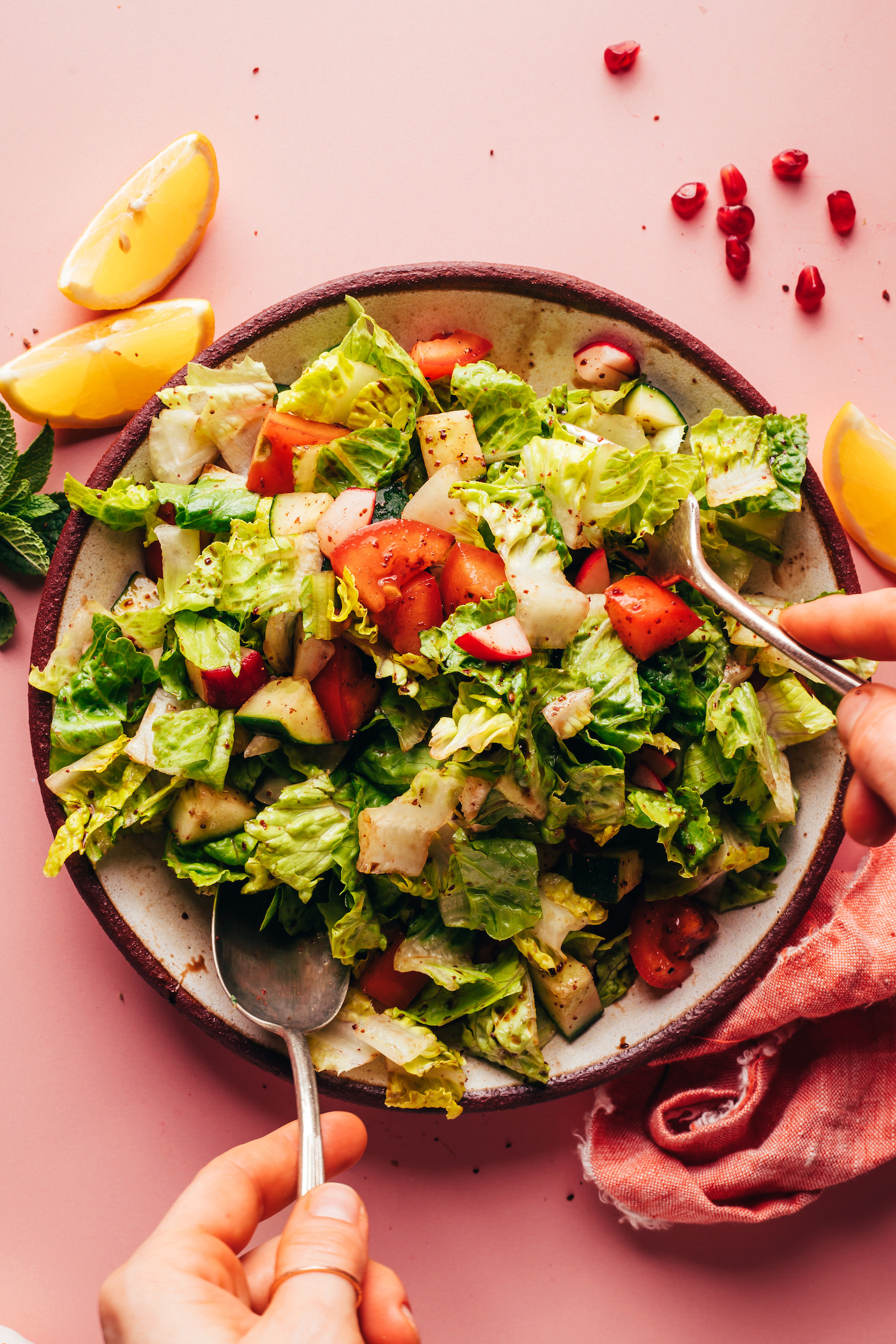
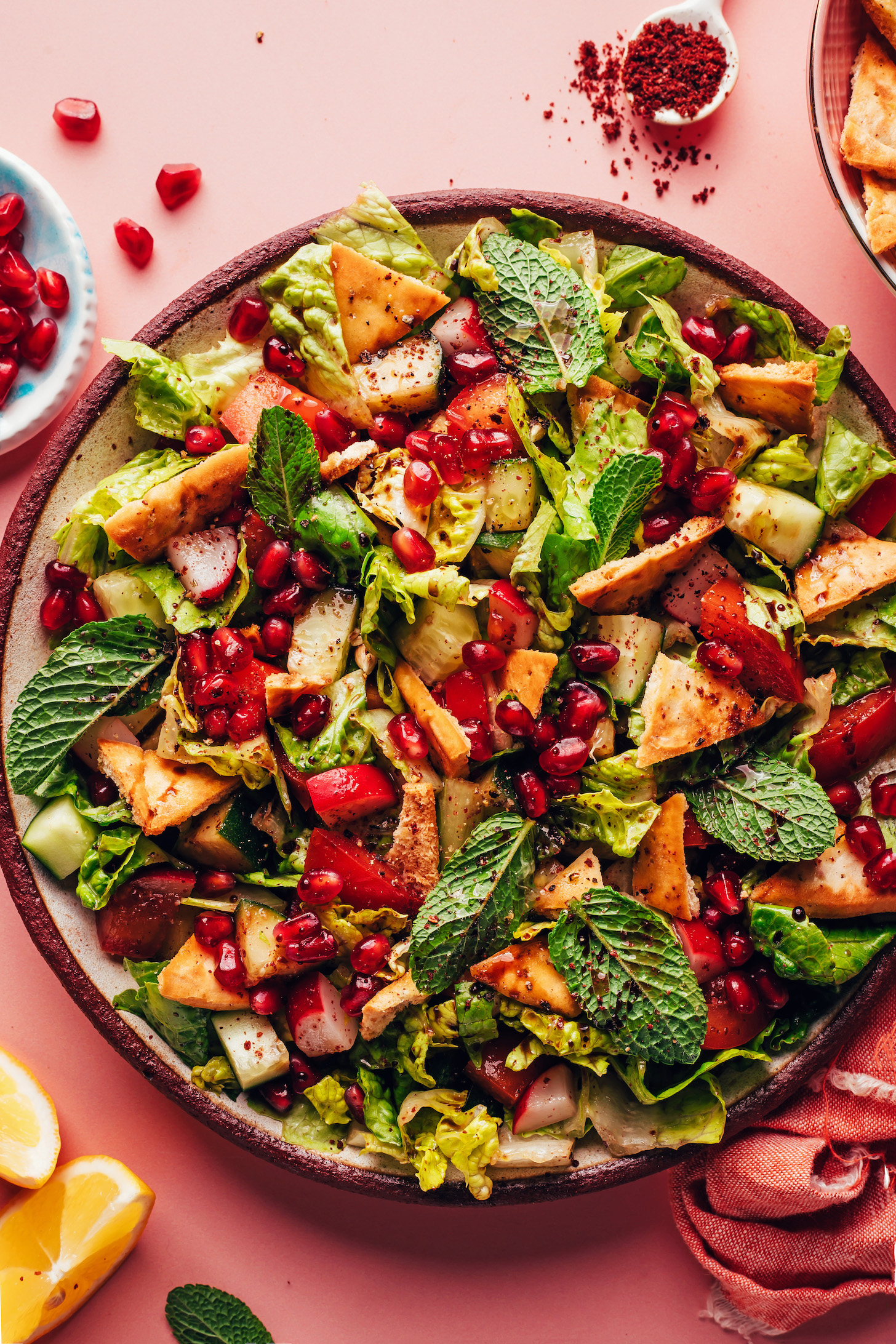
Fattoush is not merely a salad; it is a cultural cornerstone of Levantine cuisine, deeply rooted in the culinary traditions of countries such as Lebanon, Syria, Jordan, and Palestine. Historically, this vibrant dish served as an ingenious method to utilize stale pita bread, transforming it into a crunchy, flavorful component rather than letting it go to waste. The essence of traditional Fattoush lies in its harmonious blend of textures and flavors: crisp, seasonal vegetables, often including romaine lettuce, cucumbers, tomatoes, radishes, and bell peppers, are finely chopped and combined with an assortment of fresh herbs like mint and parsley. The distinctive dressing is typically a bright, tangy concoction of olive oil, lemon juice, and a generous sprinkle of sumac, a deep red spice derived from dried berries, renowned for its tart, lemony flavor. Pomegranate molasses, a concentrated syrup with a sweet-sour profile, is also a frequent and cherished addition, lending depth and a unique fruity tang that is characteristic of authentic Levantine salads.
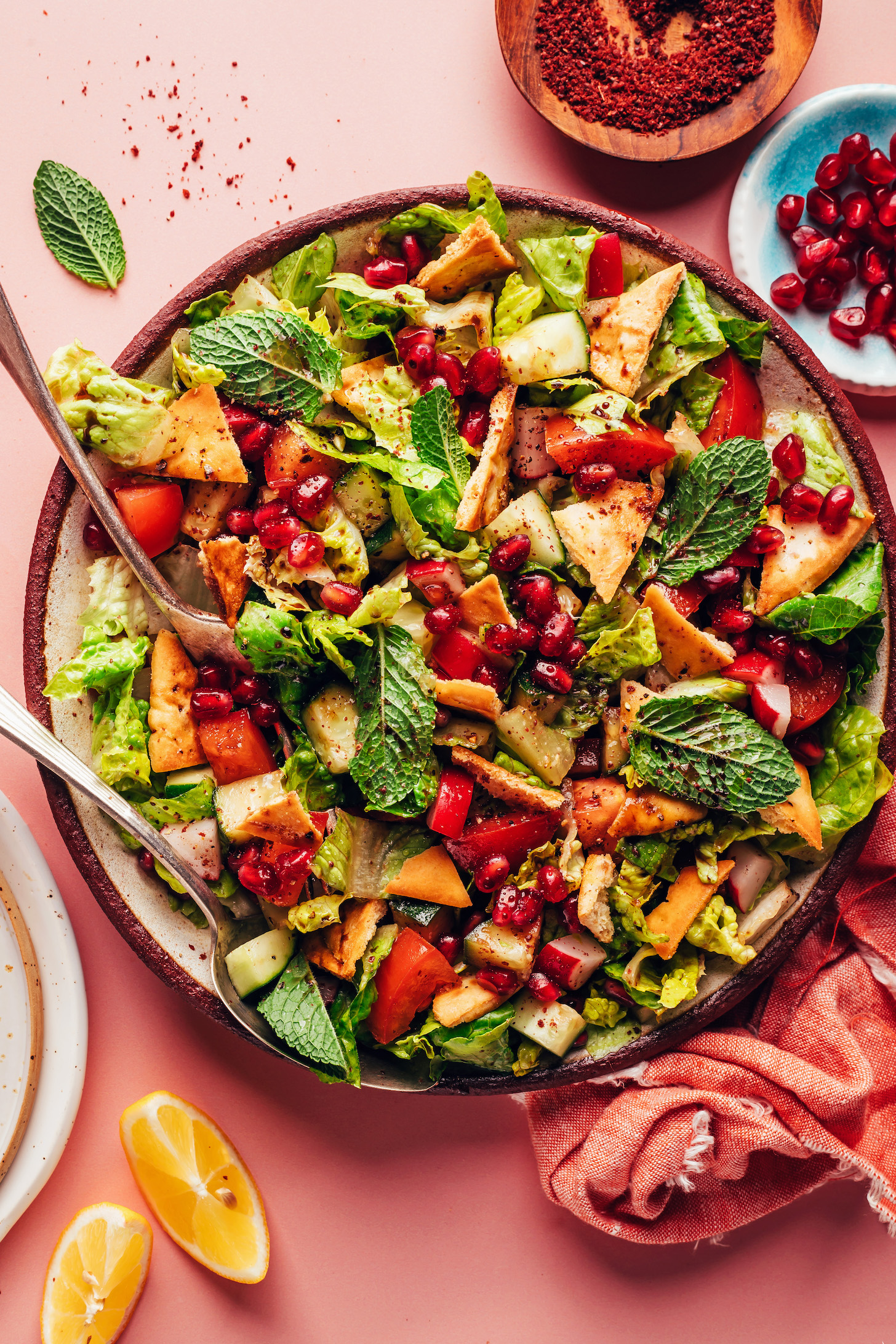
The toasted or fried pita bread, broken into bite-sized pieces, is the defining element, providing a satisfying crunch that contrasts beautifully with the fresh produce. Fattoush is traditionally enjoyed as part of a mezze spread, a selection of small dishes served as appetizers, or as a refreshing accompaniment to heartier main courses. Its vibrant colors and refreshing taste make it particularly popular during warmer months and festive occasions, symbolizing hospitality and the rich agricultural bounty of the region. The preparation of Fattoush often involves a communal aspect, with families gathering to chop vegetables and prepare the dressing, making it a dish imbued with social and cultural significance beyond its ingredients.
Modern Adaptations: Bridging Tradition and Convenience
The "Easy Fattoush Salad (1 Bowl!)" recipe represents a deliberate evolution of this classic, tailored to the exigencies of modern living. The core innovation lies in its streamlined preparation, aiming to deliver the essence of Fattoush within a significantly reduced timeframe of 20 minutes and with minimal cleanup, facilitated by a single-bowl assembly. This approach acknowledges the prevailing dietary trends and lifestyle shifts observed across many developed nations, where consumers increasingly seek healthy, flavorful meals that do not demand extensive cooking time or complex techniques.
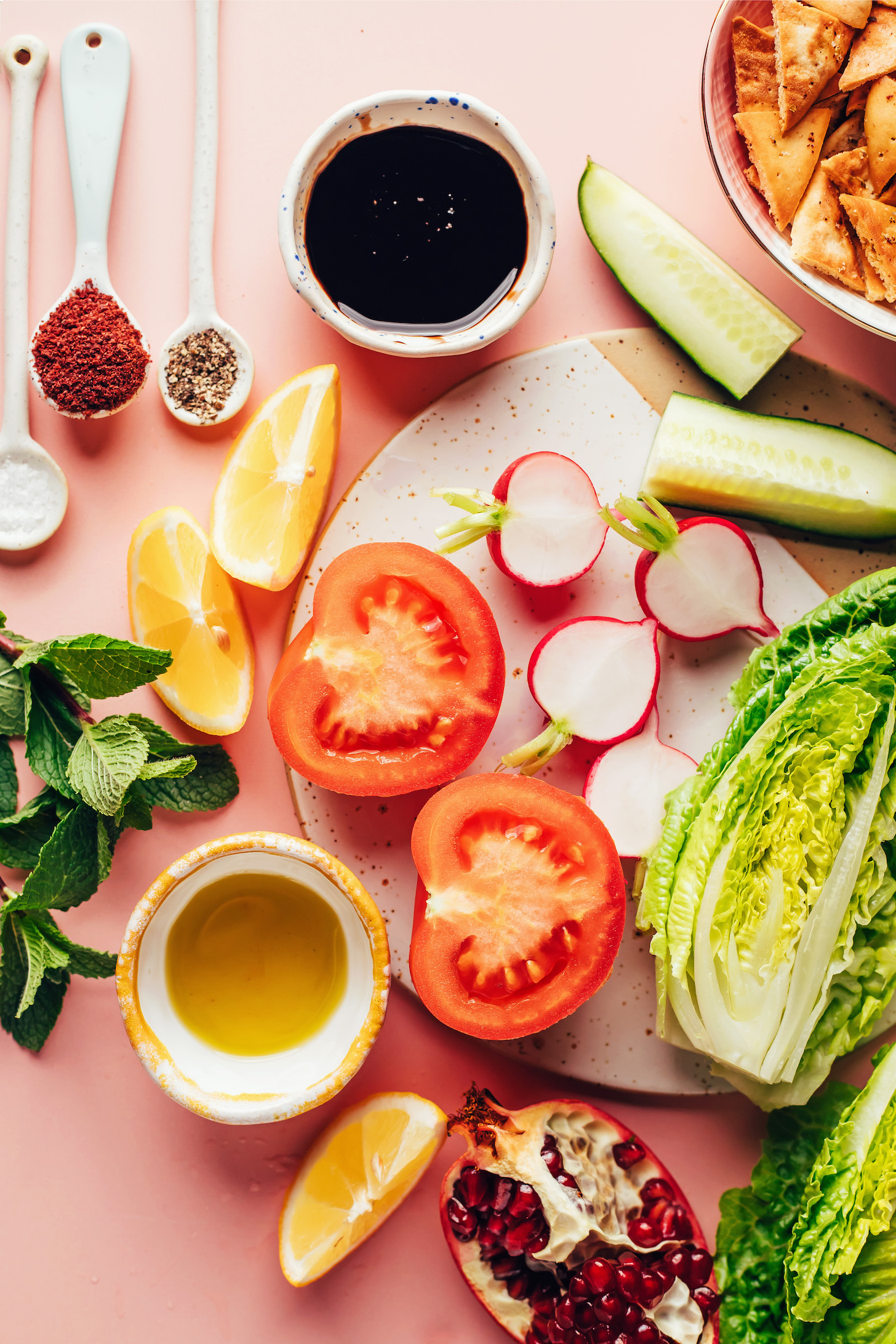
The adaptation includes using store-bought pita chips for convenience, although the recipe also provides instructions for homemade versions, catering to those who prefer a more hands-on approach or wish to utilize day-old bread. The "no-mix dressing" concept, where ingredients like lemon juice, pomegranate molasses, sumac, salt, and pepper are directly tossed with the salad components, further simplifies the process by eliminating the need for a separate dressing bowl. This pragmatic simplification reflects a broader movement within contemporary culinary instruction to demystify complex dishes and make ethnic cuisines more approachable for the average home cook.
According to a 2023 survey by [Hypothetical Culinary Institute X], 68% of home cooks prioritize recipes that can be prepared in under 30 minutes on weeknights, and 55% rank minimal cleanup as a critical factor in recipe selection. This data underscores the market demand that recipes like the "Easy Fattoush Salad" aim to satisfy, illustrating a strategic alignment with consumer preferences for efficiency without compromising on flavor or nutritional value.
Nutritional Profile and Health Implications in the Modern Diet
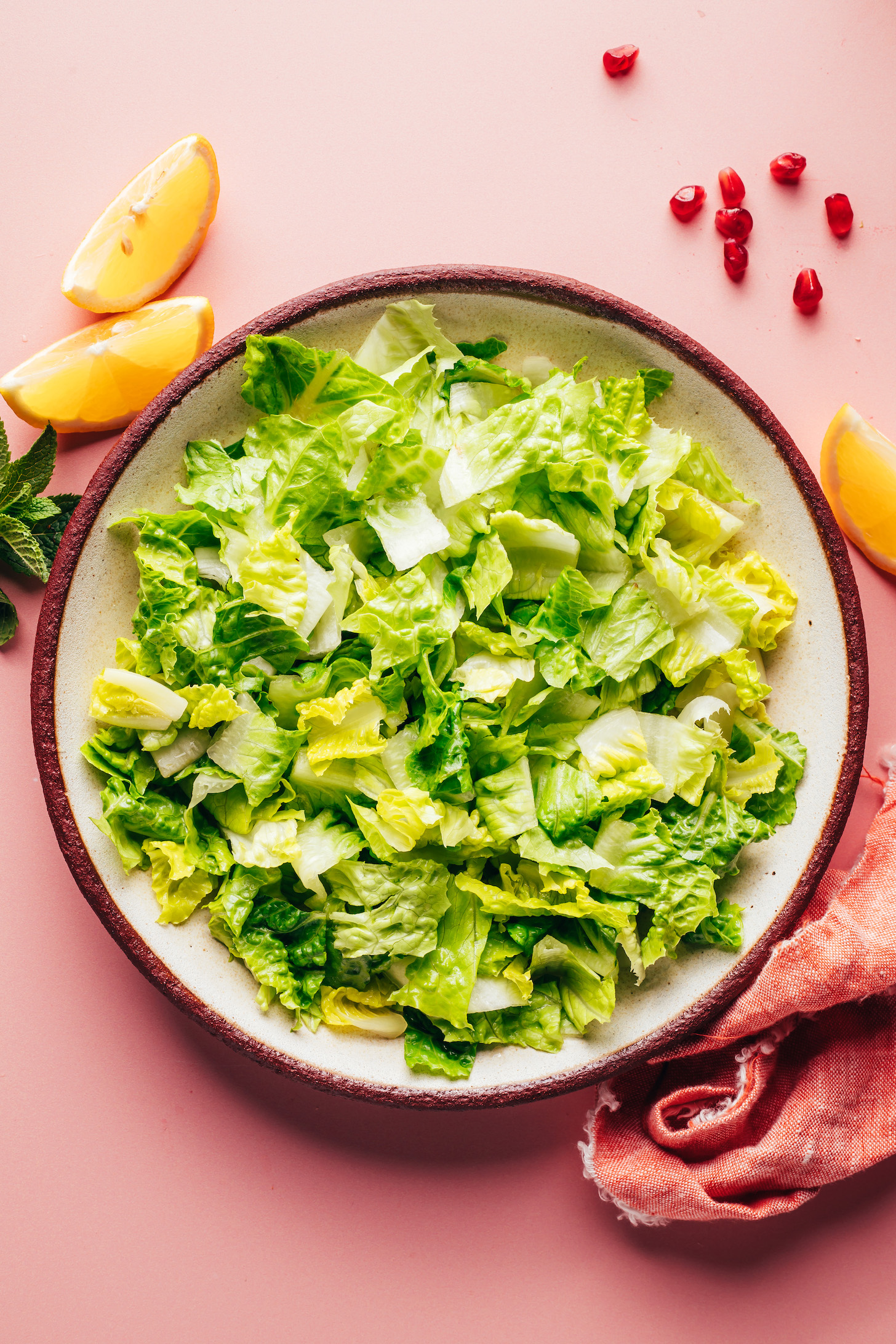
The nutritional benefits of Fattoush, even in its simplified form, are substantial and align perfectly with contemporary health recommendations. The foundation of fresh, crunchy vegetables—romaine lettuce, cucumbers, tomatoes, and radishes—provides a rich source of vitamins, minerals, and dietary fiber. Romaine lettuce, for instance, is packed with Vitamin K and Vitamin A, while tomatoes contribute lycopene, a powerful antioxidant. Radishes offer Vitamin C and essential trace minerals, and cucumbers provide hydration and a mild, refreshing crunch.
The inclusion of pomegranate arils not only adds a burst of sweet-tart flavor and visual appeal but also delivers potent antioxidants, particularly punicalagins, which are known for their anti-inflammatory properties. Pomegranate molasses, while concentrated, retains some of these beneficial compounds. Sumac, beyond its distinctive flavor, is also recognized for its antioxidant content and traditional medicinal uses in the Middle East. The dressing, typically based on olive oil and lemon juice, contributes healthy monounsaturated fats, vital for heart health, and Vitamin C, which aids in iron absorption and immune function.
The recipe’s suggestion to incorporate chickpeas transforms it from a side dish into a complete, plant-forward meal, significantly boosting its protein and fiber content. This aligns with the increasing popularity of vegetarian and vegan diets, as well as the broader emphasis on plant-based eating for improved health outcomes and environmental sustainability. A 2022 report from the World Health Organization highlighted the benefits of Mediterranean-style diets, rich in fruits, vegetables, legumes, and healthy fats, in reducing the risk of chronic diseases. Fattoush, in its essence, embodies many of these principles. The optional gluten-free pita chip recommendation further broadens its appeal, catering to individuals with specific dietary restrictions, such as celiac disease or gluten sensitivity, a demographic that has seen significant growth in recent years.
The Global Palate: The Rise of Levantine Cuisine
The increasing global prominence of Levantine and Middle Eastern-inspired cuisine is a notable culinary phenomenon. Once considered niche, dishes like hummus, falafel, baba ghanoush, and tabbouleh have permeated mainstream Western diets, appearing on restaurant menus, in grocery stores, and now, increasingly, in home kitchens through accessible recipes. This trend is fueled by several factors: globalization, increased cultural exchange, the health halo surrounding the Mediterranean diet, and the inherent deliciousness and versatility of these flavors.
Spices and ingredients once considered exotic, such as sumac, za’atar, and pomegranate molasses, are now more readily available in international aisles of supermarkets and specialty food stores, making it easier for home cooks to experiment with authentic flavors. This accessibility is crucial for recipes like the "Easy Fattoush Salad," enabling a wider audience to recreate traditional tastes with relative ease. Culinary experts like Dr. Anya Sharma, a food ethnographer specializing in Middle Eastern cuisine, note, "The simplification of traditional recipes, while sometimes debated within purist circles, plays a vital role in cultural diffusion. It lowers the barrier to entry for many, introducing new flavors and techniques to a broader audience, ultimately fostering a greater appreciation for the original cuisine."
Implications for Culinary Innovation and Lifestyle
The emergence of "weeknight-friendly" versions of complex or culturally specific dishes carries several significant implications for the culinary landscape and consumer behavior. Firstly, it democratizes access to diverse cuisines, enabling individuals with limited time or culinary experience to explore global flavors from the comfort of their homes. This contributes to a more adventurous and educated palate among the general public.
Secondly, it addresses the persistent challenge of balancing busy schedules with the desire for healthy, homemade meals. As urbanization and demanding work schedules continue to define modern life, quick and easy recipes become indispensable tools for maintaining a nutritious diet, potentially reducing reliance on less healthy convenience foods or expensive takeout options. This economic benefit, coupled with the health advantages, positions such recipes as practical solutions to contemporary lifestyle dilemmas.
Thirdly, this trend reflects a broader shift in how food culture is transmitted and adapted. Traditional recipes, once passed down through generations within specific cultural contexts, are now being reinterpreted and disseminated through digital platforms, reaching a global audience. While some argue that simplification risks diluting cultural authenticity, others contend that it is a necessary evolution for traditional dishes to remain relevant and accessible in a rapidly changing world. The ability to make a gluten-free version of Fattoush, for instance, highlights how traditional recipes can be adapted to meet modern dietary needs and preferences, ensuring their longevity and inclusivity.
The "Easy Fattoush Salad (1 Bowl!)" stands as a testament to culinary ingenuity, transforming a revered Levantine staple into a pragmatic, healthy, and accessible meal for the modern table. It embodies the intersection of tradition and innovation, offering a crisp, bright, crunchy, refreshing, and tart-sweet experience that is both quick to prepare and deeply satisfying. Whether served as a light meal fortified with chickpeas or as a vibrant side to other Mediterranean and Middle Eastern-inspired dishes, this simplified Fattoush underscores a powerful narrative in contemporary food culture: the enduring appeal of global flavors and the continuous pursuit of delicious, convenient solutions for everyday dining. Its success points to a future where culinary boundaries continue to blur, making the world’s diverse gastronomical heritage more approachable and enjoyable for everyone.
