

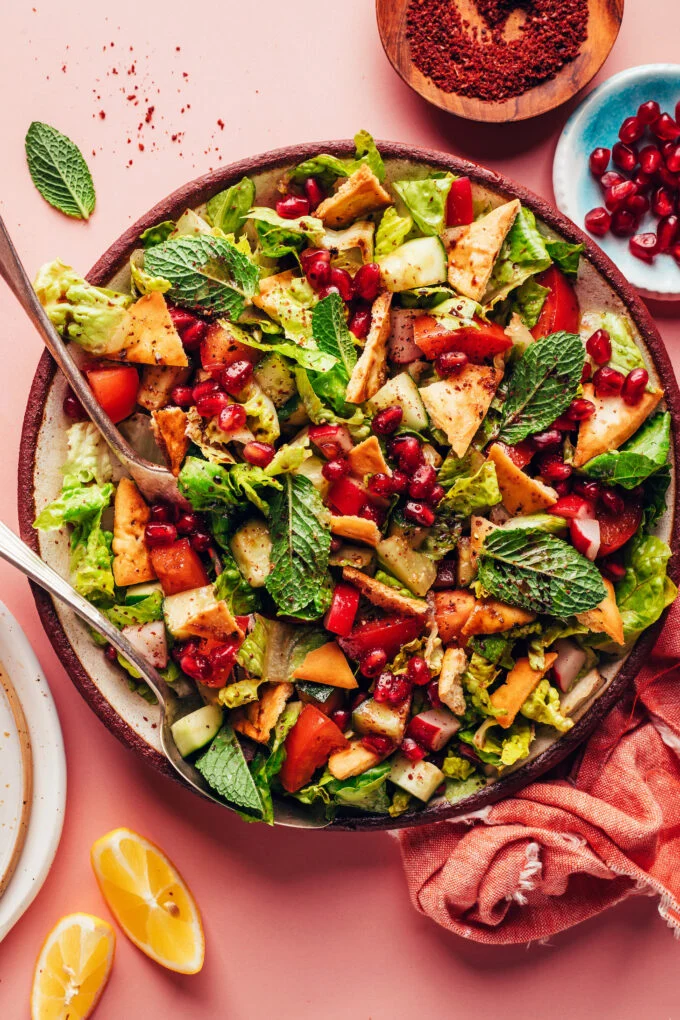
The Essence of Fattoush: A Culinary Heritage
Fattoush is more than just a salad; it is a culinary narrative woven into the fabric of Levantine culture, encompassing countries like Syria, Lebanon, Jordan, and Palestine. Its origins are often traced back to resourceful home cooks who sought to utilize stale pita bread, transforming it into a delightful component rather than discarding it. This practice underscores a broader tradition of sustainability and ingenuity characteristic of regional cuisines. Historically, Fattoush has been a ubiquitous presence on dining tables, particularly during family gatherings, celebratory feasts, and during the holy month of Ramadan, serving as a refreshing counterpoint to richer dishes. Its appeal lies in its vibrant freshness and the interplay of textures and flavors, making it a cornerstone of mezze spreads—a selection of small dishes served as appetizers.
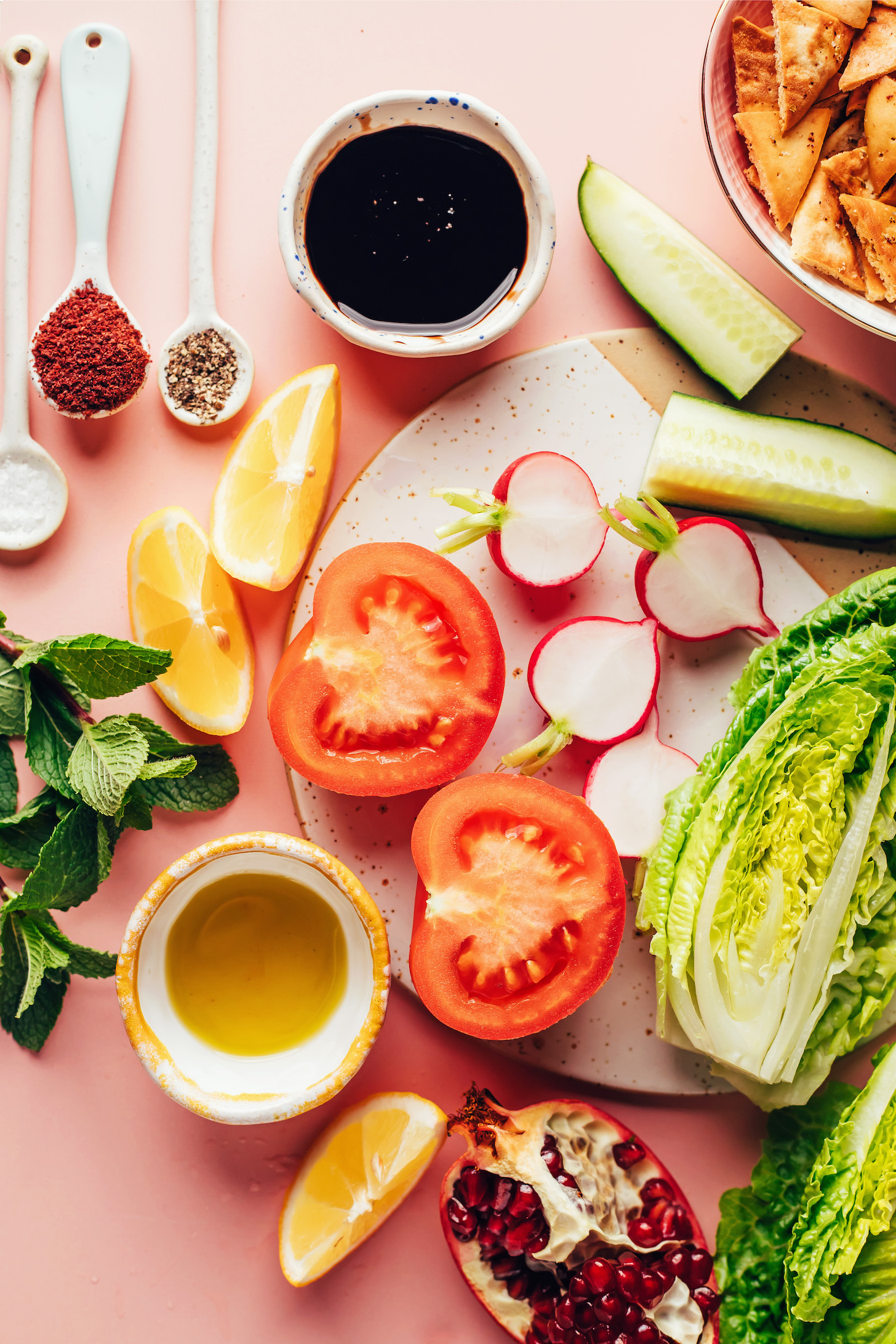
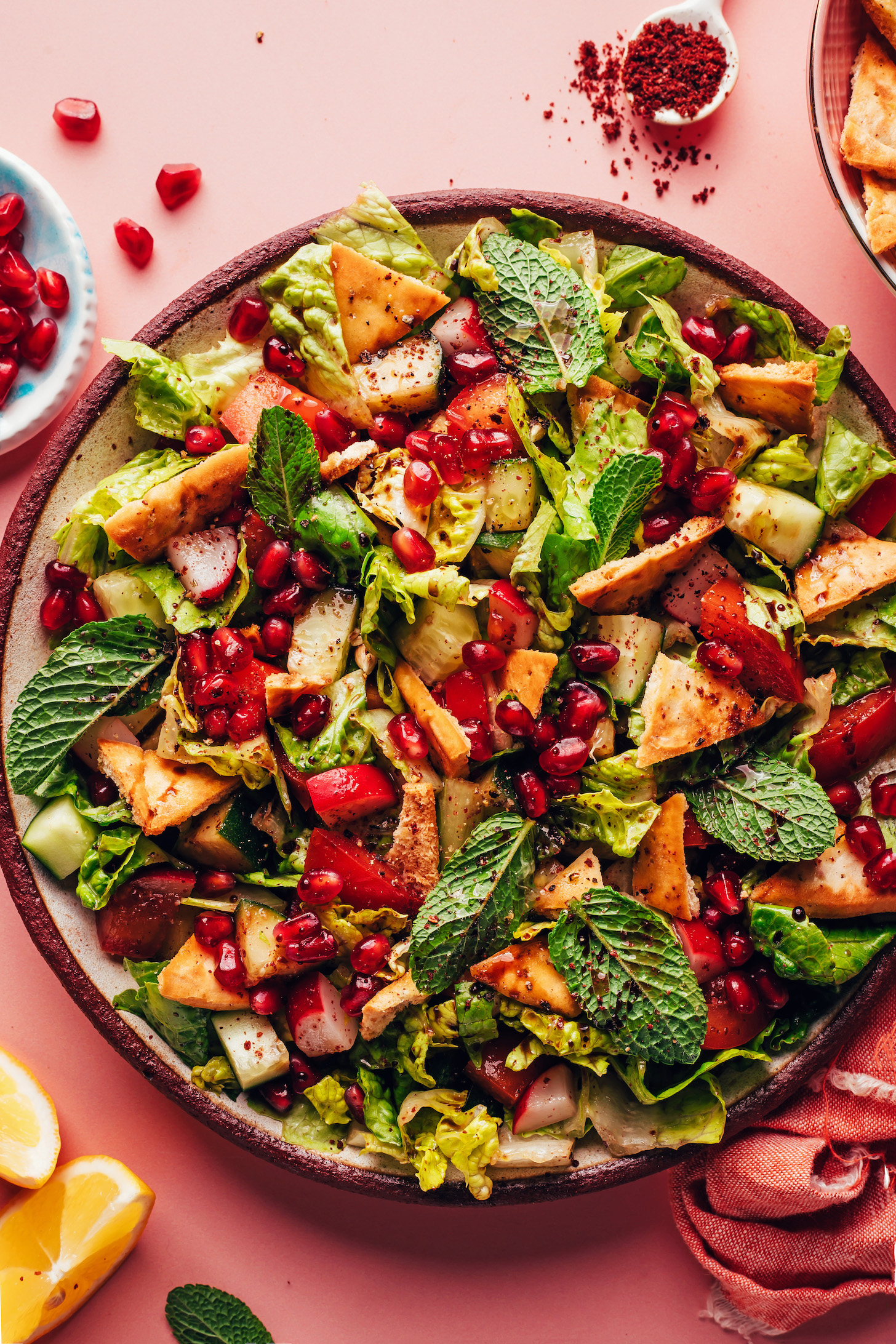
The traditional preparation of Fattoush typically involves a generous medley of seasonal vegetables. Common ingredients include crisp romaine lettuce, ripe tomatoes, crunchy cucumbers, thinly sliced radishes, and bell peppers. Fresh herbs, most notably mint and parsley, are crucial for their aromatic contribution, infusing the salad with a bright, herbaceous lift. The distinctive crunch comes from pieces of toasted or fried pita bread, which absorb some of the dressing while retaining a satisfying bite. The dressing itself is a critical element, traditionally a pungent blend of olive oil, lemon juice, and a key spice called sumac. Sumac, derived from the dried and ground berries of the sumac flower, imparts a unique tart, slightly fruity flavor that is fundamental to Fattoush. Pomegranate molasses, a concentrated syrup made from pomegranate juice, is another common ingredient, adding a layer of sweet-tart complexity and a beautiful sheen to the salad. These ingredients, combined, create a symphony of flavors and textures that are both deeply satisfying and incredibly refreshing.
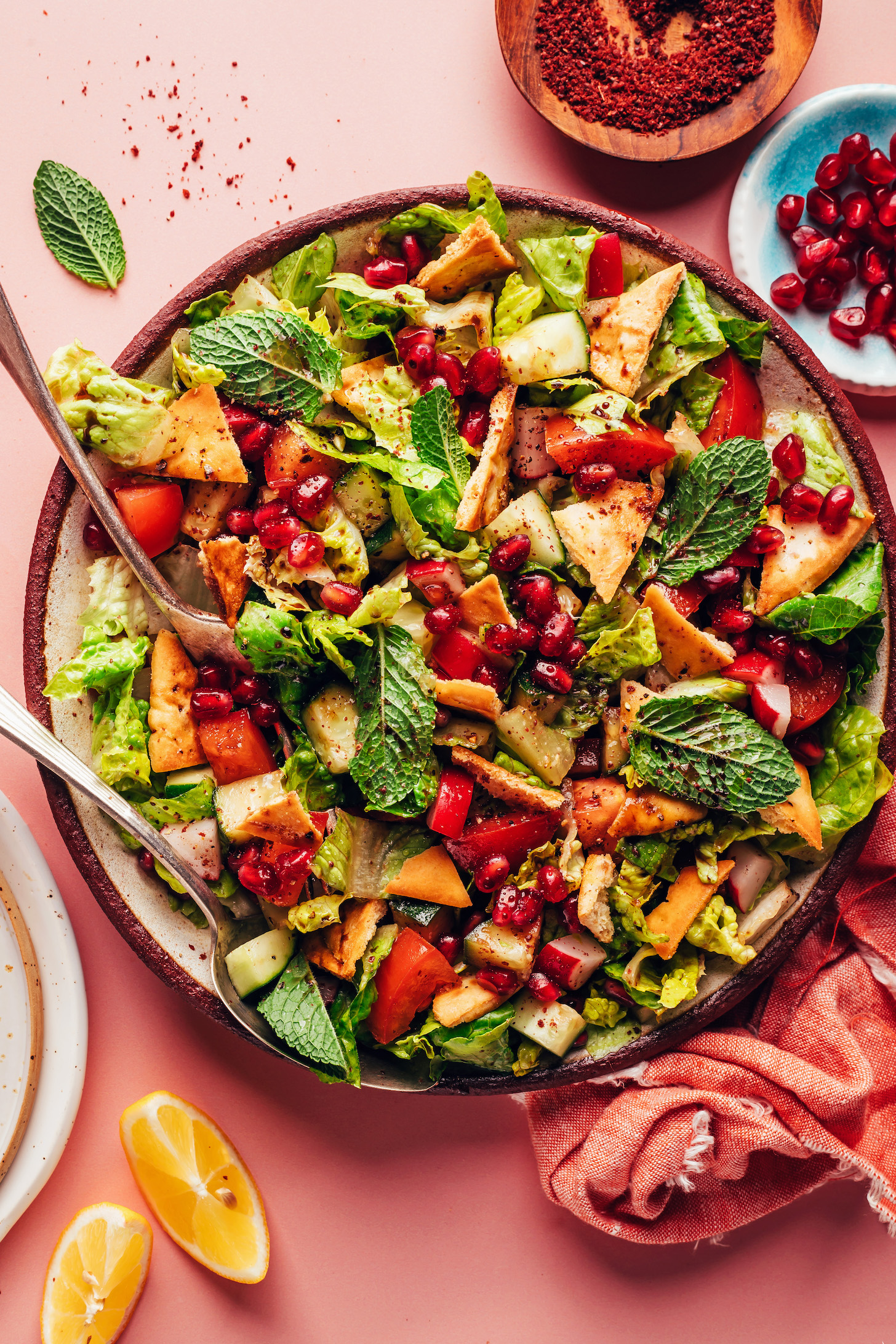
Modern Adaptations: Bridging Tradition and Convenience
The "weeknight-friendly" Fattoush salad exemplifies a significant culinary movement: adapting time-honored dishes to suit contemporary lifestyles without sacrificing their intrinsic character. This particular rendition, touted as a "1-bowl, 20-minute" recipe, is a testament to the innovative spirit within the food industry and among home cooks. The goal is to demystify traditional cooking, making it approachable for individuals with limited time or culinary experience, thereby broadening the appeal and consumption of ethnic cuisines. This approach acknowledges the reality of modern schedules, where elaborate meal preparations are often relegated to weekends, if at all.
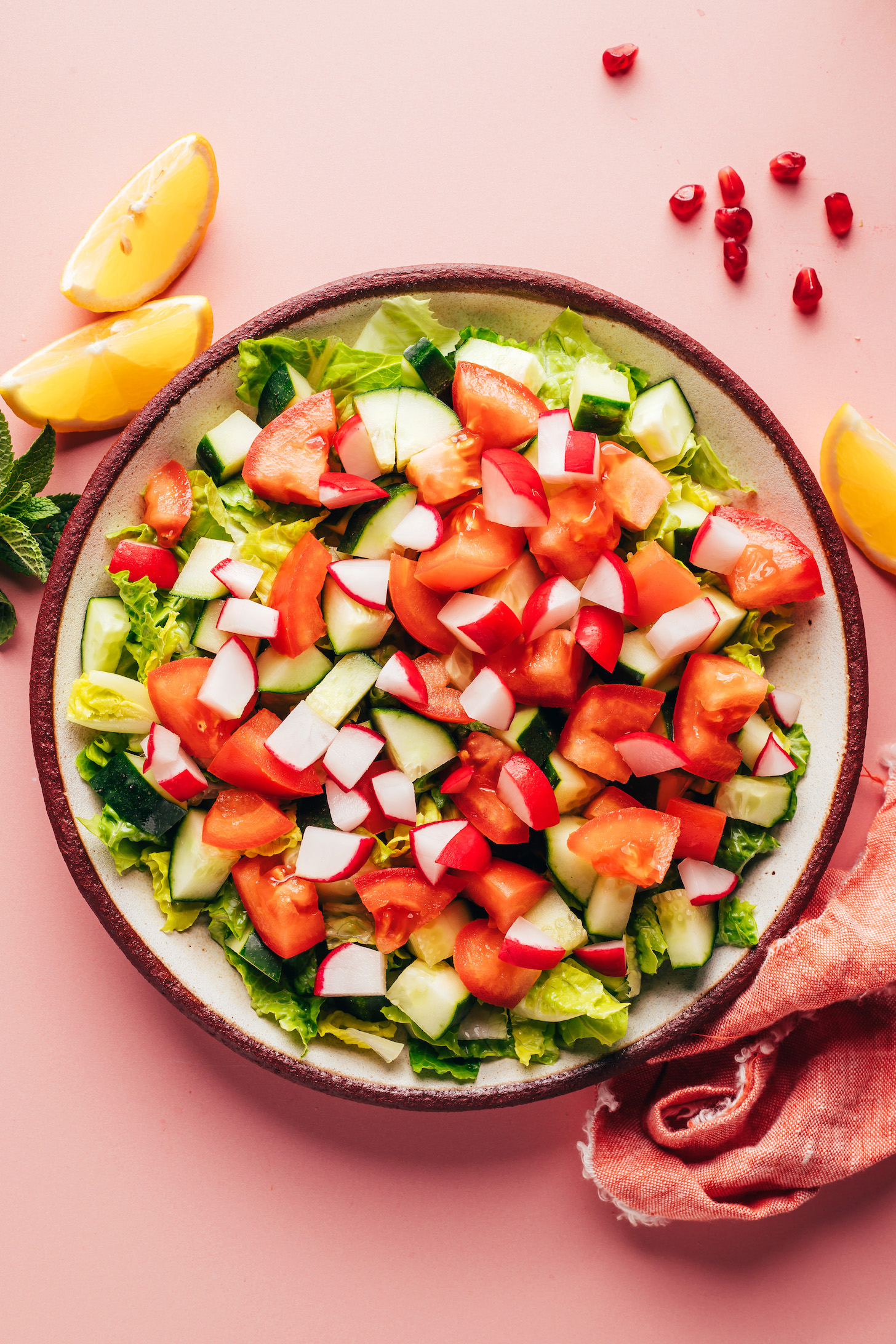
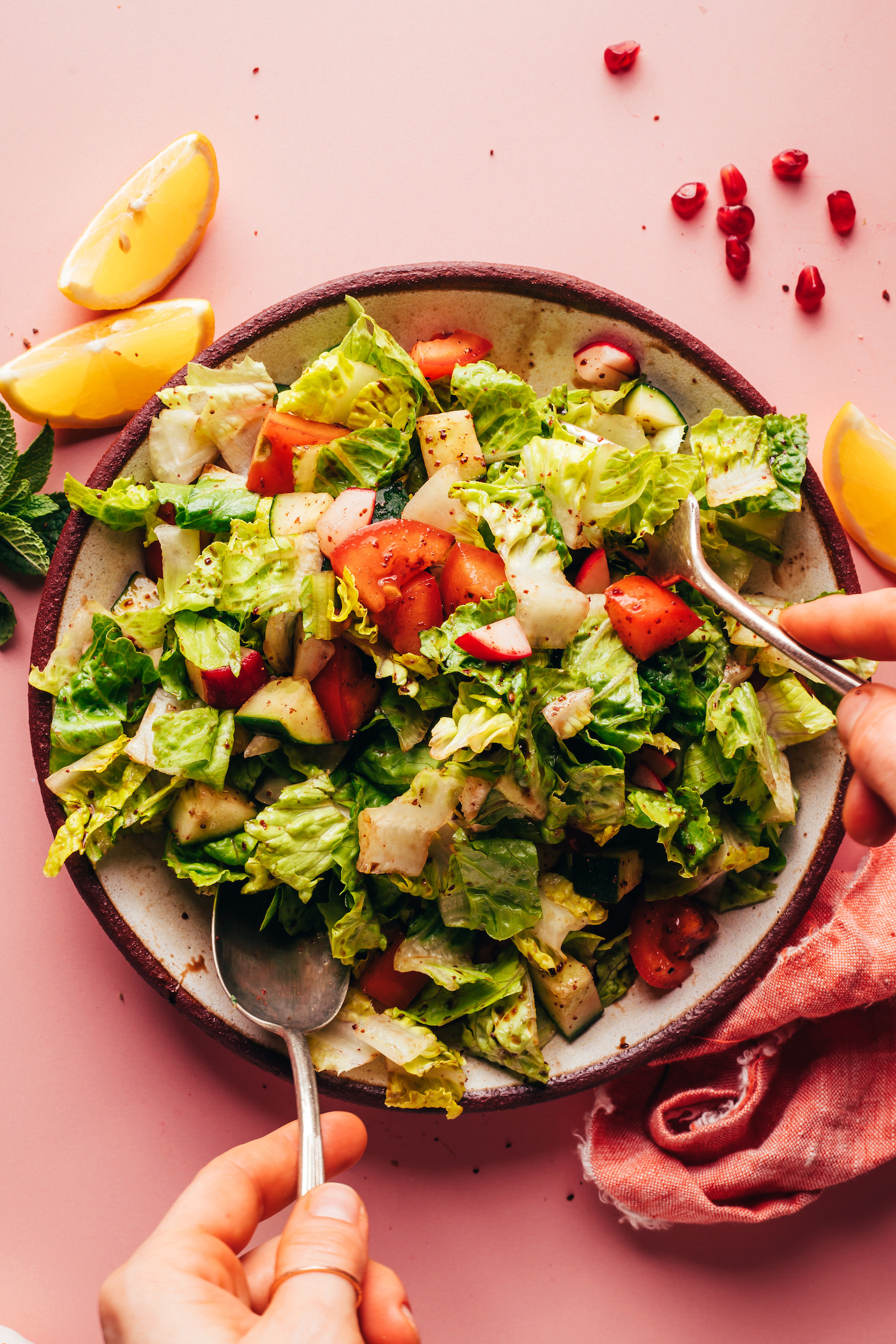
The streamlining of ingredients and methods is central to this adaptation. For instance, the recipe focuses on readily available, fresh chopped romaine lettuce as a base, valued for its neutral flavor and enduring crunch. This is complemented by a selection of common, crisp vegetables like cucumber, tomato, and radish. The emphasis on seasonal and flavorful produce is retained, with a note that even non-homegrown varieties shine through due to the robust dressing. Perhaps the most innovative aspect of this "easy" version lies in its "no-mix" dressing. Instead of a separate whisking process, ingredients like lemon juice, pomegranate molasses, sumac, salt, and pepper are tossed directly with the vegetables. This simplification significantly reduces prep time and minimizes cleanup, adhering strictly to the "1-bowl" promise. Optional additions such as maple syrup and olive oil are suggested to fine-tune the balance of tartness and sweetness, demonstrating flexibility for individual preferences and the varying sweetness of pomegranate molasses available commercially.
The final touches—fresh mint leaves, pita chips, and pomegranate arils—are crucial for both flavor and aesthetic appeal. The decision to keep mint leaves whole not only enhances the visual presentation but also ensures distinct bursts of its refreshing, herbaceous aroma. While store-bought pita chips are recommended for convenience, the recipe thoughtfully includes instructions for homemade versions, offering a sustainable option for utilizing day-old flatbread and maintaining the dish’s historical connection to preventing food waste. This balance of convenience and traditional craftsmanship encapsulates the philosophy behind such modern culinary adaptations. For those with dietary restrictions, the option to use gluten-free pita chips further extends the salad’s accessibility, aligning with contemporary health and dietary trends.
Nutritional Profile and Health Implications
Fattoush salad, in both its traditional and simplified forms, stands out as a highly nutritious dish, aligning perfectly with growing public interest in healthy eating. At its core, it is a powerhouse of fresh, unprocessed ingredients, contributing significantly to daily nutritional requirements. The generous inclusion of diverse vegetables like romaine, cucumber, tomato, and radish ensures a rich supply of essential vitamins and minerals. Romaine lettuce, for instance, is a good source of Vitamin A and K, while tomatoes contribute Vitamin C and antioxidants like lycopene. Cucumbers offer hydration and modest amounts of Vitamin K, and radishes provide Vitamin C and various antioxidants. The collective fiber content from these vegetables aids in digestion, promotes satiety, and contributes to gut health, a key area of focus in modern nutritional science.
The dressing, while flavorful, also brings significant health benefits. Lemon juice is a potent source of Vitamin C and antioxidants. Olive oil, a staple of Mediterranean diets, provides healthy monounsaturated fats, known for their cardiovascular benefits and anti-inflammatory properties. Sumac, beyond its unique flavor profile, has been studied for its antioxidant and anti-inflammatory characteristics, further enhancing the nutritional value of the salad. The provided nutritional estimate for a side serving of this easy Fattoush salad – approximately 127 calories, 21.6g carbohydrates, 2.8g protein, and 4.1g fat – positions it as a light yet satisfying component of a meal. When augmented with a protein source, such as chickpeas as suggested, its protein content can be significantly boosted, transforming it into a complete and balanced meal suitable for lunch or a light dinner. This versatility makes Fattoush an excellent choice for individuals adhering to vegan, Mediterranean-inspired, or generally health-conscious diets. Its low saturated fat and cholesterol content further underscore its health credentials.
The Role of Key Ingredients: Flavor and Function
Each ingredient in Fattoush plays a critical role in defining its characteristic flavor and texture profile, contributing to its enduring popularity.
-
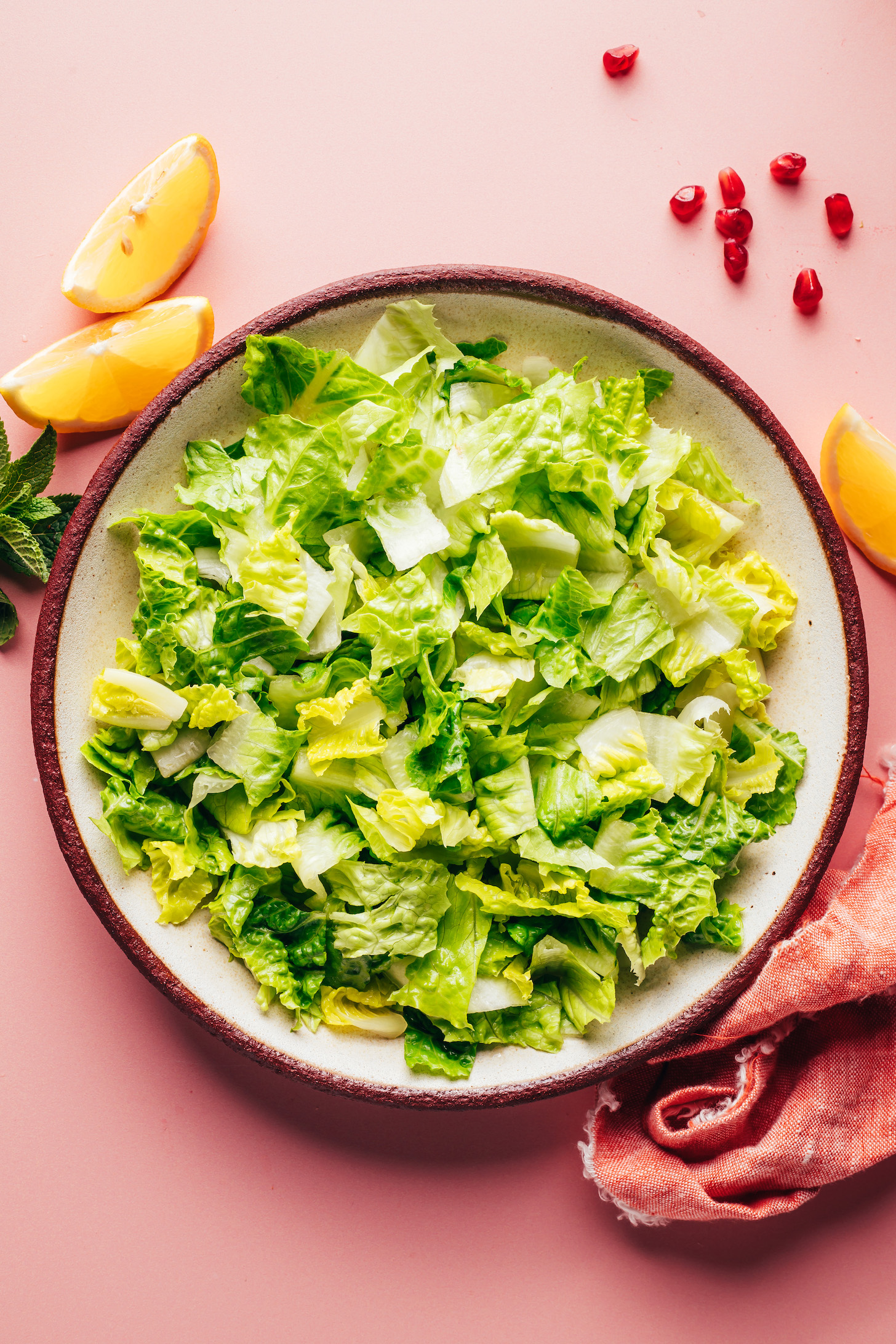
Romaine Lettuce: Chosen for its crisp texture and mild, slightly bitter flavor, romaine provides a robust base that can stand up to the dressing without wilting too quickly. Its neutral profile allows the other, more assertive flavors to shine.
-
Pita Bread/Chips: This element is perhaps the most defining feature of Fattoush. The toasted or fried pita bread adds a crucial textural contrast – a satisfying crunch against the soft vegetables. Historically, its inclusion was a clever way to repurpose stale bread, a testament to culinary resourcefulness. In modern adaptations, whether homemade from day-old pita or convenient store-bought chips, it continues to deliver that essential textural dimension.
-
Sumac: This reddish-purple spice is indispensable to authentic Levantine flavors. Its tangy, somewhat lemony taste is brighter and less sharp than lemon juice, adding a unique depth that elevates the entire salad. Sumac also contributes to the vibrant color of the dish.
-
Pomegranate Molasses: A thick, dark syrup, pomegranate molasses offers a complex sweet-tart profile that is both fruity and intensely flavorful. It provides a deeper, richer tang than lemon juice alone, creating a more nuanced and balanced dressing. Its glossy texture also adds an appealing visual element to the finished salad.
-
Fresh Mint: Beyond its refreshing aroma and flavor, fresh mint adds a burst of cool, herbaceous brightness. Its presence is vital for cutting through the richness of other dishes often served alongside Fattoush and providing a clean finish to each bite. The whole leaves, as suggested in the recipe, offer a more potent sensory experience and contribute significantly to the salad’s visual appeal.
Expert Perspectives on Culinary Innovation
The evolution of dishes like Fattoush into "weeknight-friendly" versions reflects broader trends in culinary innovation and public health. Culinary experts often view these adaptations as positive developments that bridge tradition with modern practicality.
"Adapting traditional dishes like Fattoush for modern kitchens isn’t about compromising authenticity, but rather about extending its reach," remarks Chef Anya Sharma, a specialist in Middle Eastern cuisine. "The core flavors and textures remain, but the preparation becomes more accessible, encouraging a new generation to embrace these vibrant culinary traditions. It’s a way of preserving cultural heritage by making it relevant to contemporary lifestyles." This perspective highlights the importance of keeping traditional recipes alive by making them manageable for busy individuals, thereby preventing them from becoming relics of the past.
From a nutritional standpoint, these streamlined versions are equally significant. "Salads like Fattoush, rich in fresh, unprocessed ingredients, are cornerstones of healthy eating," states Dr. Elena Petrova, a dietary expert. "The inclusion of diverse vegetables, healthy fats from olive oil, and the absence of heavy, creamy sauces make it an excellent choice for a balanced diet, especially when augmented with a protein source like chickpeas to ensure satiety and muscle support. The emphasis on quick preparation means people are more likely to choose such healthy options over less nutritious convenience foods." Dr. Petrova’s analysis underscores the public health benefit of making nutritious meals easy to prepare, addressing a common barrier to healthy eating.
Broader Impact and Future Outlook
The rise of simplified, accessible recipes for dishes like Fattoush has broader implications for global culinary exchange, sustainability, and market trends. These adaptations play a crucial role in promoting cultural understanding and appreciation through food. As more people can easily prepare and enjoy dishes from diverse cuisines, it fosters a greater connection to different cultures, moving beyond mere consumption to active participation in global culinary traditions.
Furthermore, the emphasis on utilizing components like pita bread, whether fresh or day-old, echoes the historical roots of sustainability inherent in many traditional cuisines. While modern convenience often means store-bought pita chips, the option for homemade chips from leftover bread subtly reinforces the principle of reducing food waste, a critical concern in today’s food systems.
From a market perspective, the demand for quick, healthy, and culturally diverse meal options continues to grow. This demand drives innovation in the food industry, leading to more pre-prepped ingredients, simplified recipes, and products that cater to efficiency without sacrificing quality or authenticity. The "Easy Fattoush Salad (1 Bowl!)" fits perfectly into this market niche, signaling a future where gourmet and ethnic dining experiences are increasingly integrated into the everyday home kitchen.
In conclusion, the Fattoush salad, with its rich history and vibrant flavors, represents an enduring culinary legacy. Its modern "1-bowl, 20-minute" adaptation is a testament to the ingenuity of contemporary food culture, successfully marrying tradition with the demands of modern life. It not only offers a delicious and nutritious meal solution but also serves as a gateway for broader cultural engagement and a model for sustainable and healthy eating in a fast-paced world. Its crisp, bright, crunchy, refreshing, and tart-sweet profile ensures its continued popularity as a staple for both quick weeknight dinners and leisurely summer gatherings.
