

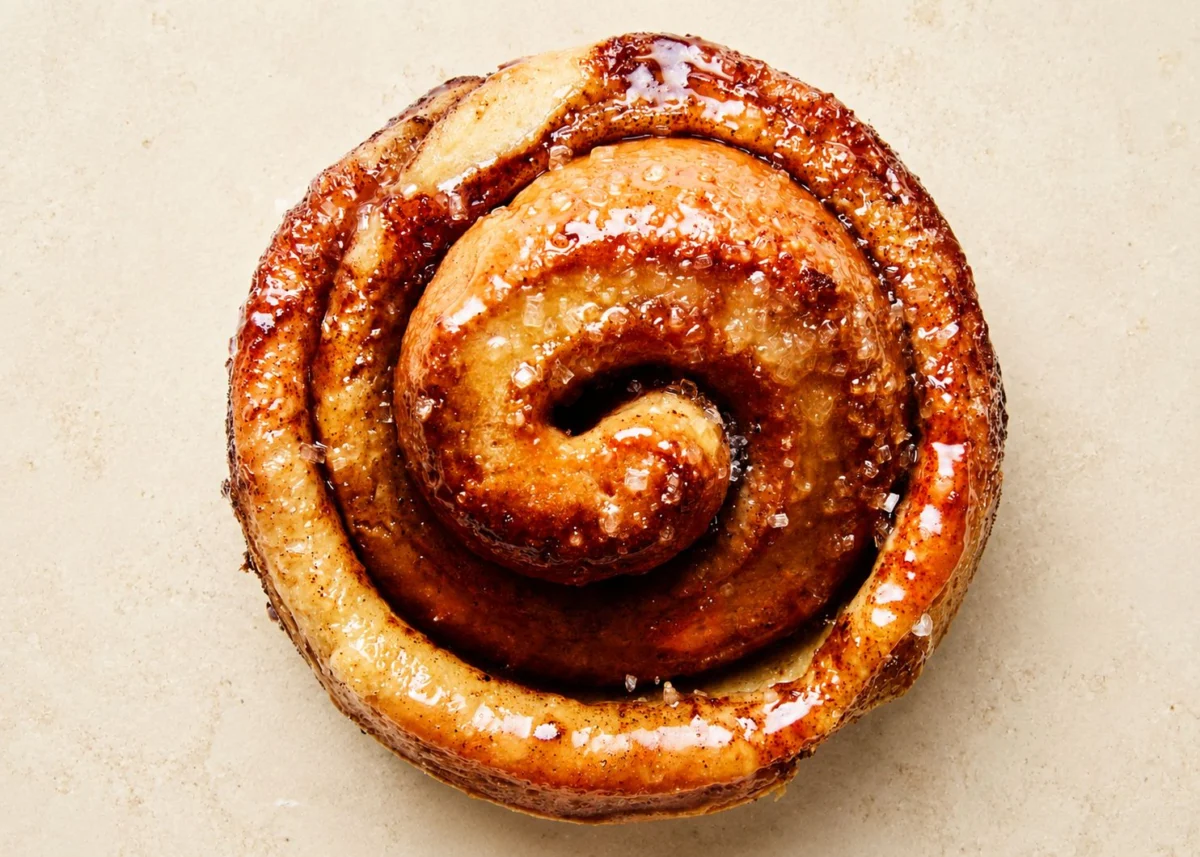
Renowned cookbook author and former Bon Appétit staffer Claire Saffitz has introduced a morning bun recipe that she aptly describes as "the more sophisticated cousin of the sticky bun." This innovative approach to a beloved breakfast pastry combines tender, buttery swirls of enriched dough with crisp, caramelized edges, a complex honey-cinnamon filling, and a delicate crackly sugar topping. Positioned as an ideal offering for weekend breakfasts and holiday brunches, Saffitz’s recipe distinguishes itself by prioritizing accessibility for the home baker while delivering a product traditionally associated with professional patisseries.
The Genesis of an Elevated Classic: Claire Saffitz’s Vision
Claire Saffitz rose to prominence through her meticulous and often humorous deconstructions of complex confections in Bon Appétit’s "Gourmet Makes" video series. Her subsequent cookbooks, Dessert Person and What’s for Dessert, further cemented her reputation as a culinary authority who empowers home cooks to tackle seemingly daunting recipes with confidence. Saffitz’s culinary philosophy centers on understanding the fundamental science of baking, enabling her to simplify intricate processes without compromising on flavor or texture. Her morning bun recipe is a quintessential example of this ethos, taking a classic bakery staple and re-engineering it for the domestic kitchen.
In a culinary landscape increasingly dominated by a desire for artisanal quality at home, Saffitz’s contribution resonates deeply. The past decade has witnessed a significant surge in interest in home baking, amplified by global events that encouraged domestic culinary exploration. This trend has fostered an environment where recipes that balance complexity with achievable steps are highly valued. Saffitz’s morning buns tap directly into this demand, offering an elevated experience that feels both luxurious and attainable. Her approach, moving away from the often intimidating laminated dough typically found in bakery morning buns, demonstrates a keen understanding of her audience’s capabilities and aspirations.
Deconstructing the Morning Bun: An Accessible Masterpiece
Unlike many commercial morning buns that rely on labor-intensive laminated doughs—the same type used for croissants and Danish pastries—Saffitz has opted for an enriched yeast dough. This strategic choice significantly simplifies the preparation process, making it far more feasible for the average home baker without special equipment or advanced pastry skills. The enriched dough, rich with butter and eggs, provides the characteristic tender crumb while being much easier to handle and shape.
The foundation of this dough begins with a simple sponge, also known as a preferment. This technique involves combining a portion of the flour, water, and yeast and allowing it to ferment for a period before adding the remaining ingredients. This initial fermentation step is crucial for developing deeper, more nuanced flavors in the dough, contributing a subtle tang and complexity that would be absent in a direct-mix dough. It also enhances the dough’s extensibility and improves its keeping qualities, allowing for a better texture and extended freshness.
For structural integrity, Saffitz specifies bread flour, known for its higher protein content that facilitates robust gluten development, resulting in a lofty and chewy crumb. Complementing this, a small amount of whole wheat flour is incorporated, not just for its nutritional value, but primarily for the subtle nutty undertones it imparts, adding another layer of flavor complexity to the finished bun. This thoughtful combination of flours showcases Saffitz’s attention to detail in crafting a superior texture and taste profile.
The filling for these morning buns is a testament to Saffitz’s sophisticated palate. It moves beyond a simple sugar-and-spice blend, instead featuring a harmonious combination of brown sugar and honey. Brown sugar contributes rich, molasses-like caramel notes, adding depth and a slightly chewy texture to the caramelized edges. Honey, on the other hand, introduces a lighter, more floral sweetness, which perfectly complements the bright, aromatic zest of orange. This citrus element is pivotal, cutting through the richness of the butter and sugar, providing a refreshing counterpoint. The spice blend further elevates the filling, with warm cinnamon as the dominant flavor, subtly enhanced by the exotic, slightly piney notes of cardamom. This multi-layered filling is a significant departure from the more streamlined, often singular-spice fillings found in traditional cinnamon rolls.
The Art of the Bake: Precision in Practice
A hallmark of Saffitz’s recipe, and a significant convenience for home bakers, is its make-ahead nature. As Saffitz herself emphasizes, "These are called morning buns. You want to eat them in the morning—so, all of this work you do the night before." This strategy allows for an overnight rest in the refrigerator, a critical step that serves multiple purposes. Cold fermentation not only deepens the dough’s flavor further but also slows down yeast activity, making the dough much easier to handle and roll out without it becoming overly sticky or elastic. It also means that on the morning of serving, the bulk of the preparation is already complete, allowing for a relatively quick assembly and bake.

The preparation timeline unfolds logically:
- Evening (Day 1): The sponge is prepared and allowed to ferment. The remaining dough ingredients are then mixed in, followed by the initial bulk fermentation. After this, the dough is rolled out, spread with the prepared filling, tightly rolled into a log, sliced, and arranged in greased muffin tins for an overnight chill in the refrigerator. This overnight rest is crucial for both flavor development and ease of handling the next morning.
- Morning (Day 2): The shaped buns are removed from the refrigerator and allowed to proof at room temperature until adequately risen. They are then baked until golden brown and caramelized, finished with a warm honey-butter glaze and a sprinkling of sanding sugar.
The choice to bake these buns in individual muffin tins is not merely for aesthetic appeal; it is a critical functional element that defines the morning bun’s characteristic texture. As the buns bake, the butter and honey from the filling inevitably bubble and drip down into the cups of the muffin tin. These drippings caramelize against the hot metal, creating the signature crisp, sticky bottoms and deeply golden, chewy edges that are a hallmark of a perfectly executed morning bun. This method ensures all-over browning and a delightful textural contrast between the tender interior and the crisp exterior, a stark difference from cinnamon rolls typically baked snuggled together in a single pan, which often results in softer, less defined edges.
Beyond the Sticky Bun: A Comparative Culinary Analysis
To fully appreciate Saffitz’s morning buns, it is insightful to understand their distinctions from other popular breakfast pastries, particularly cinnamon rolls. While both offer a comforting, sweet, and spiced experience, their structural and flavor profiles diverge significantly.
- Dough Composition: The most fundamental difference lies in the dough. As noted, many bakery-style morning buns are crafted from laminated dough, characterized by multiple layers of butter encased within dough, resulting in an exceptionally flaky texture. While Saffitz’s recipe uses an enriched yeast dough similar to that of many cinnamon rolls, her meticulous ingredient selection and preferment step elevate it beyond a standard sweet bread dough. Traditional cinnamon rolls almost universally feature a rich, butter-laden bread dough, offering a softer, denser crumb.
- Filling Complexity: Morning buns typically boast a more intricate, often citrus-forward filling. Orange zest, combined with warm spices like cinnamon, nutmeg, and cardamom, creates a vibrant, multi-dimensional flavor profile. Cinnamon roll fillings, by contrast, tend to be more straightforward, primarily focusing on cinnamon and brown sugar.
- Baking Method and Texture: The individual baking of morning buns in muffin tins is crucial. This method allows each bun to develop its own caramelized exterior and crisp bottom, maximizing textural contrast. Cinnamon rolls are commonly baked in a single dish, allowing them to expand and meld together, resulting in a softer, more uniformly tender pastry, often lacking the distinct crispness of a morning bun.
- Finishing: Morning buns generally forgo the heavy cream cheese frosting often associated with cinnamon rolls. Instead, they typically feature a lighter glaze, a dusting of powdered sugar, or, in Saffitz’s case, a crackly sugar topping and a honey-butter glaze, which enhances their glossy appearance and caramelized notes without overwhelming the pastry.
The Science of the Swirl: Unpacking Key Ingredients and Techniques
Saffitz’s recipe is not just a collection of ingredients and steps; it’s an application of sound baking science.
- The Power of Preferments: The sponge (preferment) plays a vital role in flavor development. During this initial fermentation, yeast consumes sugars and produces alcohol and various organic acids (lactic and acetic acids). These compounds contribute significantly to the bread’s aroma and taste, lending a depth that cannot be achieved with a rapid, direct-mix method. Furthermore, preferments enhance the dough’s strength and extensibility, making it easier to handle and contributing to a better crumb structure.
- Gluten Development and Flour Choice: Bread flour, with its higher protein content (typically 12-14%), forms stronger gluten networks when hydrated and kneaded. This gluten structure is essential for trapping the carbon dioxide produced by the yeast, allowing the buns to rise high and maintain their airy, chewy texture. All-purpose flour, with a lower protein content (around 10-12%), would result in less gluten development, leading to a softer bun with less structure, a texture Saffitz explicitly aims to avoid for her morning buns. The addition of whole wheat flour introduces not only flavor but also additional fiber and nutrients, slightly altering the gluten development but contributing positively to the overall chew.
- Cold Fermentation Benefits: The overnight refrigeration is more than just a convenience. The cold temperature significantly slows down yeast activity, allowing for a longer fermentation period. This extended fermentation allows enzymes within the dough to break down complex carbohydrates into simpler sugars, enhancing flavor and making the dough more digestible. It also helps to firm up the butter in the dough, making it less sticky and easier to roll out into thin, even layers without tearing.
- Maillard Reaction and Caramelization: The crisp, sticky bottoms of the morning buns are a result of two key chemical reactions occurring simultaneously during baking: the Maillard reaction and caramelization. The Maillard reaction is a complex series of chemical reactions between amino acids and reducing sugars at high temperatures, responsible for the browning and savory flavors in many foods. Caramelization, specifically, is the oxidation of sugar, resulting in a nutty, buttery flavor and brown color. As the sugar and honey-infused butter drip into the hot muffin tin, they undergo intense caramelization and Maillard reactions, creating the distinctive dark, crisp, and intensely flavorful layer at the bottom of each bun.
- Proofing Indicators: The "poke test" is a simple yet effective method to determine if the shaped buns are adequately proofed before baking. Gently poking the side of a bun and observing the dough’s reaction provides insight into its readiness. If the indentation springs back immediately, the dough is under-proofed. If it springs back slowly but an indentation remains, it indicates optimal proofing. If the indentation remains and the dough doesn’t spring back at all, it’s likely over-proofed. Working with cold dough during shaping helps maintain the distinct spirals, as the butter in the dough is less prone to melting and blurring the layers.
Implications for the Home Baker and Culinary Scene
Claire Saffitz’s morning bun recipe has broader implications for the home baking community and the culinary scene at large. It exemplifies a trend towards demystifying complex pastries, making artisanal quality achievable in domestic kitchens. This approach empowers home bakers, encouraging them to expand their repertoire beyond basic recipes and tackle what might traditionally be perceived as professional-level baking.
The emphasis on make-ahead elements aligns perfectly with modern lifestyles, where time is a premium. Recipes that allow for staggered preparation offer flexibility and reduce morning stress, making elaborate breakfasts more feasible for busy individuals and families. This convenience factor is a significant draw, contributing to the recipe’s widespread appeal.
Furthermore, the recipe reinforces the enduring popularity of comfort food and the sensory pleasure of home baking. The aroma of warm cinnamon, honey, and orange zest filling a kitchen on a weekend morning is an experience deeply ingrained in culinary culture. Saffitz’s meticulous yet accessible method ensures that this experience is not just a dream but a tangible reality for her followers. Her influence extends to ingredient choices as well, potentially increasing demand for specific types of flour, high-quality honey, and specialty spices like cardamom, reflecting a more discerning approach to home cooking.
In conclusion, Claire Saffitz’s morning bun recipe is more than just a culinary instruction set; it is a meticulously crafted guide that blends sophisticated flavors and textures with approachable techniques. By innovating on classic pastry methods and providing clear, detailed instructions, Saffitz continues to inspire and empower a new generation of home bakers, solidifying her position as a leading voice in contemporary dessert culture and redefining what’s possible in the home kitchen. This recipe stands as a testament to her dedication to making elevated baking accessible, turning an ordinary morning into an extraordinary culinary experience.
