

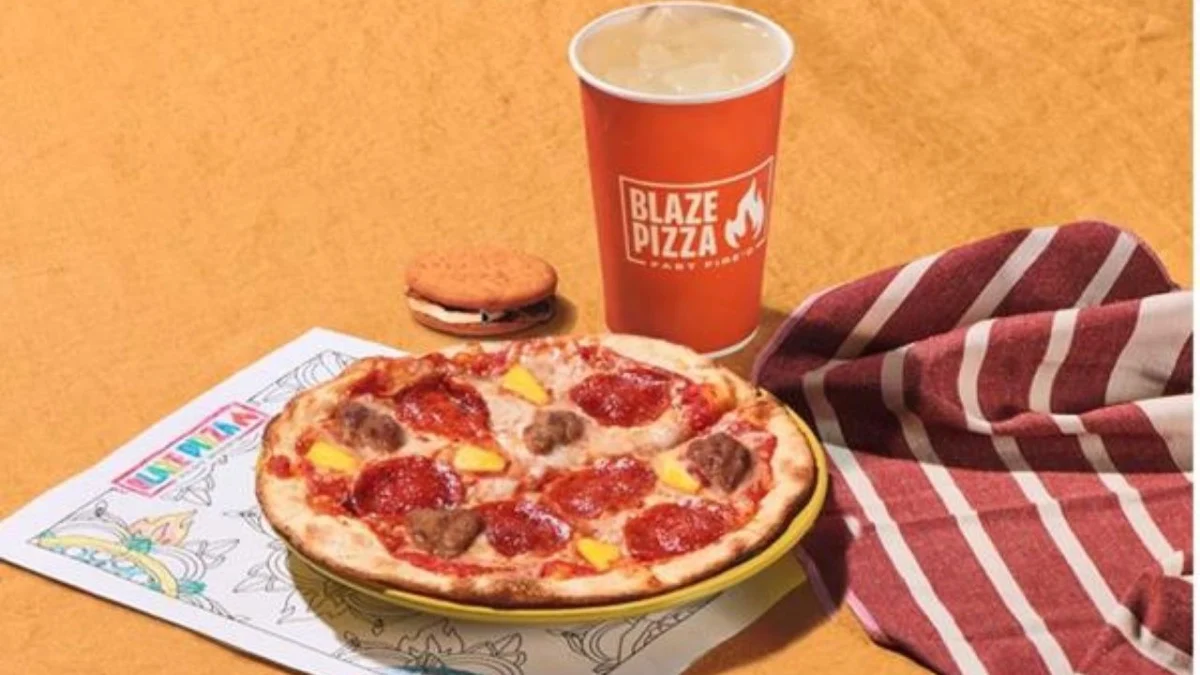
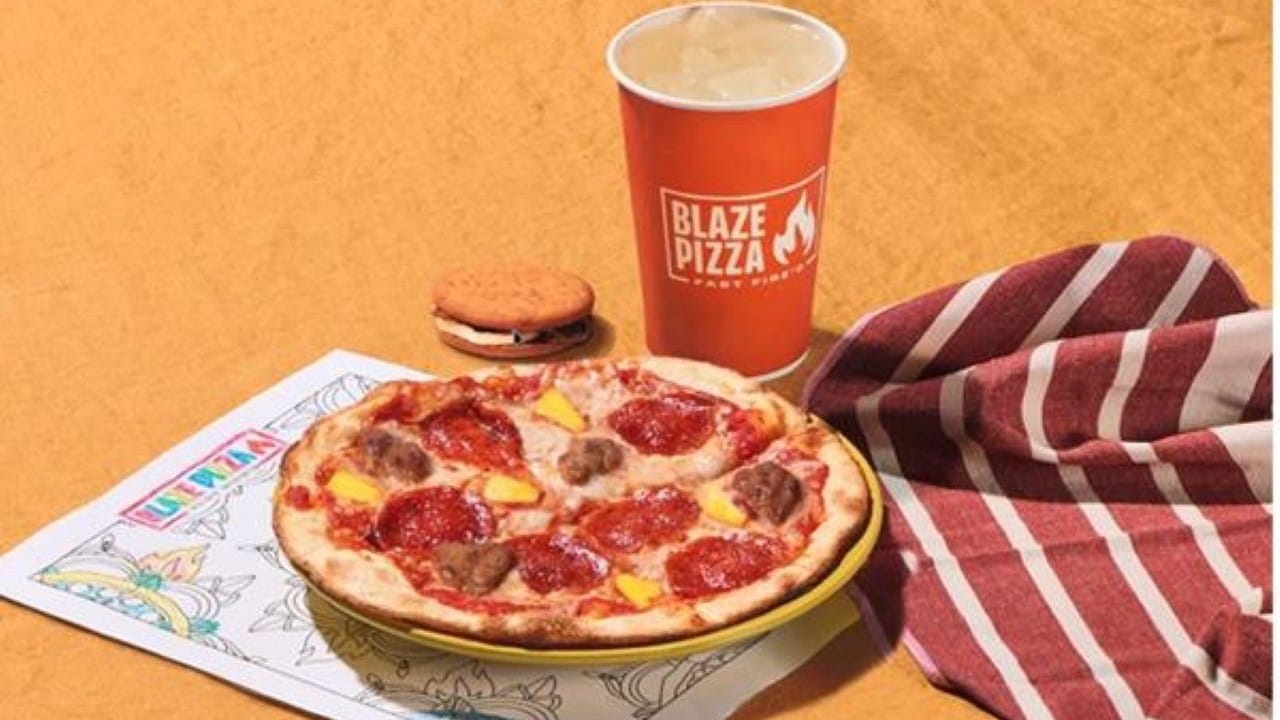
Blaze Pizza is strategically targeting the family demographic with the introduction of its inaugural kids’ menu, a move designed to bolster customer engagement and drive a critical business turnaround. This new offering, priced at $7.95, features a personalized 7-inch pizza, a drink, a dessert or applesauce, and a coloring sheet, signaling a significant pivot in the fast-casual pizza chain’s growth strategy. The personalized 7-inch pizza itself is available for $5.95, with options for cheese, pepperoni, or the choice of up to three toppings, emphasizing customization, a hallmark of the Blaze Pizza brand.
The timing of this launch is particularly salient, coinciding with the demanding back-to-school season, a period when families often seek convenient and appealing meal solutions. This initiative underscores Blaze Pizza’s recognition of its core customer base, with over half of its patrons identified as families with children. John Owen, CEO of Blaze Pizza, articulated this sentiment in a recent statement, highlighting the menu’s design around "more choice, more flexibility and an easier way to enjoy a meal together." He further emphasized that the new kids’ menu ensures "every guest at the table something made for them, with the ability to personalize their pizza exactly how they like it." This customer-centric approach aims to solidify Blaze Pizza’s appeal within households and foster a more inclusive dining experience.
Industry-Wide Competition for Family Dining Dollars
The introduction of Blaze Pizza’s kids’ menu is not an isolated event but rather a component of a broader trend within the quick-service and fast-casual restaurant sectors. Competitors are actively vying for the attention and loyalty of families with young children through a variety of innovative promotions and menu additions. Chipotle, for instance, recently rolled out its "Salish Matter Order," which includes a kid-friendly cheese quesadilla, catering to a younger palate with familiar ingredients. Burger King has also made significant investments in its family-oriented offerings, revamping its chicken nuggets and implementing engaging promotions such as the "SpongeBob Menu," designed to capture the imagination of children and their parents alike.
The competitive landscape extends beyond these two brands, with numerous other chains deploying targeted strategies. Cracker Barrel, a stalwart in family dining, has been offering free kids’ toys to incentivize family visits. Wayback Burgers is running a promotion providing a free kids’ meal every Wednesday through September 30th, creating a predictable draw for mid-week family outings. Mellow Mushroom is extending a similar allure with a kids-eat-free promotion every Tuesday through the end of October, further enhanced by the opportunity for children to receive a free plush Mel toy while supplies last. Even PDQ, a fast-casual chain known for its chicken tenders, has launched its "Voices from the Backseat" campaign, a creative initiative that "celebrates the voices and appetites of kids" and includes a free kids’ meal with the purchase of any combo meal through September. These diverse strategies highlight a collective industry effort to capture the lucrative family market, a demographic known for its significant spending power and influence on dining choices.
Blaze Pizza’s Strategic Pivot Amidst Declining Sales
The launch of the kids’ menu is intrinsically linked to Blaze Pizza’s broader corporate strategy, which is focused on a significant turnaround. The company has faced considerable headwinds in recent years, as evidenced by financial data from Technomic. In 2025, Blaze Pizza experienced a decline in sales exceeding 12%, coupled with a substantial closure rate of 13.5%. This led to a reduction in its total number of locations, ending the year with 230 restaurants, a notable decrease from the 266 stores operating in 2024. Founded in 2011 and recognized as a pioneer in the "top-your-own" fast-casual pizza segment, the Atlanta-based chain is now navigating a challenging period that necessitates aggressive and innovative strategies to revitalize its market position and financial performance.
The introduction of a dedicated kids’ menu can be viewed as a strategic imperative in this turnaround effort. By focusing on a core demographic that represents a substantial portion of its customer base, Blaze Pizza aims to increase visit frequency, average check size, and overall brand loyalty. The emphasis on personalization, a foundational element of Blaze Pizza’s appeal, is extended to its youngest customers, ensuring that the experience is not only convenient for parents but also engaging and enjoyable for children. This approach seeks to differentiate Blaze Pizza from competitors by leveraging its established brand identity while adapting to evolving consumer demands.
Historical Context and Brand Evolution
Blaze Pizza emerged during a period of significant growth and innovation in the fast-casual dining sector. The "build-your-own" model, popularized by brands like Subway and Chipotle, extended into the pizza category, offering consumers unprecedented control over their meal ingredients and preparation. Blaze Pizza quickly gained traction by offering high-quality, customizable pizzas at an accessible price point, prepared quickly in a high-temperature oven. Its early success was characterized by rapid expansion and widespread acclaim, positioning it as a leader in the burgeoning fast-casual pizza market.
However, the restaurant industry is notoriously dynamic, with consumer preferences shifting and competitive pressures intensifying. The rise of delivery platforms, changing dietary trends, and economic fluctuations have all contributed to a more challenging operating environment for many restaurant chains. For Blaze Pizza, the recent sales declines and store closures suggest that its initial growth trajectory has encountered obstacles. The strategic decision to focus on families, therefore, represents an adaptation to these market realities. By catering more directly to the needs and desires of families, Blaze Pizza is seeking to re-establish a strong connection with a key consumer segment and build a more resilient business model for the future.
The Implications of Family-Focused Strategies
The increasing emphasis on family-oriented offerings by major restaurant chains has several implications for the broader industry. Firstly, it highlights a growing recognition of the family unit as a primary driver of restaurant traffic and spending. Parents often seek dining experiences that can satisfy the diverse preferences of their children while also offering convenience and value. Chains that can successfully cater to these multifaceted needs are likely to gain a competitive advantage.
Secondly, this trend underscores the importance of creating engaging and memorable experiences for children. Beyond just offering kid-sized portions or simpler menu items, brands are increasingly investing in promotions, entertainment, and even educational components, like coloring sheets, to enhance the overall family dining experience. This holistic approach aims to build brand affinity from an early age, fostering long-term customer loyalty.
For Blaze Pizza, the success of its new kids’ menu will be a critical indicator of its ability to execute its turnaround strategy. The affordability of the $7.95 meal deal, combined with the inherent appeal of customizable pizza, provides a strong foundation. However, sustained growth will likely depend on several factors: consistent execution of quality and service across all locations, effective marketing to reach target families, and the ability to adapt to evolving consumer tastes and competitive pressures. The company’s historical strength in personalization, when applied to its youngest customers, offers a unique selling proposition that could resonate effectively in the current market.
The broader implications of this strategic shift extend to the competitive dynamics within the fast-casual pizza segment. As Blaze Pizza doubles down on family engagement, it may compel other pizza chains, both independent and franchised, to re-evaluate their own offerings for younger diners. The success of this initiative could set a new benchmark for family-friendly customization and value within the pizza industry, potentially influencing menu development and marketing strategies across the sector. As the industry continues to evolve, the ability to connect with and serve families effectively will remain a paramount factor in achieving long-term success and market leadership.
