

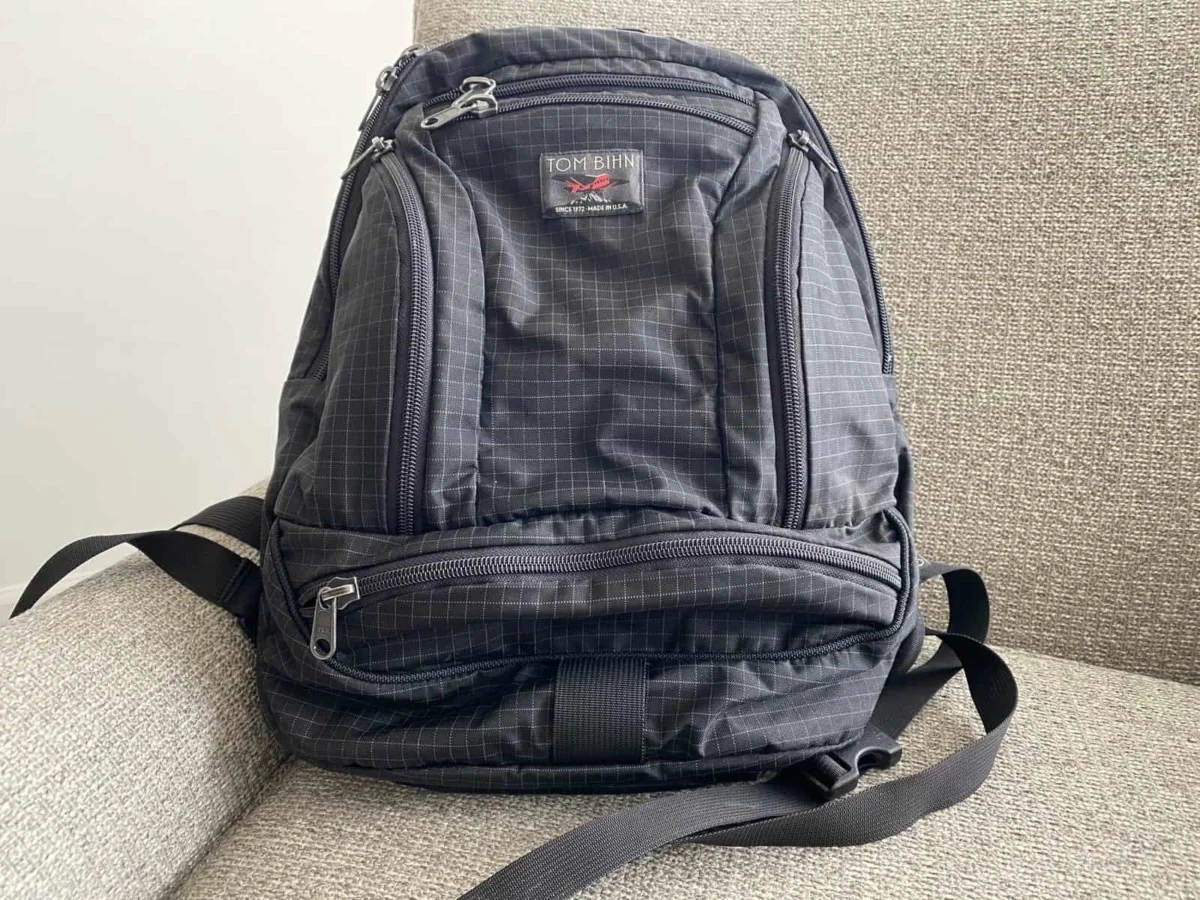
The recovery of personal property following a criminal act is a statistically rare occurrence, particularly when the timeline spans several years. However, in a case that highlights the intersections of urban crime, digital connectivity, and personal resilience, a backpack stolen during a 2017 burglary in Brooklyn, New York, was recently returned to its owner, Jodi Ettenberg. The recovery comes more than three years after a series of events that fundamentally altered Ettenberg’s life, coinciding with a medical procedure that left her with a permanent disability. The return of the items, discovered by a maintenance worker on a residential roof in the Park Slope neighborhood, offers a rare conclusion to a case that had long been considered closed by both the victim and local authorities.
The Intersection of Medical Trauma and Criminal Opportunity
The origins of this case date back to August 2017, a period during which Ettenberg, a former corporate attorney and noted travel writer, was residing in Brooklyn. At the time, Ettenberg was undergoing a lumbar puncture, commonly known as a spinal tap, at a local medical facility. The procedure, intended to diagnose or treat a medical condition, resulted in a debilitating cerebrospinal fluid (CSF) leak. This condition, characterized by a hole in the membrane surrounding the spinal cord, leads to a loss of fluid pressure around the brain, often resulting in severe, "positional" headaches that necessitate a recumbent lifestyle.
While Ettenberg was undergoing this life-changing medical event, the apartment she was occupying as a house-sitter was targeted by a burglar. Surveillance footage from the residence confirmed that the intruder entered the premises at the exact moment the medical procedure was commencing. The perpetrator utilized Ettenberg’s own "Tom Bihn Synapse" daybag to consolidate stolen goods, which included a laptop, jewelry belonging to the permanent residents, and various personal effects. In a peculiar display of selective theft, the burglar left behind Ettenberg’s Canadian passport and a small amount of currency before fleeing the scene.
The Discovery and Identification Process
The resolution of the property’s whereabouts began in late 2020, though the notification process was delayed due to the filtering mechanisms of social media platforms. A resident of Park Slope, living only a few doors down from the site of the 2017 burglary, hired a professional chimney sweep to perform routine maintenance. During the inspection of the roof and chimney vents, the worker discovered the weather-worn backpack tucked into a crevice near the vent.
Upon inspecting the contents, the resident found expired credit cards and business cards belonging to Ettenberg. Recognizing the potential importance of the find, the resident utilized Facebook to locate the owner. However, because the two individuals were not connected on the platform, the message was diverted to a "requests" folder, where it remained unnoticed for several weeks.
In January 2021, Ettenberg discovered the message, which inquired if she had lost a bag in the area several years prior. The subsequent exchange confirmed that the bag found on the roof was indeed the one taken during the 2017 burglary. The location of the find suggests that the perpetrator may have used the roof as a staging area or a disposal site to shed identifiable evidence shortly after the crime.

Chronology of Events: 2017 to 2021
To understand the significance of the recovery, it is necessary to examine the timeline of events that transitioned Ettenberg from a mobile international traveler to a patient managing a chronic disability.
- August 2017: Ettenberg undergoes a spinal tap in a New York City hospital. Simultaneously, a burglar enters her temporary residence in Park Slope, stealing her backpack and electronics.
- Late 2017 – 2018: Ettenberg’s medical condition stabilizes into a chronic CSF leak, significantly limiting her mobility and ending her career as a full-time travel journalist.
- December 2020: A chimney sweep discovers the backpack on a roof in Park Slope. The homeowner attempts to contact Ettenberg via social media.
- January 2021: Ettenberg discovers the filtered message and confirms the identity of the property.
- February 2021: A close associate, Cheryl, a former law school colleague, retrieves the bag from the Park Slope resident.
- March 2021: The bag is refurbished and returned to Ettenberg, containing a mix of original items and new tokens of support from her peer network.
Analysis of Recovered Property and Missing Assets
While the recovery of the bag provided a sense of narrative closure, the inventory of the contents reflects the typical patterns of opportunistic theft. High-value electronics and liquid assets were notably absent, whereas items of high personal value but low resale value remained.
Recovered Items:
- Prescription Eyewear: Two pairs of prescription glasses were found within the bag. Despite being subjected to over three years of New York’s seasonal temperature fluctuations—ranging from sub-zero winters to humid summer heat exceeding 90 degrees Fahrenheit—the frames remained intact, though slightly warped.
- Financial Instruments: Several credit cards were recovered; however, all had reached their expiration dates during the intervening years.
- Personal Hygiene Products: A bottle of hand lotion and a container of Tylenol were found, showing signs of degradation due to environmental exposure.
- Professional Ephemera: Business cards from travel industry events remained in the pockets, serving as the primary means of identification for the finder.
Missing Assets:
- Hardware: A laptop computer, which served as Ettenberg’s primary tool for her professional writing and legal work, was never recovered.
- Valuables: Jewelry stolen from the apartment owners remains missing.
- Currency: Cash taken from the bag was not found during the roof discovery.
Supporting Data: Property Crime and Recovery Rates in New York City
The recovery of Ettenberg’s bag is a statistical anomaly. According to data from the New York Police Department’s (NYPD) CompStat 2.0 portal, the 78th Precinct, which covers Park Slope, has seen fluctuating rates of grand larceny and burglary over the last decade. In 2017, the year of the initial theft, burglary rates in the precinct were part of a broader city-wide trend where property recovery rates remained low.
National statistics from the Federal Bureau of Investigation (FBI) indicate that the recovery rate for stolen property (excluding motor vehicles) typically hovers between 3% and 5%. The likelihood of recovery diminishes significantly after the first 48 hours following a crime. The fact that this property was located 40 months after the incident, and subsequently returned via a "good Samaritan" intervention, underscores the role that community vigilance and digital footprints play in modern loss prevention and recovery.
The Role of Social Support and Peer Networks
The logistical challenge of retrieving the bag was managed through Ettenberg’s professional and personal network. Cheryl, a former colleague from a New York law firm, acted as the intermediary. This detail highlights the long-term professional bonds formed within the legal community. Cheryl’s involvement went beyond mere logistics; she performed what is colloquially known as "restorative maintenance" on the item.

Recognizing the traumatic associations the bag held—representing the "liminal space" between Ettenberg’s life as an able-bodied traveler and her current reality—Cheryl cleaned the bag and filled it with themed gifts (specifically llama-related items, a known preference of Ettenberg). This act of "transmuting the bad into something useful" is a recognized psychological strategy in trauma recovery, allowing the victim to recontextualize an object of theft as an object of community support.
Implications for Long-term Trauma and Narrative Closure
Psychological experts often note that the "unsolved" nature of property crime can contribute to a sense of lingering anxiety for victims. For Ettenberg, the theft was inextricably linked to the onset of her physical disability. The return of the bag served as a "spiral of life" moment, where a past trauma resurfaced, allowing for a secondary level of emotional processing.
In a statement regarding the event, Ettenberg described the experience as "kicking up sediment from the bottom of a lake that appeared to be clear." The bag functioned as a physical manifestation of a "holding of breath"—a transient space between her old identity and her new one. By eventually donating the bag to another friend, Ettenberg engaged in a symbolic "closing of the chapter," effectively stripping the object of its power to represent her loss.
Conclusion and Broader Impact
The story of the Park Slope backpack serves as a case study in the persistence of physical objects and the unpredictable nature of urban life. It demonstrates that while the legal and medical systems may move toward definitive conclusions, the personal narratives of those involved often remain open-ended until triggered by chance discoveries.
From a journalistic and sociological perspective, the event reinforces three key themes:
- The Durability of Community: The initiative taken by a stranger to track down a victim years after a crime speaks to the resilience of civic duty in dense urban environments.
- The Limitations of Digital Archives: While social media facilitates reconnection, its algorithmic filtering can delay crucial communications, as seen with the "requests" folder delay.
- The Significance of Symbolic Recovery: In cases of life-altering trauma, the return of "minor" property can carry disproportionate weight, serving as a catalyst for emotional resolution that the legal system cannot provide.
As Ettenberg continues to navigate her health challenges, the recovery of her "miracle bag" stands as a testament to what she describes as being an "outlier of possibilities." While the thief was never apprehended and the most valuable assets were never found, the return of the bag provides a rare, documented instance of a victim reclaiming a piece of their history from the literal rooftops of New York City.
