

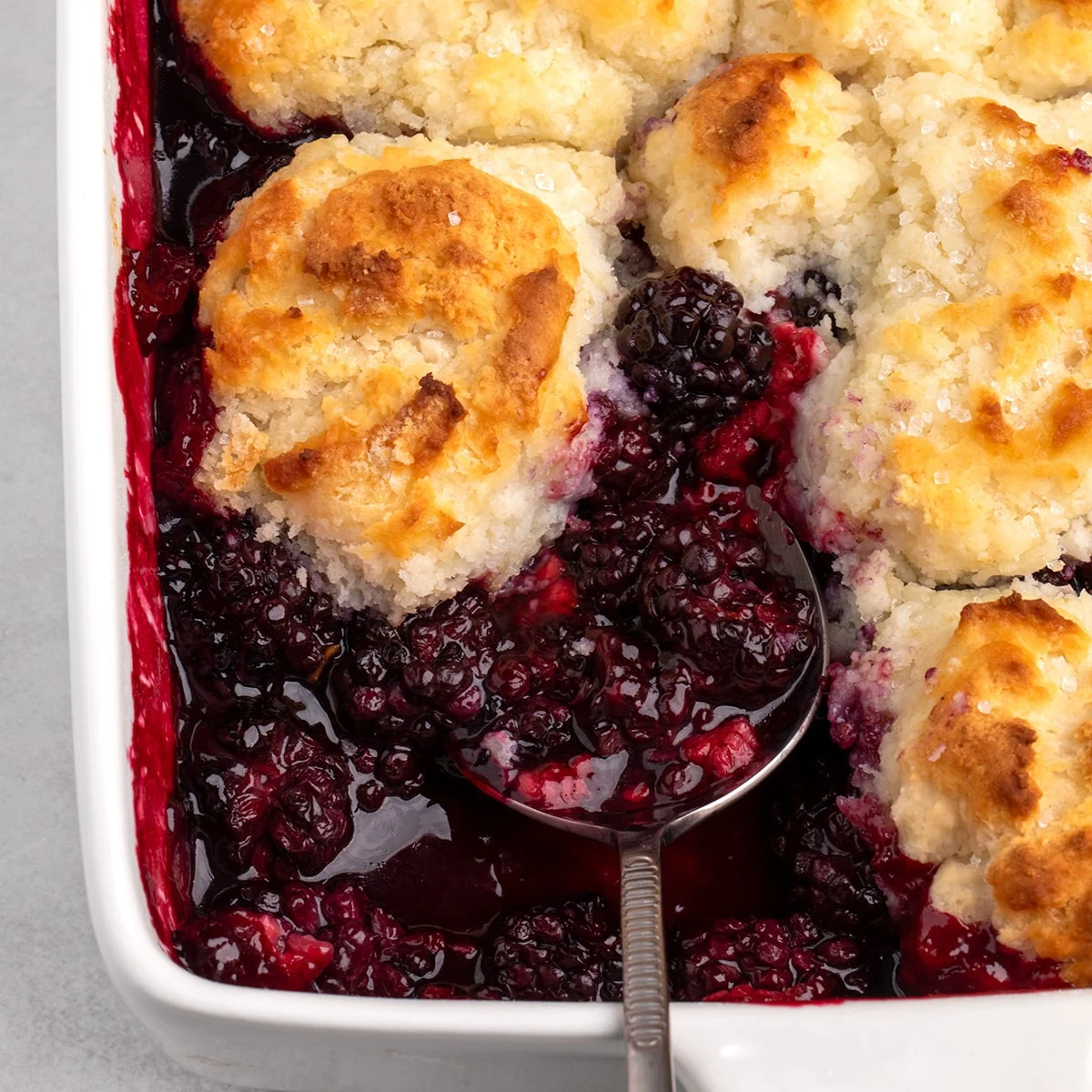
This gluten-free blackberry cobbler is a culinary masterpiece, meticulously designed to deliver a rich, jammy filling bursting with the bold, sweet-tart essence of blackberries, crowned with a tender, golden pastry topping. The magic of this recipe lies in its ability to transform simple ingredients into an extraordinary dessert, even when working with less-than-perfect berries. Each bite offers a symphony of textures and flavors, from the glossy, thickened berry syrup to the fluffy, tender biscuit-like topping with its delicately crisp edges. This is not merely a recipe; it’s a testament to the thoughtful science and artistry that goes into creating exceptional gluten-free baked goods, ensuring that dietary restrictions do not compromise the joy of indulging in a classic comfort food.
The Culinary Science Behind a Flawless Cobbler
The success of this gluten-free blackberry cobbler hinges on a deep understanding of how ingredients interact to create balance and desirable textures. The filling, the heart of any cobbler, is carefully constructed to showcase the unique character of blackberries. Recognizing that blackberries can present a variable level of tartness, the recipe strategically employs a precise balance of sugar, salt, and cinnamon. The addition of sweet raspberries serves not only to complement the blackberries but also to further moderate their inherent tartness, creating a more harmonious flavor profile.
A crucial element in achieving the perfect filling consistency is the use of tapioca starch. This ingredient acts as a powerful thickening agent, transforming the released berry juices into a luscious, glossy syrup. Unlike some other starches, tapioca starch forms a clear, stable gel that resists cloudiness and prevents the dreaded "runny" cobbler. This meticulous attention to detail ensures that the filling is rich, cohesive, and intensely flavorful, providing a perfect base for the topping.
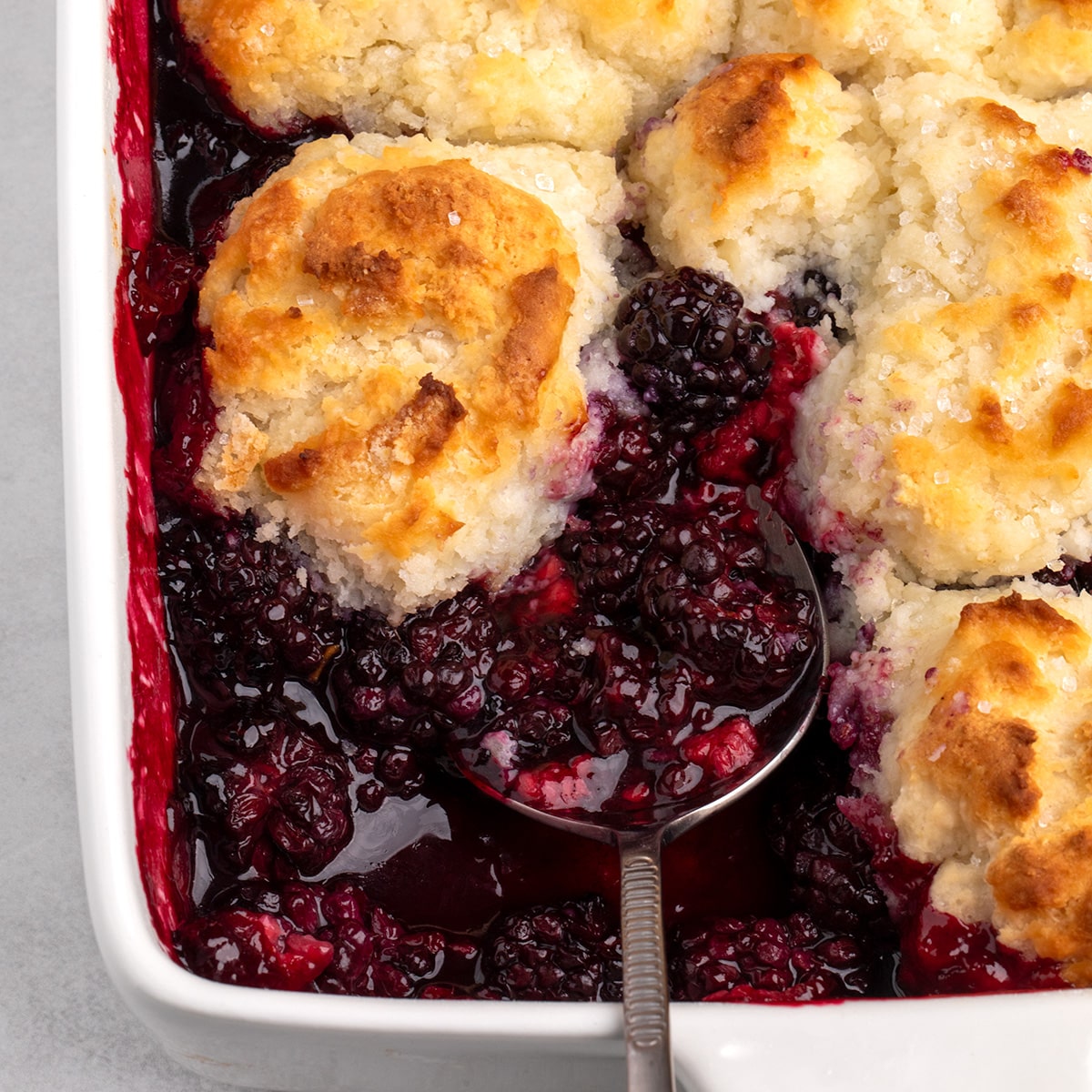
The pastry topping itself is a marvel of gluten-free baking. It’s engineered to be a soft, drop-biscuit style topping, with a slightly increased moisture content that encourages it to spread and meld into the signature "cobblestones" during baking. The inclusion of cold butter, expertly layered and gently incorporated into a soft dough, is key to achieving that desired fluffy and tender texture, complete with delightfully crisp, buttery edges. This thoughtful approach to topping preparation ensures a delightful contrast to the soft, jammy filling.
A Symphony of Ingredients: The Building Blocks of Excellence
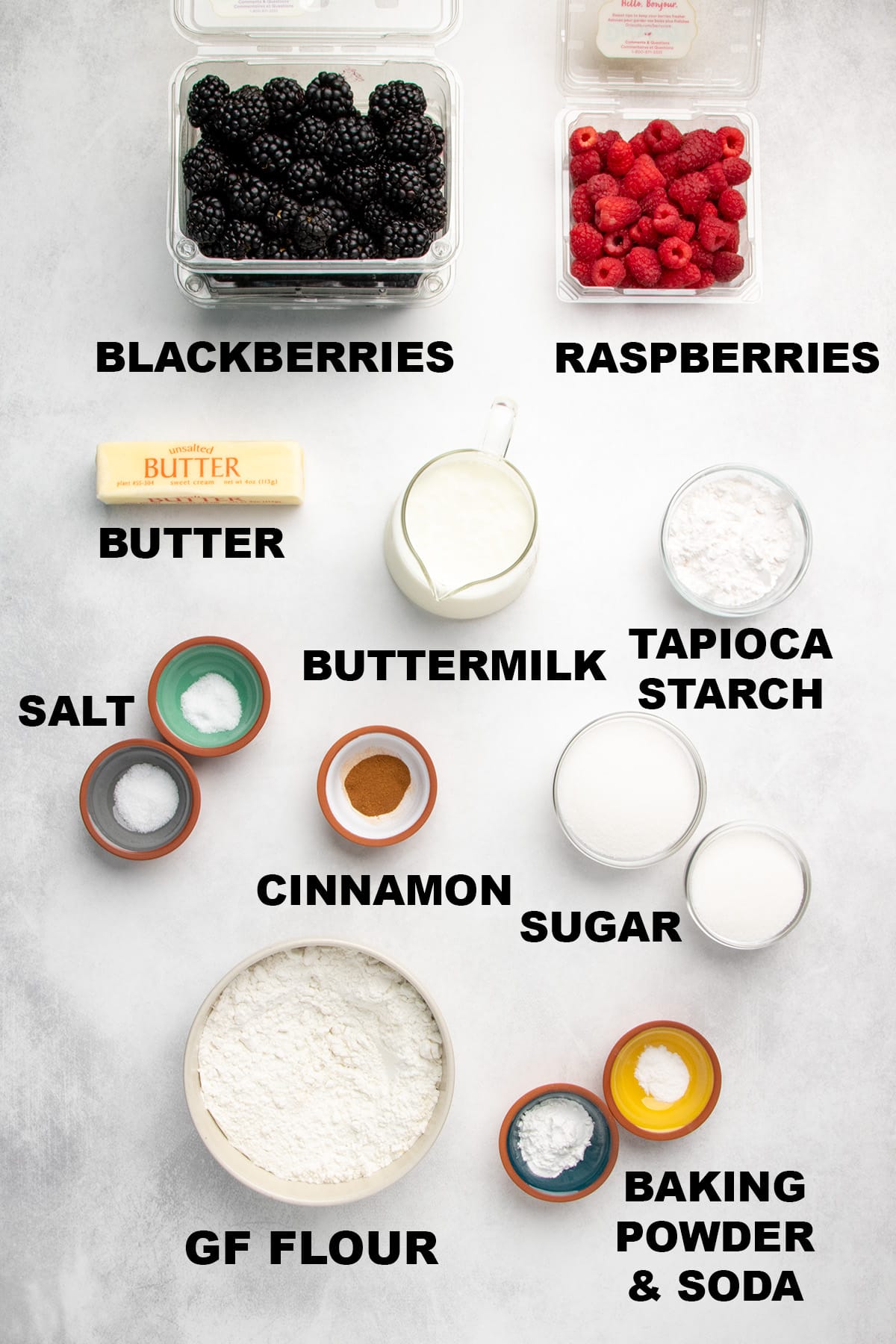
The creation of this exceptional gluten-free blackberry cobbler relies on a specific combination of high-quality ingredients, each playing a vital role in the final outcome.
For the Filling:
- Blackberries: The star of the show, providing a complex sweet-tart flavor. The recipe is designed to work with both fresh and frozen berries, offering flexibility for bakers.
- Raspberries: These add a touch of sweetness and a complementary flavor profile, helping to balance the tartness of the blackberries.
- Granulated Sugar: Sweetens the filling and helps to create the syrupy texture.
- Tapioca Starch: The essential thickening agent, ensuring a glossy, stable, and non-runny filling.
- Salt: Enhances the overall flavor profile and balances the sweetness.
- Ground Cinnamon: Adds a warm, aromatic spice note that complements the berries beautifully.
For the Pastry Topping:
- All-Purpose Gluten-Free Flour Blend: The foundation of the topping. The article specifically recommends blends like Better Batter’s original, Nicole’s Best with added xanthan gum, or Bob’s Red Mill GF 1-to-1 (with an added scant 1/2 teaspoon of xanthan gum). For those preferring to create their own blend, a link to expert recipes is provided.
- Xanthan Gum: Crucial for providing structure and elasticity to gluten-free baked goods, mimicking the role of gluten.
- Baking Powder: A leavening agent that contributes to the fluffy texture of the topping.
- Baking Soda: Works in conjunction with baking powder for optimal lift and browning.
- Granulated Sugar: Adds a touch of sweetness to the biscuit topping.
- Salt: Balances the sweetness and enhances the overall flavor.
- Cold Butter: Essential for creating flaky layers and a tender texture. Slicing it into thin shards and incorporating it gently is key.
- Cold Buttermilk: Provides moisture and acidity, contributing to the tender crumb and the characteristic spread of the topping.
A Step-by-Step Journey to Gluten-Free Perfection
The process of creating this gluten-free blackberry cobbler is designed to be straightforward and rewarding, yielding impressive results with each attempt.
Preparing the Luscious Filling:
- Combine Dry Filling Ingredients: In a generous mixing bowl, thoroughly whisk together the granulated sugar, tapioca starch, salt, and ground cinnamon. This ensures an even distribution of flavor and thickening power.
- Integrate the Blackberries: Gently add the blackberries to the dry mixture. Toss carefully to coat each berry without crushing them, preserving their delicate structure.
- Set Aside Raspberries: Reserve a few tablespoons of the dry mixture in a separate small bowl. This will be used to coat the raspberries individually.
- Coat the Raspberries: Toss the raspberries with the reserved dry ingredients, ensuring they are lightly coated. This step helps maintain their distinct texture and flavor when placed atop the blackberries.
- Assemble the Berry Base: Transfer the coated blackberries to a prepared 9-inch square stoneware baking dish, spreading them into an even layer.
- Layer the Raspberries: Evenly distribute the coated raspberries over the blackberry layer in the baking dish. Scatter any remaining dry ingredients from both bowls over the berries to aid in liquid absorption during baking.
Crafting the Tender Pastry Topping:
- Combine Dry Topping Ingredients: In a separate large mixing bowl, whisk together the all-purpose gluten-free flour blend, xanthan gum, baking powder, baking soda, granulated sugar, and salt. Ensure there are no pockets of leavening agents, which could lead to an unpleasant bitter taste.
- Incorporate Cold Butter: Slice very cold butter into thin shards. Toss these shards with a mixing spoon, ensuring they are lightly coated in the dry ingredients. This technique facilitates even distribution and contributes to the topping’s flakiness. If any butter pieces appear too thick, gently flatten them with floured fingers to prevent pooling during baking.
- Add Cold Buttermilk: Create a well in the center of the dry ingredients and pour in the cold buttermilk. This method helps to minimize overmixing.
- Form the Dough: Using a silicone spatula, gently fold the buttermilk into the dry ingredients and butter pieces. The goal is a cohesive, albeit wet and sticky, dough. Avoid overworking the dough to maintain a tender texture.
Assembling and Baking the Cobbler:
- Scoop the Topping: Employ a large spring-loaded ice cream scoop or two large spoons to portion the topping mixture. Create 7 to 8 mounds, approximately 3 tablespoons each. Place these mounds strategically across the top of the berries, ensuring they are close but not overlapping. Position them towards the center of the dish to allow for expansion during baking.
- Initial Bake: Preheat your oven to 375°F (190°C). Bake the cobbler for 20 minutes. This initial phase allows the topping to rise and begin to brown, and the berries to release their juices.
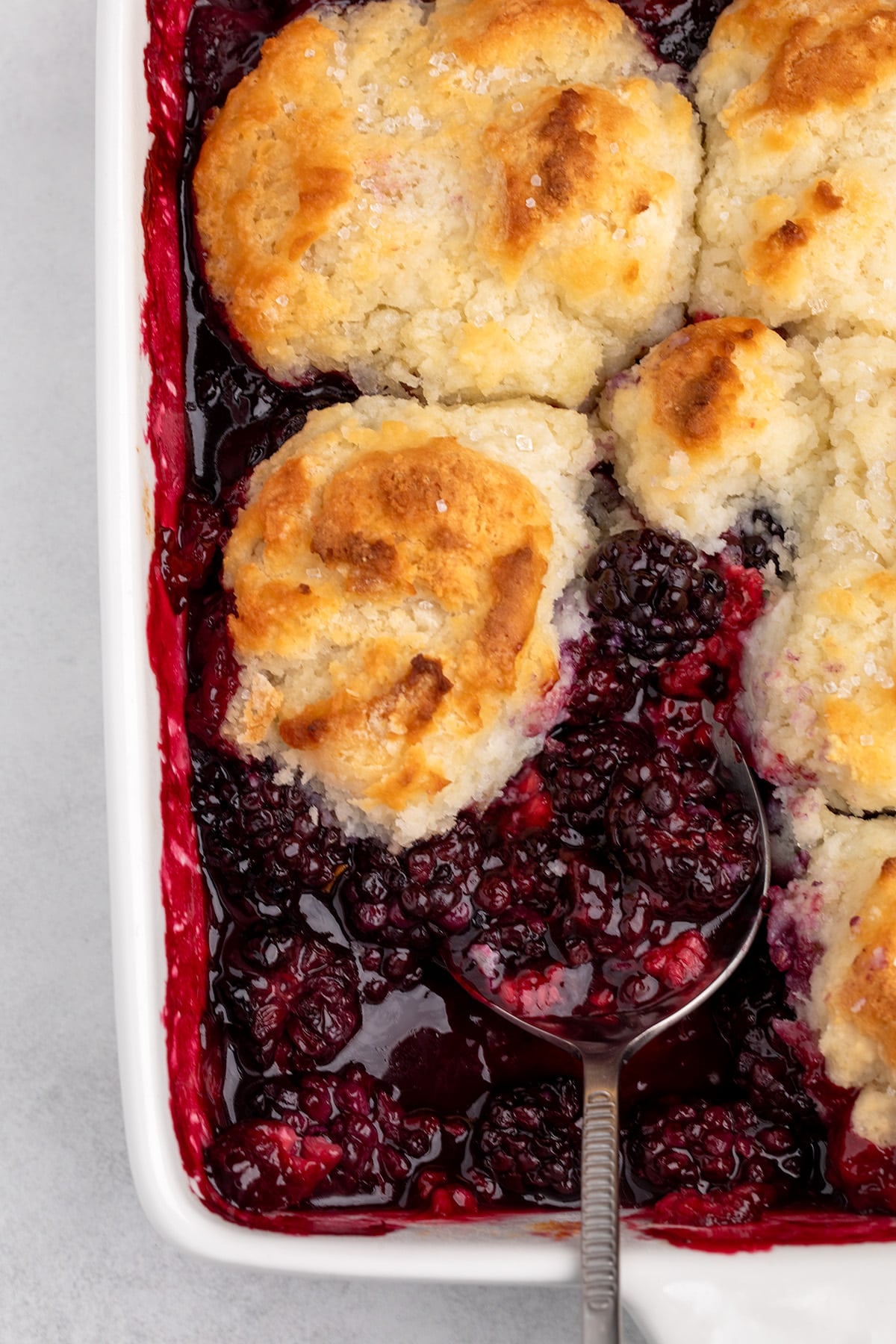
- Reduced Temperature Bake: Reduce the oven temperature to 350°F (176°C). Continue baking for approximately another 20 minutes. The cobbler is ready when the topping is cooked through to the center, the berries are softened, and the tapioca starch has thickened the juices into a luscious syrup.
Expert Insights for Cobbler Mastery
Achieving consistently excellent results with gluten-free baking often benefits from understanding nuanced techniques and potential variations.
The Art of Topping Spread
The topping for this gluten-free blackberry cobbler is intentionally formulated with a slightly higher buttermilk content than a standard drop biscuit. This encourages a gentle spread during baking, which is characteristic of a classic cobbler’s "cobblestone" appearance. For those who prefer a topping that holds its shape more distinctly, a slight reduction in buttermilk—approximately 1 fluid ounce (or 8 fluid ounces total)—can be made. This adjustment will result in a slightly drier biscuit that retains its form more readily in the oven.
The Unwavering Importance of Blackberries
The flavor profile and textural integrity of this cobbler are intrinsically linked to the use of blackberries. The recipe has been meticulously developed to highlight their unique qualities while mitigating their potential shortcomings. Therefore, direct substitutions of other fruits or berries are not recommended, as they would fundamentally alter the intended outcome. For individuals who may not favor blackberries, the creator suggests exploring alternative recipes, such as the gluten-free blueberry cobbler or gluten-free peach cobbler, which are also available and designed with the same commitment to gluten-free excellence.
Navigating Ingredient Substitutions with Confidence
While the recipe is precisely formulated, understanding potential substitutions can provide valuable flexibility for bakers.
Embracing Dairy-Free Options
For those seeking a dairy-free rendition, the substitution of dairy butter with block-style vegan butter alternatives, such as Miyoko’s or Melt brands, or butter-flavored Spectrum shortening, is highly effective. When replacing buttermilk, a combination of half unsweetened, non-dairy milk (like carton coconut milk or soy milk) and half non-dairy sour cream or plain Greek-style yogurt offers a suitable alternative. It’s important to note that vegan butter tends to melt more rapidly. To compensate for this, a slight reduction in the buttermilk substitute—around 2 tablespoons—is advisable to ensure a firmer topping capable of absorbing sufficient liquid.
The Versatility of Raspberries
If raspberries are unavailable or not preferred, they can be entirely replaced with additional blackberries, maintaining the same weight. This substitution will slightly intensify the blackberry flavor profile while still yielding a delicious result.
Tapioca Starch Alternatives
In the absence of tapioca starch, superfine white rice flour (ensuring it is not gritty) or cornstarch are recommended alternatives. While cornstarch produces a less clear gel and may be more prone to weeping upon cooling, it can withstand higher baking temperatures. Arrowroot or potato starch are less suitable due to their tendency to break down under sustained heat.
When Buttermilk is Scarce
For those who can consume dairy but do not have buttermilk readily available, a simple substitute can be created by combining equal parts sour cream or plain Greek yogurt with cow’s milk (avoiding fat-free varieties). Alternatively, plain low-fat or whole milk kefir can directly replace the buttermilk without requiring any other recipe adjustments.
Preserving the Freshness: Storage Guidelines
This gluten-free blackberry cobbler is best enjoyed immediately after baking, allowing its textures and flavors to be at their peak.
Room Temperature Storage: Once completely cooled, leftovers can be stored in a tightly sealed container at room temperature for up to three days. A brief warming in the microwave can help to re-loosen the filling if desired, though it is not essential for enjoyment.
Refrigerator Storage: For extended storage, the cobbler can be kept in the refrigerator for up to one week. However, be aware that it may dry out slightly during this period.
Freezing for Later: For long-term preservation, individual portions can be frozen in airtight, freezer-safe containers. Thaw them at room temperature before serving.
The meticulous design and execution of this gluten-free blackberry cobbler elevate it beyond a simple dessert. It stands as a testament to the potential of gluten-free baking, offering a rich, satisfying, and undeniably delicious experience that rivals its traditional counterpart.
