

The global retail landscape for the 2024 holiday season has demonstrated a significant pivot toward purposeful, high-utility, and specialized gifting, moving away from mass-market commodities in favor of items that address specific lifestyle needs, medical accessibility, and artisanal quality. Market analysts observe that modern consumers are increasingly prioritizing products that offer long-term value, such as adaptive apparel, precision stationery, and health-centric technology. This shift is particularly evident in the growing popularity of curated gift guides that blend travel-oriented functionality with home-based comfort, reflecting a post-pandemic world where the lines between professional mobility and domestic wellness have blurred.

The Intersection of Adaptive Fashion and Technological Innovation
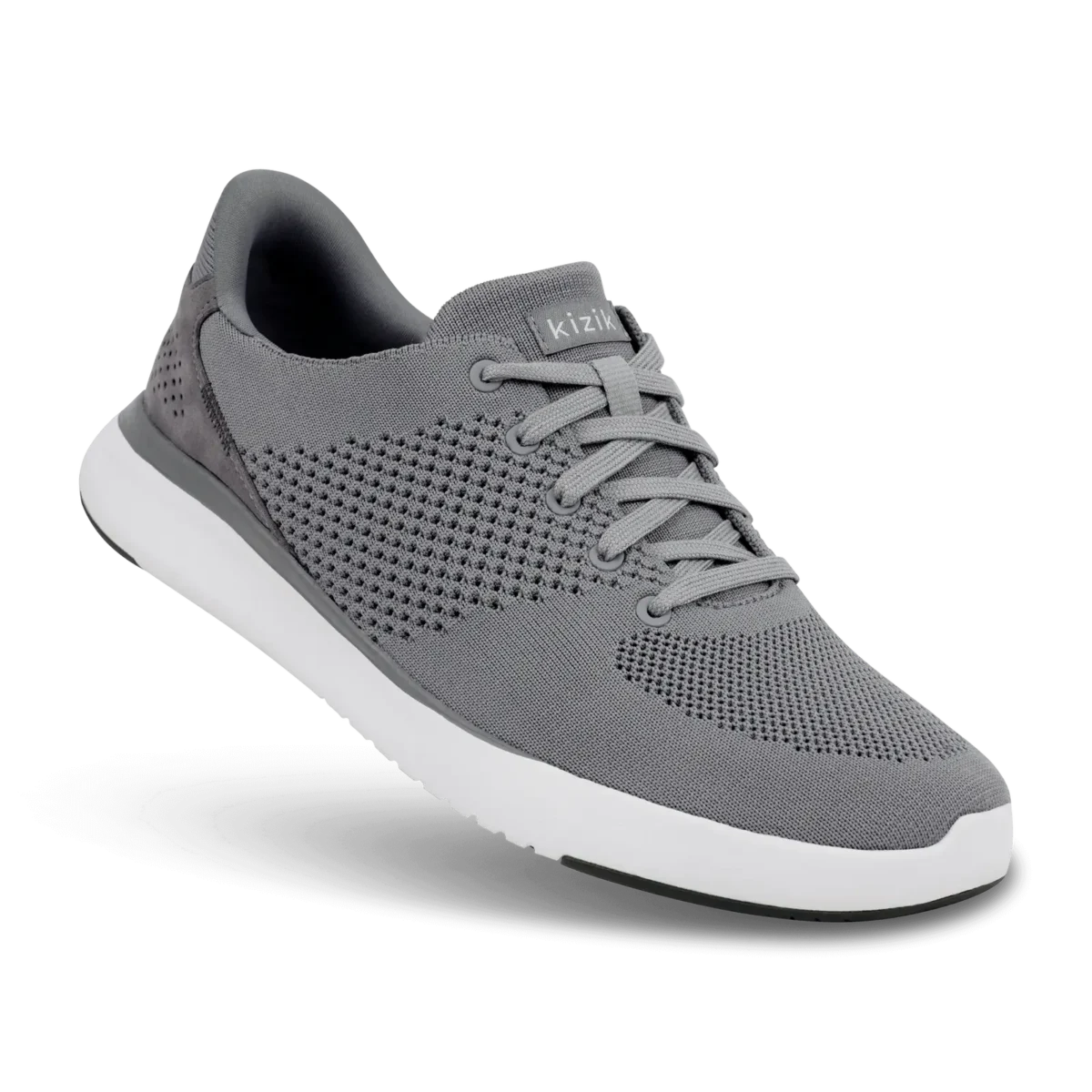
One of the most notable developments in the consumer goods sector is the expansion of the adaptive footwear market. Brands like Kizik have emerged as leaders in this space, utilizing patented heel technology that facilitates hands-free use. This innovation, which allows a shoe to compress and rebound as the foot enters, was initially designed to assist individuals with mobility challenges, such as those suffering from spinal CSF (Cerebrospinal Fluid) leaks, pregnancy-related physical limitations, or geriatric conditions. However, the technology has found a broader audience among general consumers seeking convenience.

Recent market data suggests that the global adaptive clothing market is projected to reach approximately $400 billion by 2026. This growth is driven by a design philosophy that integrates medical necessity with mainstream aesthetics. For instance, the transition from discontinued models like the Cairo to newer iterations like the Lima reflects an ongoing refinement in "heel drop" ergonomics, which is crucial for patients with back and spinal sensitivities. The inclusion of winterized options and Chelsea boots in the 2024 lineup indicates a strategic move to capture year-round market share in both the fashion and medical utility sectors.

The Resurgence of Heritage Stationery and Precision Tools
In an era dominated by digital communication, the resurgence of high-end analog tools represents a counter-cultural movement toward "slow living" and tactile precision. The Blackwing 602 pencil serves as a primary case study in brand revival and consumer loyalty. Originally introduced in the 1930s by the Eberhard Faber Pencil Company, the Blackwing became the preferred tool for cultural icons such as John Steinbeck and Looney Tunes animator Chuck Jones.
Following its discontinuation in 1998, a secondary market emerged where individual pencils commanded prices as high as $40. The brand was revived in 2010 by California Cedar Products Company, which successfully marketed the Japanese graphite and California cedar construction to a new generation. This revival highlights a broader trend: the "premiumization" of everyday objects. Consumers are increasingly willing to pay a premium for ergonomic features, such as the Blackwing’s signature rectangular replaceable eraser and unique soft-graphite feel, which are marketed as essential for creative productivity and mental focus.

Culinary Arts and Medical Necessity in Global Travel
The intersection of culinary exploration and health management has given rise to a niche market for specialized travel aids. For the approximately 1% of the global population affected by Celiac disease, international travel presents significant logistical hurdles. The development of high-accuracy gluten-free translation cards—which go beyond simple phrases to include local ingredient names and cross-contamination warnings—represents a critical advancement in medical-travel safety.

Data from the "GF Cards" project indicates that over 12,000 units have been distributed globally across 15 languages, including recent expansions into Bahasa Indonesia, Croatian, and Swedish. This project underscores the importance of professional-grade translation; each card undergoes a double-translation process involving individuals familiar with medical dietary restrictions. This level of precision is becoming a standard expectation for consumers who manage chronic health conditions while maintaining an active lifestyle.

Furthermore, the culinary market is seeing a trend toward lightweight, high-performance kitchenware. Japanese cutlery brands like Nakano have gained traction by offering professional-grade chef’s knives that weigh significantly less than traditional Western counterparts (averaging 6.5 oz / 185g). This focus on weight reduction is not merely an aesthetic choice but a functional requirement for users with limited upper-body strength or chronic pain conditions, allowing for continued engagement in culinary activities without physical strain.

The "Plant Parent" Phenomenon and Sustainable Home Design
The interior design sector continues to be influenced by the "biophilia" trend—the human tendency to seek connections with nature. This has resulted in a surge of interest in "plant care" innovations. Products such as Plantstraws, developed by Swedish designer Elin Fyhr, utilize capillary action through cotton ropes and brass tubes to regulate soil moisture. This design-led approach to botany addresses the common consumer pain point of "overwatering" and aligns with the aesthetic of minimalist, functional home décor.

Parallel to the live plant market is the rise of whimsical, sustainable alternatives. The popularity of handcrafted items, such as the "knitted cacti" produced by artisanal businesses like Kelsea Knits, reflects a consumer desire for low-maintenance greenery and eco-friendly manufacturing. By utilizing upcycled packaging and sustainable yarns, these small businesses are capturing the "conscious consumer" segment, which prioritizes a reduced carbon footprint and supports family-owned enterprises.

Advancements in Home-Based Health Technology
One of the more sophisticated entries into the 2024 gifting landscape is the portable red light therapy device. Photobiomodulation, or red light therapy, involves the use of specific wavelengths (typically between 630nm and 850nm) to stimulate cellular function. Devices like the FlexBeam, engineered in Norway and manufactured in Thailand, represent the miniaturization of technology previously reserved for clinical settings.

Technical analysis of these devices shows they are designed to increase ATP (Adenosine Triphosphate) production, which can aid in tissue repair and the reduction of nerve pain. For patients with complex conditions like Mast Cell Activation Syndrome (MCAS) or spinal injuries, the ability to select higher wavelengths is crucial to avoid triggering inflammatory responses. The commercial success of these devices indicates a growing consumer appetite for "biohacking" tools that allow for the autonomous management of chronic pain and recovery.

The Socio-Economic Impact of Independent Creator Economies
The 2024 gift guide landscape is heavily populated by independent creators and small-scale entrepreneurs who leverage social media to reach global audiences. This "creator economy" is exemplified by artists such as Jess of Birdstrips and Aaron Reynolds of Effin Birds, who use humor and relatable existential themes to sell art, puzzles, and apparel. These businesses represent a shift away from traditional corporate retail, offering products that reflect specific subcultures and personality traits.

Similarly, the jewelry market is seeing a move toward environmental accountability. Kamoka Pearls, based in the Ahe Atoll of Tahiti, has set a benchmark for sustainable mariculture. Their farming methods, which rely on solar and wind power, have been documented by organizations like National Geographic for their positive impact on local fish populations. The success of their "Mana Bracelet," which utilizes kangaroo leather for its superior tensile strength, demonstrates that luxury goods can be both durable and ecologically responsible.

Analysis of Broader Implications and Future Outlook
The diversification of the holiday gift market reflects deeper shifts in global consumer behavior. The following points summarize the broader implications of these trends:

- Accessibility as a Default: Features once considered "niche" or "medical," such as hands-free shoes or lightweight knives, are becoming mainstream selling points as consumers prioritize comfort and ease of use.
- The Value of Expertise: Consumers are moving away from generic products in favor of those backed by personal experience or professional expertise, such as travel games designed by veteran travelers or maps embroidered by local artisans.
- Sustainability as a Requirement: Eco-friendly packaging and sustainable sourcing (e.g., Tahitian pearls, upcycled yarns) are no longer optional extras but are central to the brand identity of successful modern enterprises.
- Digital-Analog Balance: While digital health devices are rising, there is a simultaneous craving for high-quality analog experiences, such as premium stationery and physical board games like "Trip Chaser."
In conclusion, the 2024 holiday season is characterized by a "quality over quantity" ethos. Whether through the lens of medical accessibility, environmental sustainability, or artistic expression, the products gaining traction are those that solve specific problems or provide deep, personal satisfaction. As the global economy continues to evolve, the success of these specialized products suggests that the future of retail lies in the intersection of thoughtful design and functional innovation.
