

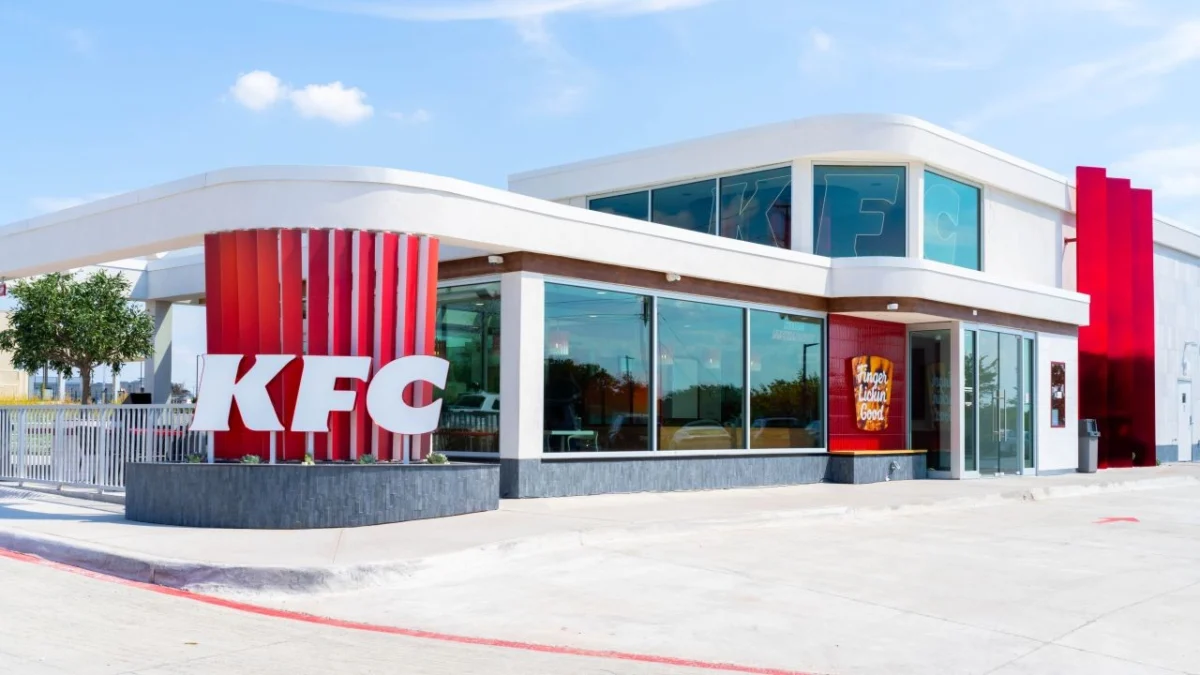
KFC’s ambitious "Open House" prototype, a significant reimagining of its restaurant experience, officially debuted outside Dallas this week. This innovative concept is designed to serve as a crucial learning laboratory for the iconic fried chicken chain’s comprehensive U.S. comeback plan, a strategy initiated last year following the appointment of Catherine Tan-Gillespie as president. The unveiling marks a pivotal moment for KFC, as it seeks to rekindle its connection with American consumers and reassert its dominance in a highly competitive quick-service restaurant market.
The genesis of the "Open House" concept stemmed from a critical internal assessment that identified KFC as a brand that, while deeply loved, was "latent" – possessing immense potential that was not being fully realized. This led to a strategic pivot aimed at modernizing the brand’s image, enhancing the customer experience, and diversifying its offerings to appeal to a broader demographic and a wider range of dining occasions. The prototype is a tangible manifestation of this forward-thinking approach, integrating contemporary design elements with a multifaceted operational model.
A Modernized Dining Experience: Design and Offerings
The "Open House" prototype immediately distinguishes itself with a significantly modernized aesthetic. Gone are the dated interiors that may have characterized some older KFC locations. Instead, patrons are greeted by a bright, welcoming environment featuring flexible seating arrangements designed to accommodate various group sizes and dining preferences, from solo diners to families and larger gatherings. This emphasis on ambiance is a deliberate move to elevate KFC beyond its traditional fast-food perception and create a more inviting space for sit-down meals.
Beyond the physical space, the menu has undergone a substantial evolution. Recognizing the growing consumer demand for variety and premium beverage options, "Open House" introduces breakfast service, a segment KFC has historically underutilized in many markets. Complementing this are new beverage offerings, including trendy boba refreshers and indulgent Krunch shakes, designed to capture the attention of younger consumers and provide refreshing alternatives to traditional fountain drinks.
The culinary experience also extends to new formats and customization options. A dedicated catering service is integrated into the "Open House" model, aiming to tap into the lucrative market for event and office food orders. For on-the-go consumers and those seeking a more casual snacking experience, the "Go Bucket" offers a curated selection of snacks presented in a convenient, portable format. Of course, the menu retains KFC’s legendary signature bone-in chicken, tenders, and sandwiches, but these core offerings are now presented within a more dynamic and diverse culinary landscape. A notable addition is the expanded array of sauces, empowering customers to personalize their meals to an unprecedented degree, reflecting a broader industry trend towards greater customization.
Balancing Digital Innovation with Traditional Hospitality
A key tenet of the "Open House" strategy is the seamless integration of digital convenience with genuine hospitality. The prototype features self-order kiosks, enabling customers to efficiently place and customize their orders without direct interaction, catering to the fast-paced needs of many QSR patrons. Simultaneously, the concept incorporates dual drive-thrus, designed to expedite order fulfillment and reduce wait times, a critical factor in customer satisfaction within the quick-service sector.
However, KFC is not abandoning the human element. A crucial differentiator in the "Open House" model is the presence of lobby hosts. These individuals are tasked with providing a higher level of customer engagement, including offering table service within the dining area. This dual approach – leveraging technology for efficiency while employing staff for personalized service – aims to strike a balance that appeals to a wide spectrum of customer preferences. It acknowledges that while some customers prioritize speed and self-service, others value a more engaging and hospitable dining experience. This nuanced strategy is a direct response to evolving consumer expectations in the post-pandemic era, where convenience and safety are paramount, but a sense of connection and positive interaction also plays a significant role in brand loyalty.
Strategic Rollout and Franchisee Engagement
The "Open House" prototype is not merely a standalone experiment; it is the vanguard of a carefully orchestrated revitalization plan for KFC’s U.S. operations. Initially funded by corporate investment, the initiative has already garnered significant interest from franchisees. This early engagement suggests a shared vision for the brand’s future and a willingness among franchise partners to invest in and adopt the new model.
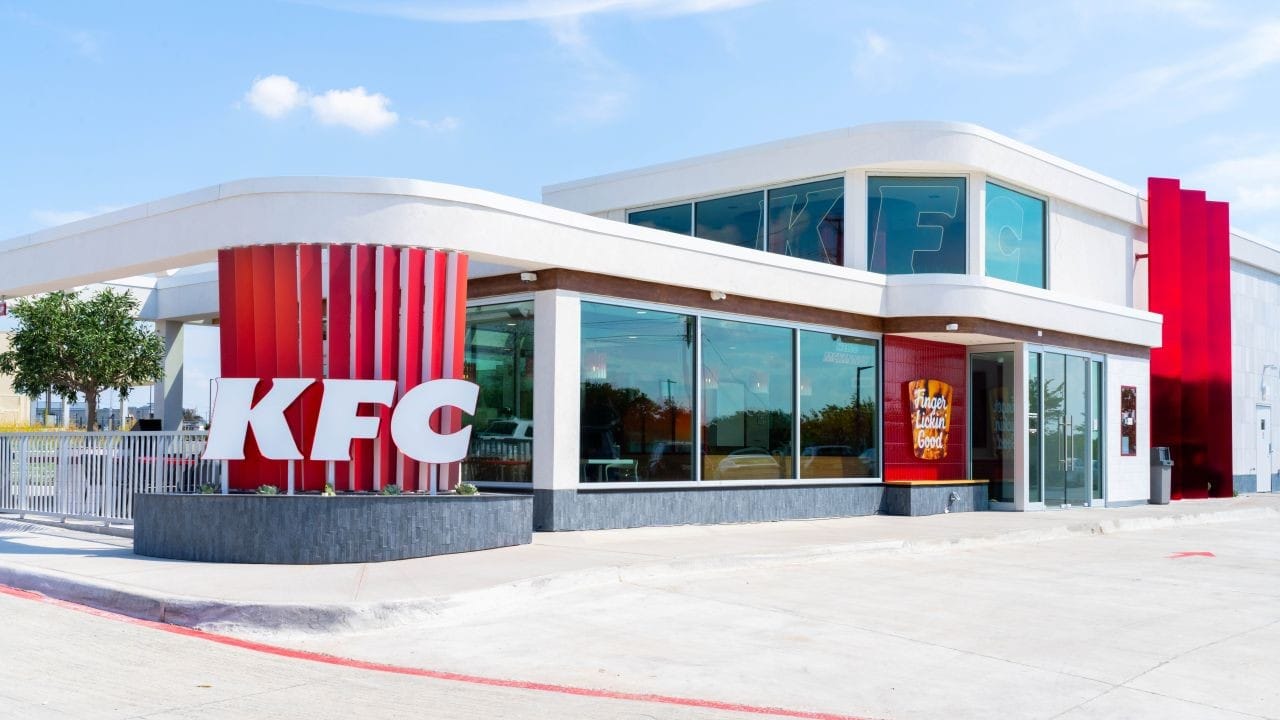
KFC’s approach to broader implementation is described as a "stage-gate" process, a methodical framework that allows for the evaluation and refinement of successful elements before a wider rollout. This ensures that the learnings from the Dallas prototype are rigorously assessed and optimized, minimizing risks and maximizing the chances of success across the vast U.S. market. The company’s leadership is keenly aware that the ultimate measure of this initiative’s success will be a fundamental shift in how "America sees KFC differently." This implies a desire to transcend the perception of KFC as solely a fast-food provider and position it as a more contemporary, versatile, and appealing dining destination.
Background and Context: KFC’s U.S. Reimagining
The introduction of "Open House" is the latest chapter in KFC’s ongoing efforts to revitalize its U.S. presence. For years, KFC has faced intense competition from established giants like McDonald’s and Burger King, as well as a surge of newer, trendier fast-casual concepts. While KFC remains a global powerhouse, its performance in the United States has been a more complex narrative, marked by periods of stagnation and intense strategic overhauls.
Catherine Tan-Gillespie’s appointment as U.S. President in mid-2025 was a clear signal of intent from Yum! Brands, KFC’s parent company. Tan-Gillespie, with a background that includes leadership roles at Starbucks and McDonald’s, brought a wealth of experience in navigating the complexities of the global QSR landscape and a proven track record of driving innovation and brand growth. Her mandate was to inject new energy into the brand, address operational challenges, and re-establish KFC as a top-tier player in the American market.
The "Open House" prototype is a direct product of this leadership and strategic redirection. It represents a significant departure from incremental improvements, opting instead for a comprehensive reimagining of the customer journey, from the physical restaurant design to the menu and service model. This bold approach is necessary to cut through the noise of a saturated market and capture the attention of consumers who may have overlooked KFC or developed a fixed perception of the brand.
Supporting Data and Industry Trends
The "Open House" concept aligns with several key trends shaping the quick-service restaurant industry:
- Rise of Experiential Dining: Consumers, particularly younger generations, are increasingly seeking more than just a meal; they desire an experience. Modern aesthetics, comfortable seating, and engaging amenities contribute to this experiential shift. Data from industry analytics firms like Technomic consistently show a correlation between improved in-store ambiance and increased customer dwell time and spending.
- Demand for Customization: The ability to tailor orders to individual preferences is no longer a luxury but an expectation. A 2023 report by Statista indicated that over 60% of U.S. consumers are more likely to frequent restaurants that offer personalized menu options. KFC’s expanded sauce bar and varied menu items directly address this demand.
- Growth of Beverage Innovation: The market for specialty beverages, including refreshers, milkshakes, and craft sodas, has exploded. Brands that can offer unique and appealing drink options often see increased traffic and higher average check sizes. The inclusion of boba refreshers and Krunch shakes positions KFC to capitalize on this lucrative segment.
- Omnichannel Integration: The successful QSR brands of today seamlessly blend digital ordering channels (mobile apps, kiosks) with traditional dine-in and drive-thru services. The "Open House" model’s integration of self-order kiosks and dual drive-thrus alongside lobby hosts reflects this critical need for an omnichannel approach. According to the National Restaurant Association, digital orders accounted for over 80% of all restaurant sales in 2022, highlighting the importance of robust digital infrastructure.
- Focus on Breakfast: The breakfast daypart remains a critical battleground for QSRs, offering significant revenue potential. Brands that can effectively compete in this space, with innovative and convenient offerings, often see substantial gains. KFC’s move to introduce breakfast at "Open House" is a strategic play to capture a share of this valuable market.
Analysis of Implications and Future Outlook
The success of KFC’s "Open House" prototype has far-reaching implications for the brand and the broader QSR industry. If the concept proves effective in attracting new customers, increasing visit frequency, and improving average check sizes, it could serve as a blueprint for a nationwide revitalization. This would involve a significant capital investment in remodeling existing locations and building new ones that adhere to the "Open House" design and operational principles.
The early interest from franchisees is a positive indicator, suggesting a potential for rapid adoption if the prototype demonstrates tangible returns on investment. However, scaling such a comprehensive model across thousands of locations presents significant logistical and financial challenges. The "stage-gate" approach is wise, allowing KFC to learn and adapt, but the pace of implementation will be critical in a dynamic market.
Furthermore, the emphasis on redefining "America seeing KFC differently" suggests a long-term vision that goes beyond just sales figures. It implies a desire to repair and elevate the brand’s perception, moving it from a nostalgic fast-food staple to a contemporary dining destination that offers both comfort and innovation. This brand repositioning is crucial for sustained growth and for attracting and retaining a diverse customer base in the years to come. The "Open House" is more than just a new restaurant design; it is a strategic declaration of KFC’s renewed ambition in the United States.
