

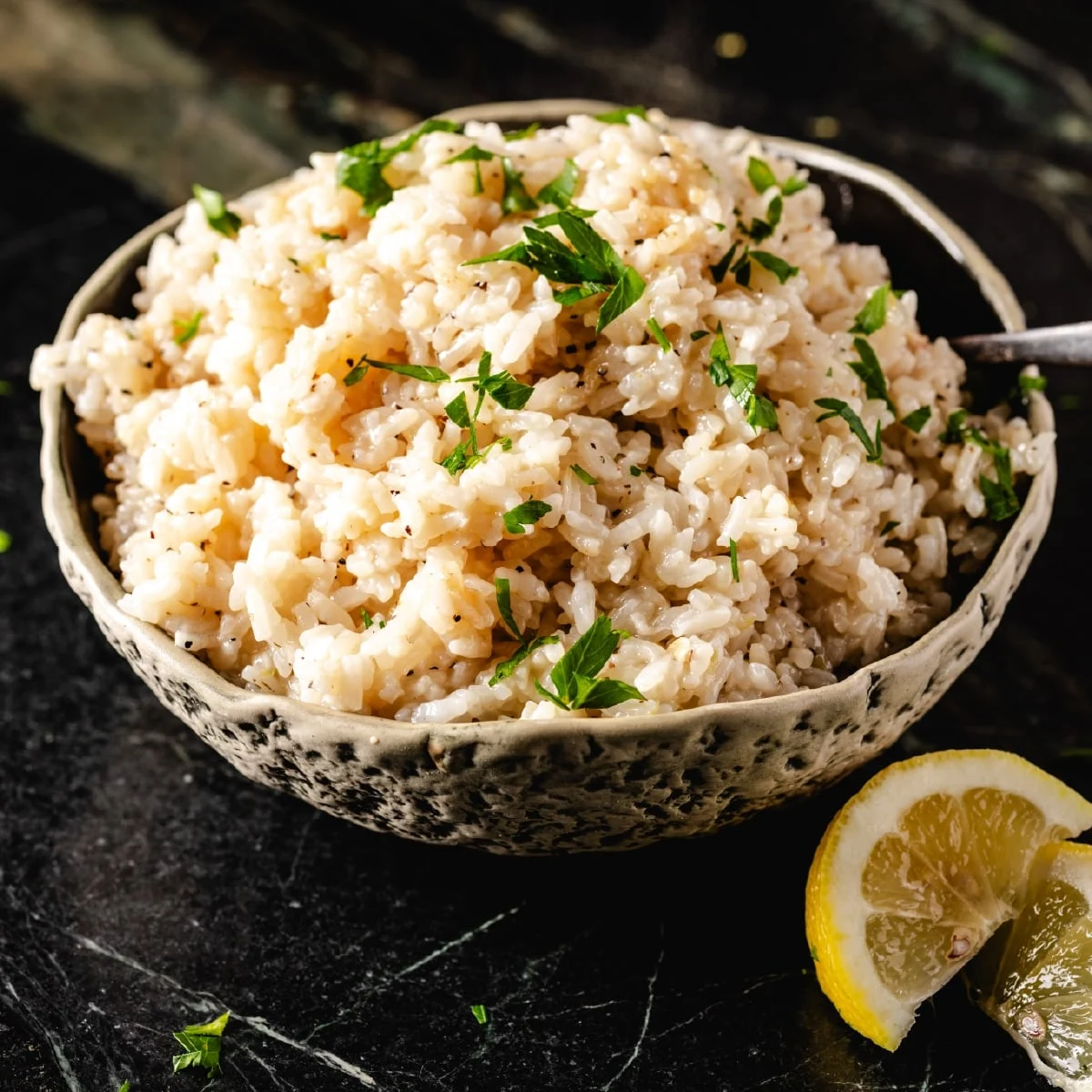
Susie Bulloch, the founder of the digital culinary platform Hey Grill Hey, has introduced a streamlined approach to side dish preparation with her latest Easy Lemon Rice recipe, a dish specifically engineered to complement the heavy, smoky profiles of traditional barbecue. This development comes as the home grilling industry sees a significant shift toward holistic meal planning, where the focus has moved beyond the primary protein to include sophisticated, flavor-balanced accompaniments. The recipe utilizes a proprietary Lemon Pepper Rub, illustrating a growing trend in the culinary world: the use of multi-purpose dry rubs to simplify complex flavor profiles for home cooks.
The central challenge in professional and home barbecue is the management of rich, fatty textures common in smoked meats such as brisket, pulled pork, and ribs. Culinary experts have long noted that a successful palate requires acidity to cut through these fats. Bulloch’s Easy Lemon Rice addresses this through a citrus-forward profile, utilizing both a specialized rub and fresh lemon zest to provide a "blast of bright flavor." The dish, which requires only six ingredients and approximately 30 minutes of total time, represents a shift toward efficiency in the kitchen without sacrificing the depth of flavor required for high-level outdoor cooking.
The Chemistry and Composition of Ingredients
The success of the Easy Lemon Rice is predicated on its minimalist but strategic ingredient list. The primary components include long-grain white rice, unsalted butter, lemon zest, and the Hey Grill Hey Lemon Pepper Rub. From a culinary science perspective, the inclusion of butter serves a dual purpose: it provides a silken mouthfeel that carries the fat-soluble compounds of the lemon zest and pepper, and it assists in the individual separation of the rice grains.

The Lemon Pepper Rub itself is a study in flavor balancing. Traditional lemon pepper seasonings often rely on citric acid and coarse black pepper. However, in a barbecue context, these seasonings are often enhanced with subtle heat and salt to ensure they can withstand the intensity of smoked meats. For those without access to the pre-made retail version, the recipe can be replicated using a blend of dried lemon peel, cracked black pepper, sea salt, and often a hint of garlic or onion powder.
Fresh garnishes, specifically Italian parsley, are not merely aesthetic choices in this framework. The inclusion of fresh herbs provides a "pop of color" and a vegetal freshness that contrasts with the cooked grains, a technique frequently used in professional plating to signal freshness to the diner.
The Technical Procedure: A Five-Step Methodology
The preparation of Easy Lemon Rice follows a rigorous five-step process designed to maximize texture and flavor infusion. This chronology is essential for ensuring that the rice remains fluffy rather than gummy, a common pitfall in home rice preparation.
- Preparation and Rinsing: The process begins with the critical step of rinsing the rice. In a professional kitchen, this is non-negotiable for long-grain varieties. Rinsing removes excess surface starch (amylopectin), which otherwise gelatinizes during the cooking process, causing the grains to stick together.
- The Boiling Phase: Water is brought to a boil in a medium saucepan. At this stage, the unsalted butter and the Lemon Pepper Rub are added. This ensures that the flavor molecules are evenly distributed in the cooking liquid and subsequently absorbed into the core of each rice grain.
- Simmering: Once the seasoned water reaches a boil, the rinsed rice is added. The heat is immediately reduced to low, and the pot is covered. This transition from high-heat agitation to low-heat steaming is what allows the rice to cook evenly without burning the bottom layer.
- The Rest Period: After 15 to 18 minutes of simmering, the heat is extinguished. Crucially, the rice is allowed to sit, covered, for an additional five to ten minutes. This allows for the residual steam to be reabsorbed, finalizing the texture of the grain.
- Finishing: The final step involves "fluffing" the rice with a fork—rather than a spoon, which can mash the grains—and folding in fresh lemon zest and chopped parsley.
The Science of Starch: Why Rinsing Matters
A significant portion of the culinary community debates the necessity of rinsing rice, but for the Easy Lemon Rice recipe, the data supports a thorough rinse. Scientific analysis of rice grains reveals that the milling process leaves behind a fine powder of starch. When this starch meets boiling water, it creates a viscous paste. For dishes like risotto or rice pudding, this starch is desirable for its creamy properties. However, for a barbecue side dish, where the goal is a light, airy texture that can absorb meat juices, the removal of this starch is vital.

According to culinary technicians, rinsing rice under cold water for three to four minutes until the water runs clear can reduce the stickiness of the final product by up to 20%. This textural independence allows the Lemon Pepper Rub to coat each grain individually, ensuring a consistent flavor profile in every spoonful.
Nutritional Analysis and Dietary Impact
In an era where consumers are increasingly conscious of nutritional density, the Easy Lemon Rice offers a relatively moderate caloric profile for a starch-based side. Based on a standard serving size for a recipe yielding six portions, the nutritional breakdown is as follows:
- Calories: 137 kcal
- Carbohydrates: 27g
- Protein: 3g
- Fat: 2g (with 1g of Saturated Fat)
- Sodium: 21mg
- Vitamin C: 10mg (largely derived from the fresh lemon zest and parsley)
The low sodium content (21mg) is particularly noteworthy, as many commercial rice mixes contain upwards of 500mg to 800mg of sodium per serving. By using a controlled amount of dry rub and unsalted butter, the cook can manage sodium intake, which is often a concern in barbecue meals where the meats themselves are heavily salted.
The Susie Bulloch Influence: From Backyard to Global Brand
The emergence of this recipe is part of a broader narrative involving Susie Bulloch, often referred to as the "BBQ Boss Lady." Bulloch’s career trajectory highlights the professionalization of the "influencer" chef. Having appeared on the Food Network and collaborated with high-profile figures like Shaquille O’Neal, Bulloch has transitioned from a recipe blogger to a culinary authority who holds multiple Guinness World Records.

Her platform, Hey Grill Hey, serves as a case study in the modern digital food economy. It combines free educational content with a retail wing that sells specialized seasonings and a subscription-based "Grill Squad" for advanced training. The Easy Lemon Rice recipe serves as a "gateway" dish—approachable enough for a novice but sophisticated enough to be featured in a professional catering spread.
Food Safety and Storage Protocols
As with all grain-based dishes, the storage of leftover Easy Lemon Rice requires strict adherence to food safety standards. Rice is susceptible to Bacillus cereus, a bacterium that can survive the cooking process. If cooked rice is left at room temperature for extended periods, these bacteria can multiply and produce toxins that cause food poisoning.
The recommended protocol for this recipe is to allow the rice to cool to room temperature (not exceeding two hours) before transferring it to an airtight container or a gallon-size zip-top bag. When refrigerated promptly, the rice remains viable for three to four days. For reheating, the addition of a small amount of water or chicken stock is recommended to restore the moisture lost during refrigeration, followed by a brief period of steaming or microwaving.
Broader Implications for the Barbecue Industry
The introduction of "Easy Lemon Rice" reflects a larger maturation of the American barbecue scene. Traditionally, side dishes were limited to coleslaw, potato salad, or baked beans—heavy dishes that often mirrored the caloric density of the meat. The move toward citrus-infused rice suggests an influence from Mediterranean and Middle Eastern cuisines, where "bright" flavors are used to balance grilled proteins.

Furthermore, the emphasis on meal prepping within the Hey Grill Hey ecosystem points to a change in how families consume barbecue. No longer reserved for 12-hour weekend smoking sessions, the flavors of the grill are being integrated into weekday lunch rotations. The Easy Lemon Rice, with its ability to be made in large batches and reheated without loss of quality, is a cornerstone of this "utilitarian BBQ" movement.
As the industry continues to evolve, the focus is expected to remain on high-quality, versatile ingredients that reduce the labor-intensive nature of traditional cooking. The success of simple, effective recipes like this lemon rice underscores a fundamental truth in modern gastronomy: complexity of flavor does not always require complexity of technique. Through strategic seasoning and proper grain management, the humble side of rice has been elevated to a critical component of the contemporary barbecue feast.
