

The fifth episode of the current season of Food Network’s Pitmasters marked a significant strategic pivot in the competition’s format, moving away from thematic or conceptual challenges toward a rigorous evaluation of fundamental barbecue techniques. This installment, titled the Core Four challenge, required contestants to produce the four pillars of traditional competitive barbecue—chicken, pork ribs, pork shoulder, and beef brisket—under a rolling deadline schedule. Unlike previous episodes that featured specialized "Big Burn" or "Flash Burn" segments, this episode focused exclusively on technical proficiency, specifically targeting what the judging panel defined as the "Three Ts": Time, Temperature, and Texture.
Strategic Shift to Fundamental Mastery
The Core Four challenge is widely regarded by industry experts as the ultimate litmus test for a pitmaster. In traditional Kansas City Barbeque Society (KCBS) sanctioned events, these four proteins form the basis of overall scoring. By stripping away the "gimmicks"—such as whole animal roasts or no-meat requirements—the production team forced competitors to rely solely on their ability to manage fire, smoke, and seasoning over an extended period.
The financial stakes for the episode were structured to reward both individual protein mastery and consistency. Each of the four rounds offered a $1,000 prize for the highest-scoring dish, with an additional $3,000 bonus awarded to the team with the highest cumulative score across all categories. This $7,000 total purse incentivized a high-risk, high-reward approach to flavor profiles and cooking speeds.

The Competitors and the "Hot and Fast" Methodology
The episode prominently featured the partnership of Susie Bulloch, founder of the digital platform Hey Grill Hey, and Christie Vanover, the creator of Girls Can Grill. Both competitors bring significant industry experience; Bulloch is known for her recipe development and commercial barbecue line, while Vanover’s background as a former park ranger at Lake Mead has been cited as a factor in her ability to manage outdoor cooking variables.
Faced with a rolling clock and the requirement to manage four overlapping proteins on a single fire source, the Bulloch-Vanover team opted for a "hot and fast" cooking strategy. This method, which involves cooking at temperatures significantly higher than the traditional 225°F—often ranging between 300°F and 350°F—is designed to reduce cooking times while maintaining moisture through aggressive monitoring of internal temperatures. This approach was necessitated by the logistical constraints of the episode, which demanded high-frequency turn-ins that traditional "low and slow" methods could not accommodate.
Chronological Breakdown of the Competition Rounds
Round 1: Poultry and Meteorological Interference
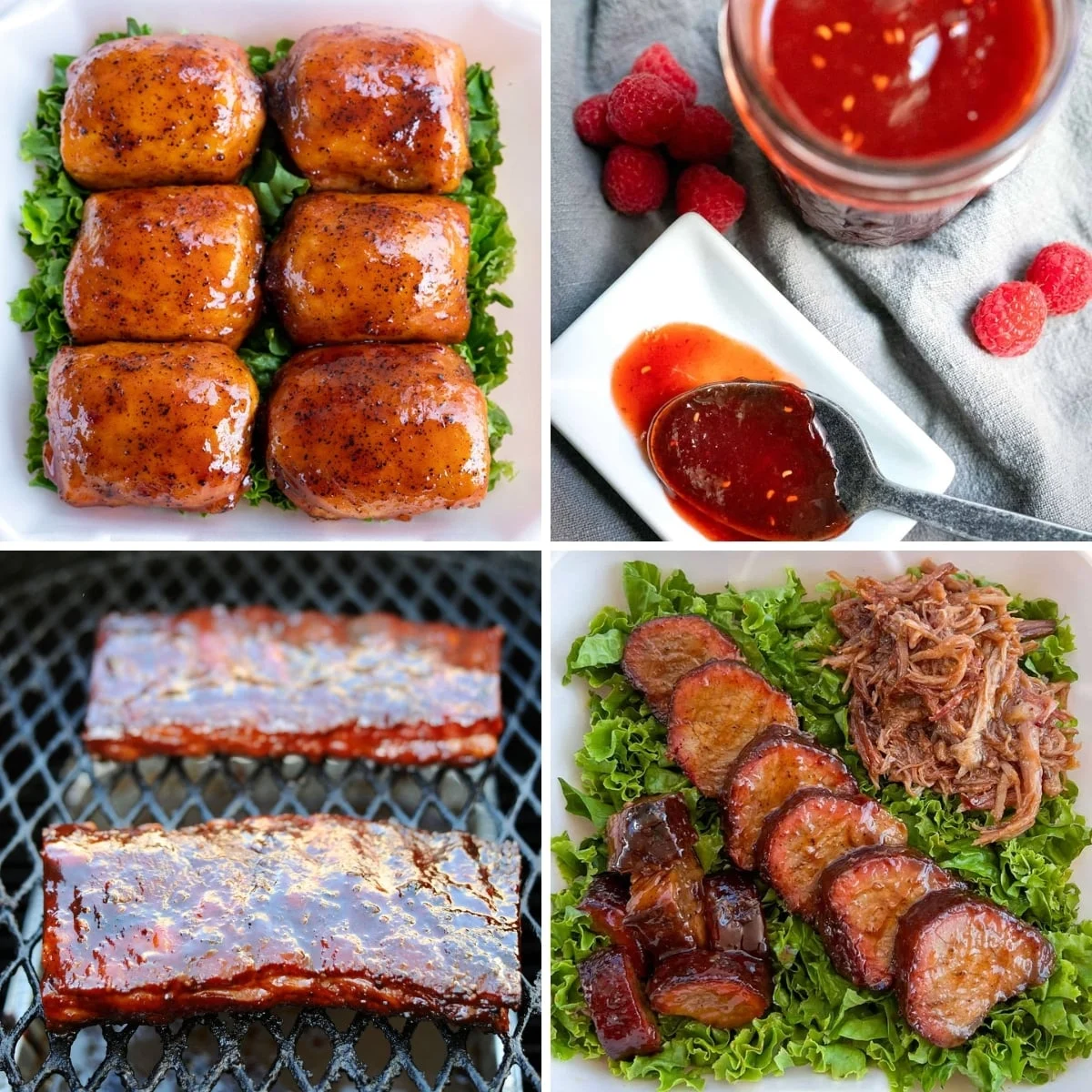
The first deadline focused on chicken. The Bulloch-Vanover team submitted a smoked raspberry chipotle chicken, utilizing a sweet and smoky glaze with a late-arriving heat profile. In a strategic move to ensure textural consistency, the team opted to break the whole birds down into individual parts—thighs, wings, and legs—rather than cooking the carcasses whole. This allowed for more precise control over the varying fat contents and muscle densities of the different cuts.
During the final 30 minutes of the chicken round, the competition was interrupted by a significant hailstorm. Meteorological volatility is a recurring theme in outdoor barbecue competitions, as falling temperatures and moisture can cause rapid fluctuations in smoker internal heat. Vanover’s experience in field operations was credited with maintaining the team’s momentum during the weather event.

The judging panel, which included veteran pitmaster Big Moe Cason and meat scientist Jess Pryles, provided generally positive feedback. Cason specifically highlighted the rendered quality of the chicken skin, a difficult technical feat in a high-moisture environment. Despite the technical praise, the team did not secure the $1,000 round win.
Round 2: Pork Ribs and Flavor Innovation
For the second turn-in, the focus shifted to pork ribs. The Bulloch-Vanover team continued their "hot and fast" trajectory, finishing the ribs in under four hours. They introduced a non-traditional flavor profile using a sweet yuzu sauce. Yuzu, a Japanese citrus fruit, offers a complex acidity that sits between lemon and grapefruit, intended to cut through the heavy fats associated with pork.
Jess Pryles noted that the texture of the ribs met the "competition-style" standard—meaning the meat pulls cleanly away from the bone without falling off prematurely. However, the round was marked by a divide among the judges regarding the flavor profile. While some appreciated the brightness of the citrus, judge Andrew (Zimmern) suggested the yuzu notes were not pronounced enough to distinguish the dish from more traditional glazes.
Round 3: Pork Shoulder and the "Money Muscle" Analysis
The third round centered on pork shoulder, a cut that requires extensive collagen breakdown. The team presented sliced "money muscle" medallions alongside traditional pulled pork, glazed with a modified whiskey peach barbecue sauce. In competitive barbecue, the "money muscle" refers to the semispinalis capitis, a well-marbled muscle located at the end of the pork butt opposite the bone. When cooked correctly and sliced into medallions, it is considered the premium portion of the shoulder due to its high fat-to-meat ratio and tenderness.

The feedback for this round was a study in the fine margins of professional barbecue. While the judges agreed that the temperature and texture of the pork were optimal, they ultimately penalized the team for a lack of salinity. In high-level competition, seasoning must be aggressive enough to penetrate deep into the muscle fibers of large cuts like pork shoulder. The lack of salt resulted in the team losing the $1,000 prize for the round, highlighting how a single missing ingredient can negate hours of perfect fire management.
Technical Analysis of Competition Equipment
A notable detail in the episode was the use of specialized safety and utility gear. Both Vanover and fellow competitor Matt utilized high-heat resistant pitmaster gloves, a product developed by Bulloch’s "Hey Grill Hey" brand. The inclusion of such equipment in a high-stakes environment underscores the professionalization of the barbecue industry, where specialized gear is increasingly used to mitigate the physical risks of managing large-scale smokers under time pressure.
Broader Implications for the Barbecue Industry
The performance of female pitmasters like Bulloch and Vanover on a major network platform reflects a broader demographic shift in the barbecue landscape. Traditionally a male-dominated field, the competitive circuit and the commercial barbecue industry have seen a significant influx of female leadership and expertise over the last decade.
Furthermore, the episode’s focus on the "Core Four" reinforces the standardized metrics of the Kansas City Barbeque Society. By highlighting the 3 Ts (Time, Temperature, and Texture), the show educates a general audience on the scientific aspects of meat preparation—such as the Maillard reaction, fat rendering, and the stall (the point during cooking where evaporative cooling slows the rise of internal temperature).

Conclusion and Upcoming Brisket Evaluation
As the episode concluded mid-challenge, the results of the final and most difficult category—beef brisket—remain pending. Brisket is widely considered the most challenging of the four proteins due to its dual-muscle structure (the lean "flat" and the fatty "point") and the long duration required to break down its dense connective tissues.
The upcoming conclusion of the Core Four challenge will determine the winner of the $3,000 overall excellence bonus. Based on the scores from the first three rounds, the competition remains tight. The Bulloch-Vanover team enters the final round with high marks for texture and technical execution but faces the challenge of correcting the seasoning issues noted in the pork shoulder round.
The shift toward fundamental barbecue in Episode Five suggests that Food Network is leaning into the technical interests of its audience, providing a platform for the "purest" form of the sport. Viewers can continue to follow the progression of the series on Food Network, with streaming availability on HBO Max and Discovery+. The outcome of the brisket turn-in will likely define the standings for the remainder of the season, as the "Core Four" points often serve as the tie-breaker in overall series rankings.
