

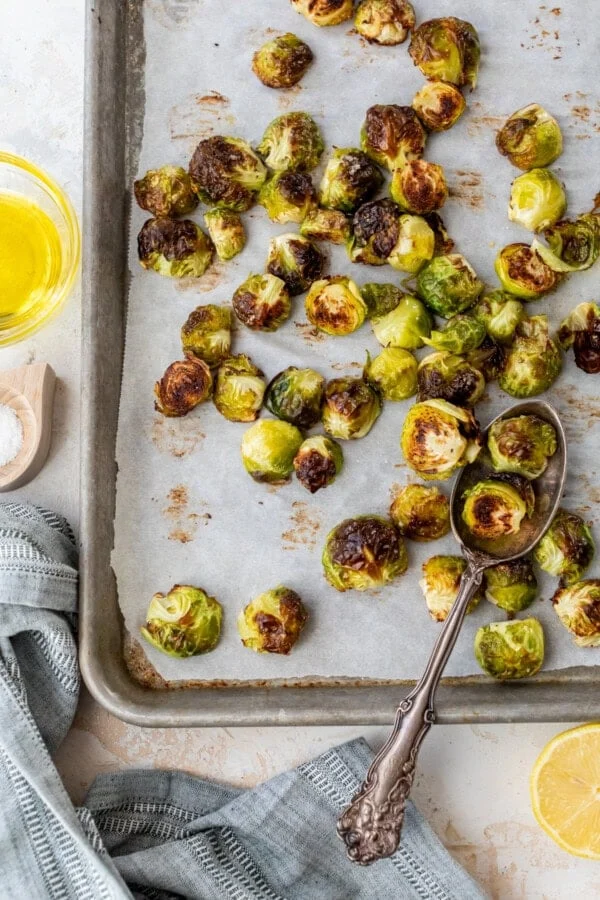
The seemingly humble Brussels sprout, once a culinary afterthought for many, has undergone a significant gastronomic transformation, emerging as a beloved staple on tables worldwide. The secret to unlocking its full potential lies in a meticulously executed oven-roasting method that promises charred, caramelized edges alongside a tender, succulent interior. This particular technique, championed by culinary experts and home cooks alike, has become a benchmark for preparing this cruciferous vegetable, turning skeptics into enthusiasts.
At the core of this acclaimed method is the principle of high-heat roasting, specifically focusing on how the Brussels sprouts interact with the baking surface. The process begins with fresh Brussels sprouts, carefully trimmed and halved. This crucial preparation step ensures that each piece has a flat surface exposed to the direct heat of the pan, which is paramount for achieving that coveted caramelization. Once halved, the sprouts are tossed simply with a quality olive oil, a generous seasoning of salt, and freshly ground black pepper. While this minimalist approach highlights the inherent flavor of the vegetable, it also serves as an ideal canvas for further culinary experimentation.
The magic truly unfolds when the prepared Brussels sprouts are arranged cut-side down on a sheet pan. This strategic placement allows the sugars within the vegetable to caramelize intensely against the hot metal, developing a rich, nutty flavor profile and a satisfyingly crisp texture. The high oven temperature, typically around 400°F (200°C), facilitates rapid browning while simultaneously cooking the interior to a tender, yielding consistency. The result is a dish that balances sweetness, bitterness, and umami, making it a versatile accompaniment to a wide array of main courses.

The Enduring Appeal and Nutritional Profile of Brussels Sprouts
Brussels sprouts, members of the Brassica oleracea species, share ancestry with cabbage, kale, and broccoli. Originating likely in the Mediterranean region, they gained prominence in Brussels, Belgium, during the 16th century, from which they derive their name. Historically, they were often boiled or steamed, methods that frequently led to a sulfurous aroma and mushy texture, contributing to their once-unfavorable reputation, particularly among children. However, modern culinary techniques, especially roasting, have effectively mitigated these issues, allowing their natural sweetness and robust flavor to shine.
Beyond their evolving palatability, Brussels sprouts are a nutritional powerhouse. According to data from the U.S. Department of Agriculture, a single serving is rich in Vitamin K, essential for blood clotting and bone health, and Vitamin C, a powerful antioxidant that supports immune function. They also provide significant amounts of fiber, crucial for digestive health, and folate, vital for cell growth and function. Furthermore, these miniature cabbages contain glucosinolates, compounds known for their potential anti-cancer properties, making them a valuable addition to a health-conscious diet. The low-calorie and low-carb nature of roasted Brussels sprouts also aligns with various dietary plans, including vegetarian, low-carb, and Weight Watchers regimens, enhancing their appeal to a broad demographic seeking nutritious yet delicious options.

Evolving Culinary Techniques: A Brief Chronology
The journey of Brussels sprouts from a maligned side dish to a culinary star is a testament to evolving cooking methods. For centuries, boiling was the default, often resulting in overcooked, watery, and strongly odorous sprouts. The mid-20th century saw a slight shift towards steaming, which preserved more nutrients but still left much to be desired in terms of texture and flavor development.
The late 20th and early 21st centuries marked a significant turning point, with chefs and home cooks increasingly embracing dry-heat cooking methods. Sautéing emerged as a popular alternative, particularly with additions like pancetta or bacon, which introduced richness and crispiness. This innovation, as noted by culinary writer Gina Homolka, significantly contributed to a renewed appreciation for the vegetable. However, it was the widespread adoption of high-heat oven roasting that truly revolutionized their preparation. The "cut-side down" technique, in particular, gained traction as the optimal method for achieving maximum caramelization and tender interiors consistently. This chronological progression highlights a collective culinary effort to transform a challenging vegetable into an accessible and delectable dish, reflecting a broader trend towards elevating vegetable-centric cuisine.

Flavor Profiles and Customization: Beyond the Basic Roast
While the simple olive oil, salt, and pepper preparation yields an excellent result, the inherent versatility of roasted Brussels sprouts invites a myriad of flavor enhancements. This adaptability is a key reason for their widespread appeal, allowing them to complement diverse main dishes and cater to varied palates.
- Citrus and Cheese Infusion: A classic combination involves a squeeze of fresh lemon juice and a sprinkle of grated Parmesan cheese after roasting. The bright acidity of the lemon cuts through the richness of the sprouts, while the salty, umami notes of Parmesan add depth and complexity. Some variations include a touch of lemon zest for an aromatic boost.
- Sweet and Tangy Balsamic Glaze: Drizzling a balsamic glaze over the roasted sprouts introduces a delightful balance of sweetness and tang. The reduction of balsamic vinegar concentrates its flavors, creating a syrupy condiment that beautifully complements the caramelized notes of the vegetable. This is particularly popular during holiday seasons.
- Savory Meat Additions: For those seeking a richer, more robust flavor profile, incorporating cured meats like crispy bacon bits or diced pancetta is a popular choice. These additions render fat during cooking, which bastes the sprouts, infusing them with savory depth and adding a textural contrast with their crispiness. Vegetarian alternatives might include smoked paprika or liquid smoke for a similar savory essence.
- Garlic and Herb Infusion: Minced garlic, fresh rosemary, or thyme can be tossed with the sprouts before roasting, imparting aromatic notes that elevate the dish. The herbs become fragrant in the heat, creating a more sophisticated side.
- Spicy Kick: A pinch of red pepper flakes or a dash of hot sauce post-roasting can introduce a pleasant heat, appealing to those who enjoy a spicier palate.
- Maple or Honey Glaze: For a distinctly sweet profile, a light drizzle of maple syrup or honey during the last few minutes of roasting can enhance the natural sugars and create a glossy, irresistible finish. This variation is particularly popular in autumn and winter menus.
These variations demonstrate the dish’s capacity to transform, making it a go-to side for everything from elegant filet mignon and succulent roasted chicken to casual weeknight air fryer whole chicken or simple chicken breast preparations.

Expert Insights and Consumer Trends
Leading culinary figures and nutritionists have largely endorsed the roasted Brussels sprout method, citing its simplicity, flavor impact, and nutritional benefits. Dr. Anya Sharma, a food science expert, recently commented, "The Maillard reaction, responsible for the browning and caramelization in roasted Brussels sprouts, is key to developing their complex flavor compounds, moving them far beyond the bland, boiled versions of the past. This isn’t just about taste; it’s about making healthy eating enjoyable and sustainable."
Consumer data supports this shift. A recent culinary survey indicated that Brussels sprouts, once ranked low among preferred vegetables, have seen a surge in popularity, now frequently appearing in the top five for restaurant side dishes and home cooking. This trend is driven by an increased demand for plant-based options, a greater awareness of nutritional benefits, and the influence of food media showcasing innovative preparation methods. The convenience of a sheet pan meal, requiring minimal cleanup, also resonates strongly with modern, busy lifestyles.

Pairing Perfection: Complementary Dishes
The versatility of perfectly roasted Brussels sprouts allows them to complement an extensive range of main courses, enhancing the overall dining experience. Their slightly bitter, sweet, and nutty flavor profile provides a refreshing counterpoint to rich proteins and hearty stews.
- Poultry: They are an excellent partner for roasted chicken, turkey, or duck, where their crisp exterior and tender interior provide a textural contrast to the tender meat.
- Red Meats: When served alongside beef dishes such as filet mignon, prime rib, or even a simple pan-seared steak, the sprouts offer a grounding, earthy component that balances the richness of the meat.
- Pork: Roasted pork loin, pork chops, or even a savory ham find a natural ally in these vegetables, especially when the sprouts are prepared with a touch of sweetness like balsamic glaze or maple syrup.
- Fish: For lighter fare, roasted Brussels sprouts pair surprisingly well with robust fish like salmon or cod, adding substance and flavor without overwhelming the delicate fish.
- Vegetarian Main Courses: They can easily elevate vegetarian meals, accompanying dishes like lentil loaf, mushroom wellington, or hearty grain bowls, providing essential nutrients and satisfying texture.
- Comforting Fall Sides: During colder months, they integrate seamlessly into a spread of comforting sides, alongside dishes like mashed potatoes, sweet potato casserole, or wild rice pilaf, making them a holiday table favorite.
Practical Tips for Success and Troubleshooting

Achieving the perfect roasted Brussels sprouts consistently requires attention to a few key details.
- Preparation is Key: Always trim the tough outer leaves and cut larger sprouts in half. Smaller sprouts can be left whole but might benefit from a quick score to ensure even cooking. Discard any yellowed or damaged leaves.
- Even Sizing: Try to select sprouts of similar size or cut them to roughly equal dimensions. This promotes uniform cooking, preventing some from burning while others remain undercooked.
- Don’t Overcrowd the Pan: This is perhaps the most critical tip. Brussels sprouts need space on the baking sheet to roast, not steam. If they are too close together, the moisture they release will turn the pan into a steaming environment, hindering caramelization. Use two sheet pans if necessary to ensure a single layer with ample space between sprouts.
- High Heat is Essential: A hot oven (400-425°F or 200-220°C) is crucial for crisping the outer leaves and tenderizing the interior quickly.
- Oil Application: Toss the sprouts with just enough olive oil to coat them lightly. Too much oil can make them greasy, while too little will prevent proper browning.
- Cut-Side Down Strategy: As emphasized, place all halved sprouts cut-side down on the pan. This maximizes contact with the hot surface, leading to deep caramelization.
- Monitor Cooking Time: Roasting times can vary based on oven calibration and sprout size, typically ranging from 15 to 25 minutes. Keep an eye on them, checking for tenderness with a fork and desired level of char.
- Storage: Leftover roasted Brussels sprouts can be stored in an airtight container in the refrigerator for up to 3-4 days. While they lose some crispness upon refrigeration, they remain delicious. Reheat gently in an oven or air fryer to restore some texture. Freezing is not recommended as it significantly alters their texture.
Frequently Asked Questions:
- Do you need to boil Brussels sprouts before roasting? No, pre-boiling is unnecessary and often detrimental, as it can lead to soggy sprouts and diminish their flavor. Roasting raw sprouts directly yields the best texture and taste.
- Is it better to roast Brussels sprouts whole or halved? Halving them is generally preferred. It exposes more surface area for caramelization, promotes more even cooking, and allows for better flavor absorption.
- Should you roast Brussels sprouts cut side up or down? For optimal browning and a truly caramelized exterior, always place them cut-side down on the baking sheet.
Broader Impact: The Role of Vegetables in Modern Cuisine

The resurgence in popularity of dishes like perfectly roasted Brussels sprouts reflects a broader cultural shift towards more vegetable-centric eating. This trend is not merely about health; it’s about culinary creativity, sustainability, and rediscovering the inherent deliciousness of plant-based foods. By mastering simple yet effective techniques like high-heat roasting, home cooks are empowered to transform often-overlooked vegetables into flavorful, desirable components of their meals. This contributes to a richer, more diverse diet, potentially reducing reliance on meat, and fostering a greater appreciation for the bounty of the earth. The humble Brussels sprout, once a symbol of culinary contention, now stands as a testament to how intelligent preparation can elevate even the simplest ingredients to gourmet status.
In conclusion, the method for oven-roasted Brussels sprouts, emphasizing careful preparation, strategic placement, and high heat, is more than just a recipe; it’s a foundational technique that unlocks the full culinary potential of this nutrient-dense vegetable. Its ease of execution, adaptability, and undeniable deliciousness ensure its continued place as a favored side dish, promising charred, caramelized perfection with every bite.
