

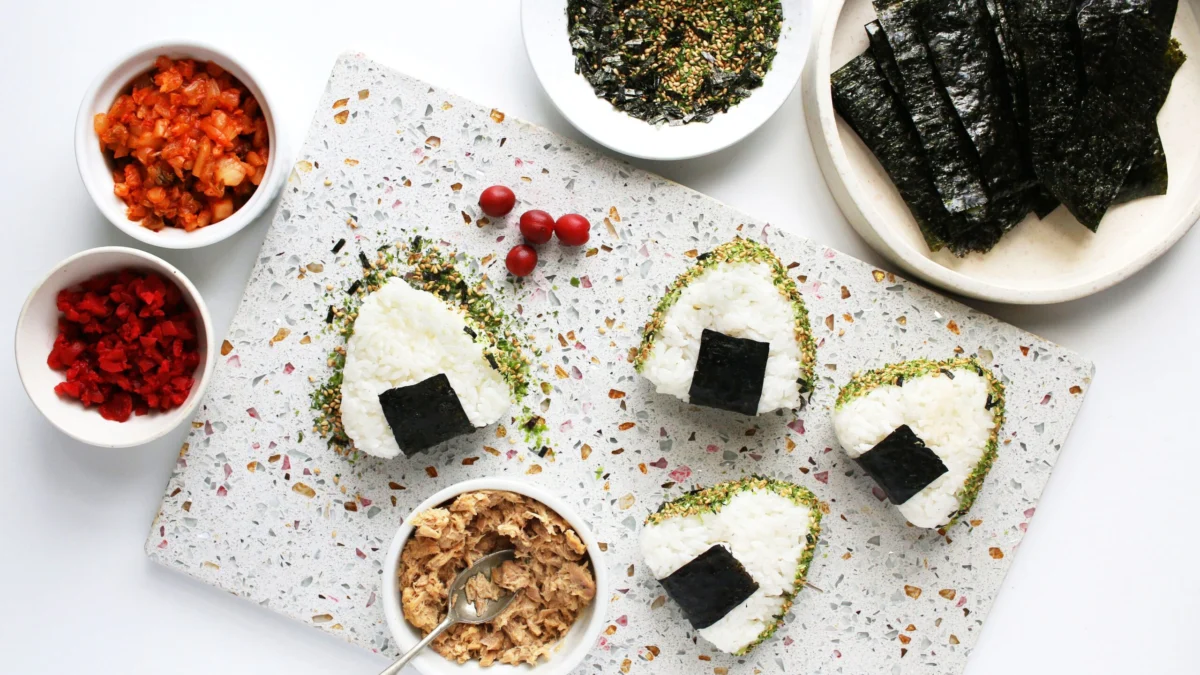
Stuffed with savory fillings and wrapped in crisp nori, Japanese rice balls called onigiri are made for eating on the go. A convenience-store staple in Japan, they are just as handy tucked into a lunch box or picnic basket, representing a culinary cornerstone that marries ancient tradition with modern practicality. This simple yet versatile food item has transcended its origins to become a globally recognized symbol of Japanese gastronomy, celebrated for its convenience, nutritional value, and adaptable flavor profile.
Historical Roots and Cultural Evolution
The history of onigiri is deeply intertwined with the development of Japanese society, reflecting evolving dietary needs and lifestyles over centuries. Its genesis can be traced back to the Heian period (794-1185), where rice was often shaped into small, oval forms called tonjiki for easy consumption at outdoor picnics or during formal gatherings. These early forms were primarily functional, providing sustenance for workers and travelers.
During the Kamakura period (1185-1333) and into the Sengoku period (1467-1615), onigiri gained prominence as a crucial field ration for samurai warriors. Its portability, durability, and energy-providing qualities made it an ideal food for soldiers on long campaigns. The practice of shaping rice by hand, often with salt, not only made it easier to eat but also acted as a natural preservative, a vital consideration before refrigeration.
The Edo period (1603-1868) saw onigiri become more widely accessible to the general populace, particularly among travelers who would purchase them from roadside vendors. The introduction of nori (seaweed) as a wrapper during this era marked a significant evolution, adding a distinct flavor, texture, and making the rice ball less sticky to handle. This period solidified onigiri’s role as a convenient, everyday meal or snack.
The post-World War II era, particularly with Japan’s rapid economic growth and the rise of convenience stores (konbini) in the late 20th century, propelled onigiri into its modern, ubiquitous status. Convenience stores began offering a vast array of onigiri, packaged meticulously to maintain freshness and texture, making them an indispensable part of daily life for students, office workers, and families alike. Today, onigiri remains a quintessential component of bento lunch boxes, symbolizing both efficiency and care in food preparation.
The Art and Science of Onigiri Preparation
The seeming simplicity of onigiri belies a nuanced understanding of rice preparation, crucial for achieving the perfect texture and form. The key to onigiri that hold their shape is properly cooked Japanese short-grain rice, often labeled as sushi rice in international markets. This variety is characterized by its high amylopectin content, a type of starch that becomes sticky and cohesive when cooked, allowing the grains to cling together without being mushy. Long-grain varieties like jasmine or basmati lack this essential stickiness and are unsuitable for onigiri.
The preparation begins with meticulous rinsing and soaking of the rice. Rinsing, typically performed multiple times until the water runs clear, removes excess surface starch, which prevents the cooked rice from becoming overly gummy. Soaking the rice for 30 minutes to an hour before cooking allows the grains to hydrate evenly, ensuring a consistent texture throughout the cooking process.
Once cooked, the rice should be shaped while still slightly warm. The residual heat helps the starch molecules maintain their gelatinized state, allowing the grains to bind effectively. As the rice cools, retrogradation of starch occurs, making it less pliable and more prone to crumbling. To prevent sticking, the hands used for shaping should be damp and lightly salted. The salt serves a dual purpose: it seasons the rice and acts as a mild antiseptic, contributing to food safety. While traditional methods rely on hand-shaping, often into triangles, cylinders, or spheres, onigiri molds are available for those seeking uniformity or ease, though they are not strictly necessary for a well-made rice ball.
Filling Diversity: A Culinary Canvas
The interior of an onigiri offers a vast canvas for culinary creativity, ranging from traditional Japanese ingredients to contemporary fusions. The original article highlights popular choices such as creamy tuna mayo, a modern staple reflecting Western influences; tart and salty umeboshi (pickled plums), a classic that provides a refreshing counterpoint to the rice; and spicy kimchi, showcasing a growing appreciation for Korean flavors.
Beyond these, the possibilities are extensive. Cooked salmon, often flaked and seasoned, is a perennial favorite, as is spicy tuna, offering a kick similar to sushi rolls. Cod roe (mentaiko or tarako) provides a savory, umami-rich experience. Even repurposed ingredients like leftover chicken salad or crab meat can find a delicious home within an onigiri. The golden rule for fillings, however, is to avoid anything excessively wet. Overly moist ingredients can compromise the structural integrity of the rice ball, making it difficult to shape and prone to falling apart. This emphasis on moisture control underscores the delicate balance required in onigiri preparation.
Onigiri in the Modern Japanese Landscape and Global Expansion
In contemporary Japan, onigiri is more than just food; it’s an institution, particularly within the country’s unparalleled convenience store ecosystem. Major chains like 7-Eleven, FamilyMart, and Lawson compete fiercely to offer innovative onigiri varieties, often introducing seasonal flavors or limited-edition collaborations. The meticulous packaging, designed to keep the nori separate from the rice until consumption, ensures that the seaweed remains crisp, a crucial textural element. This level of detail reflects Japan’s dedication to food quality and consumer experience.
Industry analysts suggest that the onigiri market in Japan alone is a multi-billion dollar industry, representing a significant portion of the convenience food sector. Its affordability, portability, and satisfying nature make it a daily choice for millions. Beyond convenience stores, specialty onigiri shops have emerged, offering gourmet versions with premium ingredients and elaborate fillings, elevating the humble rice ball to a culinary art form.
The appeal of onigiri has steadily transcended national borders. As Japanese culture and cuisine gain global traction, onigiri has emerged as a popular item in Asian supermarkets, Japanese restaurants, and even mainstream grocery stores in North America, Europe, and Australia. Its approachable nature, often compared to a sandwich but with a distinctly Japanese flavor profile, makes it an excellent entry point for those new to Japanese food. Market research firms have observed a steady increase in the global demand for Japanese convenience foods, with onigiri often leading this charge due to its versatility and ease of consumption. This global ascent is further fueled by social media trends and the increasing popularity of Japanese anime and manga, which frequently depict characters enjoying onigiri.
Nutritional Profile and Dietary Role
From a nutritional standpoint, onigiri offers a balanced and wholesome meal or snack. The short-grain rice provides a substantial source of complex carbohydrates, offering sustained energy. Depending on the filling, onigiri can also contribute protein (from fish, chicken, or eggs), healthy fats (from avocado or tuna mayo), and essential vitamins and minerals (from seaweed, vegetables, or pickled ingredients).
For individuals with specific dietary needs, onigiri can be highly customizable. Vegetarian and vegan options are readily available with fillings like umeboshi, konbu (kelp), or various seasoned vegetables. Gluten-free versions are inherently possible, provided the fillings do not contain gluten-bearing ingredients. Its portion-controlled nature also makes it a sensible choice for those monitoring calorie intake or seeking a satisfying, yet not overly heavy, meal. Culinary nutritionists often highlight onigiri as an example of how simple, traditional foods can serve as a foundation for a healthy diet, particularly in contrast to highly processed fast food alternatives.
Expert Perspectives and Market Trends
Dr. Kenji Tanaka, a prominent food historian specializing in East Asian culinary traditions, emphasizes the profound cultural significance of onigiri. "Onigiri is more than just food; it’s a symbol of care, sustenance, and adaptability," he states. "From the battlefield rations of samurai to the carefully packed lunchboxes for children, it has always represented comfort and practicality. Its enduring presence speaks volumes about its intrinsic value in Japanese society."
Ms. Akiko Sato, a Tokyo-based culinary consultant, offers insights into the technical mastery required. "While seemingly simple, the perfect onigiri demands attention to detail – the precise cooking of the rice, the gentle yet firm shaping, and the selection of balanced fillings. It’s a testament to the philosophy of shokunin (craftsmanship) applied to everyday food." She also notes the rapid pace of innovation: "The convenience store sector constantly pushes boundaries, introducing new flavor combinations and functional packaging, which keeps onigiri relevant and exciting for new generations."
Global market trends indicate a continued upward trajectory for onigiri. Reports from major food service industry analysts project sustained growth in the ready-to-eat Asian food segment, with onigiri identified as a key driver. This growth is supported by increasing consumer demand for convenient, healthy, and culturally diverse food options. The rise of home cooking trends, especially post-pandemic, has also seen an increase in interest in making onigiri from scratch, further solidifying its place in the global culinary consciousness.
Beyond the Basics: Innovation and Future Implications
The future of onigiri is likely to see further innovation in both ingredients and presentation. Beyond traditional and modern fillings, fusion onigiri incorporating flavors from other cuisines are becoming more common. Creative shaping, such as character-themed onigiri (kyaraben), continues to be popular, especially in home cooking. Efforts in sustainable packaging are also gaining traction, with companies exploring biodegradable materials to reduce environmental impact, aligning with broader global sustainability goals.
Onigiri’s journey from an ancient utilitarian food to a global culinary icon underscores its remarkable adaptability and universal appeal. It stands as a testament to the power of simple, well-executed food to transcend cultural barriers and become a beloved staple worldwide. As global palates continue to diversify and demand for convenient, wholesome options grows, onigiri is poised to maintain its status as a leading contender in the international grab-and-go food landscape, embodying both tradition and relentless innovation.
