

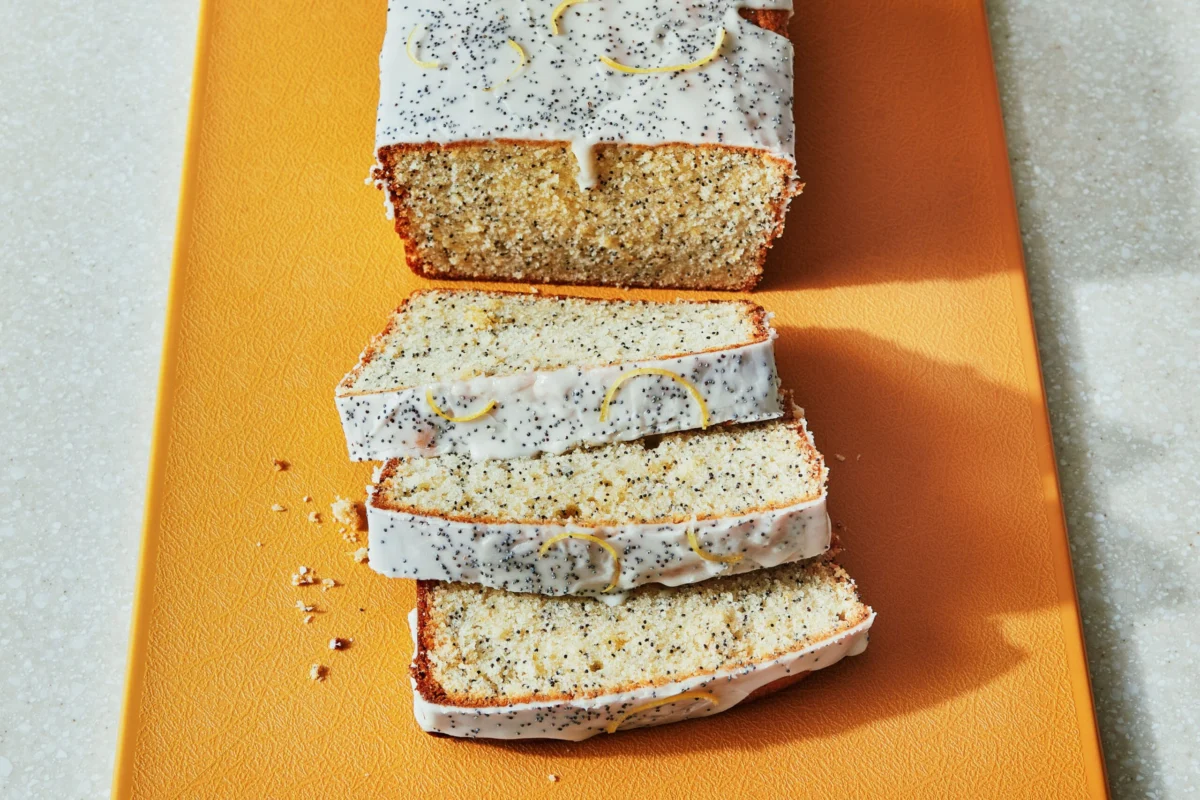
The culinary landscape has witnessed a profound resurgence in home baking, a trend epitomized by meticulously detailed recipes that transform simple ingredients into sophisticated delights. Among these, the Lemon Poppy Seed Cake stands out, not merely as a dessert but as a testament to precision, technique, and the enduring appeal of classic flavor combinations. This particular rendition, characterized by its methodical preparation and specific ingredient ratios, offers a comprehensive insight into the factors driving contemporary home culinary enthusiasm, blending traditional methods with modern ingredient understanding to achieve a product of exceptional quality.
The Meticulous Process: A Step-by-Step Culinary Chronicle
The crafting of this Lemon Poppy Seed Cake commences with a foundational stage, emphasizing preparation and the precise amalgamation of dry ingredients. Step 1 dictates the preheating of an oven to 325°F (approximately 163°C), a standard temperature for even baking and moisture retention in loaf cakes. Simultaneously, a 9×5-inch pan is prepared with meticulous care: a generous coating of nonstick vegetable oil spray or room-temperature unsalted butter is applied, followed by a lining of parchment paper, strategically leaving generous overhangs on the long sides. This dual approach to pan preparation is critical, ensuring easy release of the delicate cake post-baking and preventing structural damage. Concurrently, 2¼ cups (281 g) of all-purpose flour, 1½ tsp. of baking powder, and 1½ tsp. of Diamond Crystal or ¾ tsp. of Morton kosher salt are whisked together in a medium bowl. This initial dry ingredient combination is not merely about mixing; it’s a crucial aeration step, ensuring the leavening agent (baking powder) and salt are evenly distributed throughout the flour, which is fundamental for uniform rise and flavor dispersion in the final product. Culinary scientists emphasize that precise measurement of dry ingredients, often by weight, minimizes variability, highlighting the shift towards more scientific approaches in home baking.
Step 2 transitions to the creaming method, a cornerstone of many cake recipes that establishes the cake’s texture and structure. In the bowl of a stand mixer fitted with a paddle attachment, the zest of three large lemons, ¾ cup (1½ sticks) of room-temperature unsalted butter, 1½ cups (300 g) of granulated sugar, 5 Tbsp. of vegetable oil, 2 Tbsp. of fresh lemon juice, and 2 tsp. of vanilla bean paste or vanilla extract are combined. The instruction to beat these ingredients on medium speed until "light and creamy" for approximately five minutes is paramount. This process, known as creaming, incorporates air into the butter-sugar mixture, creating tiny pockets that expand during baking, contributing to a tender crumb. The inclusion of both butter and vegetable oil is a strategic choice; butter provides rich flavor, while oil contributes to a moist texture that remains soft even when chilled, a technique frequently employed by professional bakers for enhanced mouthfeel and extended shelf life. The triple infusion of lemon—zest, fresh juice, and the potential for a subsequent glaze—underscores the recipe’s commitment to a vibrant, multi-layered citrus profile, a characteristic highly valued in contemporary patisserie.
The development of the cake batter continues in Step 3, focusing on the integration of eggs and the remaining dry and wet ingredients. Three large eggs are added one at a time, with thorough beating after each addition. This gradual incorporation is vital for creating a stable emulsion; adding eggs too quickly can cause the batter to curdle or separate. While the batter "may look curdled at this point," the recipe reassures, indicating an understanding of common home baking concerns and providing guidance. After scraping down the sides of the bowl, half of the dry ingredients are added and beaten on low speed just until combined, preventing overmixing which can lead to a tough cake due to gluten development. Subsequently, ¾ cup of whole milk and the remaining dry ingredients are added and mixed until the batter achieves a smooth and creamy consistency, typically within about one minute. The final addition of ¼ cup of poppy seeds, followed by a gentle folding with a spatula, ensures their even distribution without crushing them or overworking the batter. This step illustrates the balance between mechanical mixing for structure and manual folding for delicate inclusions, a nuanced approach indicative of advanced home baking practices.
Step 4 addresses the transfer of the meticulously prepared batter into the pan and a unique pre-baking technique. The batter is scraped into the prepared pan, and its surface is smoothed. A practical contingency is provided: if the pan appears more than three-quarters full, excess batter should be transferred to a greased small ovenproof container and baked alongside, functioning as a "cook’s treat." This advice not only prevents overflow but also minimizes waste and offers an immediate gratification for the baker. A distinctive instruction follows: generously coat the blade of a small paring knife with nonstick spray and run it lengthwise through the center of the batter to make a shallow cut. This innovative technique is designed to control the cake’s expansion during baking, encouraging it to split cleanly along the pre-scored line rather than cracking randomly. This strategic incision is a hallmark of professional baking, providing an aesthetically pleasing dome and preventing structural weaknesses that can arise from uncontrolled expansion.
Step 5 details the critical baking and initial cooling phase. The cake is baked until it achieves a golden-brown hue, springs back when gently pressed, and a tester inserted into the center emerges with only a few moist crumbs attached. The specified baking time of 60–65 minutes is a guideline, with emphasis placed on visual and tactile cues, underscoring that oven calibration and individual cake characteristics can vary. Once baked, the pan is transferred to a wire rack set inside a rimmed baking sheet, allowing the cake to cool slightly in the pan for approximately 15 minutes. This brief cooling period in the pan is essential; it allows the cake’s structure to set further, making it less fragile and easier to handle during subsequent steps. Premature removal can lead to breakage or collapse.
The final stage of cooling and preparation for glazing is outlined in Step 6. A small offset spatula is carefully run around the edges of the cake to loosen it from the pan. The cake is then inverted out onto the wire rack. Crucially, it is then turned right side up to allow it to cool completely. This full cooling process, often overlooked in haste, is paramount for two reasons: firstly, it prevents condensation from forming on the cake’s surface, which can make it soggy; and secondly, it ensures that the cake’s internal structure is fully stabilized, preventing it from crumbling or collapsing when sliced. Furthermore, a completely cooled cake is essential for the successful application of the glaze, as warmth would cause the glaze to melt and run off rather than set properly.
The Glaze and Assembly: A Concluding Flourish and Sensory Experience
The culmination of the baking process is the application of the glaze, transforming the baked cake into a visually appealing and texturally enhanced dessert. Step 7 describes the preparation of a simple yet effective glaze. One cup (110 g) of powdered sugar, 1 Tbsp. of fresh lemon juice, and a pinch of kosher salt are stirred together in a small bowl. The instruction to add "up to 1 Tbsp. additional lemon juice as needed" is crucial, allowing for adjustments to achieve a consistency that is "thick but pourable." This adaptability ensures the glaze adheres well to the cake while still cascading attractively down its sides. Once the desired consistency is achieved, the glaze is poured over the cooled cake, allowed to drip organically. For an enhanced aesthetic and flavor profile, the recipe suggests topping the cake with additional poppy seeds and thin strips of lemon zest while the glaze is still wet. This not only reinforces the cake’s primary flavors but also adds visual appeal and a textural counterpoint. The cake is then left to sit until the glaze is fully set, a process requiring at least 45 minutes, ensuring a firm, non-sticky finish. The "Do Ahead" instruction, stating the cake can be made two days ahead and stored airtight at room temperature, highlights the practical utility and robustness of the recipe, making it ideal for planned events or as a make-ahead treat.
A Confluence of Trends: The Resurgence of Home Baking
The detailed nature of this Lemon Poppy Seed Cake recipe is reflective of a broader societal trend: the enthusiastic resurgence of home baking. Over the past decade, and particularly accelerated by global events such as the COVID-19 pandemic, there has been a significant shift in consumer behavior towards preparing food from scratch at home. Data from market research firms like NielsenIQ consistently show spikes in sales of baking ingredients, including flour, sugar, butter, and yeast, during periods of increased home confinement and beyond. For instance, in 2020, flour sales in the U.S. saw an unprecedented surge of over 100% in some weeks compared to the previous year, a trend that, while moderating, has settled at a higher baseline than pre-pandemic levels. This renewed interest is driven by multiple factors: a desire for healthier, preservative-free options; the therapeutic benefits of baking as a stress reliever; an economic imperative to save money; and the aesthetic appeal of sharing homemade creations on social media platforms. The intricate steps and precise measurements in recipes like this one cater to an increasingly sophisticated home baker who seeks not just sustenance, but a creative outlet and a sense of accomplishment.
The Allure of Ingredients: A Deeper Look
The choice of ingredients in this Lemon Poppy Seed Cake is not arbitrary but rather a carefully curated selection that contributes to its distinct character.
- Lemon: Beyond its bright, acidic flavor, lemon brings a refreshing quality that cuts through the richness of butter and sugar. Historically, citrus fruits have been prized for their culinary versatility and medicinal properties. From a nutritional standpoint, lemons are an excellent source of Vitamin C, antioxidants, and dietary fiber (especially in the zest), contributing subtle health benefits. The use of both zest and juice maximizes the lemon’s aromatic and acidic impact, ensuring a complex, vibrant citrus note that permeates the cake. The global market for fresh lemons is substantial, driven by both culinary and beverage industries, with major producers including India, Mexico, China, and Argentina.
- Poppy Seeds: These tiny, kidney-shaped seeds, derived from the opium poppy (Papaver somniferum), are a staple in many cuisines, particularly in Eastern Europe, India, and the Middle East. While commonly associated with their use in baked goods, they also provide a unique textural contrast—a subtle crunch—and a nutty, earthy flavor profile. Nutritionally, poppy seeds are a good source of dietary fiber, healthy fats (omega-6 and omega-9 fatty acids), and minerals such as calcium, iron, magnesium, and zinc. Their inclusion adds not only flavor and texture but also a modest nutritional boost. The global poppy seed market is valued in the hundreds of millions of dollars, with Turkey, the Czech Republic, and France being significant producers.
- Flour, Butter, Sugar: These fundamental baking components represent significant agricultural industries. All-purpose flour, typically milled from a blend of hard and soft wheat, provides the structural matrix of the cake. The global wheat market is one of the largest agricultural commodities, with billions of tons produced annually. Unsalted butter, prized for its rich flavor and emulsifying properties, reflects the dairy industry’s robust output. According to the USDA, U.S. butter production alone reached 2.2 billion pounds in 2022. Granulated sugar, primarily derived from sugarcane or sugar beets, offers sweetness, moisture, and aids in browning. The global sugar market is a multi-billion dollar industry, influenced by climate, trade policies, and consumer demand for sweeteners. The emphasis on room-temperature butter in the recipe underscores its role in the creaming process, highlighting the scientific precision involved in manipulating these basic ingredients.
Expert Commentary and Industry Insights
Culinary historians often point to the evolution of cake recipes as a mirror to societal development, from simple unleavened breads to the elaborate multi-tiered creations of today. "The detailed instructions found in modern home baking recipes are a direct descendant of classical patisserie, democratizing techniques once exclusive to professional kitchens," notes Dr. Eleanor Vance, a prominent food historian. "The emphasis on specific temperatures, ingredient states, and precise timings reflects a growing culinary literacy among the public."
Industry analysts from "Global Food Market Insights" report a significant uptick in sales of specialty baking tools and premium ingredients. "Consumers are investing in high-quality vanilla bean paste over extract, artisanal flours, and ethically sourced citrus, demonstrating a willingness to elevate their home baking experience," states Sarah Chen, a senior analyst. "This isn’t just about saving money; it’s about pursuing a hobby, a form of creative expression, and a connection to the food they consume."
Leading chefs and culinary educators emphasize the importance of understanding the ‘why’ behind each step. Chef Antoine Dubois, head instructor at the Parisian Culinary Institute’s online program, comments, "The instruction to beat butter and sugar for five minutes, or to add eggs one at a time, isn’t arbitrary. It’s about building structure, incorporating air, and creating emulsions that result in a superior texture. These details are what separate a good cake from a truly exceptional one."
Nutritionists, while acknowledging the caloric density of cakes, commend the inclusion of natural flavors and textures. "While moderation is key, recipes that incorporate fresh fruits like lemon and nutrient-dense seeds like poppy seeds offer more than just empty calories," says registered dietitian Maria Rodriguez. "They provide fiber, vitamins, and minerals that contribute to a more wholesome dessert experience compared to highly processed alternatives." Home baking communities online frequently highlight the sense of achievement and mental well-being derived from successfully executing complex recipes, often sharing tips and variations on popular dishes.
Economic and Social Implications of the Home Baking Revival
The sustained interest in home baking carries significant economic and social implications. Economically, it fuels growth in various sectors: local agriculture benefits from increased demand for fresh produce, eggs, and dairy; specialty food stores see a rise in sales of unique flours, spices, and extracts; and manufacturers of kitchen appliances and bakeware experience sustained demand. This micro-economic boost, aggregated across millions of households, contributes to overall market stability and innovation within the food industry.
Socially, the act of baking transcends mere sustenance. It fosters a sense of community, whether through sharing baked goods with neighbors, contributing to potlucks, or participating in online baking challenges. For many, baking is a therapeutic activity, offering a mindful escape from daily stresses. The methodical steps, the sensory engagement with ingredients, and the tangible reward of a finished product contribute to improved mental well-being. Furthermore, home baking reinforces family traditions and creates new ones, with recipes often passed down through generations or adapted to suit modern tastes. This particular Lemon Poppy Seed Cake, with its classic appeal and detailed methodology, is well-positioned to become a staple in many households, embodying the blend of tradition and contemporary culinary precision.
The Future of Culinary Engagement: Beyond the Recipe
The prominence of meticulously detailed recipes like this Lemon Poppy Seed Cake signifies a broader evolution in culinary engagement. It reflects a consumer base that is increasingly informed, adventurous, and desirous of mastering culinary skills. These recipes serve not just as instructions but as educational tools, enhancing culinary literacy by explaining techniques and ingredient interactions. The future of home cooking appears to be a dynamic blend of traditional wisdom and scientific understanding, driven by a global appreciation for authentic flavors and quality ingredients. As home bakers continue to seek out challenges and refine their skills, the demand for well-researched, clearly articulated recipes will undoubtedly persist, solidifying the role of the kitchen as a place of creativity, learning, and profound satisfaction. This Lemon Poppy Seed Cake, therefore, is more than a dessert; it is a cultural artifact, reflecting a moment where the art and science of baking converge in the home kitchen.
