

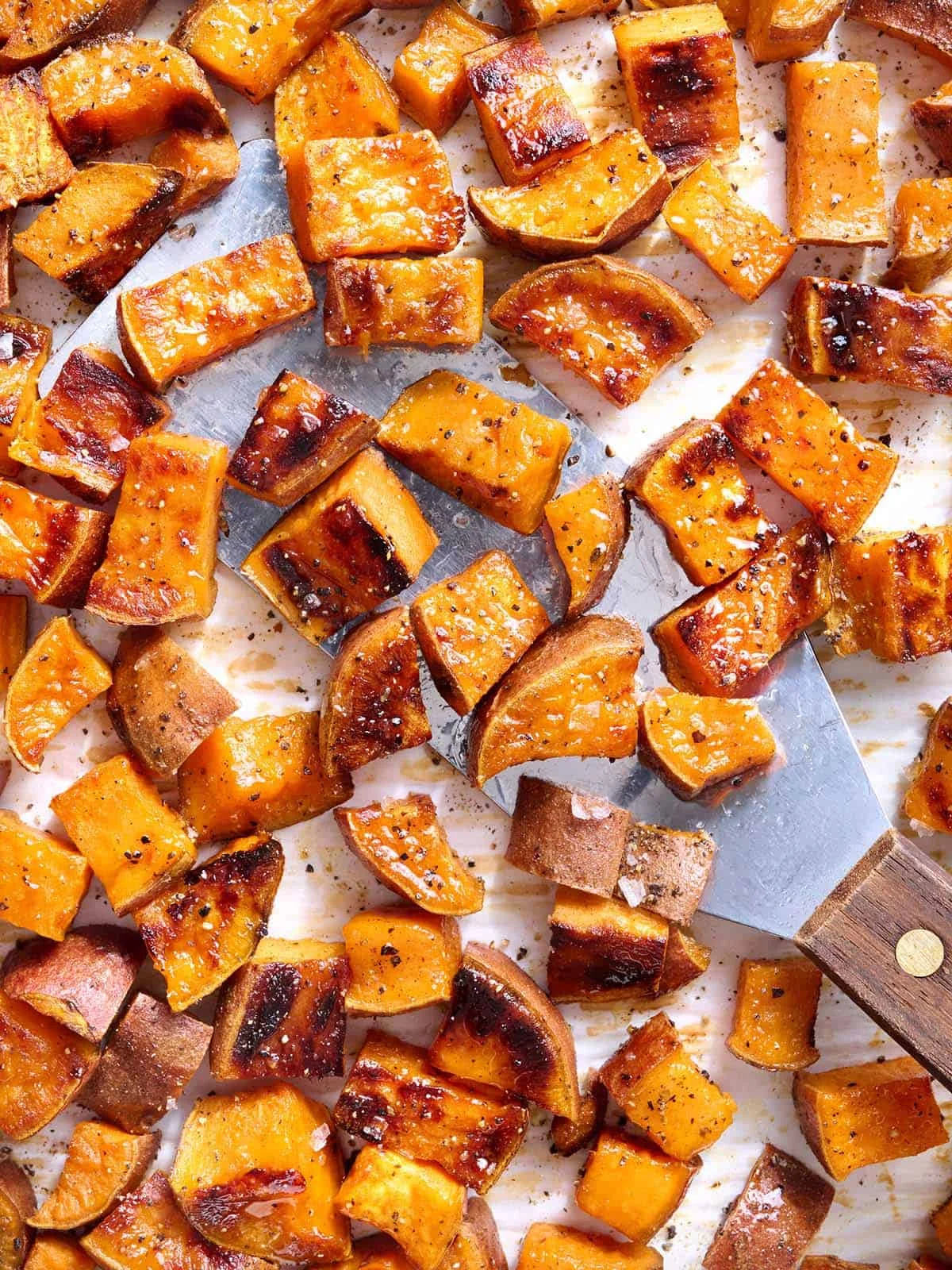
The culinary landscape of affordable home cooking has been significantly influenced by the development of techniques that maximize flavor without increasing overhead costs, a principle exemplified by the latest methodology for oven-roasted sweet potatoes. Developed and rigorously tested within the Nashville Test Kitchen, this specific preparation method eliminates the traditional requirements for parboiling or the addition of cornstarch, relying instead on thermodynamic principles and precise moisture control. By utilizing a high-heat environment of 450°F and a preheated metal surface, the process achieves a distinct textural contrast: a deeply browned, caramelized exterior paired with a soft, nutrient-dense interior. This approach serves as a cornerstone for versatile meal planning, offering a cost-effective solution for families and individuals seeking nutritional density on a budget of less than $3 per batch.
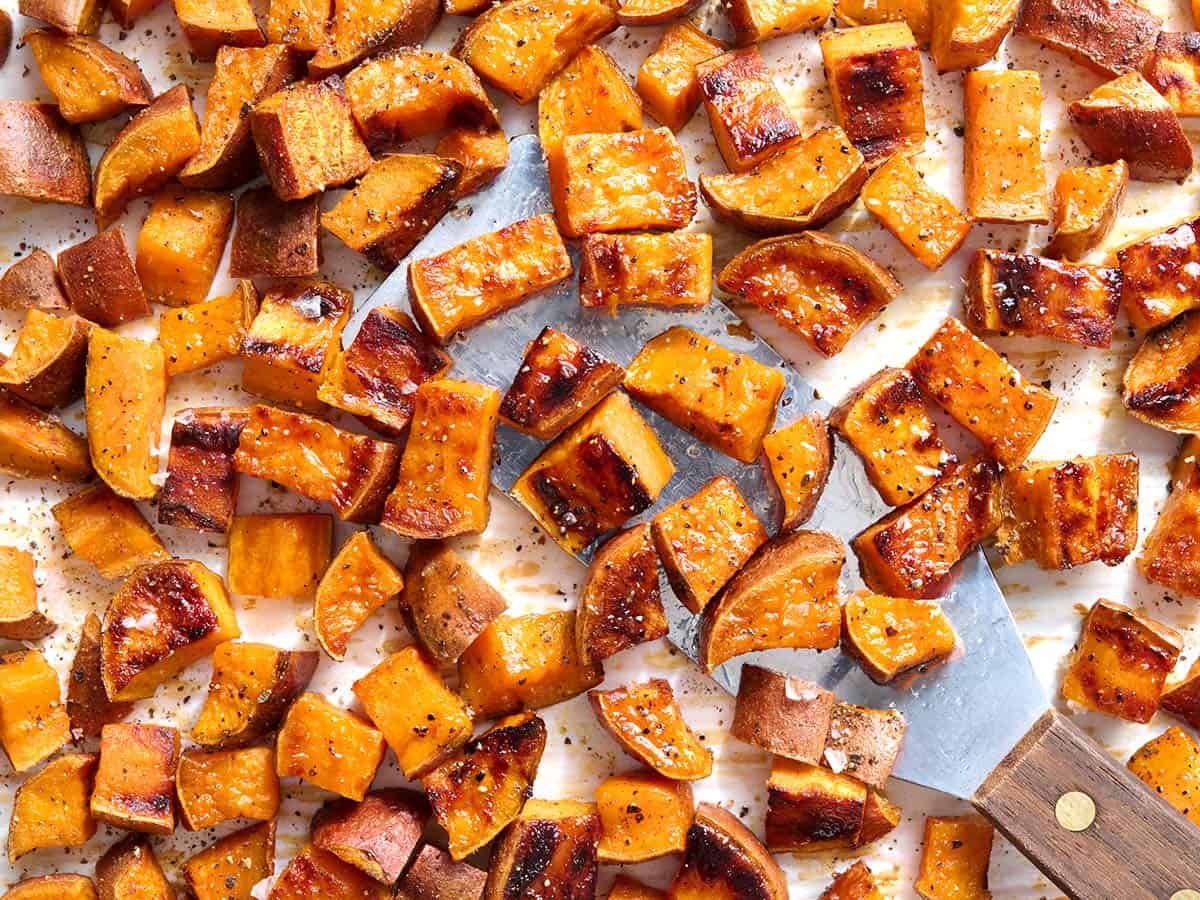
Technical Methodology and the Science of Caramelization
The success of roasting root vegetables, specifically the Ipomoea batatas or sweet potato, hinges on the management of heat transfer and surface moisture. Standard roasting techniques often result in "steaming," a phenomenon where excess water on the vegetable’s surface prevents the temperature from rising above the boiling point of water (212°F). This stalls the Maillard reaction—the chemical process between amino acids and reducing sugars that gives browned food its distinctive flavor.
To circumvent this, the Nashville Test Kitchen’s protocol emphasizes two critical pre-roasting steps: the thorough drying of the cubed potatoes and the preheating of the sheet pan. When cold, oiled potato cubes contact a preheated 450°F metal pan, the immediate conduction of heat begins the browning process instantly. This "thermal shock" ensures that the side in contact with the pan develops a crust before the internal moisture can migrate to the surface and cause softening. Furthermore, the instruction to avoid crowding the pan is rooted in fluid dynamics; providing ample space between cubes allows steam to escape and dissipate, rather than lingering around the vegetables and creating a moist micro-environment that inhibits crisping.
Chronology of Preparation and Workflow Efficiency
The preparation of this dish is designed for logistical efficiency, fitting within a 40-minute window from initial handling to service. The timeline is structured to minimize active labor while maximizing the output of the high-heat roasting environment.
- Phase One: Thermal Preparation (0-10 Minutes): The process begins with the positioning of the oven rack to the center and the placement of a bare metal sheet pan inside. The oven is set to 450°F. This phase is critical, as a "cold start" for the pan often results in the potatoes sticking or failing to develop a sear.
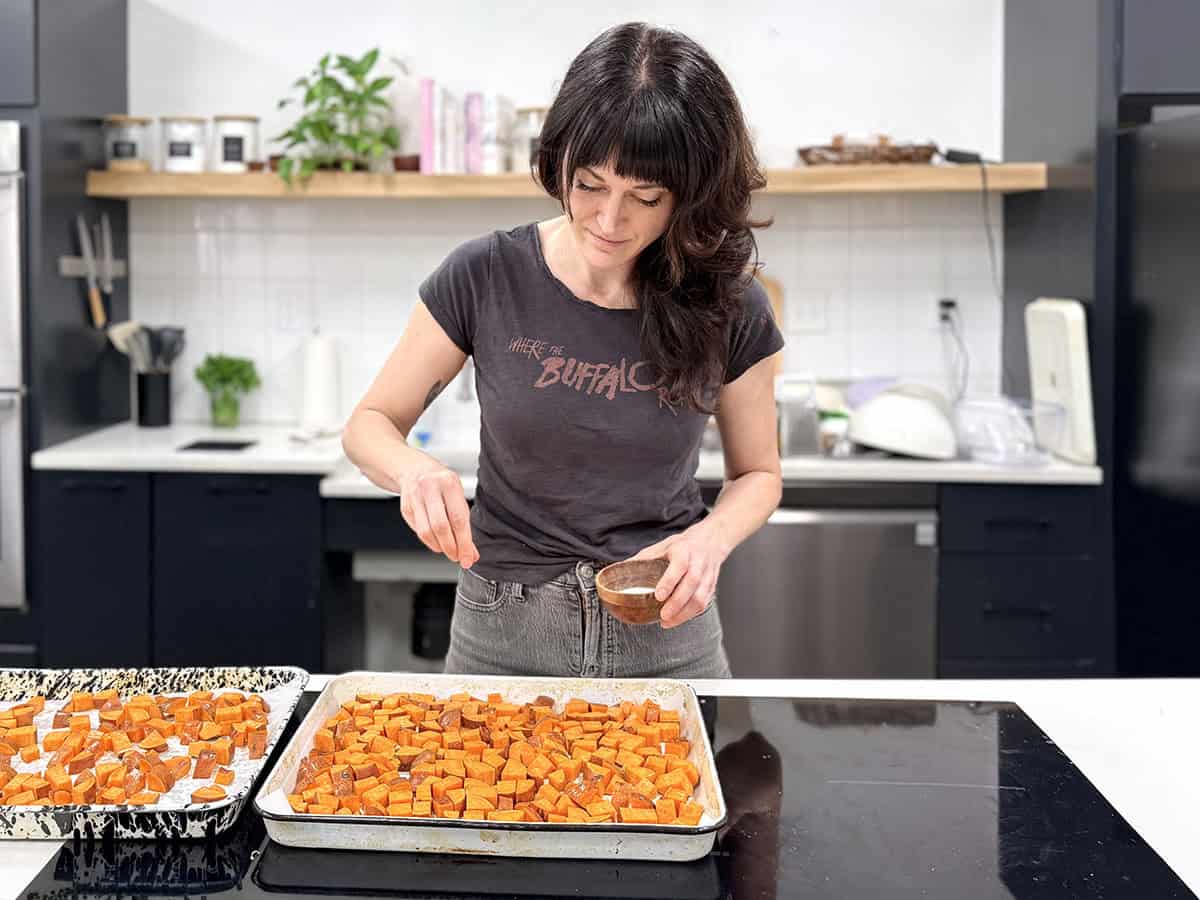
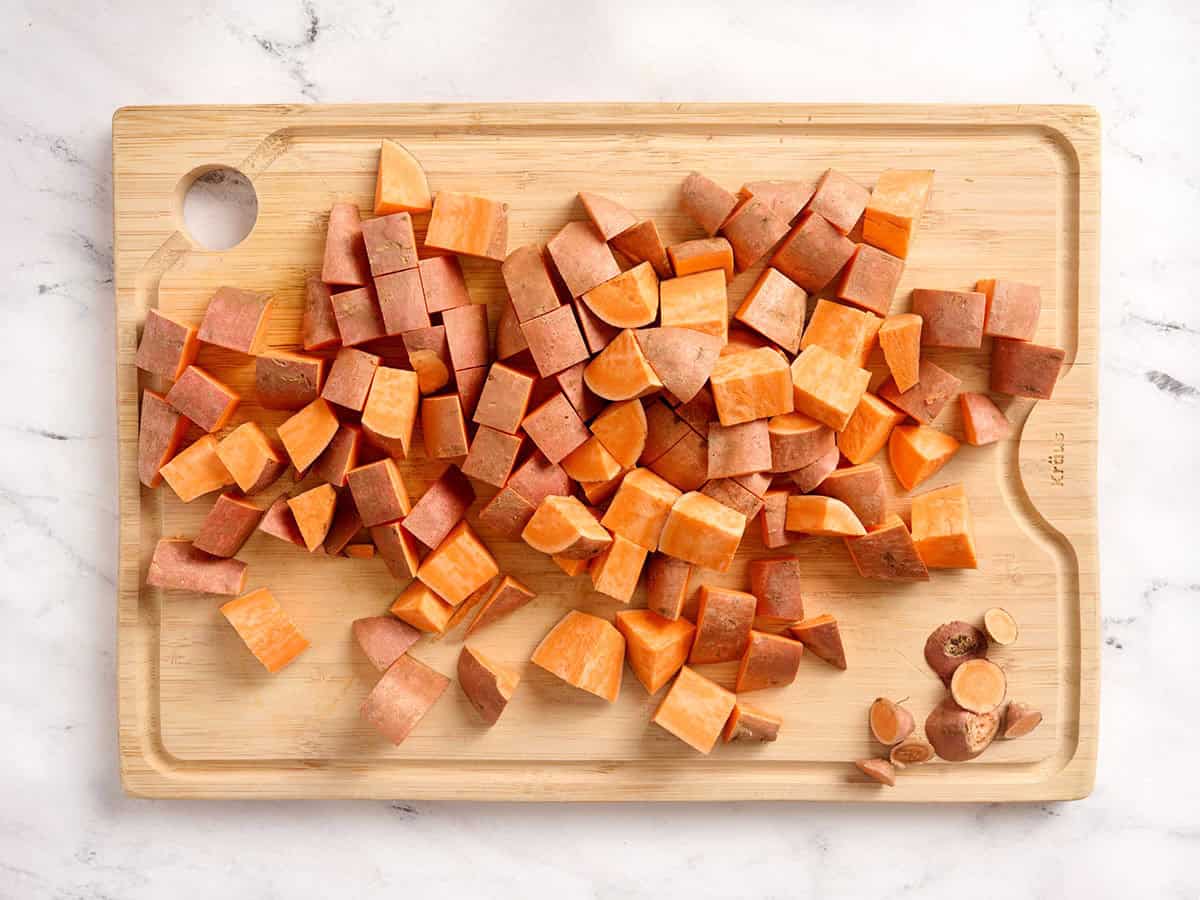
- Phase Two: Physical Processing (10-20 Minutes): While the oven reaches the target temperature, 2 lbs of sweet potatoes are scrubbed. The skins are intentionally left intact to preserve fiber content and provide structural integrity. The potatoes are dried with a high degree of precision and cut into uniform cubes ranging from 1/2 to 1 inch. Uniformity is essential to ensure that all pieces reach the desired internal temperature simultaneously.
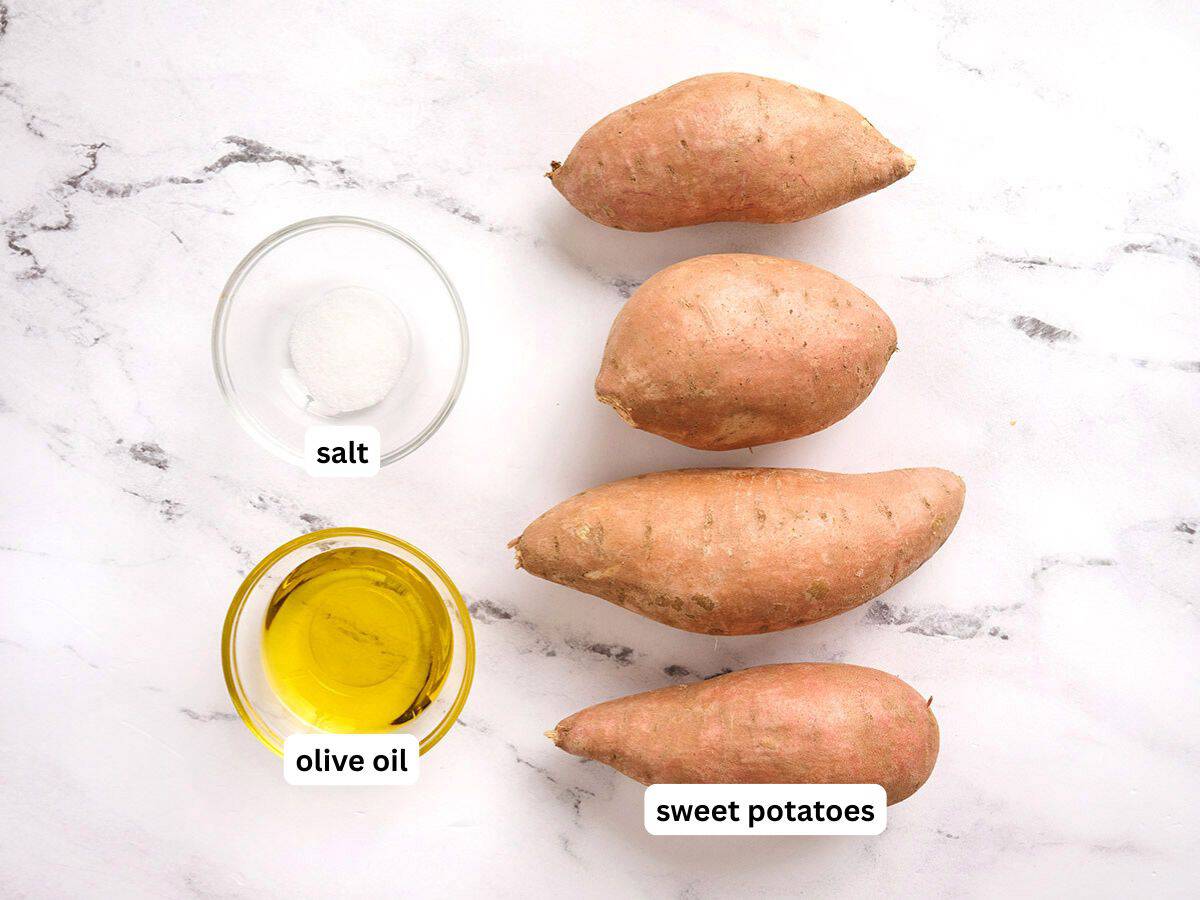
- Phase Three: Seasoning and Application (20-22 Minutes): The cubes are transferred to a large bowl and tossed with 2 tablespoons of olive oil and 1/2 teaspoon of salt. This coating serves a dual purpose: the oil acts as a heat conductor and prevents desiccation, while the salt enhances the natural sugars through osmotic balance.
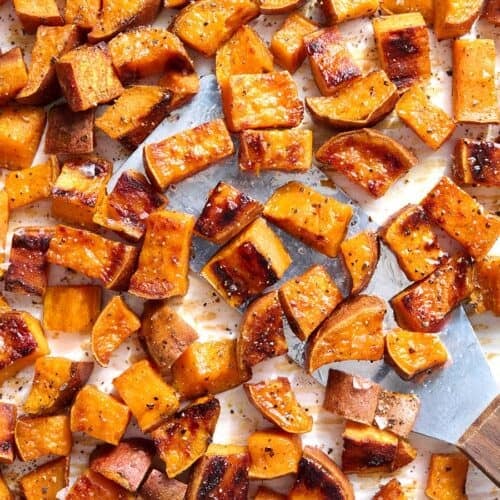
- Phase Four: Primary Roasting (22-37 Minutes): The seasoned cubes are spread in a single layer on the preheated pan. They are roasted undisturbed for 15 minutes to allow the bottom surface to caramelize.
- Phase Five: Inversion and Finalization (37-45 Minutes): A thin spatula is used to flip the cubes, exposing the secondary surfaces to the direct heat of the pan. A final 10-minute roast follows. The process concludes when a fork or knife meets no resistance in the largest cubes, and the aroma indicates the conversion of starches to sugars.
Economic Analysis and Cost-Effectiveness
In an era of fluctuating food prices, the economic viability of a side dish is as important as its flavor profile. The Nashville Test Kitchen report indicates that a full 2 lb batch of these roasted sweet potatoes costs approximately $2.63, which translates to roughly $0.66 per serving. This price point positions the sweet potato as one of the most affordable complex carbohydrates available to the modern consumer.
Compared to processed side dishes or out-of-season produce, sweet potatoes offer a superior "price-to-nutrient" ratio. The three-ingredient requirement—potatoes, oil, and salt—minimizes the need for specialized pantry items, making it an accessible "back-pocket" recipe for households across various socioeconomic brackets. The versatility of the dish further enhances its value, as leftovers can be integrated into subsequent meals, reducing food waste and the need for additional cooking cycles.
Nutritional Profile and Health Implications
Beyond their culinary utility, roasted sweet potatoes are a significant source of essential micronutrients. According to nutritional data, a single serving provides approximately 257 calories, with a robust 7 grams of dietary fiber. This fiber content is crucial for digestive health and provides a sustained release of energy, preventing the glucose spikes often associated with refined carbohydrates.
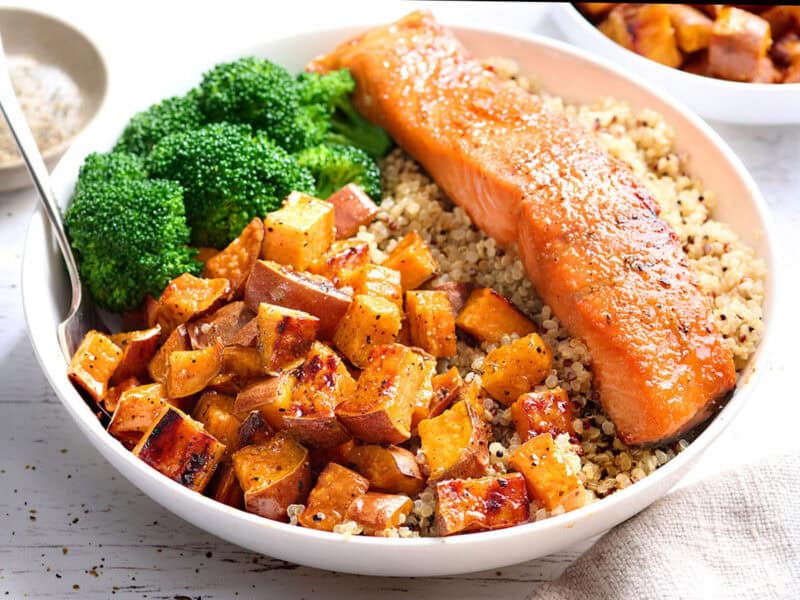
The vibrant orange hue of the potatoes is indicative of high levels of beta-carotene, a precursor to Vitamin A that supports immune function and ocular health. Additionally, the inclusion of the skin during the roasting process preserves the concentration of Vitamin C and potassium. Potassium, an essential electrolyte, plays a vital role in cardiovascular health and blood pressure regulation. By roasting the potatoes at high heat without parboiling, more of these water-soluble vitamins are retained within the vegetable rather than being leached out into boiling water.
Strategic Flavor Customization and Global Influences
While the base recipe is intentionally minimalist to ensure affordability, it serves as a modular platform for various international flavor profiles. The Nashville Test Kitchen has identified five primary seasoning variations that can be implemented without significantly altering the preparation timeline:
- Taco Seasoning: Utilizing chili powder, cumin, and garlic powder, this variation aligns the dish with Mexican-inspired culinary themes, making it an ideal component for "power bowls" or vegetarian tacos.
- Smoky Heat: The addition of smoked paprika and a pinch of cayenne pepper introduces a depth of flavor reminiscent of traditional barbecue, appealing to those who prefer savory over sweet.
- Herbaceous Profile: Dried oregano or a Mediterranean herb blend provides an aromatic quality that pairs effectively with roasted meats and citrus-based salads.
- Warm Spice: The use of cinnamon or "pumpkin spice" blends leans into the natural sweetness of the tuber, often favored during the autumn and winter months.
- Curry Infusion: Yellow curry powder introduces turmeric and coriander notes, offering a complex flavor profile that complements legume-based dishes.
Logistical Applications: Meal Prep and Preservation
The rise of "meal prepping" as a lifestyle trend has increased the demand for foods that maintain their structural and sensory integrity after refrigeration. Roasted sweet potatoes are particularly well-suited for this application. Chef Jess Rice, a contributor to the Nashville Test Kitchen with extensive experience in both academia and professional restaurant environments, notes that dividing a batch into 1/2-cup portions can streamline weekly meal logistics.
For optimal storage, it is recommended that the potatoes cool to room temperature before being sealed in airtight containers. This prevents the accumulation of condensation, which is the primary cause of sogginess in stored vegetables. Leftovers remain viable for 3 to 4 days in a refrigerated environment.
Reheating protocols are equally specific. While the microwave offers the highest speed, the use of an air fryer or oven at 350°F is recommended to restore the original texture. For long-term preservation, the potatoes can be frozen for up to three months. To maintain quality, they should be frozen in a single layer on a sheet pan before being transferred to a vacuum-sealed bag, which prevents the cubes from clumping and reduces the risk of freezer burn.
Broader Impact on Home Cooking Trends
The transition toward simple, whole-food recipes reflects a broader shift in consumer behavior. As professional chefs like Jess Rice bring high-level culinary theory to the home kitchen, the gap between "restaurant quality" and "home cooked" continues to narrow. The emphasis on techniques like preheating pans and moisture control empowers the average cook to achieve professional results with minimal investment.
This specific roasted sweet potato methodology addresses three of the most significant concerns in modern cooking: health, time, and budget. By providing a reliable, repeatable framework for a nutrient-dense side dish, the Nashville Test Kitchen contributes to a more sustainable and informed food culture. Whether served alongside pan-seared chicken, integrated into a kale salad with Dijon vinaigrette, or used as a base for a vegetarian breakfast hash, the roasted sweet potato stands as a testament to the power of culinary simplicity.
