

The high-octane world of professional kitchens, often dramatized in popular culture narratives like The Bear, paints a vivid picture of meticulous precision, relentless pressure, and a scale of operation far removed from the average home cook’s reality. Chefs manage vast inventories, execute dishes with unwavering consistency, and rely on extensive teams for every stage from mise en place to immaculate cleanup. Yet, when the grueling service concludes and the chef’s whites are shed, these culinary maestros retreat to their own homes, where the fundamental need to nourish themselves, their families, and partners persists. This inherent dichotomy raises a compelling question: what do these culinary architects truly cook when liberated from the demands of the line, opting instead for personal comfort, family sustenance, or intimate celebrations? A recent inquiry into the personal culinary habits of several leading chefs reveals a fascinating blend of practicality, passion, and profound cultural connection, offering a unique window into the personal philosophies that underpin their professional prowess.
The Professional Culinary Landscape vs. The Home Hearth
The chasm between professional and home cooking is vast, shaped by differing objectives, resources, and emotional investments. In a restaurant, efficiency, consistency, and cost-effectiveness are paramount. Chefs often order ingredients in bulk, navigating complex supply chains to secure specific cuts, rare produce, or artisanal products that would overwhelm a typical pantry. The repetitive nature of "firing" the same signature dish hundreds, if not thousands, of times, while essential for brand identity and customer satisfaction, can also lead to a degree of culinary fatigue. The adrenaline-fueled environment, characterized by synchronized movements and precise timing, is a testament to the intricate choreography required to deliver a seamless dining experience. Data from the National Restaurant Association consistently highlights the demanding nature of the industry, with chefs routinely working 60+ hour weeks, facing high-stress conditions, and managing significant operational overhead. This intensive professional reality leaves little room for individual culinary whims or exploratory experimentation during service hours.
Conversely, the home kitchen represents a sanctuary—a space for culinary self-expression, comfort, and the nurturing of personal relationships. Here, the chef trades the industrial-grade range for a domestic stovetop, the brigade for a curious child or a supportive partner, and the meticulous plating for a more rustic, heartfelt presentation. The motivations shift from profit and reputation to nourishment, enjoyment, and the creation of shared memories. This transition requires a distinct mental and practical adjustment, often favoring dishes that are either remarkably simple, deeply comforting, or imbued with personal and cultural significance, allowing for a creative outlet distinct from their public-facing culinary identities.
Breakfast: A Global Embrace of Comfort and Efficiency
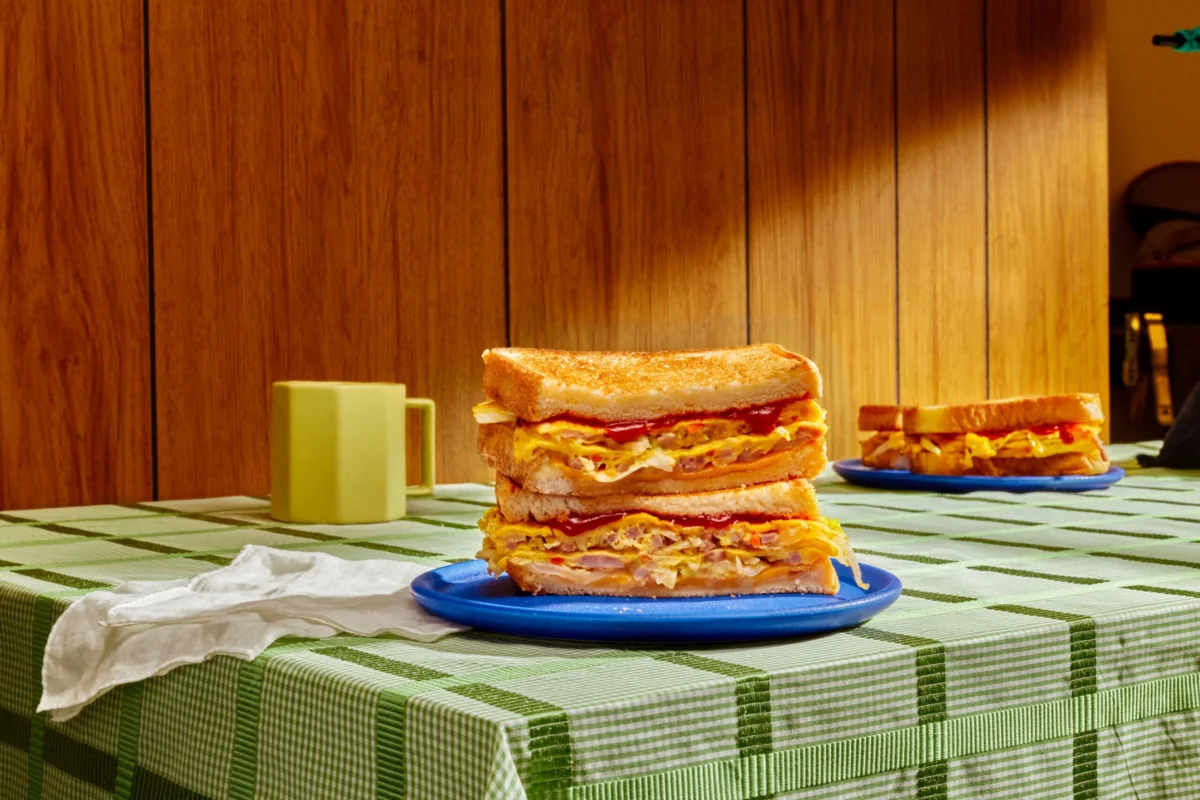
For many chefs, the first meal of the day sets the tone, often demanding a balance of quick preparation and satisfying flavor. Chef Beverly Kim, co-owner of Chicago’s critically acclaimed Parachute and Anelya restaurants, finds her morning solace in the Korean Street Toast Breakfast Sandwich. Her fascination with this dish dates back to her 2006 visit to South Korea, where she witnessed the mesmerizing speed and dexterity of street vendors crafting these unique sandwiches on portable griddles. The surprising alchemy of common ingredients—American cheese, ketchup, and white bread—transformed by the addition of finely shredded cabbage, onion, carrot, and a whisper of sugar, created an "unmistakably Korean" flavor profile.
This choice underscores a broader trend in global culinary appreciation. Korean cuisine, once a niche market, has exploded in popularity worldwide over the past two decades. According to industry reports, the global market for Korean food products has seen substantial growth, driven by cultural exports like K-Pop and K-Dramas, and a growing consumer appetite for diverse, flavorful, and often health-conscious options. Chef Kim’s personal adaptation, which incorporates readily available bagged coleslaw mix, highlights a chef’s practical approach to home cooking: maximizing flavor and cultural authenticity while minimizing prep time—an invaluable gift on hectic mornings. This reflects a shift from the laborious, from-scratch ethos of a professional kitchen to smart, time-saving strategies for personal sustenance without compromising taste or quality.
Family Meals: Elevating Nutrition with Accessible Elegance
Feeding a family, especially children, presents a unique set of challenges, balancing nutritional requirements with palatability and time constraints. Chef Julia Sherman, a New York City-based chef and author of Arty Parties and Salad for President, expertly navigates this with her choice of Buckwheat Crepes with Banana-Sesame Jam. Her assertion that buckwheat crepes are both "practical to make and feel like a flex" perfectly encapsulates the desire to provide wholesome, appealing meals without the elaborate theatrics of a restaurant setting. The perceived fanciness of crepes often deters home cooks, yet Sherman emphasizes their simplicity, requiring only a standard nonstick pan and a few minutes per pancake.
Buckwheat, a pseudo-cereal, has gained significant traction in health and wellness circles due to its impressive nutritional profile. Rich in fiber, essential minerals, and boasting a low glycemic index, it aligns perfectly with the growing consumer demand for nutrient-dense, whole-grain alternatives. Market research indicates a rising preference for ancient grains and alternative flours, driven by dietary restrictions (it’s gluten-free) and a broader interest in functional foods. Sherman’s practice of preparing the batter up to three days in advance or hydrating it in mere minutes speaks volumes about a busy parent’s need for flexibility. Furthermore, the crepes’ barely-sweetened base allows for culinary versatility, easily transitioning from a sweet banana-sesame jam filling to savory options like melted cheese or cooked vegetables, demonstrating a chef’s instinct for maximizing a single preparation across multiple meal occasions—a concept not unlike a restaurant’s foundational stock or sauce that can be adapted for various dishes.
Date Night: Rekindling Romance Through Shared Culinary Experiences
The "date night" meal at home often carries a special significance, acting as an intimate ritual distinct from public dining. Chefs Claire Wadsworth and Nikki Hill, co-owners of La Copine in Yucca Valley, California, and authors of La Copine: New California Cooking from an Oasis in the Desert, find romance in Mussels Dijonnaise. They articulate that "eating them with your hands adds to the experience," further enhanced by soaking up the flavorful broth with a charred, crusty baguette. This choice is deeply rooted in their personal history, recalling early relationship "dates" squeezed in at their restaurant bar, where mussels, a beet salad, and sparkling wine created an "enchanting" combination.
Mussels, a staple of European bistro cuisine, embody a convivial and interactive dining experience. Beyond their culinary appeal, mussels are also recognized for their sustainability, often cited by environmental organizations as an eco-friendly seafood choice, a factor increasingly important to informed consumers and chefs alike. The chefs’ recipe, featuring Pernod-infused butter and a Dijon-enriched broth, elevates a classic steamed preparation, transporting them back to cherished memories. This illustrates how professional chefs imbue their home cooking with personal narratives and specific flavor profiles that evoke powerful sensory recall. The act of sharing a bowl of mussels, dipping bread, and savoring the moment becomes a tangible expression of connection and shared history, proving that even for those who cook professionally, the emotional resonance of food remains paramount.
Entertaining Guests: The Art of Elevated Comfort
When hosting, chefs often lean into dishes that are universally appealing yet reflect their signature culinary style. Chef Kwame Onwuachi, co-owner of DÅgon in Washington, D.C., and Tatiana in New York City, and author of All Hours: Crazy Good Food for Whatever, Whenever, champions Creole Sausage Roll-Ups for his gatherings. His observation, gleaned from his time at Kith/Kin in D.C., that "public policy is decided over hors d’oeuvres" underscores the social and even political significance of party snacks. He notes the unifying appeal of "pigs in a blanket," transcending demographic divides through the simple pleasure of flaky crust and juicy sausage.
The enduring popularity of comfort food, particularly at social events, is a well-documented culinary trend. Consumers consistently seek familiar, nostalgic flavors, but with an increasing demand for premium ingredients and innovative twists. Onwuachi elevates the classic by substituting standard hot dogs with rich, spicy, smoky andouille sausage, wrapping it in puff pastry, and serving it with homemade hot honey mustard instead of ketchup. This transformation speaks to a chef’s ability to take a beloved, simple concept and infuse it with layers of complex flavor and personal heritage (Creole influences). His tip about utilizing excess puff pastry for "Hot Pockets" with extra sausages and mustard sauce further demonstrates a chef’s waste-reducing instincts and creative resourcefulness, extending the utility of ingredients beyond the initial dish—a skill honed in high-volume restaurant environments.
Dessert: A Historical Sweet Treat for Leisurely Indulgence
Dessert, often the grand finale of a meal, can also serve as a standalone indulgence or a comforting companion to a quiet moment. Chef James Martin, co-owner of Bocadillo Market in Chicago, finds his sweet spot in the Pear Tarta de Santiago. His choice is deeply rooted in a fascination with culinary history, specifically "the North African influence on Spanish cuisine." He highlights the traditional flourless almond cake, or Tarta de Santiago, as a potential "by-product of increased almond cultivation and culinary traditions during Spain’s Moorish era." This historical context adds significant depth to a seemingly simple dessert.
The Tarta de Santiago holds a revered place in Spanish culture, particularly in the Galicia region during the Feast of St. James. It’s a traditional reward for pilgrims completing the Camino de Santiago, underscoring its cultural and symbolic importance. Martin’s decision to prepare this at home reflects a broader appreciation for heritage recipes and the stories they tell. While he might use a sheet pan in a restaurant setting, a round cake pan suffices at home, adapting professional techniques to domestic scale. His practice of chilling the cake after cooling to develop a "softer, fluffier texture" reveals a chef’s nuanced understanding of ingredient science and texture manipulation, applied for personal enjoyment. This dessert is not about quick consumption but about leisurely appreciation, a stark contrast to the rapid-fire dessert plating required in a busy restaurant, emphasizing the chef’s desire for personal culinary gratification and connection to historical narratives.
Broader Implications: The Human Element of Haute Cuisine
The collective insights from these distinguished chefs offer a compelling narrative that transcends mere recipe sharing. They illuminate the profound human element embedded within the demanding world of haute cuisine. What these culinary leaders choose to cook at home reveals several consistent themes: a deep appreciation for cultural heritage and culinary history, a practical approach to efficiency and nutrition, and an unwavering commitment to flavor, whether for personal comfort, family sustenance, or social connection.
These revelations serve as an invaluable resource for home cooks, demonstrating how professional culinary philosophies can be distilled into accessible, impactful everyday cooking. They highlight that even at the pinnacle of the gastronomic world, the fundamental joys of cooking—the nourishment of loved ones, the creation of memories, and the simple pleasure of a delicious bite—remain the most potent motivators. Far from the rigid structures of their professional kitchens, these chefs rediscover the unadulterated passion that likely drew them to cooking in the first place, proving that the magic of food, in all its forms, continues to connect, comfort, and inspire.
