

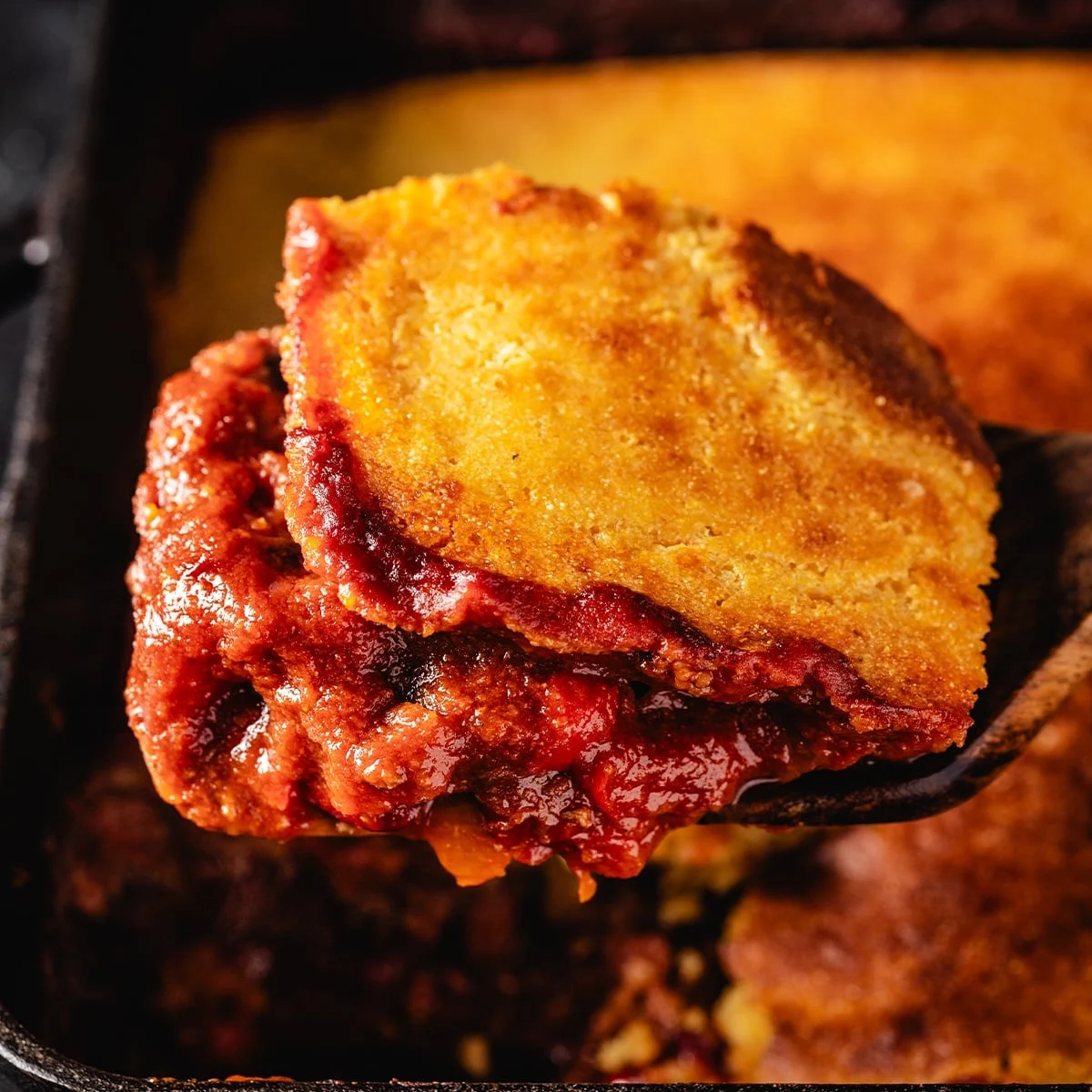
The culinary landscape of American backyard barbecue is witnessing a significant shift toward "one-pot" outdoor integration, a trend exemplified by the emergence of high-heat smoking techniques that blend traditional comfort foods with wood-fired flavor profiles. The Smoked Cornbread Chili Casserole represents a technical fusion of two quintessential American staples: the slow-simmered beef chili and the aerated, grain-forward texture of skillet cornbread. By utilizing a smoker as a convection oven, practitioners of modern barbecue are moving beyond simple protein smoking into the realm of complex, layered baking. This dish, popularized by industry experts such as Susie Bulloch of Hey Grill Hey, serves as a blueprint for the evolution of the "backyard hero" ethos, prioritizing efficiency, flavor depth, and crowd-scale utility.
The Composition of a Modern Hybrid Casserole
The architecture of the Smoked Cornbread Chili Casserole is divided into two distinct culinary phases, each requiring specific chemical reactions to achieve the desired final texture. The base layer consists of a robust ground beef chili, which provides the moisture and savory foundation necessary to prevent the cornbread from drying out during the smoking process.
The chili component relies on a high-fat-to-lean ratio of ground beef, typically 80/20, to ensure a rich mouthfeel. This is supplemented by a aromatic base of diced yellow onions, minced garlic, and bell peppers. The flavor profile is built through a standardized blend of Tex-Mex spices, including chili powder, cumin, and smoked paprika, which bridges the gap between the internal ingredients and the external smoke environment. The addition of tomato sauce and diced tomatoes provides the acidity needed to balance the heavy proteins, while beef broth acts as the primary hydrating agent.

The secondary phase involves the preparation of a cornbread batter that must remain structurally sound while floating atop a liquid base. This is achieved through a combination of yellow cornmeal and all-purpose flour, leavened with baking powder. The inclusion of sugar provides a Maillard reaction on the surface, resulting in a golden-brown crust. The wet ingredients—buttermilk, melted butter, and eggs—introduce the necessary fats and acids to ensure the cornbread remains "crumbly yet fluffy," a hallmark of high-quality cast-iron baking.
Chronology of Preparation and Technical Execution
Achieving the ideal Smoked Cornbread Chili Casserole requires a strict adherence to a specific timeline to manage heat retention and ingredient integrity.
- Pre-Smoke Preparation: The process begins with the ignition of the smoker, which is set to a steady 375°F (190°C). Unlike traditional low-and-slow barbecue (typically 225°F), this dish requires higher temperatures to facilitate the leavening of the cornbread and the bubbling of the chili base.
- The Sauté and Simmer Phase: In a 12-inch cast-iron skillet, the ground beef is browned over a stove-top or side burner. Once the fat is rendered, the aromatics (onions and peppers) are introduced and softened. The spices are then toasted briefly to release essential oils before the liquid components—tomatoes, sauce, and broth—are added. The mixture is brought to a simmer for approximately 10 to 15 minutes.
- Batter Integration: While the chili simmers, the dry and wet cornbread ingredients are whisked separately and then combined. It is critical that the batter is not over-mixed, as this would develop gluten and lead to a tough, bread-like texture rather than a tender crumb.
- The Assembly: The cornbread batter is poured carefully over the hot chili. Technical precision is required here; the batter should be spread to the edges of the skillet to create a "seal" that traps steam within the chili layer, further tenderizing the meat.
- The Smoking Phase: The skillet is transferred to the smoker. Over the course of 30 to 40 minutes, the wood-fired heat circulates around the skillet. The smoke adheres to the moist surface of the rising cornbread, infusing it with a subtle woodsy aroma that cannot be replicated in a standard kitchen oven.
- Final Quality Control: The dish is considered complete when a toothpick inserted into the center of the cornbread comes out clean and the internal edges of the chili are seen bubbling vigorously.
Historical Context: The Intersection of Chili and Cornbread
The pairing of chili and cornbread is not merely a matter of modern preference but is rooted in the historical necessity and regional availability of the American South and Southwest. Chili con carne, which translates to "chili with meat," has its origins in San Antonio, Texas, during the 19th century. The "Chili Queens" of San Antonio served this spicy stew in public plazas, often accompanying it with simple grain-based breads.

Cornbread, conversely, traces its lineage to Native American cuisine, where ground maize was a dietary staple. As European settlers introduced wheat and leavening agents, the dish evolved from the "ash cake" into the modern cornbread. The convergence of these two dishes occurred naturally; the sweetness of the corn acted as a functional foil to the capsaicin heat of the chili peppers. By the mid-20th century, the "Chili-Cornbread Casserole" had become a staple of church potlucks and family gatherings across the United States. The modern "smoked" version represents the third evolution of this pairing, integrating 21st-century outdoor cooking technology with 19th-century flavor profiles.
Supporting Data and Nutritional Analysis
In an era of increased nutritional transparency, the Smoked Cornbread Chili Casserole offers a substantial caloric profile designed for high-energy expenditure or communal dining. According to standardized nutritional calculations, a single serving (based on a 10-serving yield) contains approximately 488 calories.
The macronutrient breakdown is as follows:

- Protein: 23g, primarily derived from the ground beef and buttermilk.
- Carbohydrates: 37g, sourced from the cornmeal, flour, and sugars.
- Fats: 27g, with 11g being saturated fats, largely from the butter and beef tallow.
- Fiber: 4g, contributing to digestive health.
- Sodium: 1260mg, a figure that reflects the preservation and seasoning requirements of traditional chili.
From a market perspective, the rise of such recipes aligns with the growth of the outdoor cooking industry. The Hearth, Patio & Barbecue Association (HPBA) has reported a steady increase in the ownership of pellet grills and smokers, which provide the temperature stability required for baking. This technological advancement has allowed home cooks to move away from "meat-only" smoking toward full-meal preparation in the backyard.
Expert Perspectives and Industry Impact
Susie Bulloch, a prominent figure in the barbecue industry and the founder of Hey Grill Hey, has been a vocal advocate for the "casserole on the smoker" concept. With a background that includes appearances on the Food Network and multiple Guinness World Records, Bulloch’s endorsement of the Smoked Cornbread Chili Casserole underscores a broader movement toward accessible, family-oriented outdoor cooking.
"The goal is to help people feel like heroes in their own backyards," Bulloch has noted in various instructional contexts. This philosophy suggests that the value of the dish lies not just in its flavor, but in the social experience of outdoor preparation. Industry analysts suggest that by simplifying complex recipes into "skillet-ready" formats, barbecue influencers are lowering the barrier to entry for novice smokers, thereby expanding the market for grills, fuel, and accessories.

Broader Implications and Culinary Analysis
The success of the Smoked Cornbread Chili Casserole points toward a future where the distinction between "indoor cooking" and "outdoor barbecue" continues to blur. As home designs increasingly prioritize outdoor living spaces and high-end outdoor kitchens, the demand for versatile recipes that utilize these spaces will only grow.
Furthermore, the dish serves as a case study in "flavor layering." The use of a smoker introduces a third dimension of flavor—smoke—that acts as a seasoning agent alongside salt, acid, and heat. The porous nature of cornbread makes it an ideal vessel for absorbing wood smoke (such as hickory, oak, or cherry), which complements the earthy notes of the cumin and the richness of the beef.
In conclusion, the Smoked Cornbread Chili Casserole is more than a seasonal comfort food; it is a manifestation of modern culinary engineering. By respecting the historical roots of its components while leveraging the technical advantages of modern smokers, it provides a blueprint for the next generation of backyard cooking. It remains a high-protein, high-flavor solution for communal dining, proving that the most enduring recipes are those that can adapt to the changing technologies of the hearth.
