

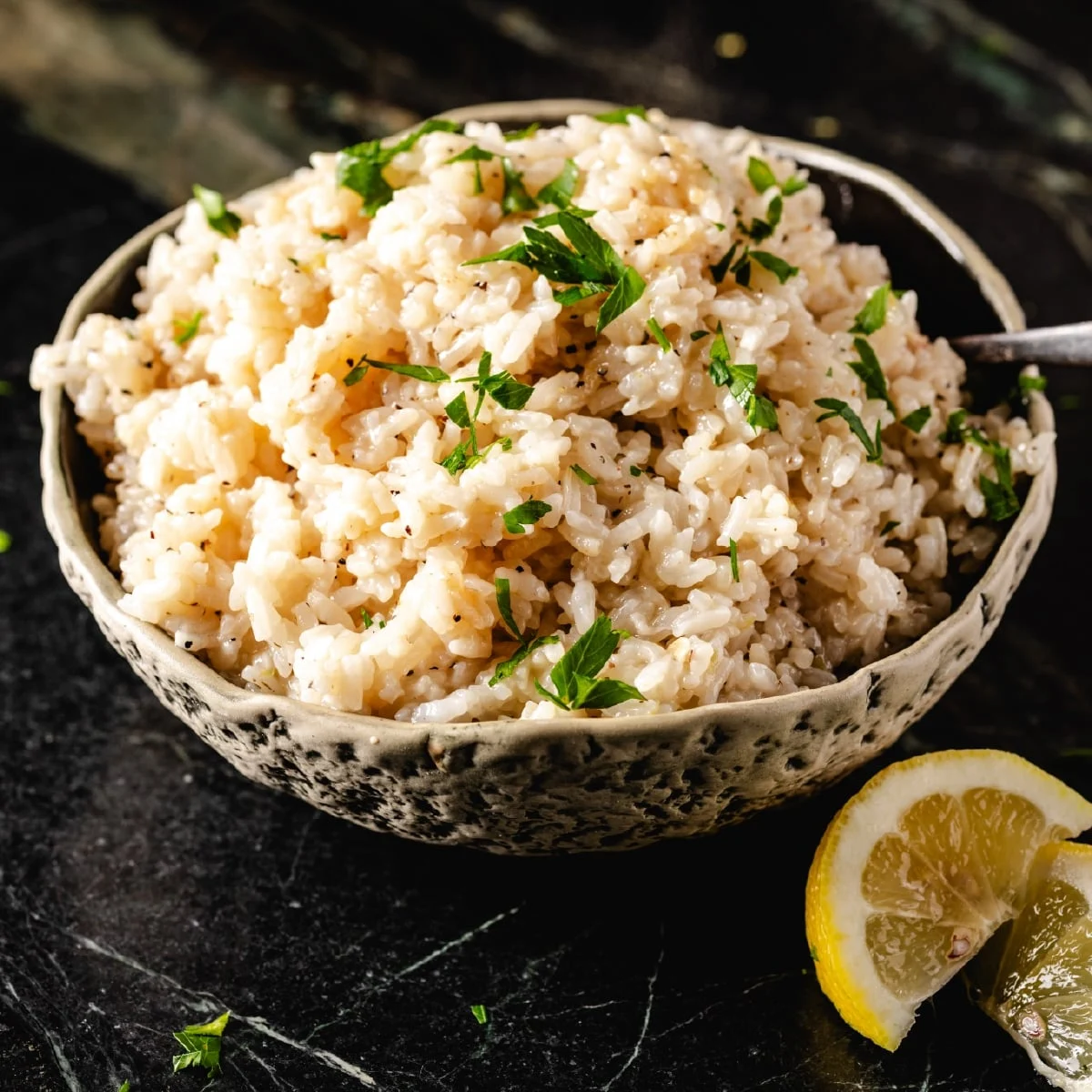
The culinary landscape of outdoor cooking has traditionally focused on the primary protein, often leaving side dishes as an afterthought in the preparation process. However, the emergence of specialized flavor profiles, such as the Easy Lemon Rice developed by Susie Bulloch of Hey Grill Hey, signals a shift toward a more holistic approach to barbecue meal planning. This recipe, designed to be completed within a 30-minute window, utilizes a specific Lemon Pepper Rub to introduce acidity and a mild heat profile to a staple grain. By integrating citrus notes and fresh herbs, the dish serves a functional purpose in a barbecue context: providing a bright, sharp contrast to the heavy, smoke-infused fats common in brisket, pulled pork, and grilled poultry.
Core Components and Preparation Framework
The efficacy of the Easy Lemon Rice recipe relies on a streamlined list of six primary ingredients, emphasizing the "citrus-forward" profile that characterizes modern fusion barbecue. The foundational elements include long-grain white rice, unsalted butter, fresh lemon (both zest and juice), and a specialized Lemon Pepper Rub. The addition of fresh Italian parsley serves as both a visual garnish and a source of herbal brightness.
According to technical specifications provided by the Hey Grill Hey test kitchen, the preparation time is approximately five minutes, with a cooking and resting period totaling 25 minutes. This 30-minute total duration is strategically aligned with the final resting stages of smoked meats, allowing the cook to synchronize the completion of the side dish with the carving of the main course. For those without access to the proprietary commercial rub, the kitchen provides a secondary protocol for creating a homemade substitute, ensuring the recipe remains accessible to a broad demographic of home cooks.

Chronological Development of the Dish
The production of the Easy Lemon Rice follows a precise five-step chronological sequence designed to maximize grain separation and flavor infusion.
- Starch Management: The process begins with the rinsing of the rice. This step is critical for removing excess surface starch, which prevents the final product from becoming gummy or clumping.
- Sauté and Infusion: In a medium saucepan, butter is melted over medium heat. The rinsed rice is then added and sautéed briefly. This technique, often referred to as the "pilaf method," coats each grain in fat, further ensuring individual grain separation and adding a toasted depth to the flavor.
- Liquidation and Seasoning: Water (or broth for additional depth), lemon zest, and the Lemon Pepper Rub are introduced to the pot. The mixture is brought to a rolling boil.
- The Absorption Phase: Once boiling, the heat is reduced to a low simmer. The vessel is covered, and the rice is allowed to cook undisturbed for 15 to 18 minutes. Maintaining a consistent temperature during this phase is essential for even hydration of the grains.
- Finalization: After the liquid is fully absorbed, the heat is extinguished. The rice is allowed to rest, covered, for an additional five minutes. This resting period allows the moisture to redistribute evenly. The process concludes with the addition of fresh lemon juice and chopped parsley, followed by a gentle fluffing with a fork.
Technical Analysis of the Rinsing Process
A significant portion of culinary debate centers on whether rice should be rinsed prior to boiling. In the context of the Easy Lemon Rice, the journalistic consensus among culinary scientists supports the rinsing protocol. Rinsing serves to remove the "fines"—tiny particles of broken starch created when the grains rub against each other during transport.
From a chemical perspective, rice contains two types of starch: amylose and amylopectin. Long-grain varieties, such as those recommended for this recipe, are higher in amylose, which helps the grains stay separate. However, surface amylopectin can still cause sticking. By placing the rice in a mesh strainer and running cold water over it for three to four minutes until the runoff is clear, the cook ensures a light, fluffy texture that is aesthetically and texturally superior for a barbecue side dish.
Market Context and the Evolution of BBQ Seasonings
The use of a Lemon Pepper Rub in a rice dish reflects broader trends in the global seasoning and spice market. As of 2023, the global seasonings market was valued at approximately $18.5 billion, with a projected compound annual growth rate (CAGR) of 5.6% through 2030. This growth is driven by a consumer shift toward "global flavors" and specialized rubs that offer more than basic salt and pepper profiles.

The Lemon Pepper Rub used in this recipe represents a specific niche: the "bright" rub. Historically, barbecue rubs have leaned toward "dark" flavors—molasses, paprika, cumin, and chili powder. The move toward citrus-based seasonings allows for a more balanced palate. Industry analysts note that as consumers become more sophisticated in their outdoor cooking, the demand for acidic components to cut through the richness of animal fats has surged. This rice recipe is a direct response to that market demand.
Nutritional Profile and Dietary Implications
A quantitative analysis of the Easy Lemon Rice provides a clear picture of its nutritional impact. Based on a standard serving size for a yield of six portions, the caloric density is relatively low, making it a balanced addition to a high-protein meal.
- Calories: 137 kcal
- Total Carbohydrates: 27g
- Protein: 3g
- Fat Content: 2g (with 1g of saturated fat)
- Sodium: 21mg
- Vitamin C: 10mg (contributed primarily by the fresh lemon juice and zest)
The low sodium count (21mg) is particularly noteworthy, as many pre-packaged rice mixes contain upwards of 500mg to 800mg of sodium per serving. By using a controlled amount of rub and fresh citrus, the cook can manage the flavor profile without the health risks associated with high sodium intake. Furthermore, the inclusion of 124 IU of Vitamin A and 22mg of Calcium adds minor but beneficial micronutrient value to the dish.
Culinary Synergy: Pairing and Flavor Theory
The success of the Easy Lemon Rice as a side dish is rooted in the "Fat-Acid-Heat" framework of culinary theory. Barbecue, by its nature, is a fat-heavy medium. The rendering of connective tissue in a brisket or the skin of a chicken produces a rich, mouth-coating sensation. Without an acidic counterpoint, the palate can experience "flavor fatigue."

The citric acid from the lemon juice and the piperine from the black pepper in the rub act as palate cleansers. This makes the rice an ideal companion for:
- Smoked Chicken: The lemon complements the poultry’s natural flavor.
- Seafood: Lemon and pepper are traditional pairings for white fish and shrimp.
- Rich Meats: The acidity cuts through the marbling of beef ribs or pork belly.
Logistics: Meal Prepping and Food Safety
In addition to immediate consumption, the Easy Lemon Rice has been evaluated for its performance in meal-prepping scenarios. The stability of long-grain rice allows it to be cooked in bulk and portioned for future use. For optimal results, the rice should be cooled to room temperature before being sealed in an airtight container or a gallon-size zip-top bag.
Food safety guidelines indicate that cooked rice should be refrigerated promptly to prevent the growth of Bacillus cereus, a bacterium that can survive the cooking process. When stored at or below 40°F (4°C), the rice remains viable for three to four days. Reheating should be done with a small amount of added moisture (a teaspoon of water or broth) to restore the fluffy texture that can be lost during refrigeration.
Broader Impact on the Outdoor Cooking Community
The release of simplified, high-flavor recipes like Easy Lemon Rice contributes to the "democratization" of gourmet barbecue. By reducing the barrier to entry—using common kitchen tools and a 30-minute timeframe—the recipe encourages home cooks to move away from processed, store-bought sides.

Furthermore, the integration of educational resources, such as "The Grill Squad" meal-prep courses mentioned by the Hey Grill Hey brand, suggests a move toward a more professionalized home cooking experience. As enthusiasts transition from "backyard hobbyists" to "amateur pitmasters," the demand for recipes that provide a "full feast" experience continues to grow. This lemon rice recipe stands as a testament to the importance of the supporting cast in the theater of outdoor culinary arts, proving that a simple side of rice can, when properly executed, elevate the entire dining experience.
