

The Enduring Legacy of Cacciatore: A Culinary History
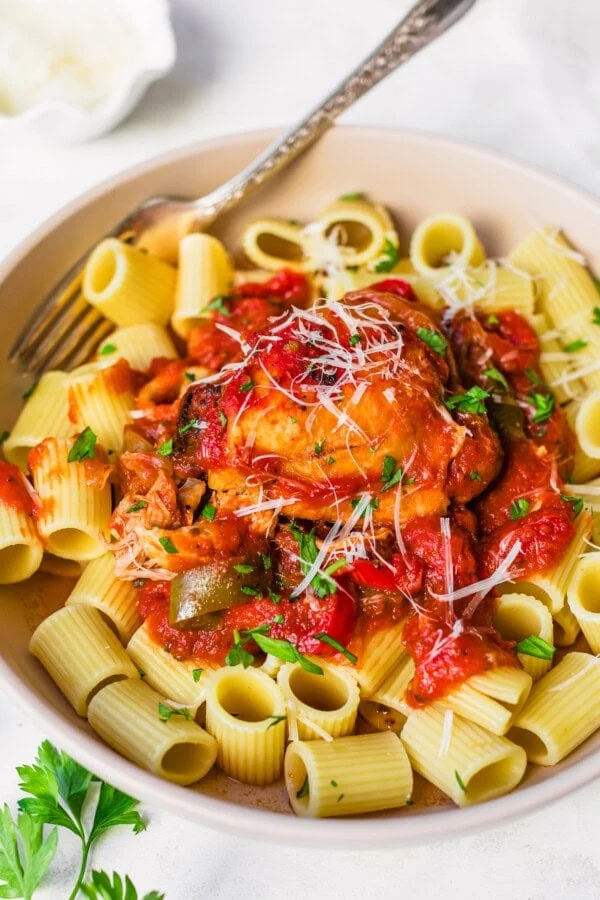
The term "cacciatore," translating to "hunter" in Italian, alludes to the dish’s origins as a hearty meal prepared by or for hunters, often featuring game meat braised with readily available ingredients from the Italian countryside. While the exact historical genesis remains somewhat fluid, the core concept of stewing meat with tomatoes, onions, peppers, and herbs is deeply embedded in Italian regional cooking. Variations abound across Italy, with some regions favoring red wine, others white, and ingredients like mushrooms or olives making appearances. Northern Italian versions might incorporate more white wine and herbs, while Southern Italian recipes lean into the robust flavors of tomatoes and bell peppers. This culinary heritage underscores a tradition of resourceful cooking, transforming simple ingredients into a deeply satisfying meal through slow, deliberate preparation. The adaptation for a slow cooker maintains this spirit of unhurried cooking, allowing flavors to meld and deepen over hours, much as they would in a traditional braise, but with minimal active supervision. The dish’s journey from a hunter’s stew to a beloved family meal reflects broader shifts in culinary practices, adapting to changing lifestyles while preserving its core essence of wholesome, flavorful ingredients cooked with care.
The Rise of Slow Cooking: A Modern Kitchen Imperative
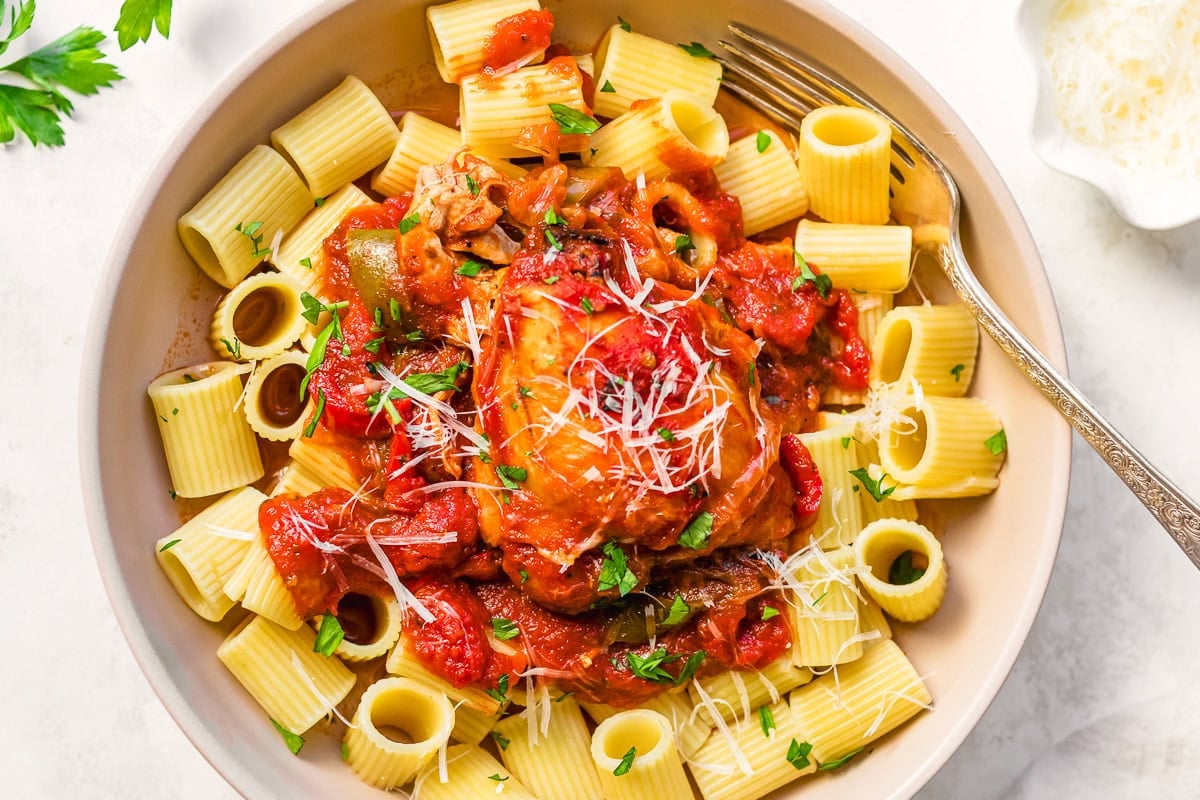
The slow cooker has emerged as a quintessential kitchen appliance for millions, particularly in an era defined by demanding schedules and a renewed emphasis on home-cooked meals. Its appeal lies in its ability to transform raw ingredients into fully cooked, flavorful dishes with minimal hands-on time, making it an invaluable tool for meal preparation. The process involves placing ingredients into a ceramic or metal pot, which is then heated gently and consistently over an extended period. This low-and-slow cooking method is particularly beneficial for cuts of meat that benefit from long braising, such as chicken thighs, rendering them exceptionally tender and moist. Beyond convenience, slow cooking often promotes a healthier approach to meal preparation, as it typically requires less added fat and allows for the infusion of flavors directly into the food, reducing the need for excessive seasoning at the table. For a dish like Chicken Cacciatore, the slow cooker excels at breaking down the connective tissues in the chicken and softening the vegetables, while simultaneously allowing the aromatic tomato sauce to develop profound depth. According to industry reports, slow cooker sales have seen consistent growth over the past two decades, reflecting their integration into modern kitchen dynamics as a cornerstone for batch cooking, meal prepping, and energy-efficient meal solutions. This appliance’s ability to deliver hearty, home-style meals without continuous supervision aligns perfectly with the demands of contemporary family life, making it a pragmatic choice for many.
Nutritional Profile and Ingredient Integrity
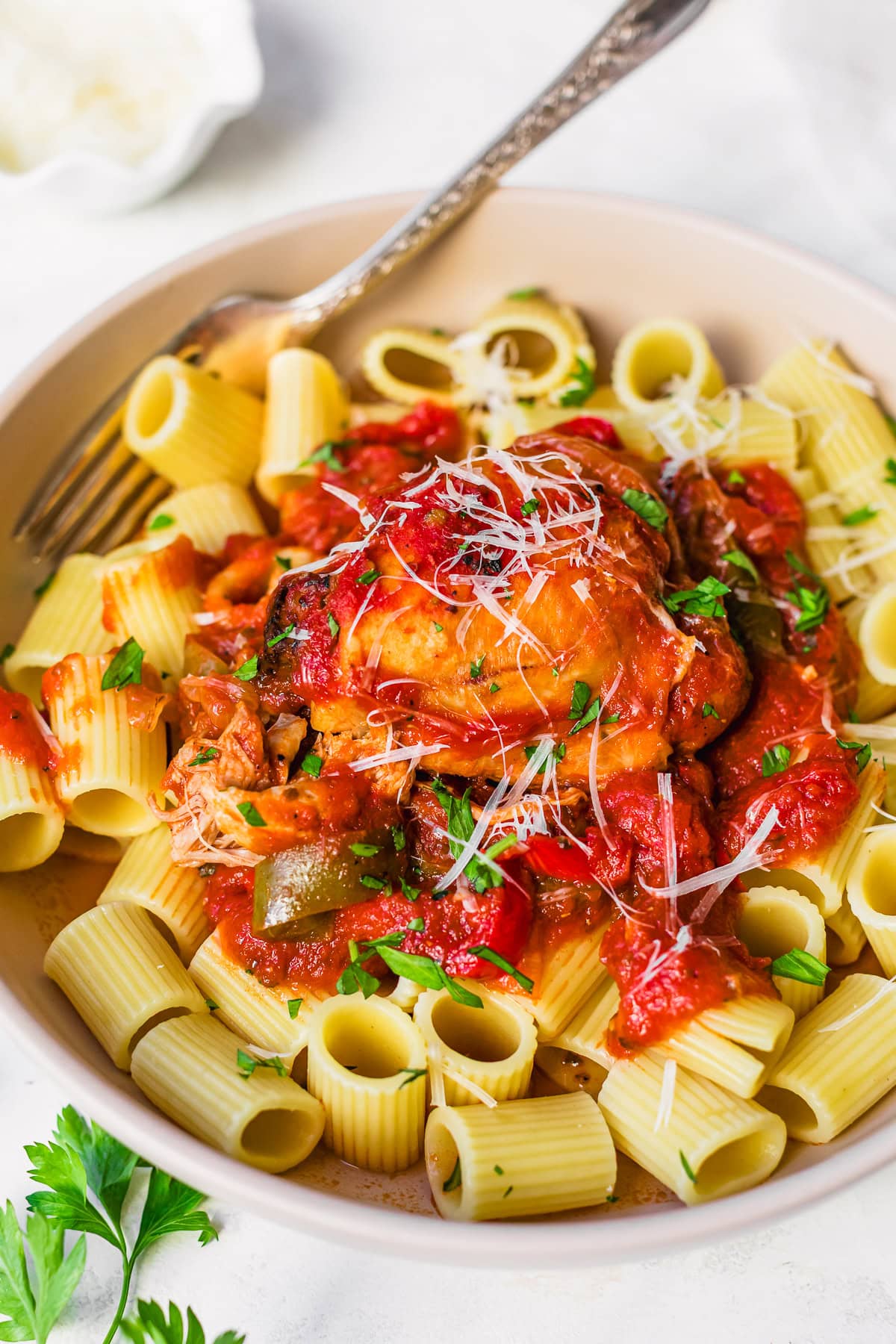
The Slow Cooker Chicken Cacciatore, as presented in its lighter form, offers a commendable nutritional profile, aligning with contemporary health-conscious eating patterns. Focusing on lean protein from chicken thighs, combined with a rich array of vegetables, contributes significantly to a balanced diet. A typical serving, comprising one chicken thigh, approximately half a cup of sauce, and associated vegetables, is reported to contain around 126.2 kilocalories. This modest caloric count makes it an excellent option for those managing weight or seeking nutrient-dense meals. The dish provides a substantial 13.9 grams of protein per serving, crucial for muscle repair, satiety, and overall bodily function. Carbohydrate content stands at approximately 9.2 grams, primarily derived from the vegetables and natural sugars in the tomatoes, contributing essential dietary fiber (around 0.6 grams) for digestive health. Fat content is kept low at 2.8 grams, with only 0.5 grams being saturated fat, making it a heart-healthy choice. Cholesterol levels are moderate at 57 mg, and sodium content at 271.6 mg per serving suggests a controlled approach to seasoning, allowing individuals to adjust to their preference. The presence of bell peppers and onions provides a wealth of vitamins (especially Vitamin C from peppers), minerals, and antioxidants, reinforcing the dish’s healthful attributes. The use of whole, unprocessed ingredients is a cornerstone of its appeal, offering transparency and control over what goes into the meal. This nutritional breakdown positions the slow cooker version of Chicken Cacciatore as a superior alternative to heavier, flour-dusted, and fried preparations, supporting dietary goals without compromising on the rich, satisfying flavors expected of the classic dish.
Preparation Methods: Efficiency Meets Flavor Development
The preparation of Slow Cooker Chicken Cacciatore offers two distinct pathways, each catering to varying levels of time commitment and desired flavor intensity. Both methods underscore the slow cooker’s core benefit: transforming raw ingredients into a complete meal with minimal active cooking time.

-
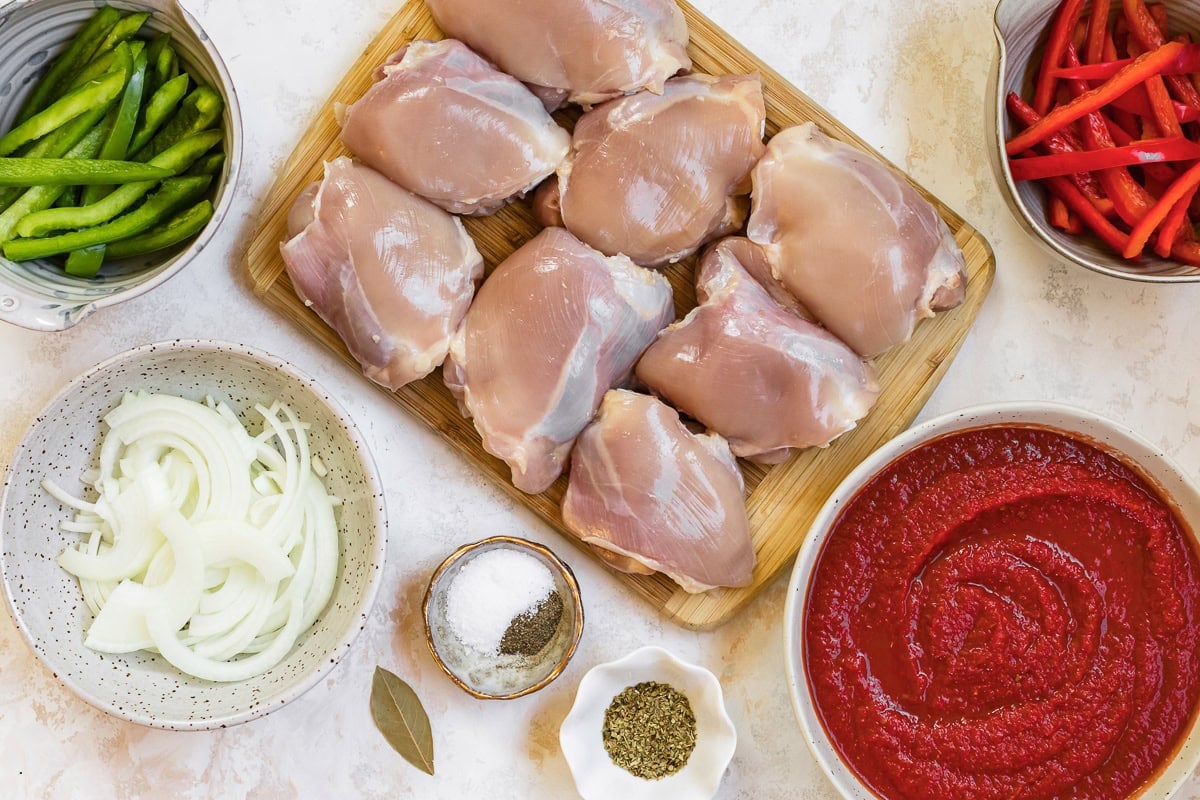
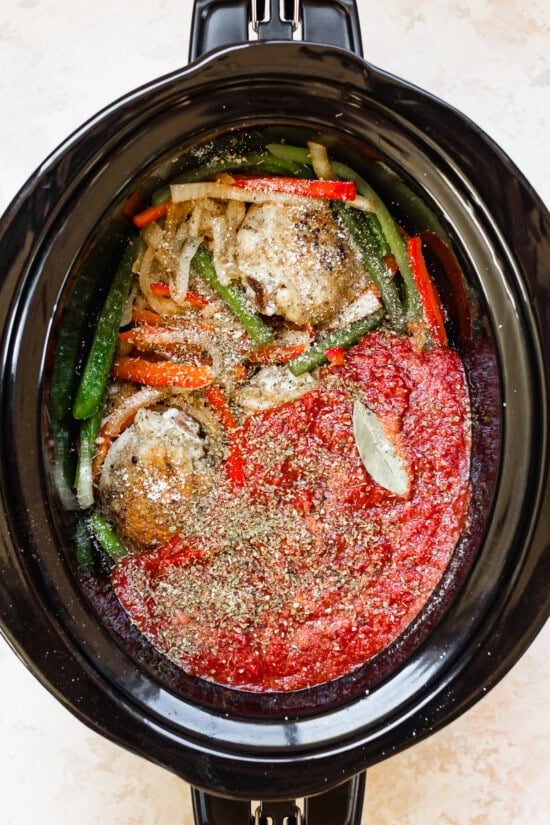
The Quick Method (Dump-and-Go): This approach prioritizes maximum convenience. All ingredients—chicken thighs, chopped bell peppers, onions, crushed tomatoes, herbs (oregano, bay leaf), salt, and pepper—are simply combined directly into the slow cooker. This method is ideal for exceptionally busy days, allowing for a swift assembly in the morning before leaving for work, with the promise of a fully cooked meal upon return. While incredibly easy, this method relies on the slow cooking process alone to meld flavors, resulting in a perfectly tender and flavorful dish that is slightly less complex than its browned counterpart. Cooking typically occurs on a LOW setting for 6 to 8 hours or a HIGH setting for 3 to 4 hours. This hands-off approach minimizes kitchen time, making it a popular choice for weeknight dinners.
-
The Enhanced Flavor Method (Browning and Sautéing): For those willing to invest an additional 15-20 minutes of initial preparation, this method significantly elevates the depth and complexity of the final dish. It involves a crucial preliminary step:
- Browning the Chicken: Seasoned bone-in chicken thighs are seared in a lightly oiled skillet over medium-high heat for a few minutes per side until golden brown. This process, known as the Maillard reaction, creates a rich, savory crust on the chicken, locking in juices and developing profound umami flavors that transfer to the final sauce. The browned chicken is then transferred to the slow cooker.
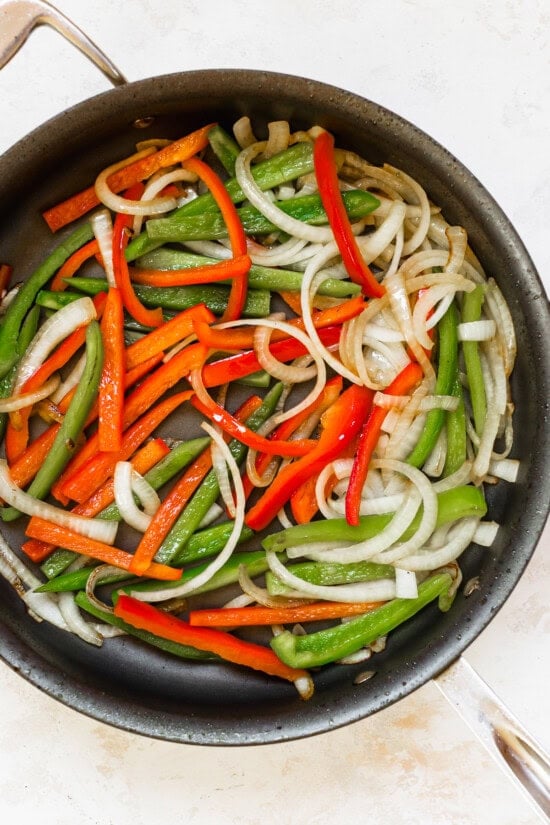
- Sautéing the Vegetables: In the same skillet, onions and bell peppers are sautéed until they soften, release their natural sugars, and begin to caramelize. This step concentrates their flavors and adds another layer of sweetness and depth to the sauce. Deglazing the pan with a splash of liquid (if desired, though not strictly necessary as vegetables release moisture) captures any flavorful fond left from the chicken. These sautéed vegetables are then added to the slow cooker with the chicken.
- Assembly and Slow Cook: The remaining ingredients—crushed tomatoes, oregano, bay leaf, salt, and pepper—are added to the slow cooker. The mixture is then cooked on LOW for 6 to 8 hours or HIGH for 3 to 4 hours. The initial browning and sautéing steps contribute significantly to a more robust, nuanced sauce and a richer overall taste experience, mimicking the initial stages of traditional braising. This method is favored by those who prioritize a deeper flavor profile and are able to allocate a small amount of extra time for prep work.
Both methods, while differing in preliminary steps, converge on the slow cooker’s ability to gently cook the ingredients to perfection, ensuring the chicken is fork-tender and the vegetables are soft and fully integrated into the flavorful sauce. The choice between the two methods ultimately depends on the cook’s available time and desired culinary outcome, with the enhanced method offering a noticeable boost in flavor complexity for a minimal additional effort.

Expert Culinary Perspectives on Slow Cooking Chicken Cacciatore
Culinary professionals and food writers frequently highlight the unique advantages of adapting classic braised dishes like Chicken Cacciatore to the slow cooker. The consistent, low heat of these appliances is paramount in achieving a tender texture in chicken thighs, which possess a higher fat content and connective tissue compared to leaner breasts. As food science dictates, low and slow cooking effectively breaks down collagen into gelatin, resulting in succulent meat that practically falls off the bone. This process is crucial for preventing the meat from drying out, a common challenge with faster cooking methods.
Furthermore, the sealed environment of a slow cooker minimizes liquid evaporation. This aspect is critical for Cacciatore, as the chicken and vegetables naturally release a significant amount of moisture during the long cooking process. Unlike stovetop versions where liquid might need to be replenished, a slow cooker concentrates these natural juices, intensifying the flavor of the tomato sauce without dilution. This also means that excessive broth or added water is often unnecessary, allowing the pure, unadulterated flavors of the primary ingredients to shine. "The beauty of slow cooking cacciatore," notes a prominent food blogger known for healthy adaptations, "is that it takes a time-honored dish and makes it accessible for everyday cooking without sacrificing the depth of flavor that traditionally comes from hours of careful tending. The gentle simmer allows all the components to truly meld, creating a harmonious sauce that tastes like it’s been simmering for days." This sentiment underscores the balance between tradition and convenience that the slow cooker provides, a key factor in its widespread adoption.
The importance of tasting and adjusting seasoning at the end of the cooking cycle is also a widely recognized piece of advice for slow cooker recipes. Flavors can sometimes become muted or concentrated differently over prolonged cooking periods. A final adjustment of herbs, salt, and pepper ensures the sauce achieves its optimal balance, a crucial step for any discerning chef or home cook. This final calibration ensures the dish reaches its full flavor potential, embodying the rustic yet refined essence of traditional cacciatore.
Serving Suggestions: Complementing the Richness
The inherent sauciness of Slow Cooker Chicken Cacciatore makes it an ideal candidate for pairing with a variety of starches and vegetables designed to absorb its rich, aromatic tomato sauce. The choice of accompaniment can transform the meal, catering to different preferences and dietary needs.

- Pasta: A classic pairing, pasta (such as spaghetti, penne, or rigatoni) provides a traditional Italian experience. The noodles act as perfect conduits for the robust sauce, ensuring every bite is saturated with flavor. Data from culinary institutes often highlights pasta as the most common accompaniment for Cacciatore due to its historical and cultural synergy.
- Polenta: Creamy polenta offers a comforting and rustic alternative. Its subtle corn flavor and smooth texture create a delightful contrast with the chunky, savory chicken and vegetables. This pairing is particularly popular in northern Italian cuisine.
- Rice: White or brown rice can serve as a simple yet effective base, absorbing the sauce and providing a neutral canvas that highlights the Cacciatore’s flavors. This is a common choice for those seeking a gluten-free option or a different textural experience.
- Spaghetti Squash: For a lighter, lower-carbohydrate option, spaghetti squash is an excellent choice. When cooked, its strands mimic pasta, providing a satisfying texture without the caloric density of traditional noodles, aligning with modern low-carb dietary trends.
- Cauliflower Rice: Another low-carb option, cauliflower rice provides a neutral base that soaks up the sauce beautifully, making the dish suitable for ketogenic or grain-free diets. Its subtle flavor does not overpower the Cacciatore.
- Crusty Bread: A staple at any Italian table, crusty bread is perfect for dipping into the leftover sauce, ensuring not a drop of its deliciousness goes to waste. A good quality sourdough or ciabatta enhances this experience.
- Steamed Vegetables: A side of simple steamed green beans, asparagus, or broccoli can add freshness and additional nutritional value, balancing the richness of the Cacciatore. These vibrant greens provide a textural contrast and a boost of vitamins.
- Side Salad: A crisp green salad with a light vinaigrette offers a refreshing counterpoint, cleansing the palate between savory bites. This adds a refreshing element, particularly during warmer months.
The adaptability of the dish to various accompaniments speaks to its versatility as a weeknight dinner or a more elaborate weekend meal, capable of satisfying diverse tastes and dietary requirements.
Storage and Freezing: Maximizing Convenience and Minimizing Waste
One of the practical benefits of slow-cooked meals like Chicken Cacciatore is their excellent suitability for meal prepping and future consumption. Proper storage ensures the preservation of flavor and safety, while freezing extends its lifespan significantly.
- Refrigeration: Leftover Slow Cooker Chicken Cacciatore should be transferred to an airtight container and refrigerated promptly within two hours of cooking. When stored correctly, it can maintain its quality for up to 3 to 4 days. Reheating is best done gently on the stovetop over medium-low heat, or in the microwave, until thoroughly heated through. A splash of water or broth can be added during reheating if the sauce has thickened too much. Food safety guidelines from national health organizations emphasize the importance of rapid cooling and proper refrigeration to inhibit bacterial growth.
- Freezing: For longer-term storage, Chicken Cacciatore freezes exceptionally well. Allow the dish to cool completely before transferring it to freezer-safe containers or heavy-duty freezer bags. Portioning into individual servings prior to freezing can make future meal preparation even more convenient. When properly sealed, the frozen Cacciatore can be stored for up to 3 months without significant loss of quality. To reheat from frozen, it is recommended to thaw the dish in the refrigerator overnight before gently reheating on the stovetop or in the microwave. Freezing does not compromise the texture of the chicken or the integrity of the sauce, making it an ideal candidate for batch cooking. This allows for efficient meal planning and reduces food waste, a growing concern for environmentally conscious consumers.
These storage guidelines contribute to the dish’s appeal as a practical, family-friendly option, reducing food waste and providing ready-to-eat meals on demand, aligning with the principles of sustainable home cooking.
Broader Culinary Impact and Implications
The continued popularity of recipes like Slow Cooker Chicken Cacciatore reflects several significant trends in contemporary culinary practices and consumer behavior. Firstly, it underscores a sustained demand for comfort food that offers both nostalgia and a sense of warmth, particularly in a fast-paced world. Classic dishes, reimagined for modern appliances, bridge the gap between traditional home cooking and the need for efficiency. This trend is often amplified during economic uncertainties or periods of increased stress, when familiar, hearty meals provide psychological comfort.
Secondly, the emphasis on a "lighter" version of Cacciatore, as championed by sources like Skinnytaste, highlights a broader societal shift towards healthier eating without sacrificing flavor. Consumers are increasingly seeking recipes that provide nutritional benefits while still delivering a satisfying culinary experience. The dish’s low-fat, high-protein, and vegetable-rich profile aligns perfectly with this trend, demonstrating that healthy eating does not necessitate blandness or deprivation. This aligns with public health initiatives promoting increased vegetable consumption and reduced saturated fat intake.
Finally, the adaptability of the recipe—from its two preparation methods to its diverse serving suggestions—speaks to the increasing desire for customization in home cooking. Modern cooks appreciate flexibility, allowing them to tailor meals to specific dietary requirements, time constraints, or personal preferences. This adaptability extends the dish’s reach, making it appealing to a wider audience, from busy parents to health-conscious individuals and those with specific dietary restrictions. The rise of culinary blogs and online recipe platforms has further democratized cooking, providing easy access to adaptable recipes that cater to this demand for personalized culinary experiences.
In essence, Slow Cooker Chicken Cacciatore is more than just a recipe; it is a culinary statement that marries historical gastronomic tradition with modern practicality
