

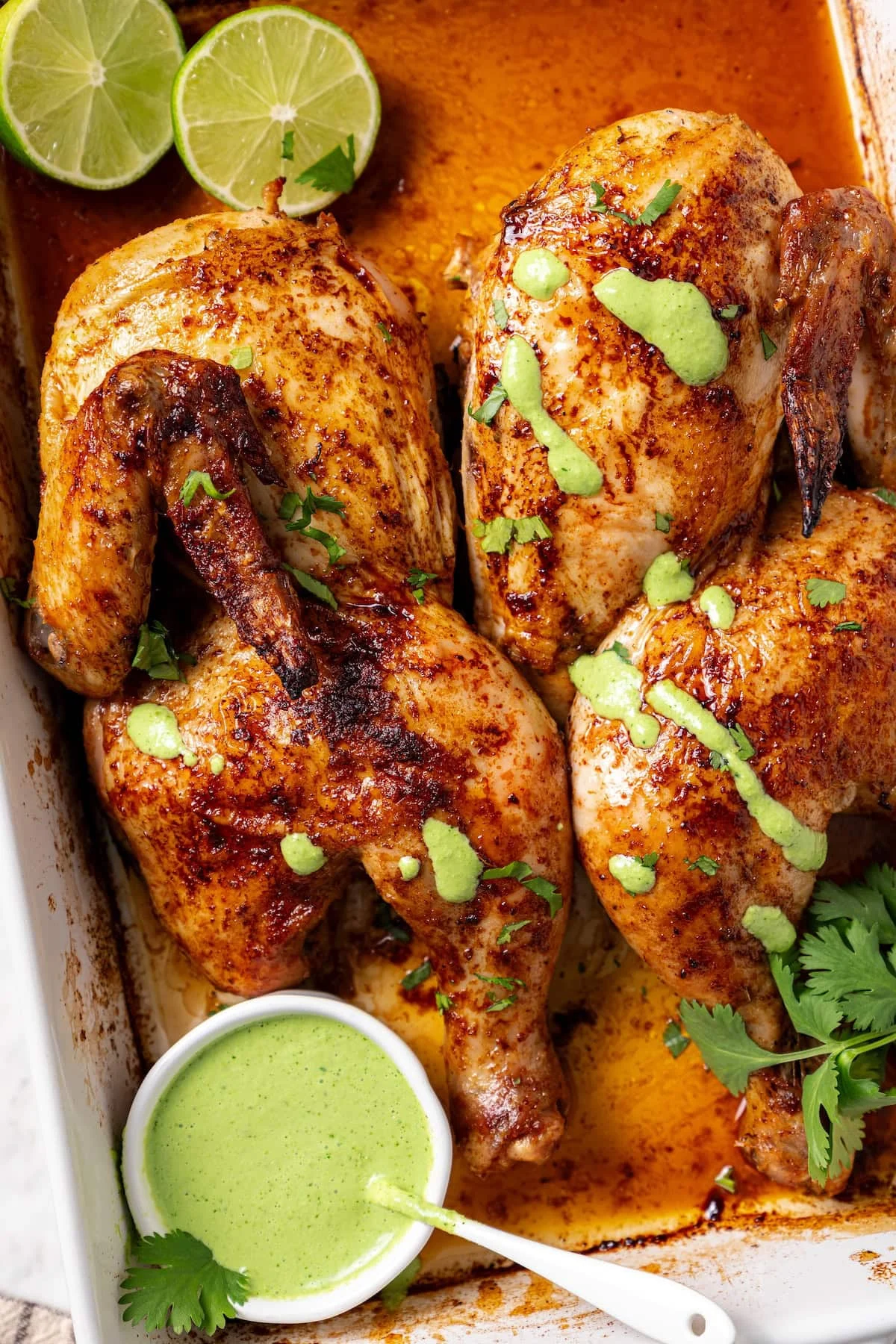
The complex, succulent flavors of Peruvian rotisserie chicken, famously known as Pollo a la Brasa, have long captivated diners worldwide, particularly those who have experienced the acclaimed rendition served at New York City’s venerable Pio Pio restaurants. For years, the secret behind the dish’s perfectly seasoned, juicy meat and crispy, golden skin, complemented by its enigmatic spicy Aji Verde sauce, remained largely confined to professional kitchens. However, a meticulously developed recipe from the popular culinary platform Skinnytaste has emerged, offering home cooks an authentic and achievable method to recreate this beloved restaurant-quality experience in their own kitchens, bypassing the need for specialized rotisserie equipment. This innovative approach not only demystifies a classic but also broadens the accessibility of Peruvian gastronomy to a wider audience of culinary enthusiasts.
The Enduring Legacy of Pollo a la Brasa
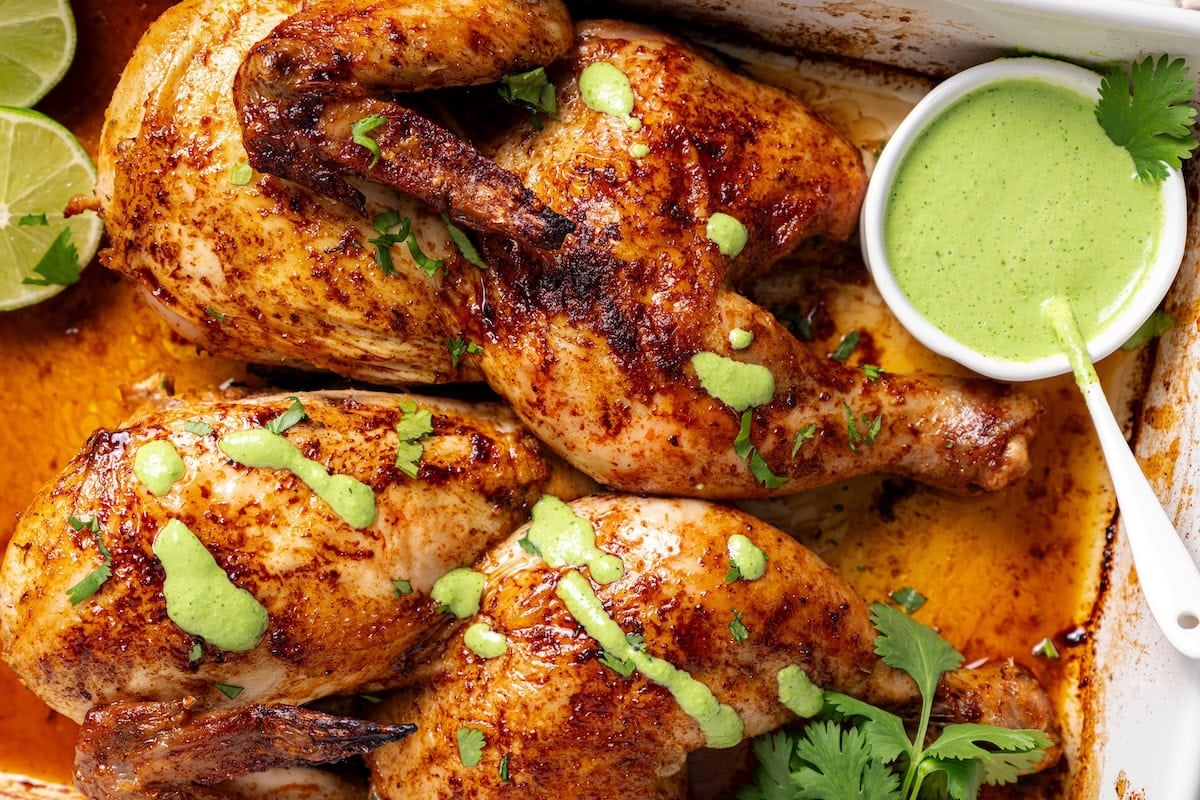
Pollo a la Brasa, or "chicken grilled over coals," holds a distinguished place in Peruvian culinary heritage, recognized as one of the nation’s most iconic and consumed dishes. Its origins trace back to the 1950s in Chaclacayo, a district east of Lima, where a Swiss immigrant named Roger Schuler, struggling with his chicken farm, devised a unique method of roasting chickens on a spit over algarrobo (carob) wood coals. This technique, coupled with a distinct marinade, resulted in a chicken unlike any other – deeply flavorful, incredibly tender, and boasting an irresistibly crispy skin. The dish rapidly gained popularity across Peru, transforming from a simple farm offering into a national culinary phenomenon. Today, Pollo a la Brasa is celebrated with its own national holiday, "Día del Pollo a la Brasa," every third Sunday of July, underscoring its profound cultural and gastronomic significance. Its appeal lies in its deceptively simple presentation, masking a sophisticated interplay of savory spices, herbs, and precise cooking methods that yield a consistently satisfying meal. The dish represents a cornerstone of Peruvian comfort food, often enjoyed in family gatherings and celebrations, signifying community and culinary tradition.
Pio Pio: A New York Institution
In the bustling culinary landscape of New York City, Pio Pio has carved out a formidable reputation as the quintessential destination for authentic Peruvian cuisine, particularly its legendary Pollo a la Brasa. Since its establishment, Pio Pio has expanded into multiple locations, becoming synonymous with the dish for countless New Yorkers and visitors alike. The restaurant’s success can be attributed not only to the consistent quality of its rotisserie chicken but also to the vibrant, welcoming atmosphere it cultivates, often accompanied by pitchers of sangria and generous portions of traditional sides. Food critics and patrons frequently laud Pio Pio for capturing the true essence of Peruvian flavors, an achievement that has significantly contributed to the broader popularization of Peruvian gastronomy in the United States. The allure of their Pollo a la Brasa stems from a closely guarded recipe for its marinade and the specific charcoal rotisserie technique, which imparts a smoky depth and unparalleled texture. This consistent excellence has fostered a loyal following, making Pio Pio a benchmark for Peruvian chicken and setting a high standard for any home cook aspiring to replicate its magic.
The Culinary Challenge: Replicating Restaurant Authenticity at Home
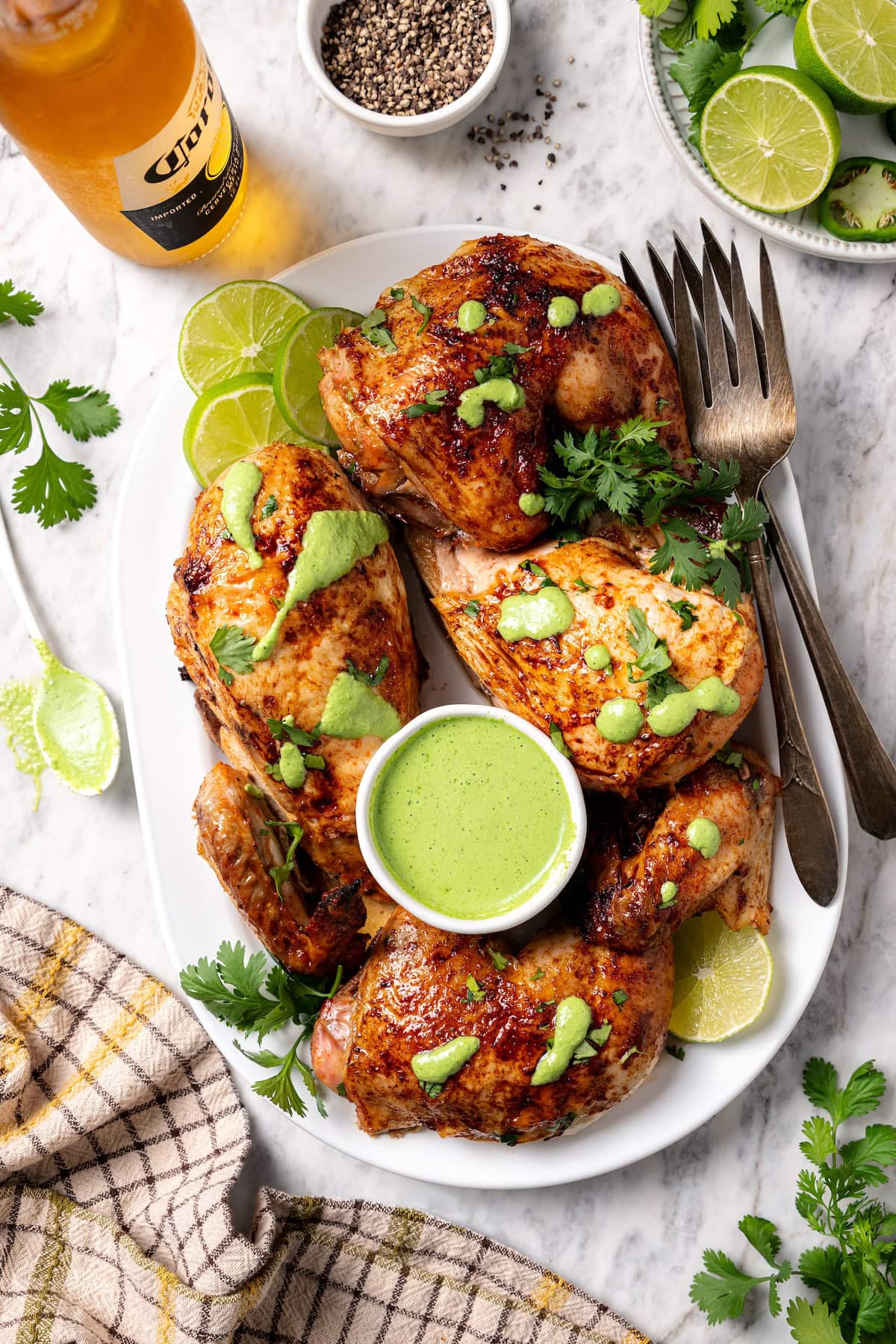
The endeavor to replicate a restaurant’s signature dish at home often presents a formidable challenge. Professional kitchens typically benefit from specialized equipment, carefully sourced ingredients, and proprietary techniques honed over years. In the case of Pollo a la Brasa, the charcoal rotisserie is a critical element, providing uniform cooking, self-basting action, and a distinct smoky char that is difficult to achieve in a conventional home oven. Recognizing this gap, Gina Homolka, the acclaimed founder of Skinnytaste, undertook the ambitious task of developing an oven-roasted Peruvian chicken recipe that could authentically capture the essence of Pio Pio’s beloved creation. Her objective was to deliver the same succulent meat, crispy skin, and complex flavor profile, all while making it accessible to the average home cook without compromising on taste or quality. This initiative aligns with a broader trend in contemporary home cooking, where culinary enthusiasts increasingly seek to recreate restaurant experiences, driven by a desire for authenticity, control over ingredients, and the satisfaction of mastering complex dishes. The development process involved extensive experimentation, focusing on marinade composition, optimal roasting temperatures, and techniques to maximize skin crispness and internal juiciness.
Skinnytaste’s Innovative Approach to Peruvian Roasted Chicken

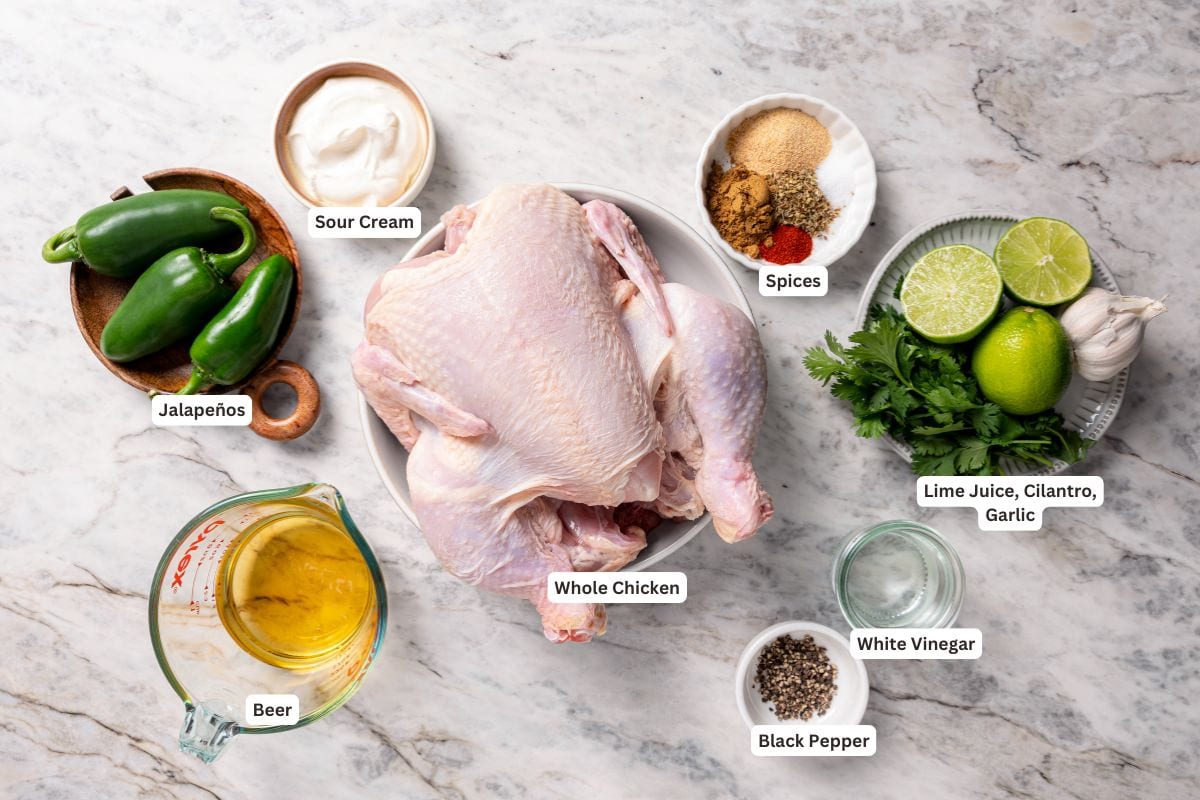
The Skinnytaste recipe for Peruvian Roasted Chicken stands out for its ingenious adaptation of traditional methods for the home kitchen. At its core, the recipe emphasizes a crucial overnight marination period, a technique that allows the chicken to fully absorb the rich blend of spices and herbs. This extended marination is key to achieving the deep flavor penetration and tender texture characteristic of Pollo a la Brasa. The marinade itself is a carefully balanced concoction, designed to mimic the complex, savory, and slightly tangy notes found in restaurant versions.
To compensate for the absence of a rotisserie, the recipe employs an oven-roasting method, specifically instructing cooks to split the whole chicken in half. This seemingly simple alteration is a strategic move, ensuring that a greater surface area of the chicken skin is exposed to direct heat, promoting maximum crispiness and an even, golden-brown finish. The controlled environment of an oven, when properly managed, can simulate the radiant heat of a rotisserie, cooking the chicken uniformly while locking in moisture. The resulting chicken is described as "juicy marinated meat with crispy, golden skin," a testament to the recipe’s effectiveness in delivering on the high expectations set by its restaurant inspiration. The preparation time for the marinade and chicken is notably brief, estimated at just 10 minutes, with the primary work being the overnight refrigeration, making the active cooking process manageable for busy individuals. The total preparation, including marination and cooking, spans approximately seven hours, highlighting the importance of patience for optimal flavor development.
The Indispensable Aji Verde Sauce

No Pollo a la Brasa experience is complete without its iconic accompaniment: the vibrant and spicy Aji Verde sauce. This creamy green sauce is not merely a condiment; it is an integral component that elevates the entire dish, providing a fresh, piquant counterpoint to the rich chicken. Traditionally, the exact recipe for Aji Verde is a closely guarded secret among Peruvian restaurants, and Pio Pio’s version is particularly renowned for its unique balance of heat, creaminess, and herbaceous notes.
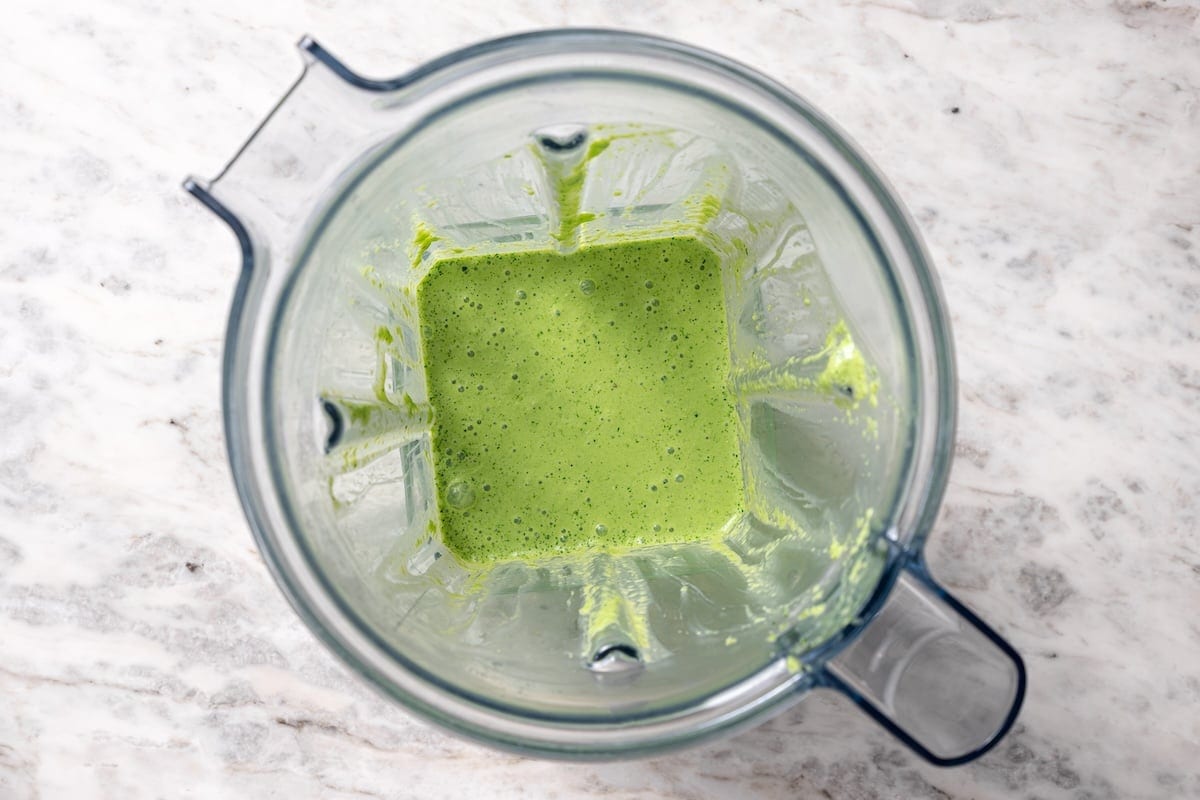
Gina Homolka’s rendition of the Aji Verde sauce has been lauded by readers as "the closest I’ve tasted in a homemade version," a significant achievement given the sauce’s elusive nature. The sauce typically features a blend of Peruvian aji amarillo peppers (or a substitute like jalapeños for accessibility), cilantro, garlic, lime juice, and a creamy base often derived from mayonnaise or sour cream. The Skinnytaste recipe simplifies the process, requiring only the blending of all ingredients in a food processor or blender until smooth. This straightforward approach allows home cooks to prepare a fresh, flavorful sauce that perfectly complements the roasted chicken. The sauce’s versatility extends beyond chicken; it can be used as a dip for fries, a drizzle over other grilled meats, vegetables, tacos, beans, or even integrated into dishes like sweet potato black bean bowls, showcasing its adaptability and appeal. The sauce is ready for immediate consumption and can be stored in the refrigerator for up to a week, making it a convenient staple for enhancing various meals.
Reader Endorsements and Culinary Community Impact
The Skinnytaste Peruvian Roasted Chicken recipe has resonated deeply within the home cooking community, garnering enthusiastic praise for its authenticity and ease of preparation. One reader, identified as Jewel, provided a glowing testimonial, stating, "This is such a delicious recipe. I love Pio Pio and this great recipe gives me all of the same flavors right at home. The aji verde sauce is terrific as well. I have been making both for some years now. Thank you, Gina!" Such direct feedback underscores the recipe’s success in meeting its objective: delivering a genuine restaurant-quality experience without the need for specialized equipment or professional culinary training.
This type of positive reception highlights the growing influence of food blogs and online culinary platforms in democratizing gourmet cooking. By breaking down complex restaurant dishes into manageable, step-by-step instructions, these platforms empower home cooks to explore diverse cuisines and expand their culinary repertoire. The community engagement, often through comments and shared experiences, further reinforces the value of such recipes, fostering a sense of shared accomplishment and collective culinary exploration. The ability to replicate a cherished dish like Pio Pio’s Pollo a la Brasa at home not only provides a delicious meal but also offers a sense of connection to a broader cultural food narrative, making international flavors more accessible and less intimidating.
Achieving Perfection: Cooking Techniques and Doneness
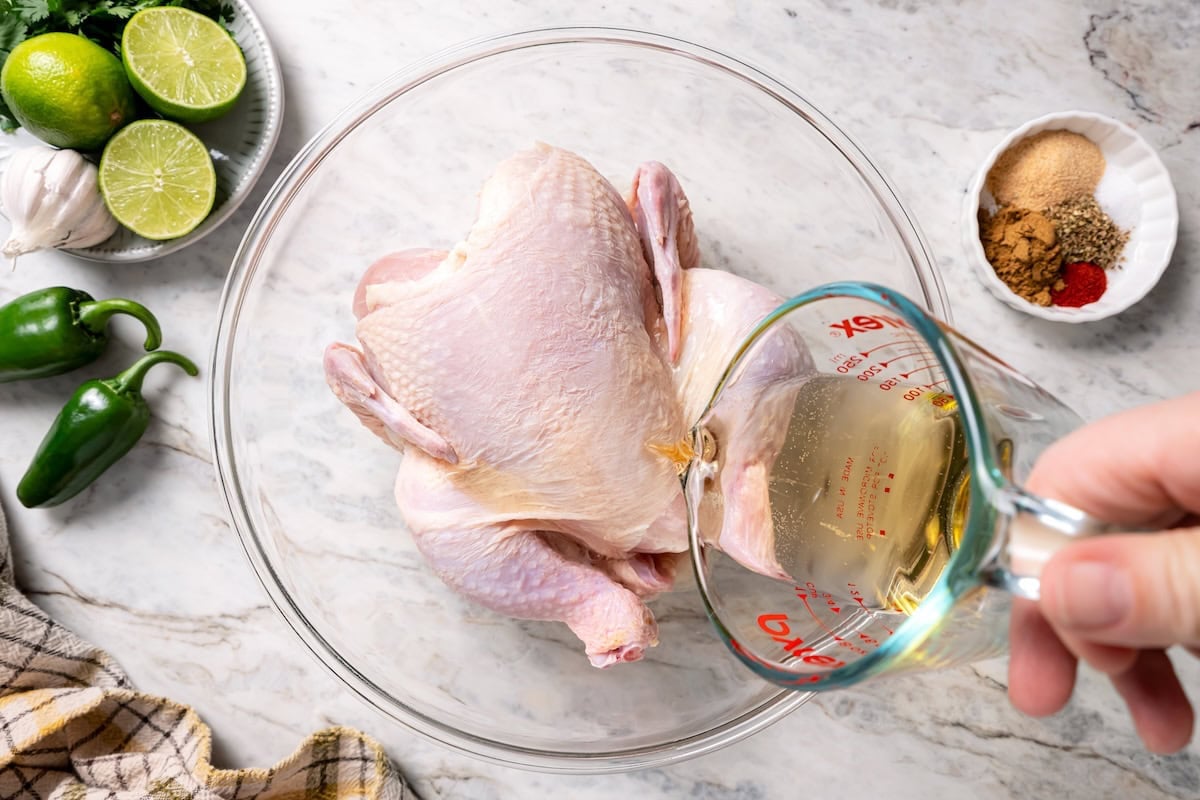
For optimal results, the Skinnytaste recipe emphasizes several key cooking techniques and offers crucial guidance on ensuring proper doneness. The primary cooking method involves oven roasting a whole chicken, halved to maximize crispy skin. While the specific temperature and cooking duration are detailed in the recipe card, the general approach involves a period of high heat to crisp the skin, followed by a lower temperature to ensure the chicken cooks through evenly without drying out.
A critical aspect of poultry preparation is ensuring it reaches a safe internal temperature. The most reliable method, as advised, is using an instant-read thermometer. The chicken is considered done when the thickest parts of both the breast and thigh, avoiding contact with the bone, register 165°F (74°C). This precise temperature ensures food safety while preserving the chicken’s juiciness. After roasting, a resting period of 5 to 10 minutes is recommended before carving. This allows the muscle fibers to relax and the internal juices to redistribute throughout the meat, resulting in a more tender and flavorful final product. Rushing this step can lead to a drier chicken, as the juices would escape immediately upon carving.
Alternative Cooking Methods and Serving Suggestions
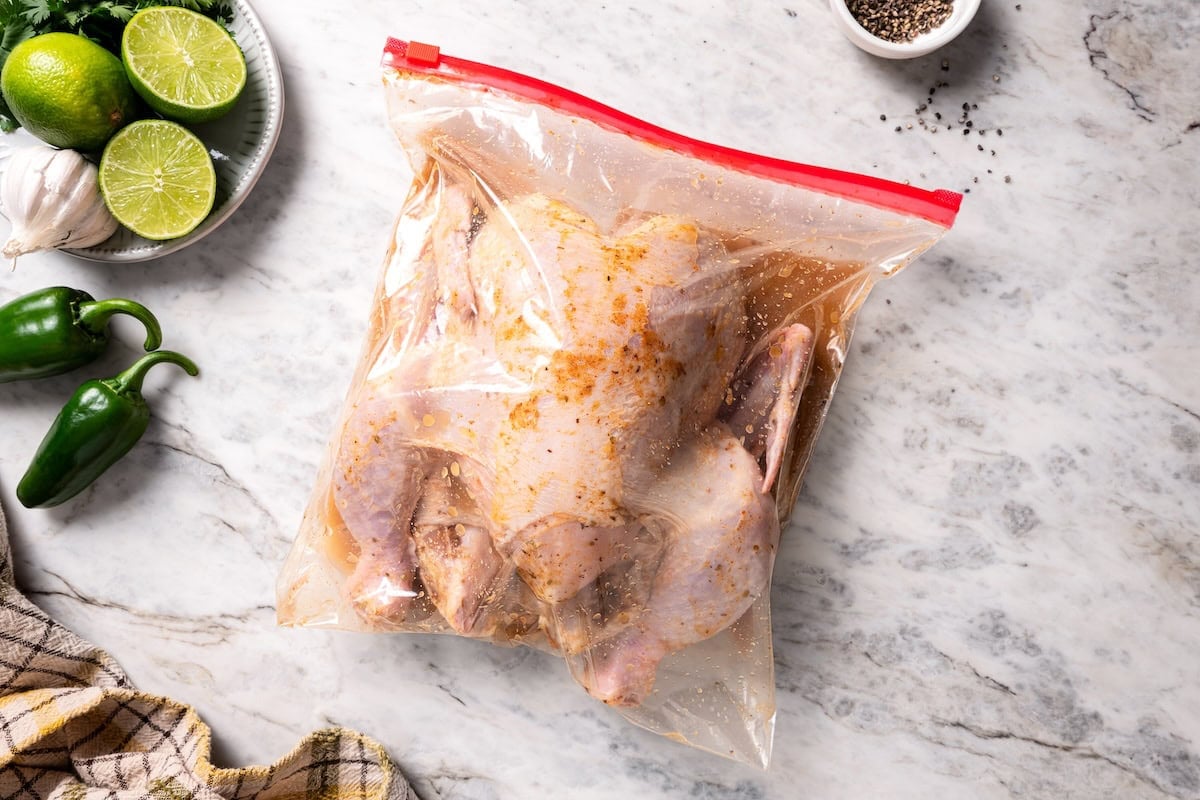
Beyond oven roasting, the versatility of the Peruvian chicken marinade allows for alternative cooking methods, catering to different preferences and equipment availability. Many readers have successfully adapted the recipe for grilling, which offers an excellent way to introduce the smoky, char-grilled flavors reminiscent of traditional Pollo a la Brasa prepared over coals. When opting for grilling, it is recommended to divide the whole chicken into individual pieces (or purchase pre-cut parts) before marinating. This ensures more even cooking on the grill and allows for better control over the charring process. Grilling also provides a different textural experience, often yielding a slightly firmer, yet still juicy, chicken with distinct grill marks.
The finished Peruvian Roasted Chicken, whether oven-roasted or grilled, pairs exquisitely with a variety of side dishes. Traditional Peruvian accompaniments often include rice and beans, which provide a comforting and hearty base. For a lighter fare, an avocado salad offers a refreshing contrast, while air fryer tostones (twice-fried plantains) add a delightful crunch and sweetness. The flexibility of these pairings allows cooks to tailor the meal to their personal tastes and dietary preferences, making it suitable for both casual weeknight dinners and more elaborate gatherings.
Nutritional Profile and Health Considerations
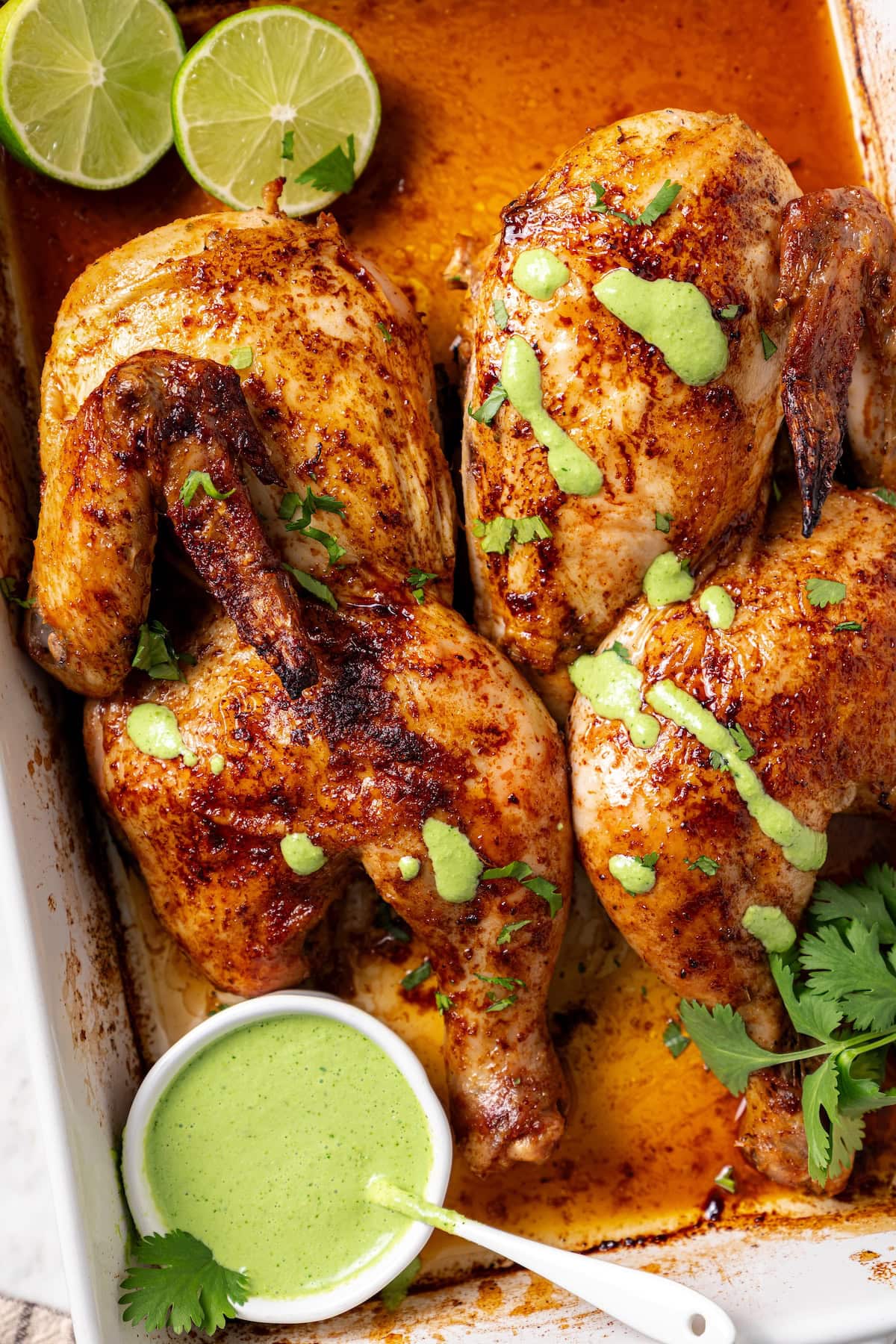
In line with the Skinnytaste philosophy of providing lighter, healthier versions of beloved dishes, the Peruvian Roasted Chicken recipe offers a detailed nutritional breakdown. Based on a serving size of four ounces of cooked chicken breast with skin, accompanied by a quarter of the Aji Verde sauce, the dish provides approximately 335 calories. It is notable for its high protein content (34 grams) and moderate fat (17 grams), with a relatively low carbohydrate count (5 grams). The recipe also provides figures for saturated, polyunsaturated, and monounsaturated fats, along with cholesterol, sodium, potassium, fiber, and sugar content. These metrics are valuable for individuals monitoring their dietary intake, offering transparency and enabling informed choices.
The inclusion of such detailed nutritional information is a hallmark of modern recipe development, catering to a health-conscious audience that prioritizes both flavor and well-being. While the "skinny" aspect of the site name suggests a focus on reduced calories or fat, the emphasis here is on balanced nutrition and mindful eating, ensuring that a flavorful, satisfying meal can also fit into a healthy lifestyle. The recipe demonstrates that indulging in rich, international flavors does not necessarily mean compromising on nutritional goals, reinforcing the idea that delicious food can indeed be good for you.
Storage and Reheating Best Practices
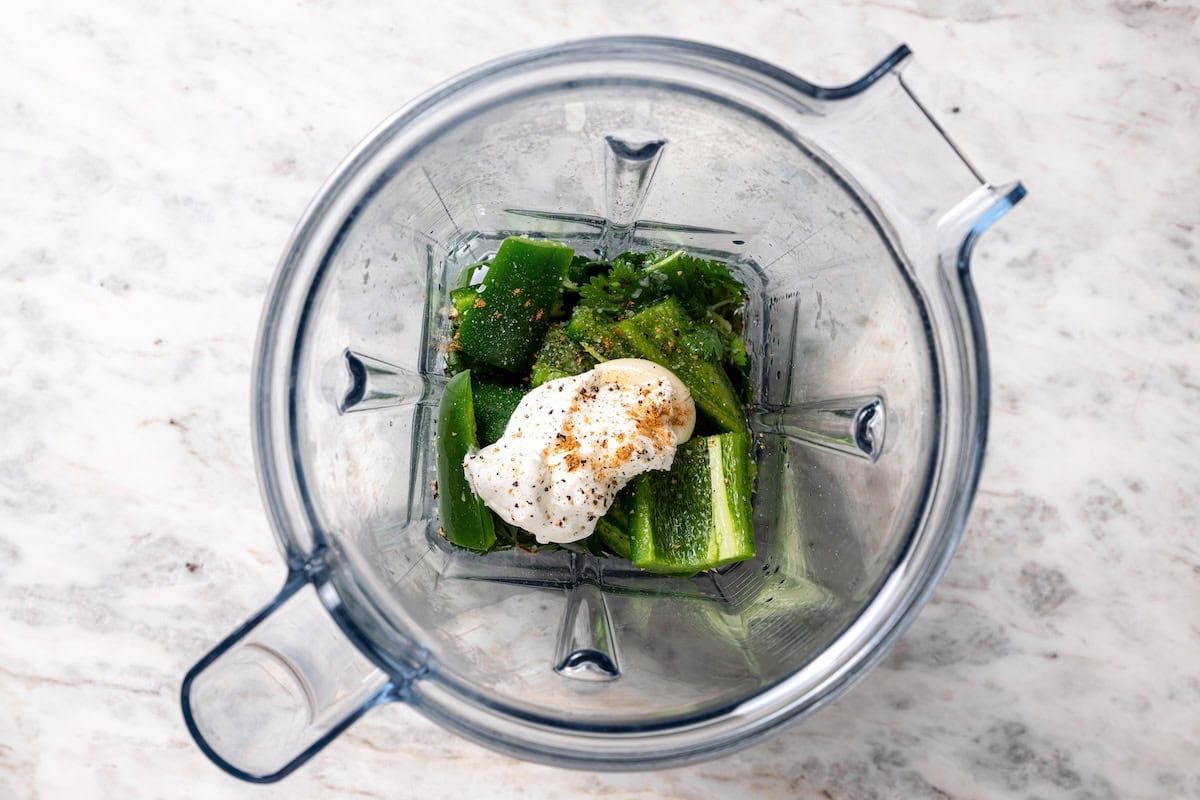
Effective storage and reheating practices are essential for maximizing the longevity and enjoyment of leftovers, minimizing food waste, and ensuring food safety. For the Peruvian Roasted Chicken, any leftover chicken should be allowed to cool completely before being stored in an airtight container in the refrigerator. When properly stored, the cooked chicken can maintain its quality for up to three to four days. This makes it an excellent option for meal prepping, allowing individuals to enjoy the delicious flavors over several days.
When reheating, various methods can be employed to best preserve the chicken’s texture and moisture. Reheating in the oven at a moderate temperature (around 300-325°F or 150-160°C) until warmed through is often recommended for larger pieces, as it helps prevent the chicken from drying out and can help re-crisp the skin slightly. For smaller portions or shredded chicken, a microwave can be used, though it may result in a softer skin texture. Alternatively, reheating on a stovetop in a covered pan with a splash of broth can also help maintain moisture. The Aji Verde sauce, stored separately in an airtight container, will remain fresh in the refrigerator for up to one week, ready to be served alongside reheated chicken or utilized in other culinary applications.
Broader Culinary Implications
The successful adaptation of Pio Pio’s Pollo a la Brasa for home cooks by Skinnytaste reflects several broader trends in the contemporary culinary world. Firstly, it underscores the increasing global palate of home cooks, who are no longer content with traditional Western fare but actively seek out authentic international flavors. This demand is fueled by travel, cultural exchange, and the pervasive influence of digital media, which exposes individuals to diverse gastronomic traditions. Secondly, it highlights the democratizing power of online recipe platforms and food bloggers, who serve as invaluable bridges between professional culinary secrets and the amateur kitchen. By meticulously testing, adapting, and clearly articulating complex recipes, these platforms empower individuals to achieve professional-level results at home, fostering culinary confidence and skill development.
Furthermore, this recipe contributes to the economic advantages of home cooking. Recreating a restaurant meal at a fraction of the cost provides significant financial benefits, especially in an era where dining out can be an expensive endeavor. It also offers control over ingredients, catering to dietary restrictions, health preferences, and ethical sourcing concerns. Ultimately, the Skinnytaste Peruvian Roasted Chicken recipe is more than just a set of instructions; it is a testament to culinary innovation, cultural appreciation, and the enduring joy of sharing delicious, authentic food, proving that the vibrant spirit of Peruvian cuisine can truly flourish anywhere.
