

The sixth installment of Food Network’s high-stakes culinary competition, Pitmasters, delivered a pivotal turning point for the remaining contestants as they transitioned from the grueling technicality of the Core Four challenge to a community-focused Big Burn event. As the series approaches its final stages, the pressure on the teams has mounted, requiring a delicate balance between traditional barbecue mastery and innovative flavor profiles. Episode 6 served as a comprehensive test of endurance, strategy, and adaptability, ultimately resulting in the departure of a prominent team and the redistribution of the competitive standings.
The Conclusion of the Core Four: The Brisket Turn-In
The episode opened by resolving the cliffhanger from the previous week, focusing on the final protein of the "Core Four" challenge: the brisket. In the world of competitive barbecue, brisket is widely considered the most difficult meat to master, requiring precise temperature control and fat rendering over an extended period. For this challenge, teams were tasked with delivering their final product at the 12-hour mark. The stakes were high, with $1,000 awarded to the winner of the brisket round and a $3,000 bonus for the team with the highest cumulative score across all four Core Four proteins.

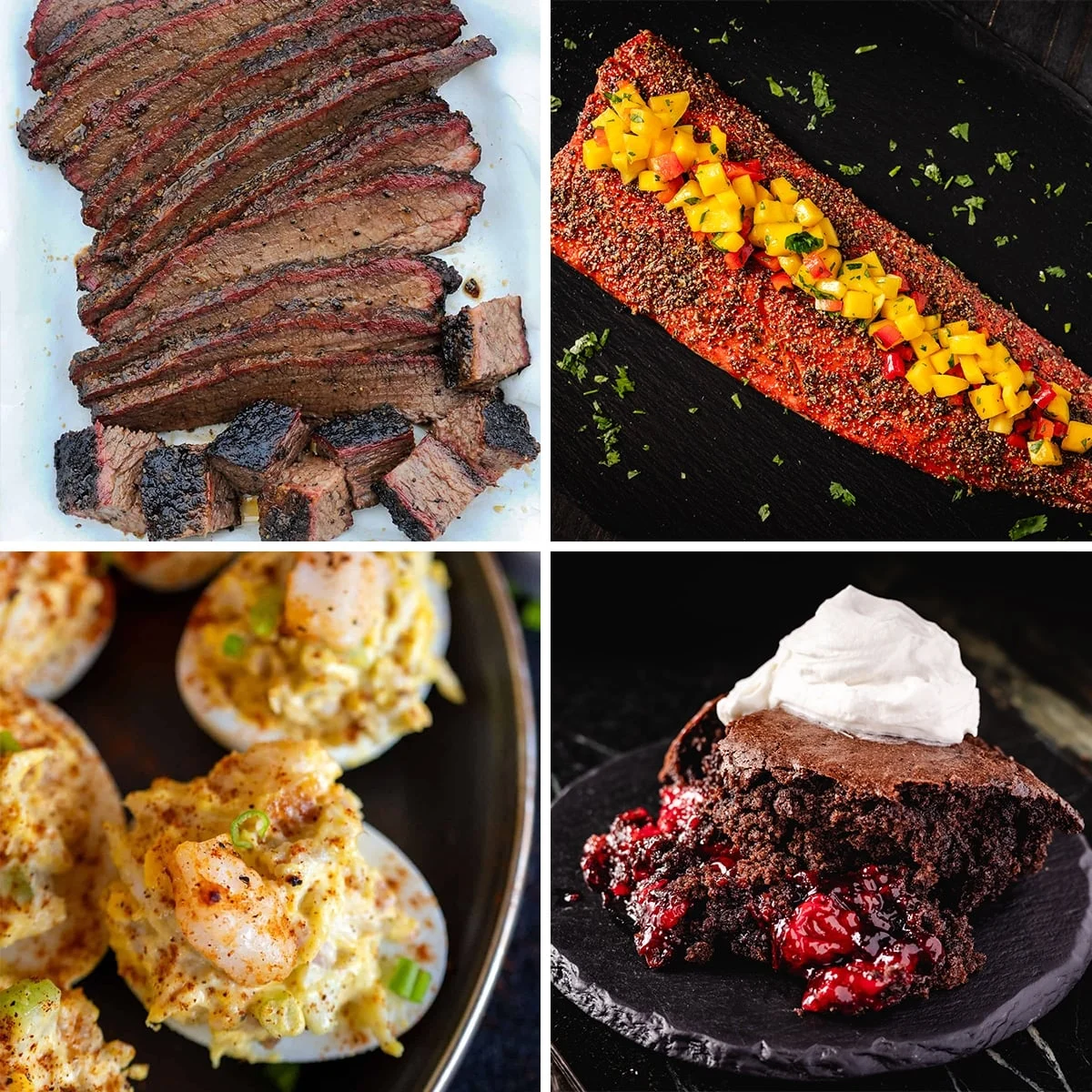
Contestants Susie Bulloch of Hey Grill Hey and Christie Vanover of Girls Can Grill faced a significant tactical decision. Given the constraints of the live fire and the remaining time, the duo opted for a "hot and fast" brisket method rather than the traditional "low and slow" approach. This technique, which involves cooking at higher temperatures (often between 300°F and 350°F) to accelerate the breakdown of connective tissue, was developed by Vanover to maintain consistency in high-pressure environments. To achieve a traditional bark—the dark, flavorful crust prized by pitmasters—the team finished their brisket directly over the live flames.
Despite the technical execution, the judging panel, led by host Andrew Zimmern, offered mixed reviews on the Bulloch-Vanover entry. The brisket round was ultimately awarded to the team of Esaul and Grecia, whose traditional approach resonated more strongly with the judges’ palates. When the cumulative scores for the Core Four were tallied, a tie emerged for the overall lead between the teams of Matt & Max and Esaul & Grecia. Although Bulloch and Vanover did not secure an individual round win, data later revealed they maintained the second-highest total score across the entire challenge, a position known in the barbecue circuit as the Reserve Grand Champion.
Roster Changes and the Emotional Toll of Competition
The conclusion of the Core Four challenge necessitated an elimination, marking a somber moment for the cast. Based on the aggregate scoring and technical performance, Denzel and Reggie were eliminated from the competition. The departure highlighted the psychological demands of the show; by the sixth episode, contestants had spent several days in close quarters, often operating on minimal sleep while contending with the physical exhaustion of managing wood-fired pits.

Host Andrew Zimmern noted the evolution of the group’s dynamic, observing that the competitors had formed a cohesive unit despite the adversarial nature of the show. This "family" atmosphere is a common trope in reality television, yet in the context of professional barbecue, it reflects the real-world community of the Kansas City Barbeque Society (KCBS) and other sanctioning bodies, where "barbecue brothers" often share tips and resources between rounds.
The Big Burn: Transitioning to Backyard BBQ
Following the elimination, the remaining teams were introduced to a new "Big Burn" challenge designed to test their ability to cook for a crowd. Titled "Backyard BBQ," the challenge required teams to prepare one primary protein and two side dishes. Unlike previous rounds, the contestants would be judged not only by the official panel but also by their fellow competitors. The incentive for this round was a $5,000 cash prize.
In a rare reprieve from the standard format, the producers allowed the contestants to rest before beginning the cook. This shift in the production timeline was significant, as sleep deprivation is a known factor in culinary errors during long-form barbecue competitions. The "Backyard BBQ" theme also signaled a shift in judging criteria, moving away from the rigid technical standards of "box" turn-ins and toward the soulful, approachable flavors associated with home cooking and family gatherings.

Strategic Menu Development: Bulloch and Vanover’s Approach
For the Backyard BBQ challenge, Bulloch and Vanover pivoted from traditional barbecue staples to a menu inspired by personal family favorites. Their strategy focused on brightness and texture, contrasting the heavy, smoke-laden flavors of the previous rounds.
-
The Protein: Dry Rub Salmon with Mango Salsa.
The team utilized a live-fire version of Bulloch’s signature cedar-plank salmon. The dry rub featured a complex profile of brown sugar, black pepper, coarse sea salt, dried basil, garlic powder, smoked paprika, and lime zest. This combination was intended to provide a sweet and smoky crust that complemented the fatty richness of the fish. The dish was finished with a fresh salsa of mango, roasted red bell pepper, cilantro, and lime juice to provide acidity and a temperature contrast. -
Side Dish One: Seafood Salad Deviled Eggs.
Vanover led the preparation of an elevated deviled egg, a staple of American outdoor dining. The recipe involved grilling shrimp over smoke before dicing and folding it into a mixture of crab meat, minced celery, shallots, mayonnaise, and mustard. The yolks were incorporated back into the seafood base to create a rich filling. The preparation of the eggs proved labor-intensive under field conditions, but the team prioritized the dish for its nostalgic value.
-
Side Dish Two: Mountain Berry Chocolate Cake.
For the final component, the team prepared a Dutch oven cobbler-style cake. This dessert, a frequent request from Bulloch’s family, consisted of a berry filling topped with a chocolate batter. When baked in a cast-iron Dutch oven over coals, the batter develops a chewy, crackly crust while maintaining a gooey interior.
Judging Analysis and Peer Review
The judging for the Big Burn was conducted in a communal setting, where teams shared a meal and evaluated one another’s work. This peer-review format provided a unique data point for the competition, as professional pitmasters often have different priorities than television judges. While the atmosphere among the contestants was one of mutual support and genuine appreciation for the diverse menus, the official judging panel remained characteristically stringent.
During the private deliberation, the judges were notably critical of the Mountain Berry Chocolate Cake. The critique centered on the texture and the ambitious nature of baking a chocolate-based dessert in a high-heat, outdoor environment. While the team defended their choice as an authentic representation of a "backyard" experience, the judges’ feedback underscored the difficulty of satisfying professional culinary standards within a theme that encourages simplicity.

Broader Implications and the Evolution of Competitive Barbecue
The events of Episode 6 reflect broader trends within the American culinary landscape. The "hot and fast" brisket method employed by Bulloch and Vanover is part of a growing movement in the barbecue world that challenges the "low and slow" orthodoxy. This shift is driven by the need for efficiency in commercial restaurant settings and the increasing technical proficiency of modern pits.
Furthermore, the inclusion of salmon and seafood-based sides in a "Pitmasters" challenge highlights the expanding definition of barbecue. While the sport was once dominated by the "Trinity" (brisket, ribs, and pork), modern competitions and television programs are increasingly embracing diverse proteins and global flavors. This evolution is essential for the longevity of the genre, as it attracts a wider audience and reflects the actual diversity of American outdoor cooking.
The $5,000 prize for the Backyard BBQ round was ultimately awarded to a team that successfully balanced the technical requirements of smoke infusion with the approachable "comfort food" requirements of the prompt. While Bulloch and Vanover did not secure the financial windfall, their performance solidified their reputation for consistency and creative menu planning.

Conclusion and Outlook
As Pitmasters moves toward its season finale, the field has been winnowed down to the most resilient and versatile teams. Episode 6 demonstrated that technical skill alone is insufficient; teams must also possess the emotional intelligence to cook for an audience and the strategic foresight to manage their resources over several days.
The remaining contestants now face an increasingly narrow margin for error. With the Core Four concluded and the community challenges underway, the focus will likely shift to high-concept "showstopper" dishes that test the limits of what can be achieved with wood, fire, and smoke. For the viewers and the industry at large, the show continues to serve as a high-profile gallery for the artistry of barbecue, proving that even in a backyard setting, the stakes of the pit are ever-present.
New episodes of Pitmasters continue to air on Food Network, with streaming available on HBO Max and Discovery+. The competition remains a central fixture in the network’s seasonal programming, drawing significant viewership and highlighting the enduring popularity of live-fire cooking in American culture.
