

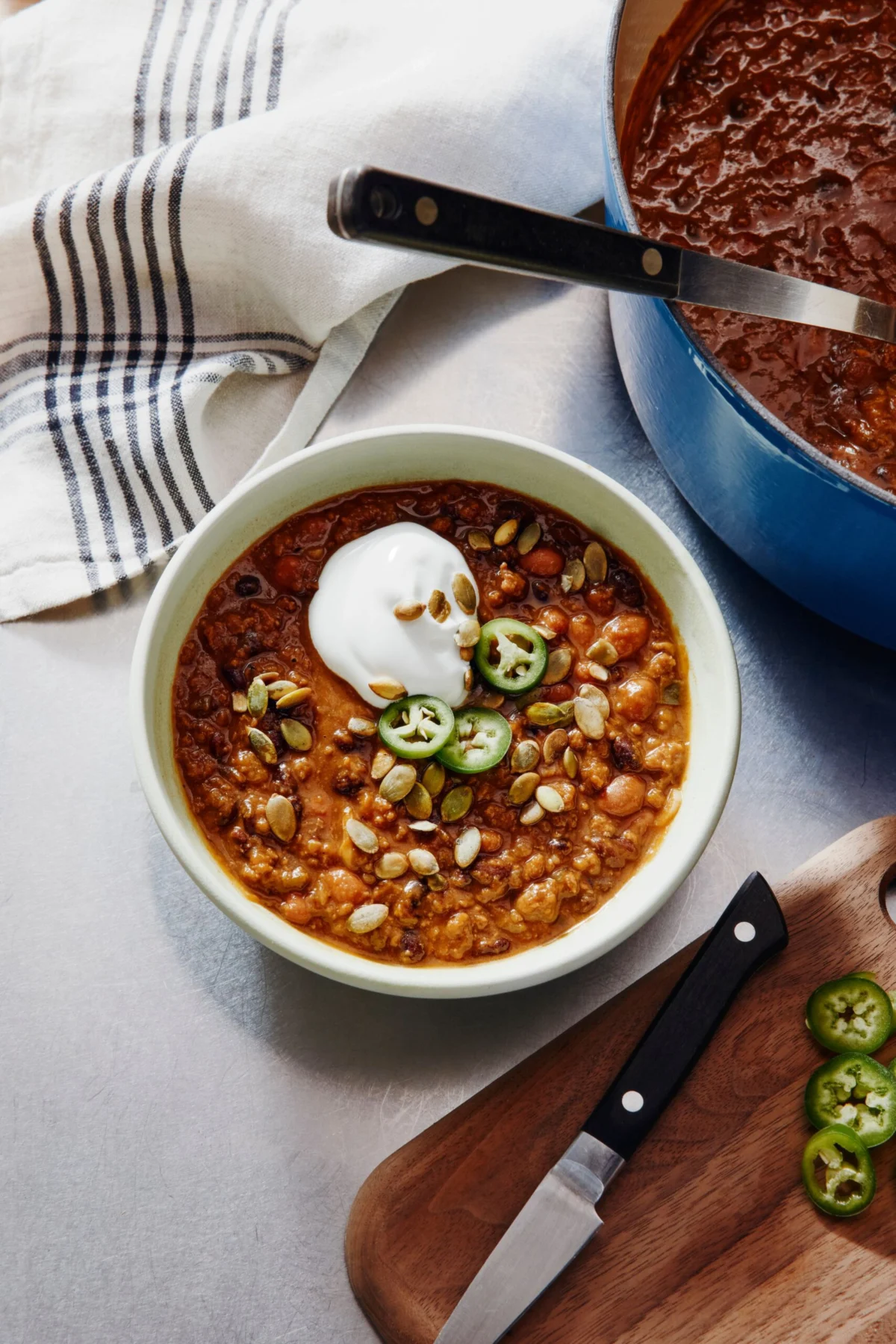
The Evolution of Chili: A Culinary Canvas for Innovation
Chili con carne, often simply referred to as chili, boasts a rich and somewhat contested history, with its origins debated between Texas, Mexico, and even claims dating back to Spanish colonial times. What began as a hearty, economical stew, typically featuring beef, chili peppers, and often beans, has evolved significantly over centuries. Initially a staple for cowboys, laborers, and those seeking a robust, flavorful meal, chili gained widespread popularity in the United States during the late 19th and early 20th centuries, becoming a symbol of American culinary tradition. Chili parlors flourished, and regional variations emerged, each fiercely defended by local aficionados.
The dish’s enduring appeal lies in its versatility and adaptability, allowing for countless interpretations. From spicy Texas-style red chilis without beans to Cincinnati-style chili served over spaghetti, the core concept—a meat-based stew with chili peppers—has proven remarkably resilient to culinary innovation. The introduction of ingredients like pumpkin purée into this traditional framework represents a contemporary phase in chili’s ongoing evolution, reflecting a broader trend towards incorporating diverse agricultural products and global flavors into established recipes. This particular pumpkin chili recipe exemplifies how a seemingly unconventional ingredient can subtly transform a familiar dish, offering new sensory experiences while retaining its comforting essence.
Strategic Ingredient Integration: The Role of Pumpkin Beyond Flavor
The inclusion of an entire can of pure pumpkin purée is the defining characteristic of this recipe, yet its function diverges significantly from typical pumpkin applications. Unlike pumpkin pies or lattes, where pumpkin’s distinct sweet and earthy flavor is central, here the purée acts primarily as a textural agent and a natural color enhancer. Culinary science explains this phenomenon: pumpkin purée, being high in pectin and fiber, provides a natural thickening agent that contributes to a "velvety richness" and "body" without introducing an overpowering sweetness or a strong squash flavor. When cooked within a savory, spiced mixture, the pumpkin’s inherent flavor notes are mellowed and integrated, becoming an undercurrent rather than the dominant taste. This allows the traditional chili spices—such as cumin, chili powder, and oregano—alongside the savory depth of Worcestershire sauce and ground meat, to remain at the forefront.
This nuanced application underscores a sophisticated understanding of ingredients, where components are selected not just for their primary flavor but for their secondary attributes like mouthfeel, emulsifying properties, and visual appeal. The "autumnal hue" imparted by the pumpkin purée is a significant visual cue, aligning the dish with seasonal aesthetics and enhancing its perceived warmth and comfort, particularly pertinent for occasions like Halloween or fall game days. The emphasis on using "pure pumpkin purée" versus "pumpkin pie filling" is crucial; pie filling contains added sugars and spices that would fundamentally alter the savory profile intended for this chili, highlighting the importance of ingredient specificity in achieving desired culinary outcomes.
Streamlined Preparation: Efficiency Meets Flavor
A key feature of this pumpkin chili is its expedited preparation time, clocking in at just 35 minutes on the stovetop. This makes it an ideal candidate for weeknight dinners, addressing the prevalent consumer demand for quick, yet satisfying, meal solutions. The recipe employs an "unusual step" that contributes significantly to this efficiency: cooking the ground beef directly within the spiced pumpkin mixture rather than browning it separately. This method offers several advantages. Firstly, it eliminates a separate browning step, reducing both cooking time and cleanup. Secondly, cooking the meat within the sauce helps to keep it tender, as it simmers and absorbs moisture and flavor from the surrounding liquids, preventing the dryness often associated with overcooked ground meat. A "vigorous stir" during this process ensures the meat breaks down into "chunky, satisfying bits," providing the desired texture without requiring pre-browning and draining.
This technique is emblematic of modern recipe development, which often seeks to optimize processes without compromising on taste or texture. The inclusion of Worcestershire sauce further elevates the dish, contributing umami and a complex savory depth that would otherwise require longer cooking times or a broader array of ingredients to achieve. This strategic use of an established flavor enhancer is a hallmark of efficient, flavor-forward cooking. The combination of rapid preparation, minimal cleanup, and a rich flavor profile positions this pumpkin chili as a prime example of culinary innovation geared towards contemporary lifestyles.
Culinary Adaptability and Dietary Considerations
The recipe’s inherent flexibility is another strong point, catering to diverse dietary preferences and ingredient availability. The option to substitute ground beef with other ground meats like turkey, chicken, or pork broadens its appeal. Ground pork, in particular, is noted for yielding an "especially rich, savory chili," offering a different textural and flavor dimension. This interchangeability of proteins allows home cooks to adapt the recipe based on personal taste, health considerations, or what they have on hand, promoting resourcefulness in the kitchen.
Similarly, the pumpkin purée itself is not sacrosanct. The recipe explicitly permits the substitution of canned butternut squash or sweet potato purée, provided they are 100% pure and unsweetened. This flexibility underscores the functional role of the purée as a textural and body-enhancing agent rather than a primary flavor determinant. Such adaptability is highly valued by consumers who navigate varying dietary needs, ingredient costs, and seasonal availability, allowing for consistent enjoyment of the dish throughout the year or with alternative flavor profiles.
From a nutritional standpoint, the incorporation of pumpkin purée adds a significant boost of vitamins, minerals, and dietary fiber. Pumpkin is rich in Vitamin A (from beta-carotene), Vitamin C, potassium, and various antioxidants, contributing to overall health benefits. When paired with lean ground meat (such as turkey or chicken), the chili can be a robust source of protein, essential for muscle repair and satiety, while managing fat intake. Even with ground beef or pork, the dish provides a balanced meal, especially when served with a variety of toppings. Toppings like sour cream add creaminess and fat, while sliced jalapeño introduces a fresh kick and pepitas (toasted pumpkin seeds) provide a crunchy texture and healthy fats, further enhancing the nutritional complexity and sensory experience of each bowl.
Storage, Reheating, and Minimizing Food Waste
Practical considerations for leftovers are integral to modern recipe design, supporting sustainable kitchen practices and convenience. This pumpkin chili is designed for make-ahead convenience and effective storage. Leftover chili can be refrigerated in an airtight container for up to five days, making it an excellent meal-prep option for busy individuals or families. For longer-term storage, the chili can be frozen for up to three months, offering a readily available, comforting meal solution whenever desired.
The reheating process is also straightforward, recommending gentle warming on the stovetop or in the microwave. The advice to add a "splash of broth or water as needed to loosen it" is a practical tip, acknowledging that chili can thicken significantly upon cooling and reheating, ensuring the texture remains appealing. This attention to post-preparation handling not only enhances the user experience but also aligns with broader efforts to reduce food waste, allowing cooks to maximize the utility of their culinary efforts. The ability to store and reheat meals efficiently is a key factor in the increasing popularity of batch cooking and home-prepared foods.
Market Trends and Consumer Impact
The emergence and popularity of recipes like this pumpkin chili are reflective of several overarching market trends within the food industry and consumer behavior. There is a discernible shift towards seasonal eating, driven by both a desire for fresh, local produce and an appreciation for holiday-themed or autumnal dishes. Pumpkin, once primarily associated with Thanksgiving pie, has seen a dramatic expansion in its culinary applications, moving into savory dishes, beverages, and even snack foods. This expansion highlights a consumer willingness to experiment with traditional ingredients in novel contexts.
Furthermore, the demand for convenient, healthy, and flavorful weeknight meals continues to rise. With increasingly busy schedules, consumers seek recipes that deliver on taste without demanding extensive preparation time or complex techniques. The 35-minute cook time of this chili perfectly aligns with this need, offering a wholesome alternative to takeout or highly processed convenience foods. The versatility of the recipe also taps into the trend of customization, allowing individuals to tailor dishes to their specific dietary requirements or flavor preferences.
Culinary experts and food industry analysts consistently note the growing interest in comfort foods that offer a twist on the familiar. This pumpkin chili, by subtly integrating a seasonal ingredient into a beloved classic, provides that innovative yet comforting experience. It caters to a demographic that values both tradition and culinary exploration, making it a powerful example of how modern recipe development responds to evolving tastes and lifestyle demands. The relatively low cost of ingredients, particularly canned pumpkin purée and various ground meats, also contributes to its appeal, making it an accessible option for a wide range of budgets.
Conclusion: A Modern Classic in the Making
This pumpkin chili stands as a testament to the dynamic nature of contemporary cuisine. It masterfully blends the comforting familiarity of a traditional chili with an ingenious application of a seasonal ingredient, yielding a dish that is both innovative and deeply satisfying. Its rapid preparation, adaptable ingredient list, and practical storage solutions make it an ideal choice for the demands of modern life, seamlessly fitting into weeknight dinner routines, festive gatherings, or game day celebrations. The subtle textural enhancement and autumnal aesthetic provided by the pumpkin purée elevate the dish beyond a simple meal, transforming it into a culinary experience that is both efficient and elegantly conceived. As home cooks continue to seek creative, accessible, and delicious ways to nourish themselves and their families, recipes like this pumpkin chili are poised to become cherished staples, embodying the spirit of resourceful and flavor-forward cooking.
