

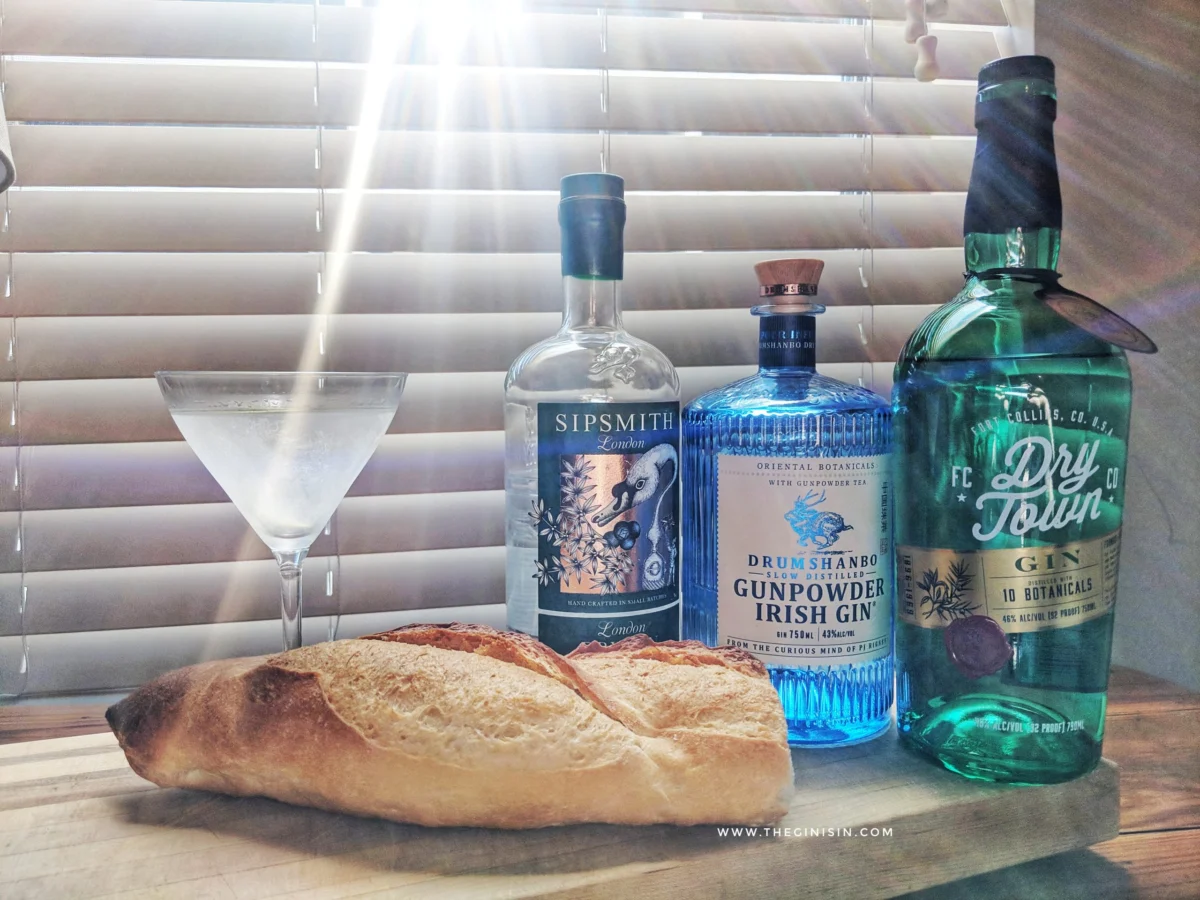
The medical and scientific consensus regarding the presence of gluten in distilled spirits remains definitive: pure, distilled gin is gluten-free, regardless of whether the base fermentable material includes wheat, barley, or rye. While these grains are the primary sources of gluten, the rigorous process of distillation effectively separates the protein fragments from the final spirit, rendering it safe for consumption by individuals with celiac disease or non-celiac gluten sensitivity. This conclusion is supported by major health organizations, including the Celiac Disease Foundation and the National Institutes of Health, as well as regulatory bodies like the United States Food and Drug Administration (FDA) and the Alcohol and Tobacco Tax and Trade Bureau (TTB). Despite this clarity, a persistent level of misinformation continues to circulate within consumer circles, often driven by a misunderstanding of how chemical separation occurs during the manufacturing of spirits.
The Chemical Mechanics of Distillation and Protein Separation
To understand why gin is gluten-free, one must examine the molecular behavior of proteins during the distillation process. Distillation is a method of separating mixtures based on differences in their volatilities in a boiling liquid mixture. In the production of gin, a base spirit is first created by fermenting a carbohydrate source, such as grain, grapes, or potatoes. If wheat or barley is used, the resulting "wash" contains gluten proteins. However, the subsequent distillation phase utilizes heat to vaporize specific components of the mixture.
Gluten is a complex of proteins, specifically gliadin and glutenin. These molecules are heavy, non-volatile, and possess extremely high boiling points. In contrast, ethanol—the primary alcohol in spirits—has a boiling point of approximately 173.1°F (78.37°C). During the distillation process, the liquid wash is heated in a still. As the temperature rises, the ethanol and various aromatic compounds (esters and terpenes) reach their boiling points and transition into a gaseous state, or steam. This steam rises through the still, leaving behind the heavier, non-volatile solids, including the gluten proteins, which remain in the boiling vessel (the "pot").
The steam is then directed through a condenser, where it is cooled back into a liquid form. Because gluten cannot evaporate or exist in a gaseous phase under these conditions, it is physically impossible for the protein to carry over into the distillate. The resulting liquid on the collection side of the apparatus is a highly purified alcohol solution. Even in instances where "neutral grain spirit" (NGS) is used as a base—which is common in the gin industry—the NGS has undergone multiple distillations to reach a high level of purity, further ensuring the absence of any residual proteins.
Regulatory Standards and Labeling Evolution
The legal landscape regarding gluten-free labeling on alcohol has shifted significantly over the last decade, reflecting advancements in scientific testing and a better understanding of distillation. Historically, the FDA and the TTB were hesitant to allow "gluten-free" claims on products derived from gluten-containing grains. This caution was rooted in the limitation of testing methods, such as the Enzyme-Linked Immunosorbent Assay (ELISA), which sometimes struggled to detect highly processed or hydrolyzed proteins.
However, in 2020, the TTB issued a definitive ruling (Ruling 2020-2) that updated its policy on gluten content statements. The bureau concluded that distilled spirits produced from gluten-containing grains may be labeled as "gluten-free" provided the distillation process was performed according to standard industry practices. This ruling aligned the TTB with the FDA’s stance that distillation effectively removes gluten. The TTB now allows for the "gluten-free" designation on spirits like gin, whiskey, and vodka, provided that no gluten-containing ingredients are added back into the spirit after distillation.
This regulatory shift was a response to mounting evidence and pressure from advocacy groups who sought to provide clearer guidance for the millions of people living with celiac disease. The ruling provided a framework for transparency, allowing manufacturers to market their products accurately while ensuring consumer safety.
Chronology of Scientific and Regulatory Milestones
The path to the current understanding of gin’s safety has been marked by several key developments in food science and public health policy:
- 2004: The Food Allergen Labeling and Consumer Protection Act (FALCPA) was passed, requiring the labeling of major allergens in food, though it did not initially cover the complexities of distilled spirits.
- 2012: The Celiac Disease Foundation and other health organizations began issuing formal statements clarifying that distilled spirits are gluten-free due to the evaporation process.
- 2013: The FDA issued a final rule on gluten-free labeling for food, defining "gluten-free" as containing less than 20 parts per million (ppm) of gluten.
- 2014-2015: Independent studies using mass spectrometry and competitive ELISA tests confirmed that distilled spirits made from wheat and barley showed no detectable gluten peptides.
- 2020: The TTB issued Ruling 2020-2, officially permitting distilled spirits made from gluten-containing grains to use the "gluten-free" label, provided no post-distillation gluten was added.
Addressing the "Grain Flavor" Paradox
A common source of confusion for consumers is the presence of grain notes in the flavor profile of certain gins. If the gluten is removed, many wonder why they can still taste the wheat or rye used in the base. This phenomenon is explained by the chemistry of volatile aromatic molecules.
While gluten proteins are too heavy to vaporize, the aromatic compounds found in the grain—such as specific oils, esters, and alcohols—are highly volatile. These molecules have boiling points similar to or lower than ethanol, allowing them to travel with the alcohol steam and re-condense into the final spirit. Consequently, a gin distilled from Red Winter Wheat may retain a soft, bready sweetness, while a gin distilled from rye may exhibit a characteristic spicy finish. These sensory characteristics are the result of flavor chemistry, not the presence of the actual grain protein. For the consumer, this means gin offers a way to experience the nuanced flavors of different grains without the health risks associated with gluten ingestion.
Physiological Responses and Potential Risks
Despite the scientific evidence that gin is gluten-free, some individuals report feeling ill after consumption. Medical professionals suggest that these symptoms are often misattributed to gluten when other factors are likely at play.
First, alcohol itself is a known gastrointestinal irritant. Ethanol can increase stomach acid production and delay gastric emptying, leading to symptoms like bloating, abdominal pain, and nausea—many of which mimic a gluten reaction. Furthermore, alcohol can increase the permeability of the intestinal lining (sometimes referred to as "leaky gut"), which can exacerbate existing sensitivities.
Second, the risk of "hidden gluten" exists not in the distillation itself, but in post-distillation additives. Some modern gins, particularly "gin liqueurs" or flavored gins, may have flavorings, sweeteners, or coloring agents added after the spirit has left the still. If these additives contain barley malt or other gluten-derived ingredients, the final product is no longer gluten-free. Additionally, there is a minor risk of cross-contamination in facilities that process both distilled spirits and non-distilled products (like beer) without proper cleaning protocols, though this is rare in professional distilling environments.
Broader Impact on the Spirits Industry and Consumer Behavior
The clarification of gin’s gluten-free status has had a significant impact on the global spirits market. The "gluten-free" claim has become a powerful marketing tool, as the number of consumers seeking gluten-free products has expanded beyond those with medical diagnoses to include those following the diet for perceived wellness benefits.
The gin category, in particular, has seen a "renaissance" over the last decade. As craft distilleries proliferate, the diversity of base spirits has increased. While traditional London Dry gins often use a grain-neutral spirit, newer "Western-style" or "Contemporary" gins may use bases made from grapes, apples, or honey. This variety provides additional options for consumers who remain skeptical of grain-based spirits, despite the scientific evidence of their safety.
Market data suggests that the demand for transparency in ingredients is at an all-time high. Distillers who provide detailed information about their base ingredients and distillation processes are finding greater success with health-conscious demographics. The shift toward labeling distilled spirits as gluten-free has not only helped those with celiac disease navigate social situations more safely but has also forced the industry to adopt more rigorous standards for purity and additive disclosure.
Conclusion and Expert Outlook
The scientific reality remains that the distillation process is an effective filter for gluten. As stated by the Celiac Disease Foundation, "distilled products do not contain any harmful gluten peptides even if they are made from gluten-containing grains." For the millions of people worldwide who must strictly avoid gluten, gin represents a safe and versatile option within the spirits category.
Looking forward, the industry is expected to continue its move toward greater transparency. As testing technology becomes even more sensitive and consumer knowledge increases, the myths surrounding "gaseous gluten" are likely to fade. For the individual consumer, the best course of action remains to choose high-quality distilled spirits and to be mindful of flavored varieties that may introduce gluten via additives. By understanding the chemistry of the still, consumers can make informed choices that align with their health requirements without sacrificing the sensory experiences offered by the world of fine spirits.
