

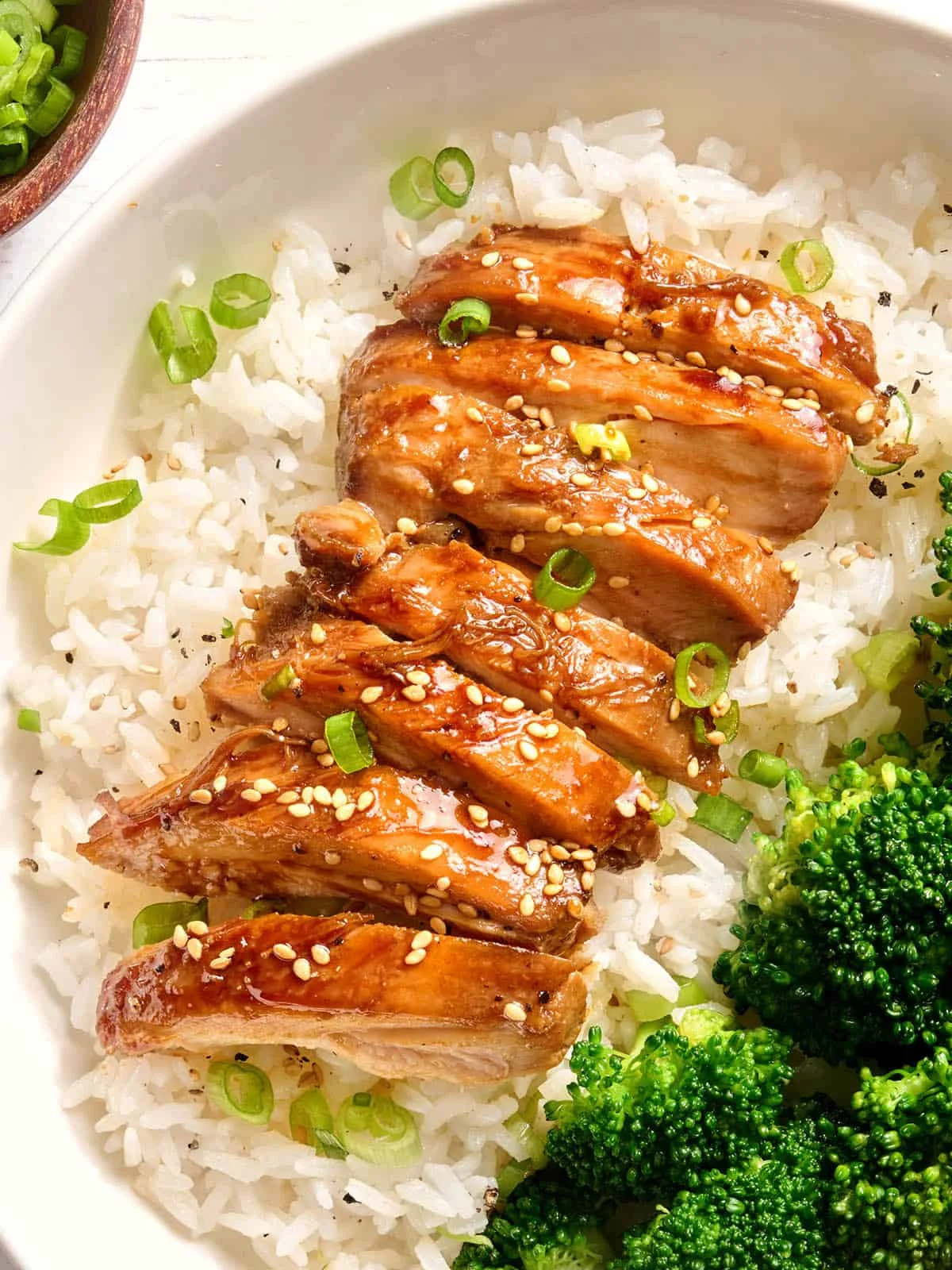
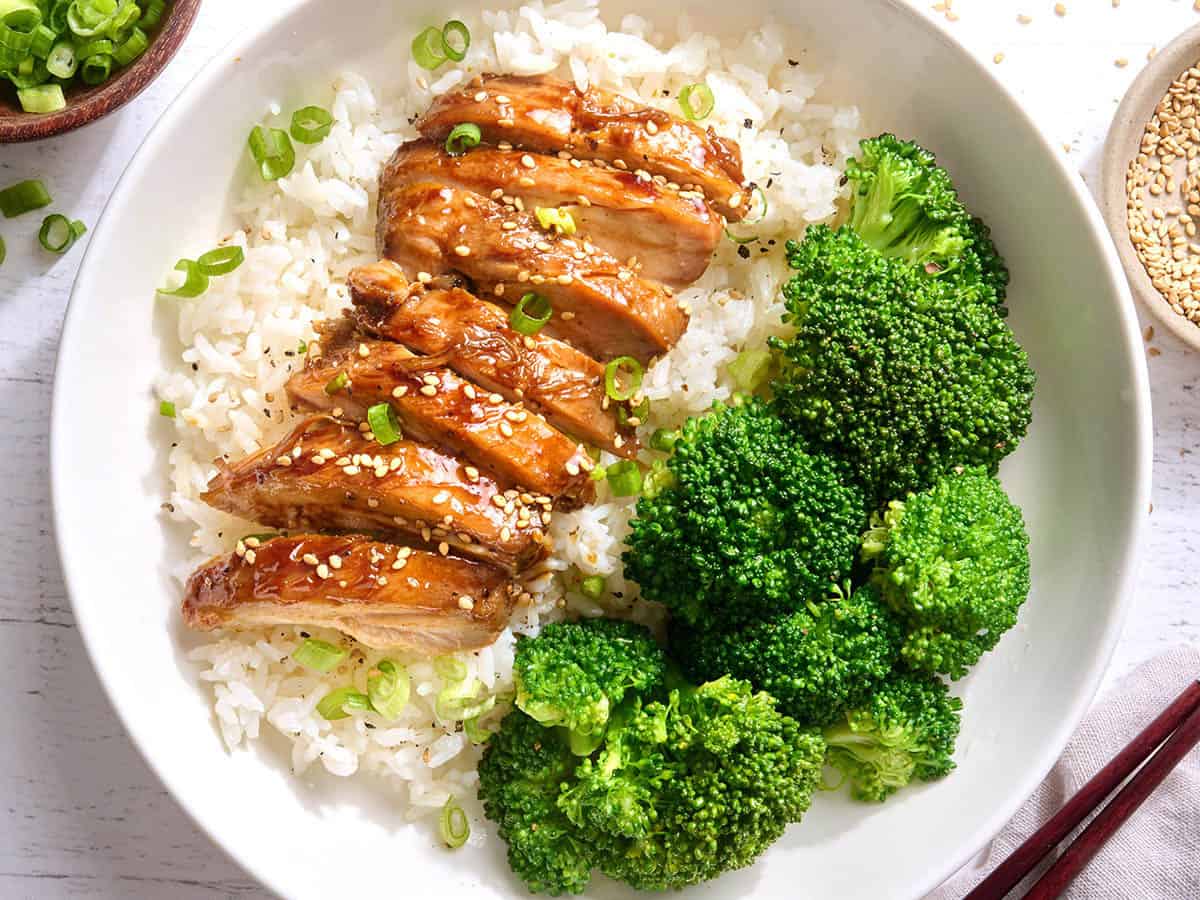
The Nashville Test Kitchen recently concluded an exhaustive re-evaluation of its Easy Teriyaki Chicken protocol, confirming that the updated 2026 formulation remains a cornerstone of cost-effective domestic meal planning. Originally released in May 2022, the recipe has undergone a rigorous secondary testing phase to ensure its viability in a shifting economic environment where food inflation has significantly altered consumer behavior. The findings indicate that the preparation of this dish at home provides a high-protein, nutritionally dense alternative to commercial takeout, achieving a price point of approximately $1.41 per serving. This represents a substantial deviation from current market averages for prepared poultry dishes, which often exceed $12.00 in urban centers.
Historical Context and Cultural Adaptation
The term "teriyaki" is frequently misunderstood in Western culinary discourse as a specific sauce; however, it historically denotes a Japanese cooking technique. Derived from the words "teri," meaning a lacquer-like luster or glaze, and "yaki," referring to the method of grilling or broiling, the technique dates back to the Edo period in Japan. Traditional Japanese teriyaki relies on a trifecta of ingredients: soy sauce, mirin (a sweet rice wine), and sake, often balanced with sugar.
As the technique migrated to the United States, particularly through the Pacific Northwest and Hawaii, it underwent significant modification to accommodate local ingredient availability. The Americanized version, which the Nashville Test Kitchen’s recipe emulates, often substitutes mirin and sake with water and increased sugar content, such as brown sugar, while introducing aromatics like garlic and ginger. This adaptation has become a staple of the "Seattle-style" teriyaki culture and subsequently a fixture in American households. The 2026 update focuses on maximizing these accessible ingredients to ensure that specialty grocery items are not a barrier to entry for the average consumer.
Economic Analysis and Cost-Per-Serving Data
A granular breakdown of the recipe’s financial requirements reveals a total cost of $7.07 for a five-serving yield. This economic efficiency is driven largely by the selection of boneless, skinless chicken thighs as the primary protein source. According to recent market data, chicken thighs consistently retail at a lower price point than chicken breasts while offering higher fat content, which prevents desiccation during high-heat skillet cooking.
The ingredient cost distribution is as follows:
- Poultry: 1.75 lbs of chicken thighs constitute approximately 65% of the total expenditure.
- Pantry Staples: Soy sauce, brown sugar, and neutral cooking oil are calculated by the tablespoon, representing a negligible cost when purchased in bulk.
- Aromatics: Fresh ginger and garlic provide the highest flavor-to-cost ratio, costing mere cents per serving.
When compared to the Bureau of Labor Statistics’ (BLS) Consumer Price Index for "food away from home," which has seen a steady increase over the last four fiscal quarters, the $1.41 home-prepared serving offers a 400% to 800% savings margin. Analysts suggest that such recipes are critical tools for households attempting to maintain nutritional standards while operating under strict budgetary constraints.
Technical Specifications: The Chemistry of the Glaze
The success of the Easy Teriyaki Chicken relies on the chemical process of reduction and the Maillard reaction. Unlike commercial sauces that utilize cornstarch or other thickening agents, this specific methodology utilizes the evaporation of water and the concentration of sucrose and glucose to create a natural glaze.
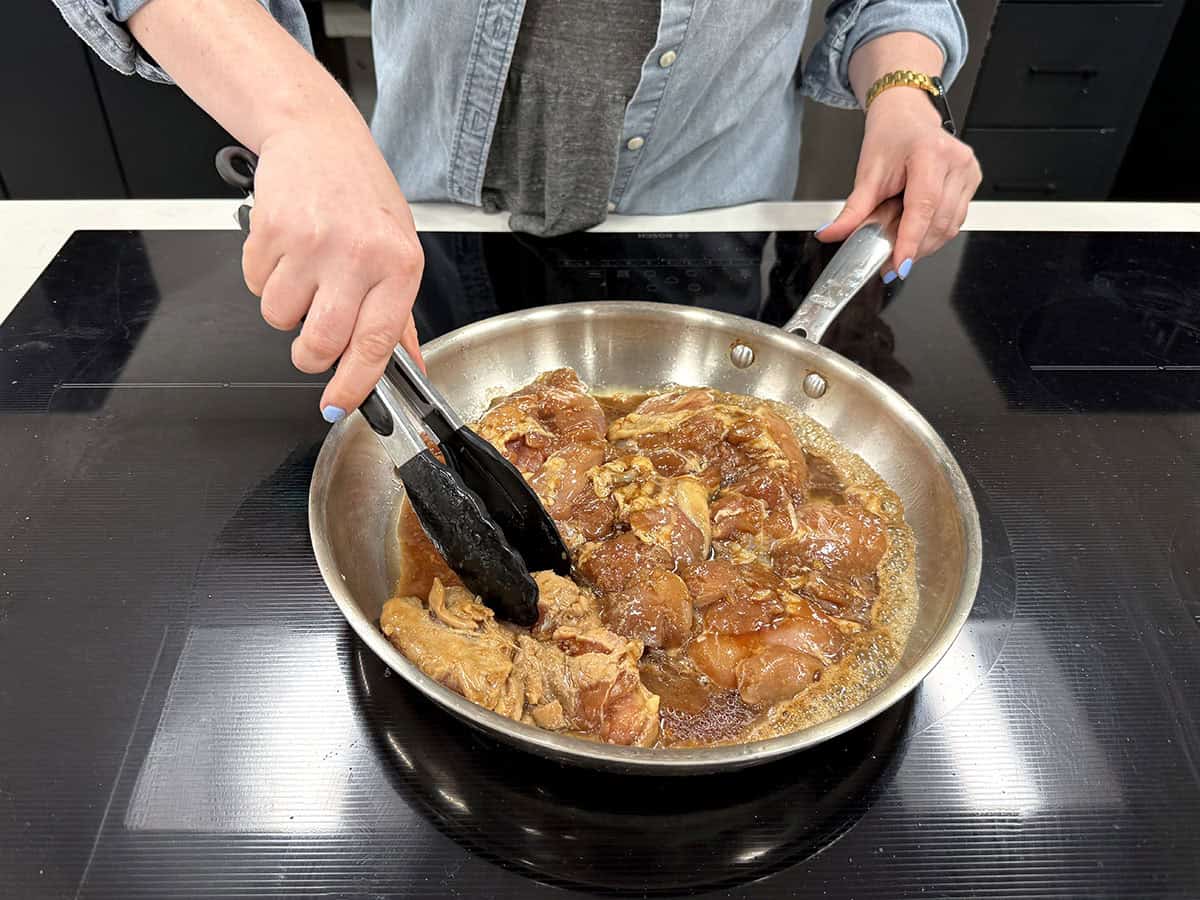
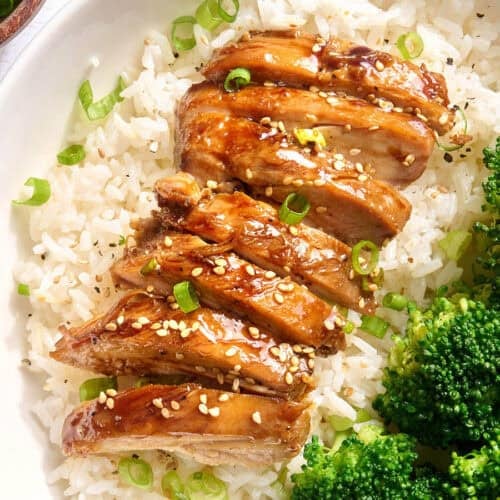
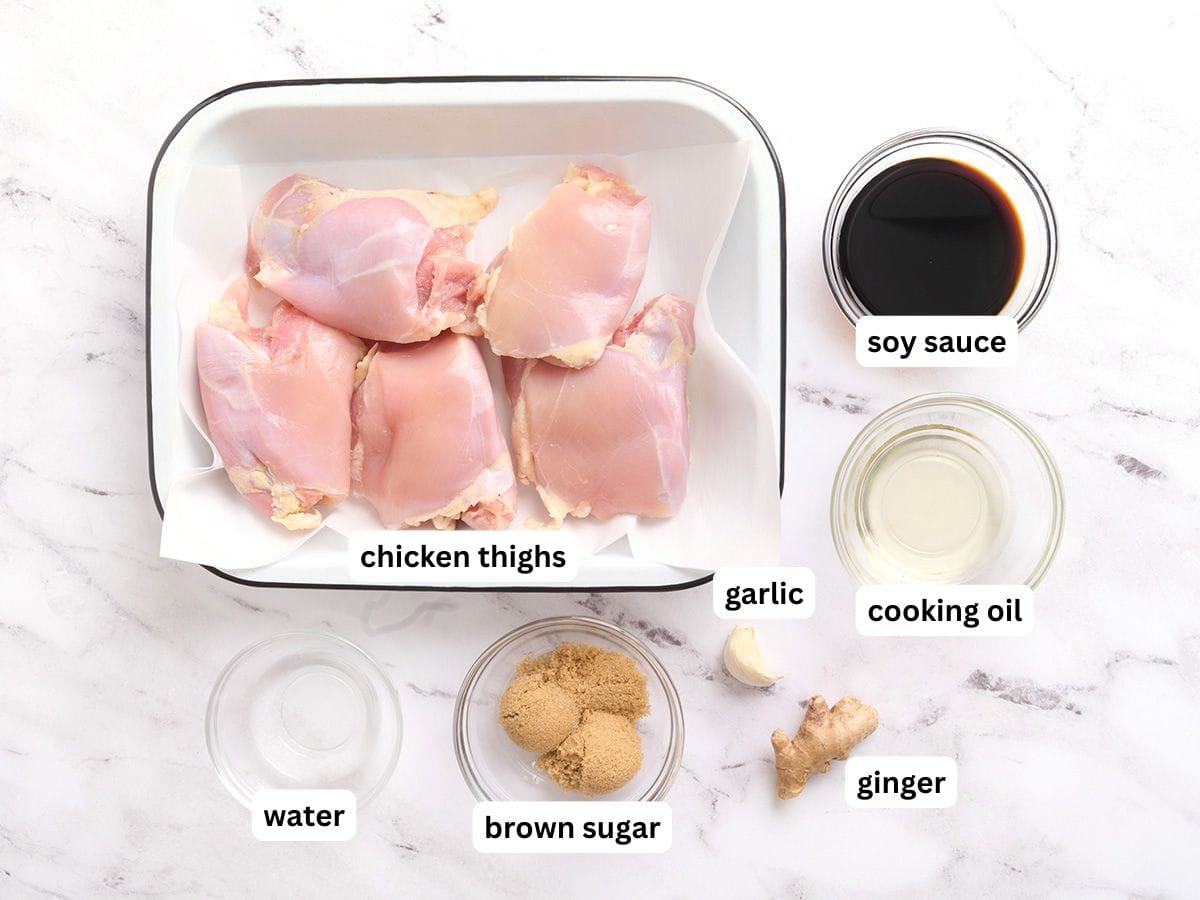
During the 15-minute skillet cooking process, the marinade—composed of soy sauce, brown sugar, water, minced garlic, and grated ginger—undergoes a thermal transformation. As the moisture content decreases, the sugar molecules begin to caramelize, bonding with the proteins in the chicken to create the signature "teri" or gloss. The inclusion of neutral oil in the marinade serves a dual purpose: it acts as a heat transfer medium and ensures that the aromatics (garlic and ginger) are evenly distributed across the surface of the meat.
The Nashville Test Kitchen emphasizes the importance of temperature control during this phase. If the skillet temperature exceeds the smoke point of the oil or the carbonization point of the sugar, the glaze will turn bitter. Conversely, insufficient heat will fail to reduce the liquid, resulting in a thin, watery consistency rather than a viscous coating.
Chronology of Preparation and Safety Protocols
The Nashville Test Kitchen has established a strict timeline for optimal results, emphasizing food safety and texture management.
- Phase One: Marination (30 Minutes to 24 Hours): The chicken must be marinated in a refrigerated environment. The test kitchen warns against exceeding the 24-hour mark, as the high sodium content in the soy sauce can begin to denature the protein fibers excessively, leading to an unappealing, mushy texture.
- Phase Two: Thermal Processing (15 Minutes): The chicken is cooked over medium heat. A critical safety protocol involves the immediate disposal of any marinade that has come into contact with raw poultry to prevent cross-contamination.
- Phase Three: Internal Temperature Verification: For chicken thighs, a target internal temperature of 175°F (79.4°C) is recommended. While the USDA safety minimum is 165°F, the Nashville researchers found that thighs benefit from the higher temperature to further break down connective tissue, ensuring a more tender result.
- Phase Four: Resting (5 Minutes): Resting the meat post-cooking allows for the redistribution of juices, a process essential for maintaining moisture levels once the meat is sliced.
Logistical Applications: Meal Prep and Preservation
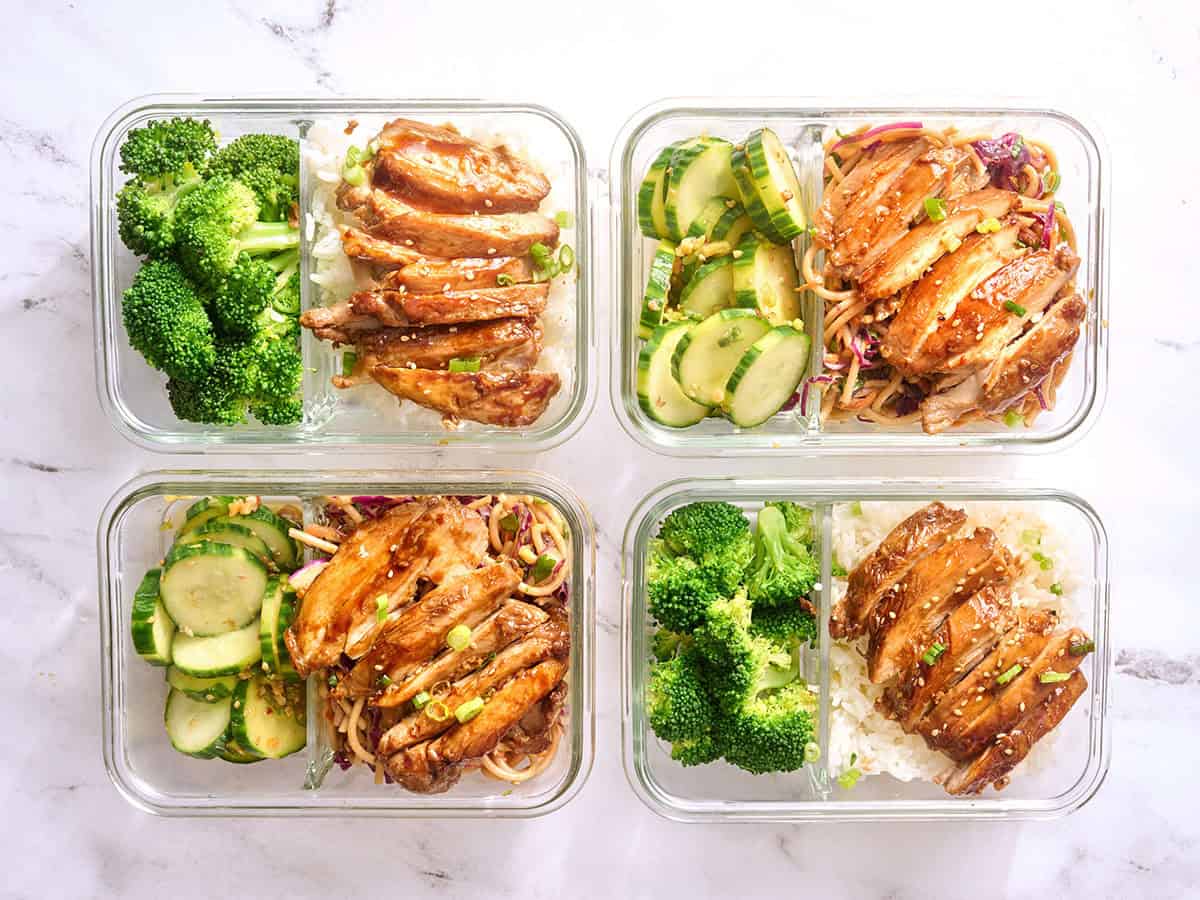
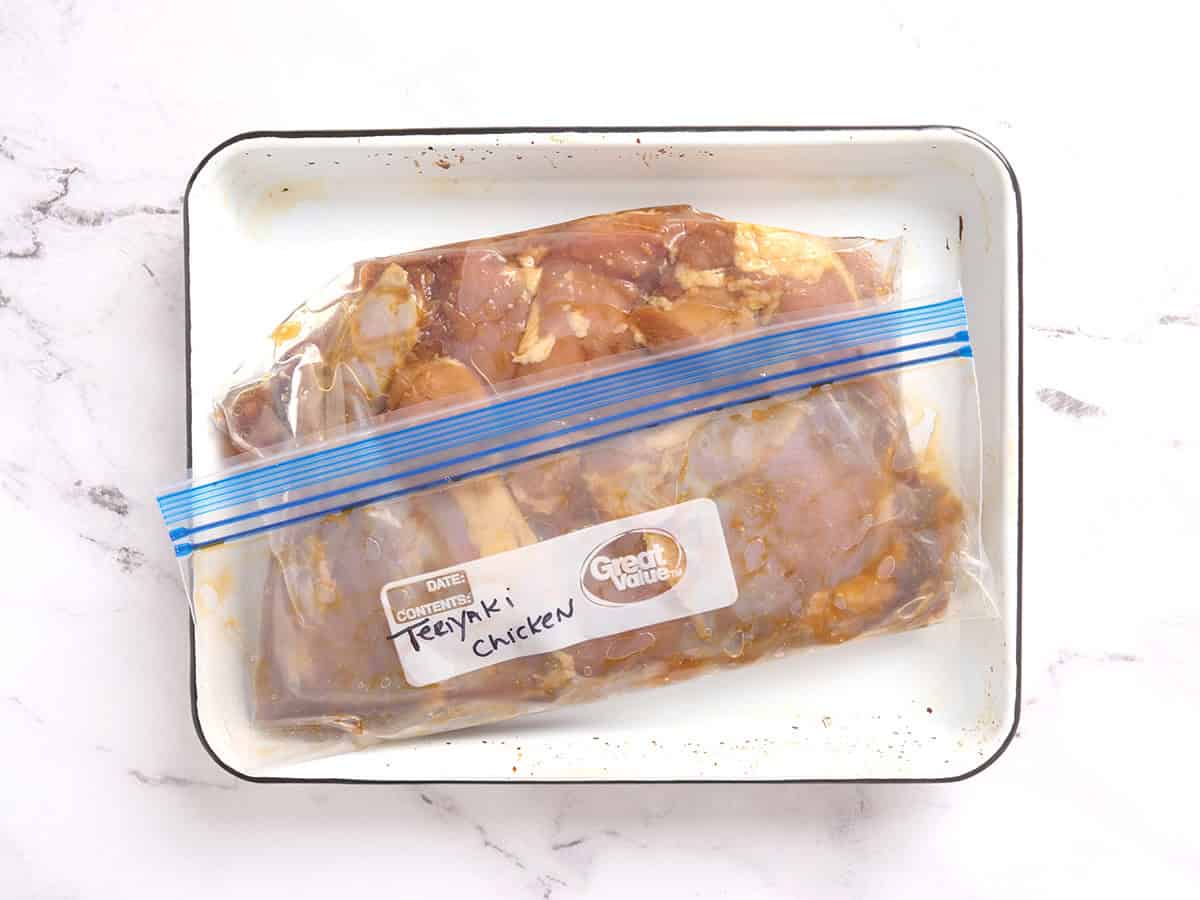
In response to the growing trend of "meal prepping" as a solution to work-life balance challenges, the 2026 report includes an analysis of long-term storage and freezing capabilities. The research team conducted a "freezer-to-skillet" test, wherein raw chicken was frozen directly in the marinade.
The findings indicate that this method is highly effective for up to three months. The chicken undergoes a "passive marination" process during the thawing cycle in the refrigerator, which simplifies the evening preparation for the end-user. For cooked leftovers, the kitchen recommends a storage limit of three to four days in airtight containers. To maintain the integrity of the glaze during reheating, the addition of a small volume of water is suggested to prevent the sugars from burning in a microwave or skillet.
Consumer Feedback and Testimonials
The efficacy of the recipe is supported by extensive consumer data. A representative testimonial from a user identified as "mEL" characterized the dish as "impressively good" and "a regular go-to meal." Such qualitative data points to the recipe’s high "success rate" among amateur cooks, which is a primary metric for the Nashville Test Kitchen. The simplicity of the seven-ingredient list—none of which are classified as "specialty" or "hard-to-find"—contributes to its high adoption rate across various demographic groups.
Broader Implications and Culinary Conclusion
The re-release of the Easy Teriyaki Chicken recipe highlights a broader shift in the culinary industry toward "functional cooking." This movement prioritizes recipes that are scientifically sound, economically viable, and logistically flexible. By removing the need for thickeners and specialty alcohols like mirin, the Nashville Test Kitchen has democratized a complex flavor profile for a global audience.
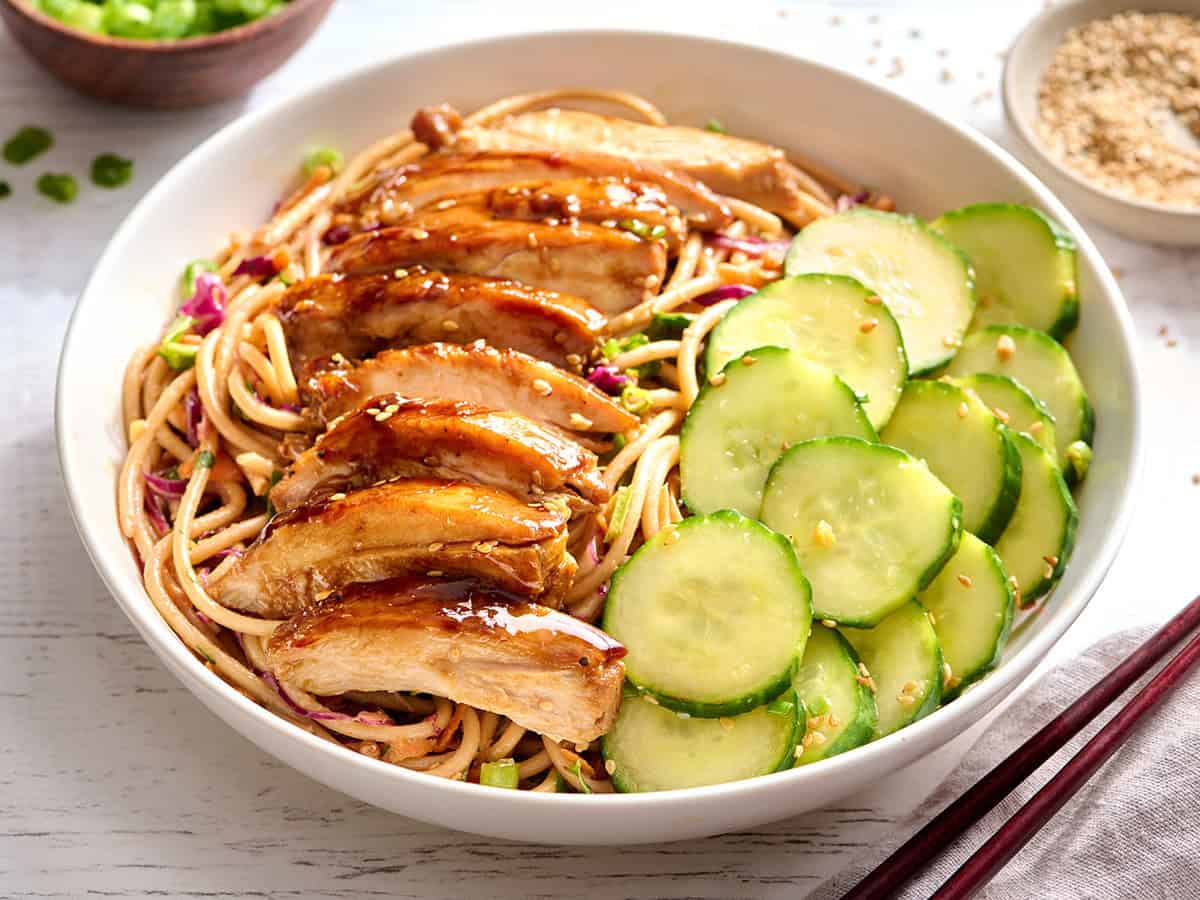
Furthermore, the nutritional profile—274 calories and 32 grams of protein per serving—positions this dish as a viable option for those adhering to high-protein or low-carbohydrate dietary patterns. The low fiber content (0.1g) suggests that the dish is intended to be paired with complex carbohydrates, such as brown rice, or fibrous vegetables like steamed broccoli, to create a balanced nutritional matrix.
In conclusion, the Easy Teriyaki Chicken protocol serves as a benchmark for modern recipe development. It successfully navigates the intersection of traditional technique and contemporary economic necessity, providing a scalable solution for domestic food security. As the Nashville Test Kitchen continues to monitor ingredient costs and consumer needs, this dish remains a primary example of how data-driven culinary research can improve the quality of life and financial health of the modern household.
