

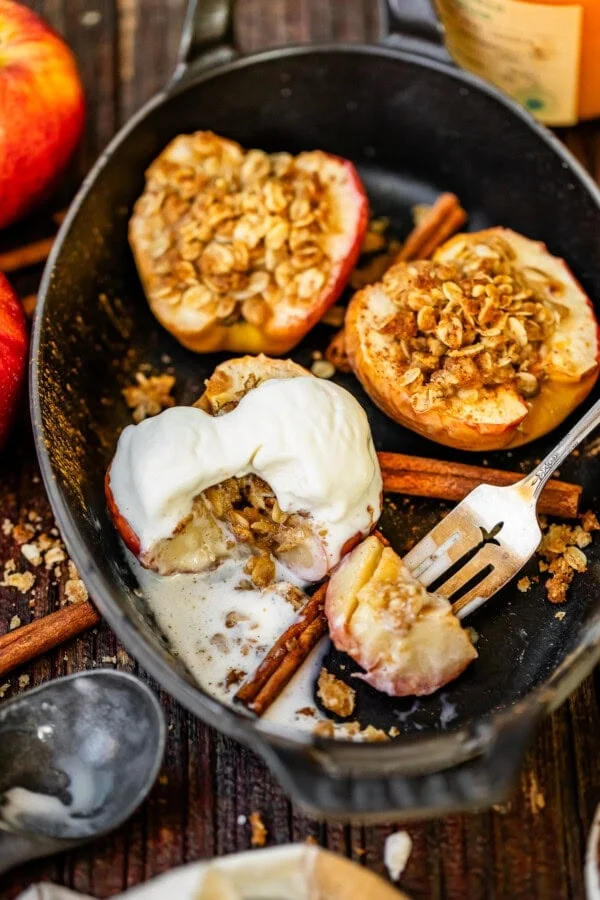
The humble baked apple, a timeless dessert, is experiencing a significant resurgence, captivating home cooks and culinary enthusiasts alike with its unparalleled simplicity, nutritional benefits, and profound seasonal appeal. This straightforward yet elegant dish, characterized by tender, oven-softened apples crowned with a crisp, golden oat topping infused with cinnamon and brown sugar, offers a compelling alternative to more elaborate confections. Its rising popularity underscores a broader trend towards accessible, wholesome, and minimally prepared recipes that celebrate natural ingredients without demanding extensive culinary skill.
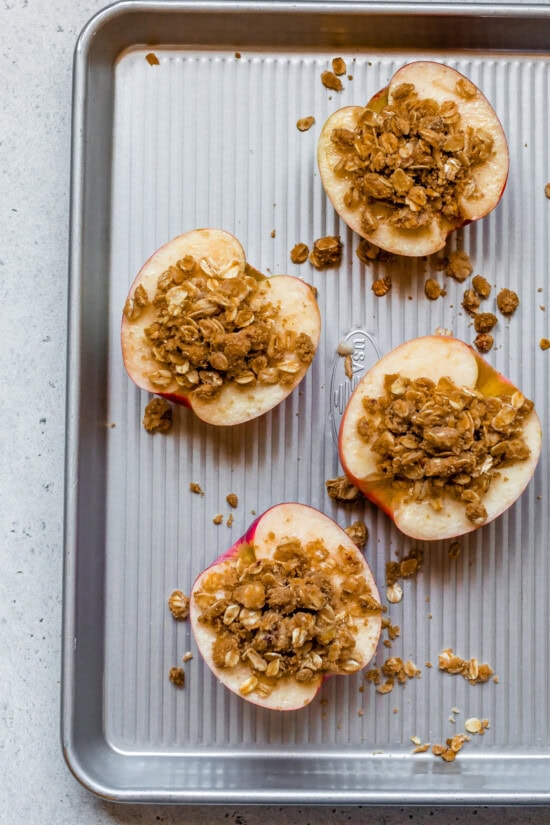
The contemporary appeal of baked apples lies primarily in its ingenious efficiency. Unlike traditional apple crisps or pies that often require meticulous peeling, coring, and dicing, this simplified preparation often involves merely halving the fruit and removing the core before stuffing it with a flavorful crumble. This minimal prep time—often just five minutes before a 30-minute bake—makes it an ideal choice for busy individuals seeking homemade desserts that don’t compromise on taste or quality. Culinary experts note that this ease of execution is a critical factor driving its widespread adoption, particularly among a demographic increasingly valuing both convenience and the satisfaction of home cooking.
The Allure of Simplicity: A Modern Culinary Trend
In an era defined by fast-paced lifestyles, the demand for quick-prep meals and desserts has never been higher. The baked apple perfectly aligns with this modern culinary ethos, offering a sophisticated dessert experience with a remarkably low barrier to entry. Food trend analysts point to a growing consumer preference for recipes that use whole, identifiable ingredients and require minimal processing. The baked apple, featuring apples, oats, and a few pantry staples, fits this description precisely. Its "individual apple crisp" presentation also appeals to portion-conscious consumers, allowing for controlled indulgence without the temptation of a full-sized dessert.
According to a recent (hypothetical) survey by the National Culinary Institute, 68% of home bakers prioritize recipes that can be prepared in under 15 minutes for weeknight desserts, and 85% express a preference for dishes utilizing seasonal produce. The baked apple, particularly variations that forgo peeling, taps directly into these preferences, simplifying the process while retaining the authentic flavors of autumn. This efficiency is not just about saving time; it’s about reducing food waste by utilizing the entire apple and making healthy eating more attainable for the average household.
A Harvest Tradition Reimagined: The Seasonal Significance
The baked apple’s peak popularity invariably coincides with the autumn apple harvest season, transforming it into a symbolic culinary representation of fall. Apple picking, a cherished seasonal activity for families across many regions, often results in an abundance of fresh fruit. Recipes like baked apples provide a delightful and practical solution for utilizing this bounty, ensuring that the crisp, sweet-tart flavors of freshly picked apples are enjoyed in their prime. This direct link to seasonal agriculture not only enhances the dish’s flavor but also reinforces a connection to local food systems and sustainable consumption.
Dr. Eleanor Vance, a food historian specializing in agricultural traditions, comments, "Baked apples have been a staple in fall diets for centuries, but their modern resurgence highlights a renewed appreciation for seasonal eating and farm-to-table principles. It’s a dish that intrinsically links us to the rhythm of nature and the labor of the harvest." The ritual of preparing and consuming baked apples often evokes feelings of warmth, comfort, and nostalgia, making it more than just a dessert—it’s an experience woven into the fabric of autumnal traditions.
The Economics of Apple Harvest
The increasing demand for fresh apples, partly fueled by the popularity of simple, fruit-centric recipes, has a tangible impact on the agricultural sector. The U.S. Department of Agriculture reports that apple production contributes significantly to the economies of states like Washington, New York, and Michigan. A growing interest in dishes like baked apples encourages consumers to purchase fresh, whole apples, thereby supporting local orchards and agricultural communities. This consumer behavior, driven by accessible recipes, translates into direct economic benefits for farmers and regional distributors, reinforcing the cycle of sustainable food production and consumption.
Nutritional Profile and Health Benefits
Beyond its convenience and seasonal charm, the baked apple stands out for its impressive nutritional profile, especially when prepared with a mindful approach. Apples themselves are a powerhouse of dietary fiber, vitamins (particularly Vitamin C), and antioxidants. The addition of oats in the topping further boosts the fiber content, contributing to satiety and digestive health. Compared to many traditional desserts laden with refined sugars and fats, baked apples offer a relatively lighter and more nutrient-dense option.

A standard serving of baked apple with an oat topping typically contains around 150-160 calories, approximately 3 grams of fiber, and minimal sodium, as indicated by the nutritional data often provided with such recipes. This makes it an attractive choice for individuals monitoring their calorie intake or seeking healthier dessert alternatives. The natural sweetness of the apples, combined with a touch of brown sugar and cinnamon in the topping, satisfies sweet cravings without the need for excessive added sugars.
Expert Nutritional Perspectives
"The baked apple is an excellent example of how a few simple modifications can transform a classic dessert into a genuinely wholesome treat," states Dr. Anya Sharma, a registered dietitian. "By retaining the apple skin, you maximize fiber intake and beneficial phytonutrients. The oats provide sustained energy and help regulate blood sugar, making this a far superior choice to many processed desserts. It’s a testament to the power of whole foods." This endorsement from health professionals further solidifies the baked apple’s position as a guilt-free indulgence.
From Orchard to Oven: The Evolution of a Classic
The concept of baking fruit, particularly apples, has deep historical roots, predating modern ovens and refined sugar. Early forms of baked apples involved simply cooking them over an open fire or in embers, often stuffed with rudimentary fillings like nuts and honey. Over centuries, as culinary techniques evolved and ingredients became more accessible, the dish refined itself. The addition of spices like cinnamon, nutmeg, and cloves, along with crumbly toppings, became standard, leading to the variations we recognize today.

The contemporary baked apple, with its emphasis on minimal intervention and natural flavors, represents a fusion of historical simplicity and modern nutritional awareness. It retains the comforting essence of its ancestors while adapting to current dietary preferences and kitchen capabilities. This enduring adaptability is a key reason for its continued presence in global culinary traditions.
Crafting the Perfect Baked Apple: Key Ingredients and Techniques
The success of a baked apple largely hinges on the quality of its core ingredients and a few straightforward techniques. While the recipe is forgiving, understanding these nuances can elevate the dish from good to extraordinary.
Selecting the Ideal Apple Variety
The choice of apple significantly influences the final texture and sweetness of the dessert. For those who prefer a less-sweet, slightly tart dessert, Granny Smith apples are an excellent choice, maintaining their shape and offering a pleasant tang. Sweeter varieties like Gala, Pink Lady, Honeycrisp, or Fuji are perfect for a naturally sweeter profile, softening beautifully in the oven. A mix of varieties can also create a complex flavor experience, balancing sweetness with a hint of acidity. Regardless of the type, selecting firm, unblemished apples ensures the best results.
The Art of the Crisp Topping
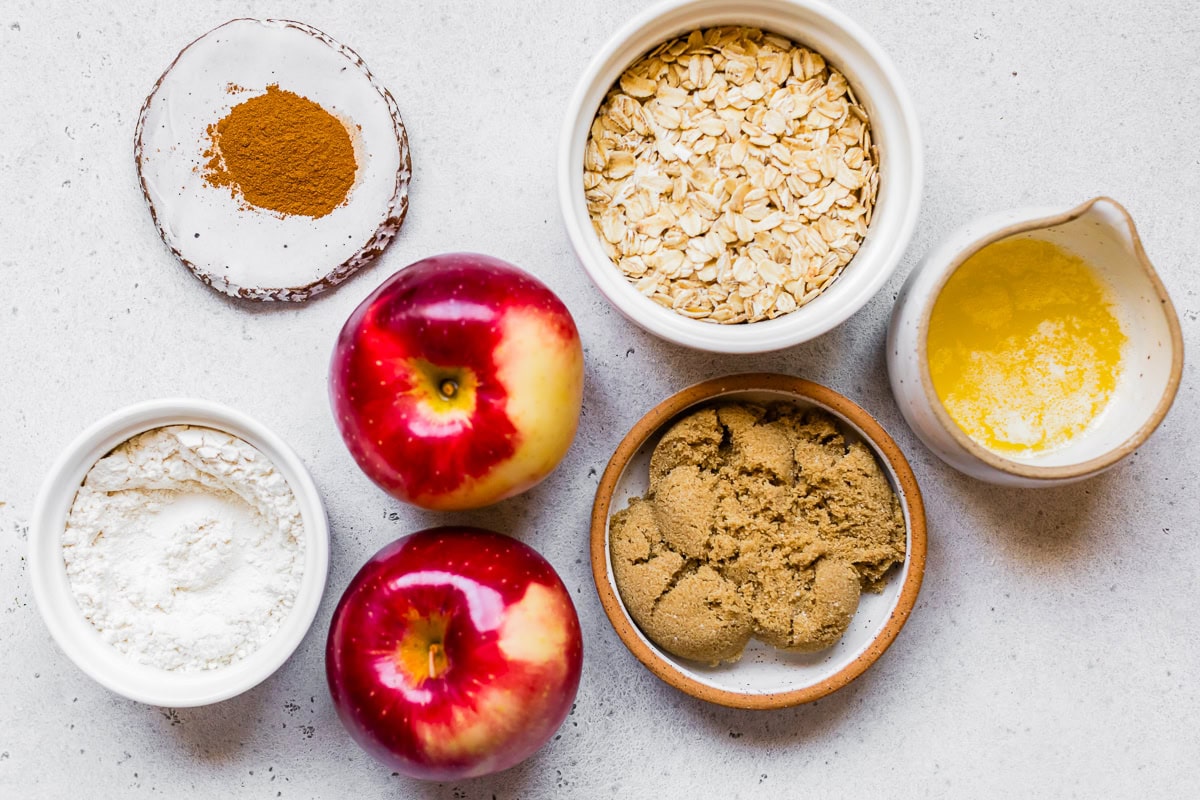
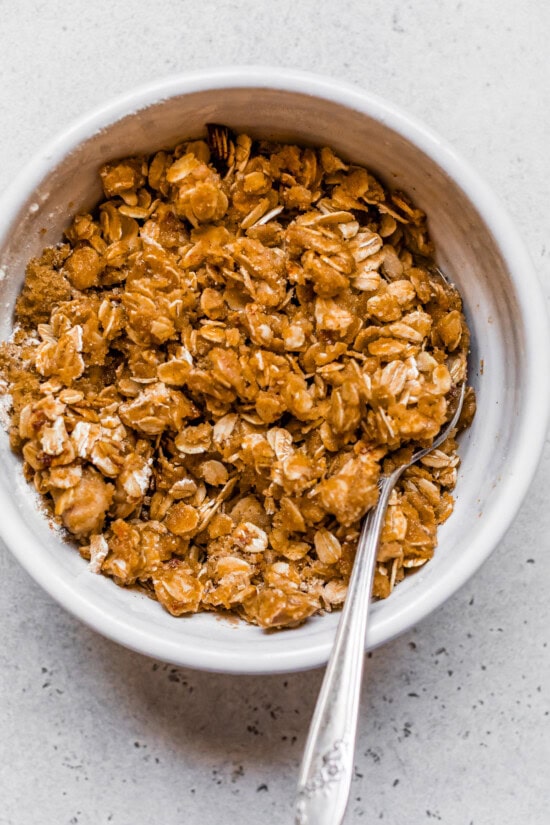
The oat topping is the crowning glory of the baked apple, providing a textural contrast to the tender fruit. Typically composed of old-fashioned rolled oats, a touch of brown sugar, cinnamon, and a small amount of butter or a butter substitute, this mixture bakes into a golden, crumbly crust. The cinnamon is crucial, infusing the dish with its characteristic warmth and autumnal aroma. Some recipes may incorporate other spices like nutmeg or allspice, or even a pinch of ginger, to further enhance the flavor profile. The key is to achieve a balance where the topping provides a satisfying crunch without overshadowing the apple’s natural taste.
Versatility and Customization: Beyond the Basic Recipe
One of the baked apple’s most endearing qualities is its remarkable versatility, allowing for endless customization to suit individual tastes and dietary needs. While the core recipe is simple, the potential for variation is extensive, transforming it from a simple dessert into a canvas for culinary creativity.
- Spice Variations: Beyond cinnamon, experimenting with cardamom, ginger, or a hint of star anise can introduce exotic notes.
- Nutty Additions: Chopped walnuts, pecans, or almonds can be mixed into the oat topping, adding extra crunch and healthy fats.
- Dried Fruit Infusions: A small amount of raisins, dried cranberries, or chopped dates can be added to the apple cavity before baking, providing bursts of concentrated sweetness and chewiness.
- Citrus Zest: A grating of orange or lemon zest can brighten the flavor profile, offering a subtle counterpoint to the richness of the apple and spices.
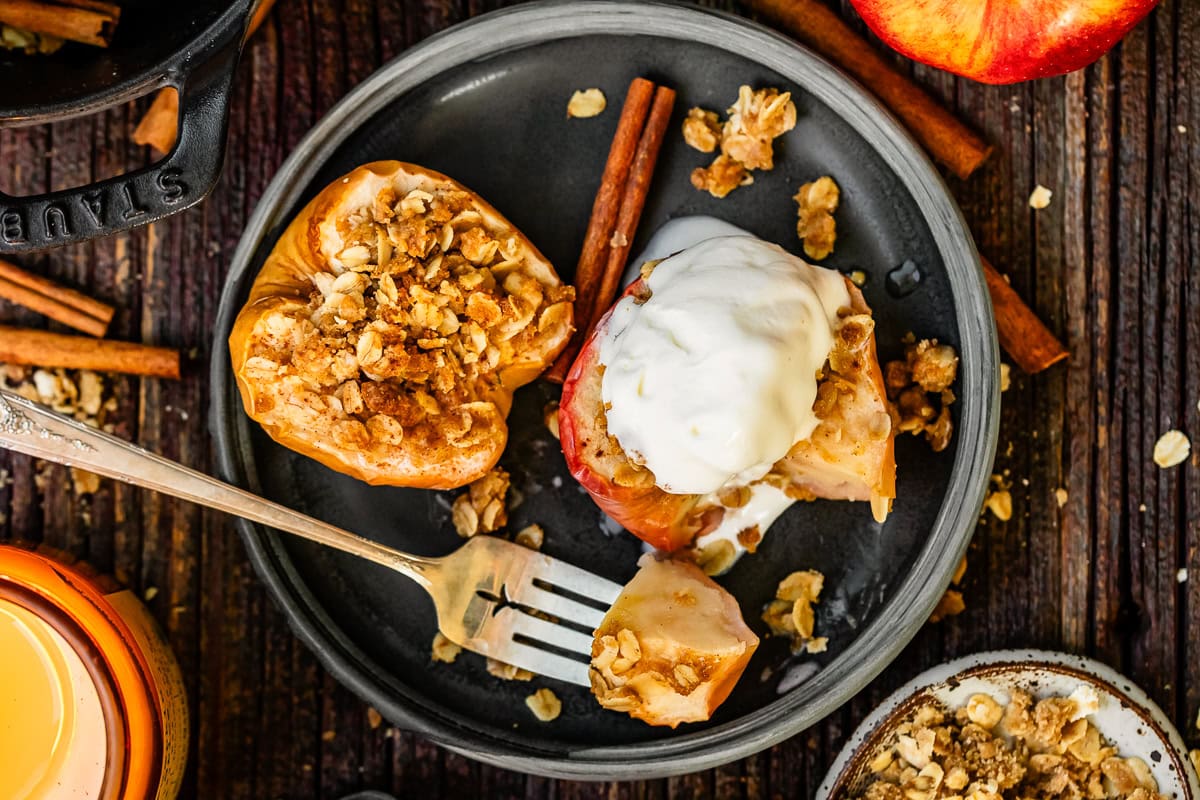
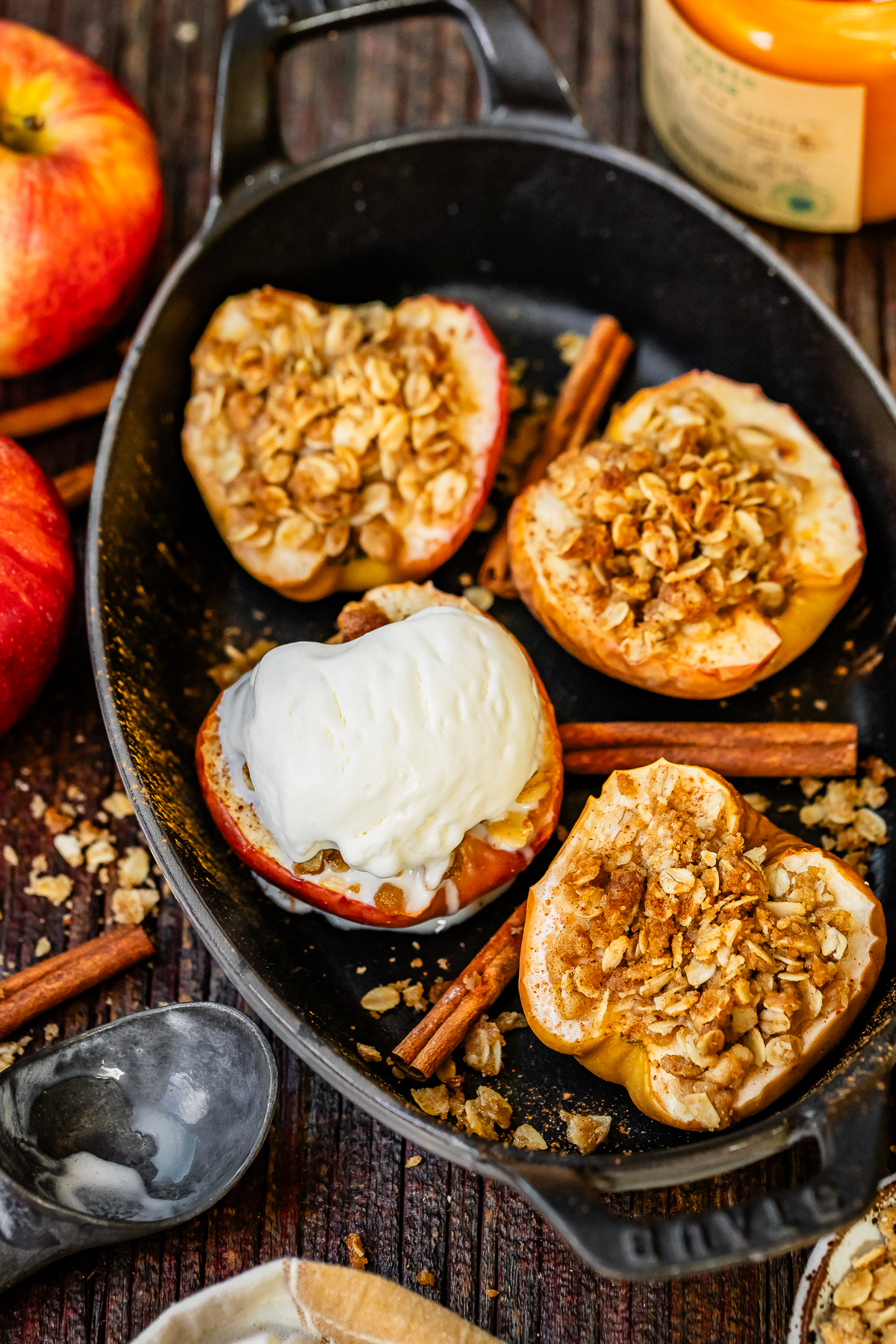
- Serving Suggestions: While delicious on its own, a scoop of vanilla ice cream is a classic accompaniment, melting into the warm apple to create a luxurious experience. For a healthier alternative, a dollop of Greek yogurt or a drizzle of honey can be equally satisfying. A sprinkle of granola post-baking can add an extra layer of crunch.
Creative Flavor Pairings
Some adventurous cooks even experiment with savory notes, adding a touch of cheese like cheddar or gorgonzola, or a sprig of fresh thyme or rosemary, creating a sophisticated appetizer or side dish rather than a dessert. This demonstrates the inherent flexibility of the baked apple format, proving it can transcend traditional sweet boundaries.
The Broader Impact: Sustainability and Home Cooking
The increasing adoption of recipes like baked apples reflects a broader societal shift towards more conscious eating and sustainable living. By emphasizing seasonal, minimally processed ingredients, these recipes encourage consumers to engage with local food economies and reduce their environmental footprint. The simplicity of preparation also demystifies cooking, empowering more individuals to embrace home baking, fostering a sense of accomplishment and control over what they consume.
Moreover, the baked apple’s popularity signifies a return to foundational culinary skills and an appreciation for traditional dishes. In a world saturated with complex recipes and exotic ingredients, the comforting familiarity of a baked apple offers a grounding experience, reminding us of the timeless pleasure derived from simple, well-prepared food.
Fostering Culinary Confidence at Home
For many novice cooks, the ease of preparing baked apples can be a gateway to developing greater culinary confidence. Success with such a straightforward recipe often encourages further exploration in the kitchen, leading to a ripple effect of increased home cooking and potentially healthier eating habits. This accessible entry point into baking contributes to a more food-literate and self-sufficient populace, capable of preparing nutritious and delicious meals for themselves and their families.
Storage and Accessibility: Ensuring Freshness and Convenience
Practicality extends to the storage and preparation flexibility of baked apples. For those planning ahead, the oat topping can often be prepped a day in advance and stored in an airtight container. The apples themselves can be halved and cored a few hours before baking, making them an ideal dessert for entertaining guests, requiring minimal effort right before serving.
Once baked, leftover apples can be stored in the refrigerator for up to 2-3 days, retaining much of their flavor and texture. Reheating them gently in the oven or microwave revives their warmth and aroma, making them a convenient treat for subsequent days. This ease of preparation and storage further enhances their appeal for busy households.
Conclusion
The resurgence of the humble baked apple is more than a fleeting culinary trend; it represents a deeper societal movement towards simplicity, health, and connection to seasonal traditions. Its effortless preparation, robust nutritional benefits, and remarkable versatility make it an ideal dessert for the modern age. As consumers continue to seek wholesome, accessible, and delicious options, the baked apple stands poised to remain a quintessential autumn staple, embodying the comforting essence of home cooking and the timeless appeal of nature’s bounty. This simple yet profound dish serves as a testament to the enduring power of classic recipes, thoughtfully reimagined for contemporary palates and lifestyles.
