

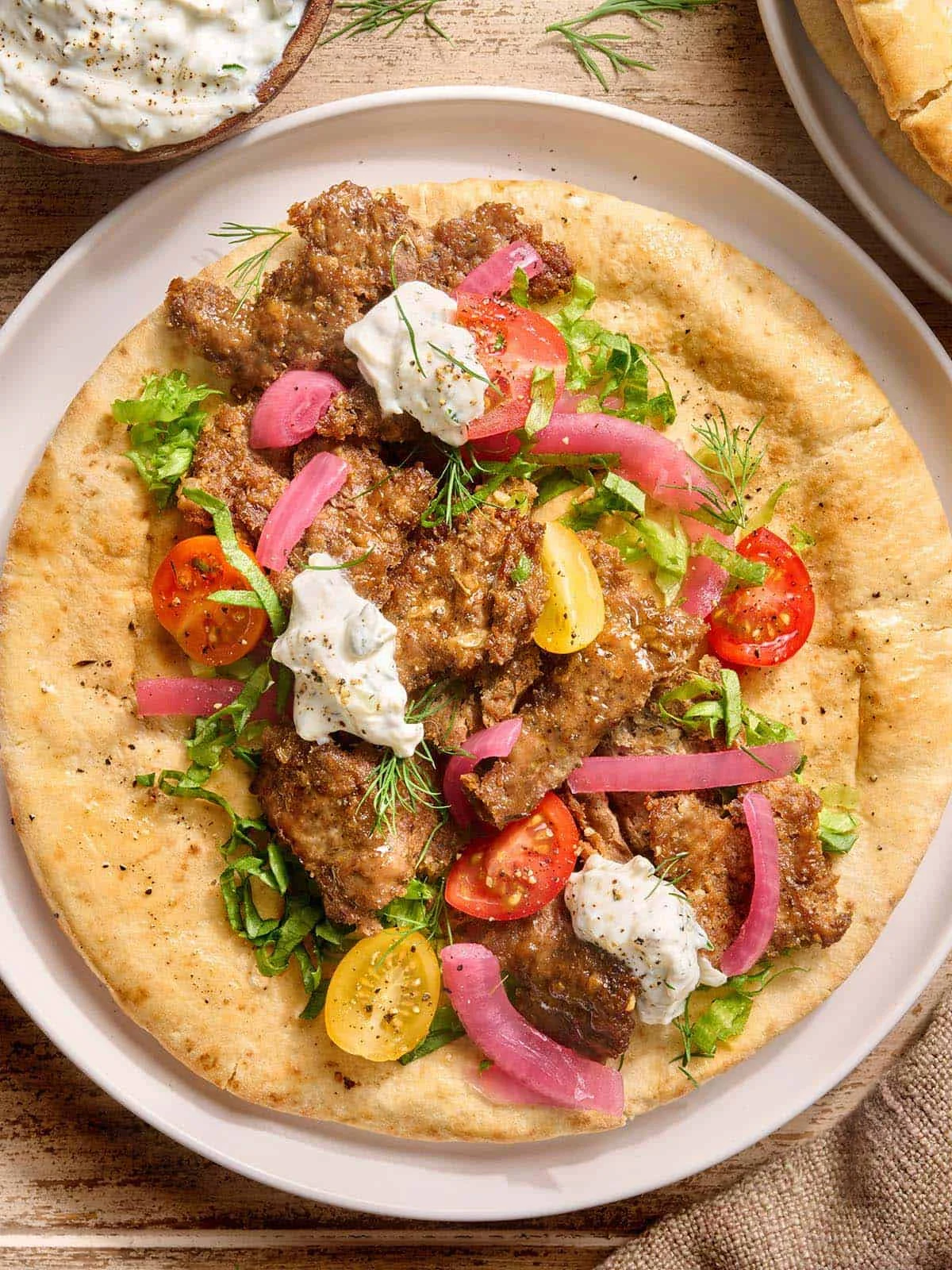
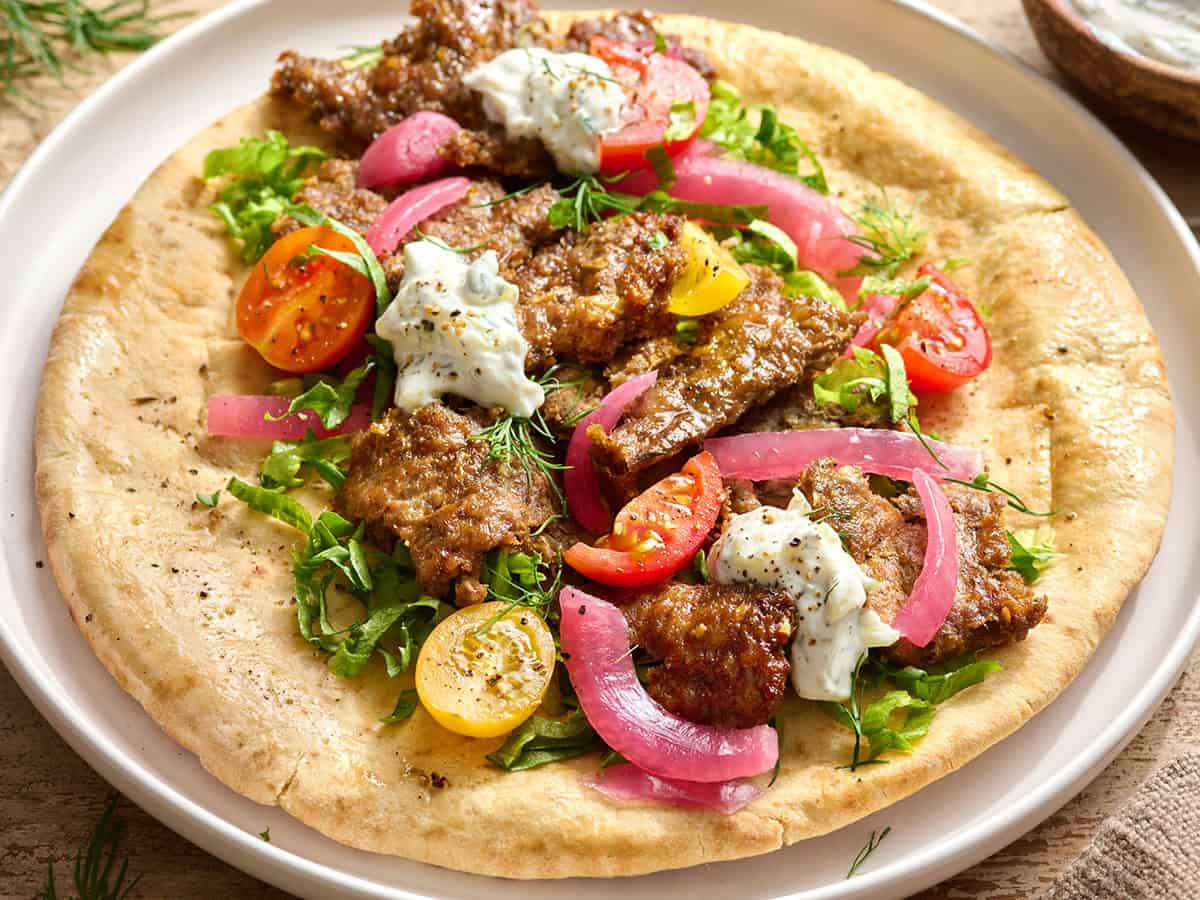
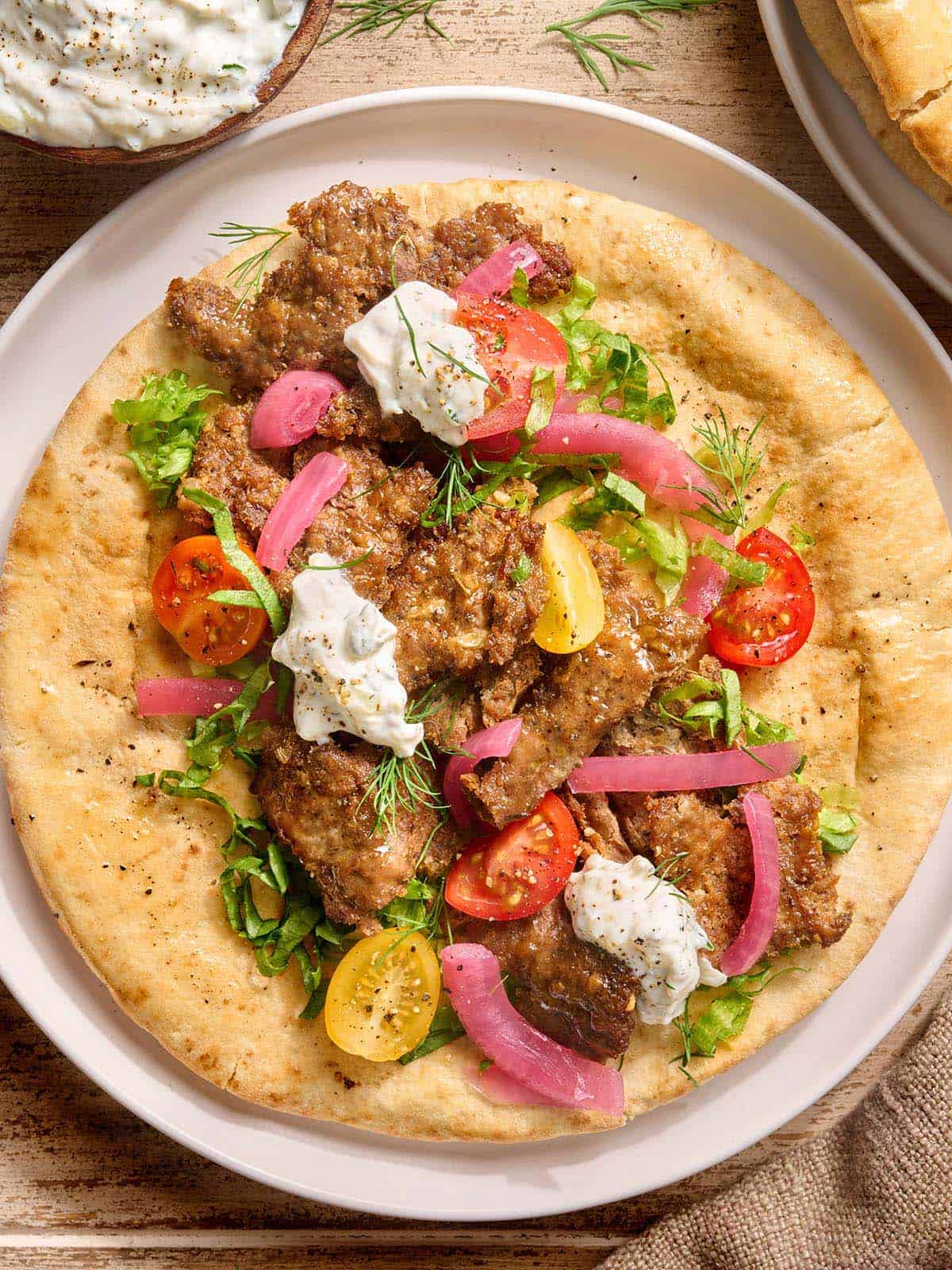
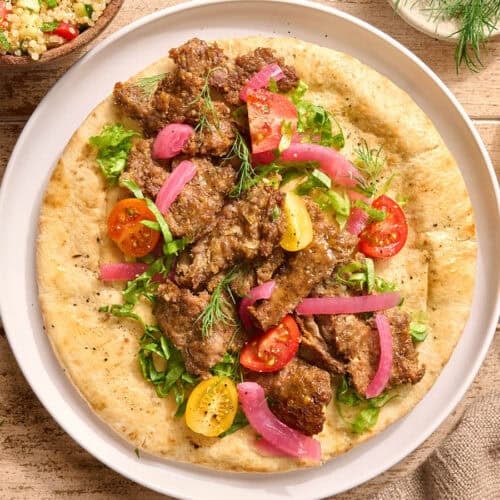
The culinary landscape of 2024 continues to be shaped by a dual pressure: the desire for authentic global flavors and the economic necessity of budget-conscious meal preparation. As food inflation impacts discretionary spending, a new method for preparing doner kebab has gained significant traction among home cooks. This "Sheet Pan Doner Kebab" technique, developed and refined in the Nashville Test Kitchen by recipe developer Melissa Nolan, provides a streamlined, affordable alternative to the traditional vertical-spit method. By utilizing common pantry staples and a unique rolling technique, the recipe achieves the characteristic thin, crispy edges of rotisserie meat for approximately $2.76 per serving, a fraction of the cost of contemporary Mediterranean takeout.
Historical Context and the Evolution of the Doner Kebab
The doner kebab, a staple of Turkish cuisine that achieved global ubiquity via the Turkish diaspora in Germany during the 1970s, traditionally relies on a vertical rotisserie. This method involves stacking seasoned slices of meat—usually a blend of lamb and beef—and slow-roasting them against a heat source. The meat is then shaved off in thin ribbons, ensuring a high ratio of browned, crispy surface area to tender interior.
For the average home cook, replicating this texture has historically been a challenge due to the specialized equipment required. Previous home adaptations often involved meatloaf-style blocks that were sliced and pan-fried, but these frequently lacked the delicate thinness of authentic street-food kebabs. The sheet-pan method represents a pivot toward accessibility, prioritizing the "Maillard reaction"—the chemical reaction between amino acids and reducing sugars that gives browned food its distinctive flavor—through high-heat broiling on a flat surface.
Development and Testing at the Nashville Test Kitchen
The current iteration of the sheet-pan doner kebab was subjected to rigorous testing protocols at the Budget Bytes Nashville Test Kitchen. Lead developer Melissa Nolan, a graduate of Johnson and Wales University with experience at high-profile establishments such as New York City’s Per Se, sought to create a version that eliminated the need for expensive meat blends or food processors.
"The goal was to mimic the thin layers of meat with browned, crispy edges using only standard kitchen tools," Nolan stated during the development process. The testing phase focused on three primary variables: meat composition, thickness of the raw mixture, and the optimal heat sequence.
The final protocol utilizes 73/27 ground beef. While leaner blends are often preferred for health reasons, the 27% fat content was found to be critical for maintaining moisture during the initial 15-minute bake. In a journalistic analysis of the technique, the fat acts as a thermal conductor, ensuring that even as the meat is rolled into thin sheets, it does not desiccate before the final broiling stage.
Technical Innovation: The Rolling and Folding Method
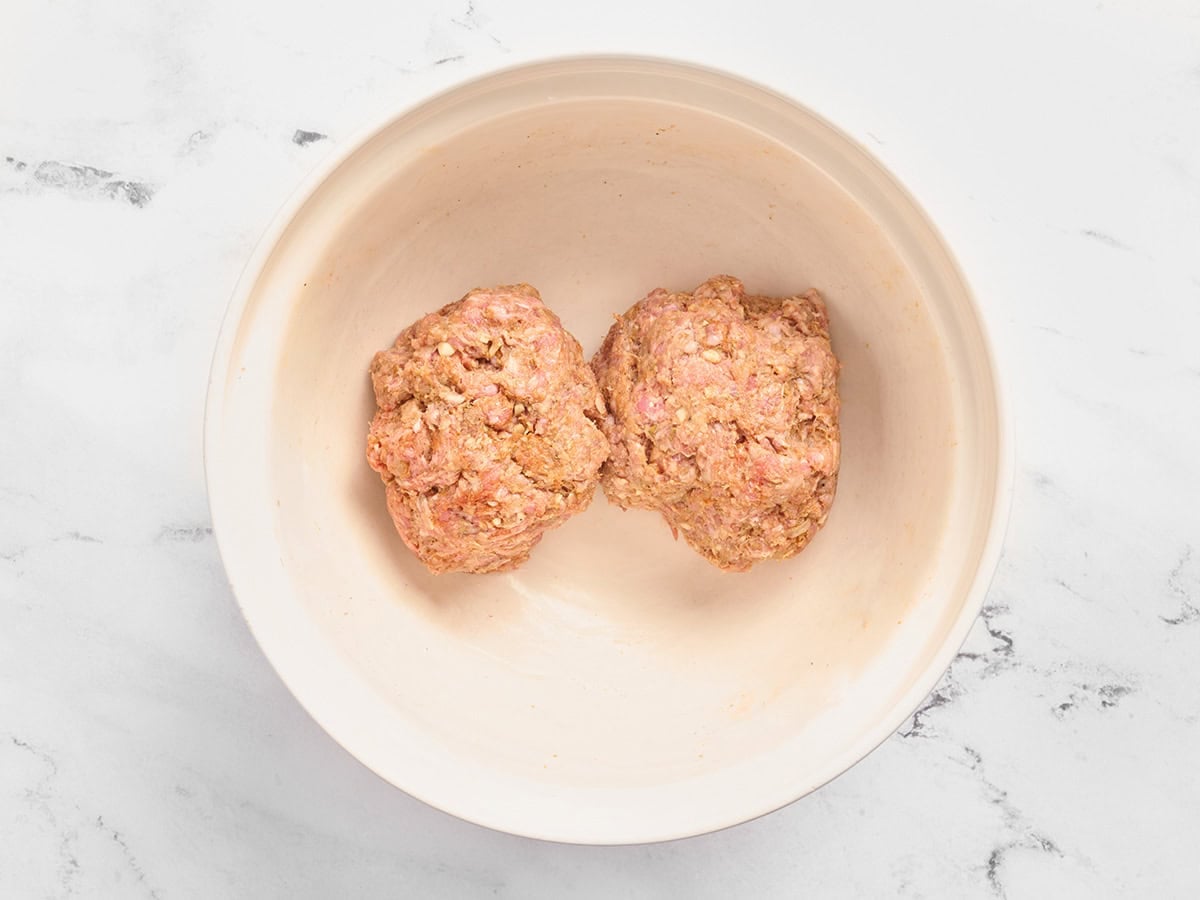
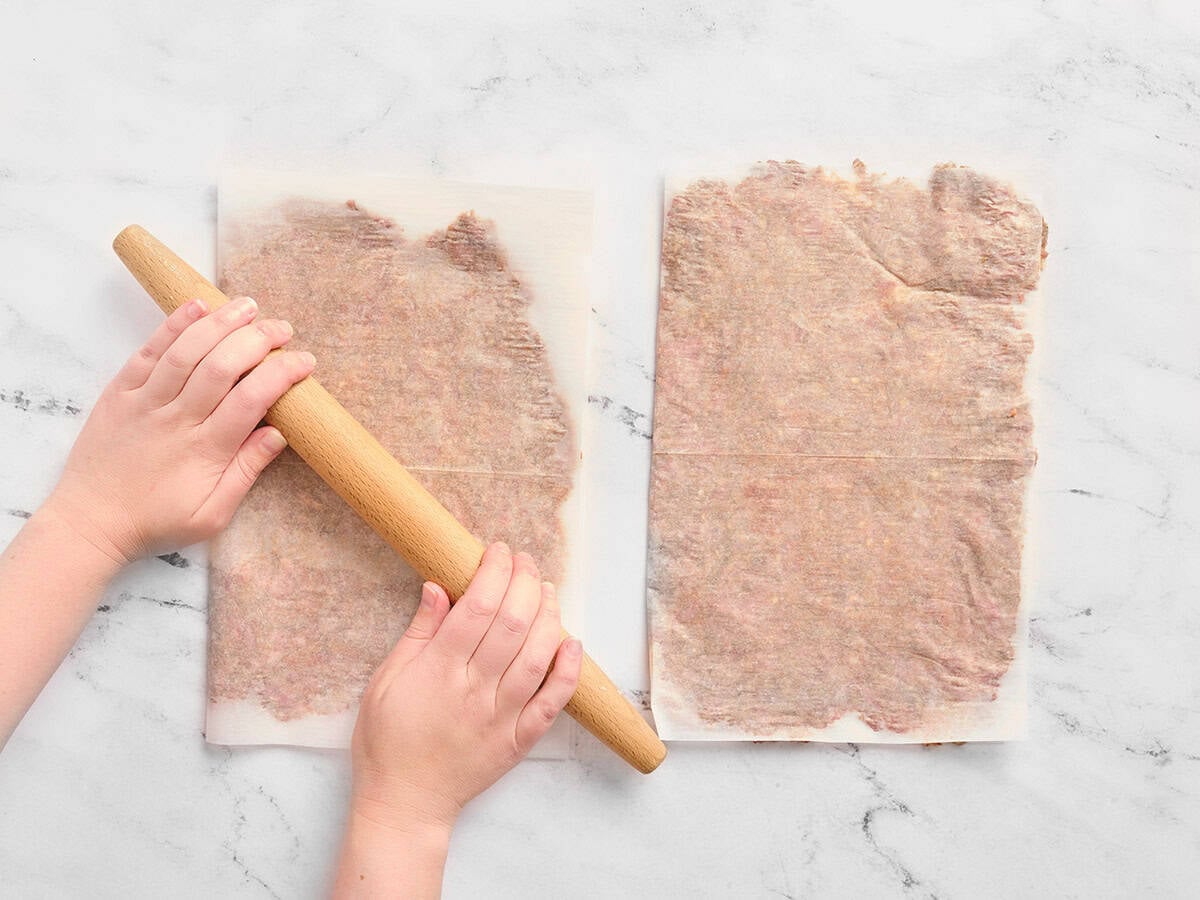
The most distinctive aspect of this recipe is the mechanical preparation of the beef. Rather than forming patties or a loaf, the seasoned ground beef is divided into two portions and rolled between sheets of parchment paper. This allows the cook to achieve a uniform thinness that would be impossible with manual shaping.
The chronology of the preparation is as follows:
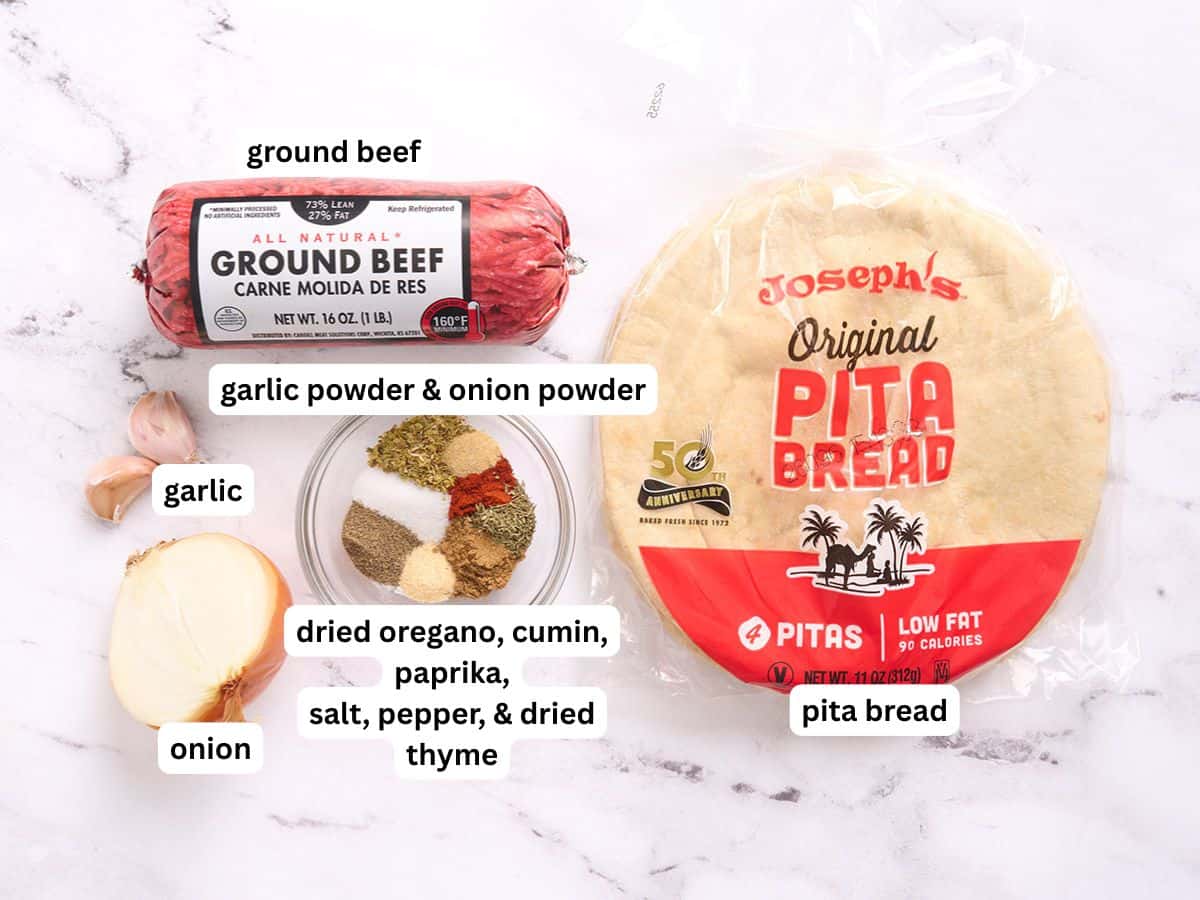
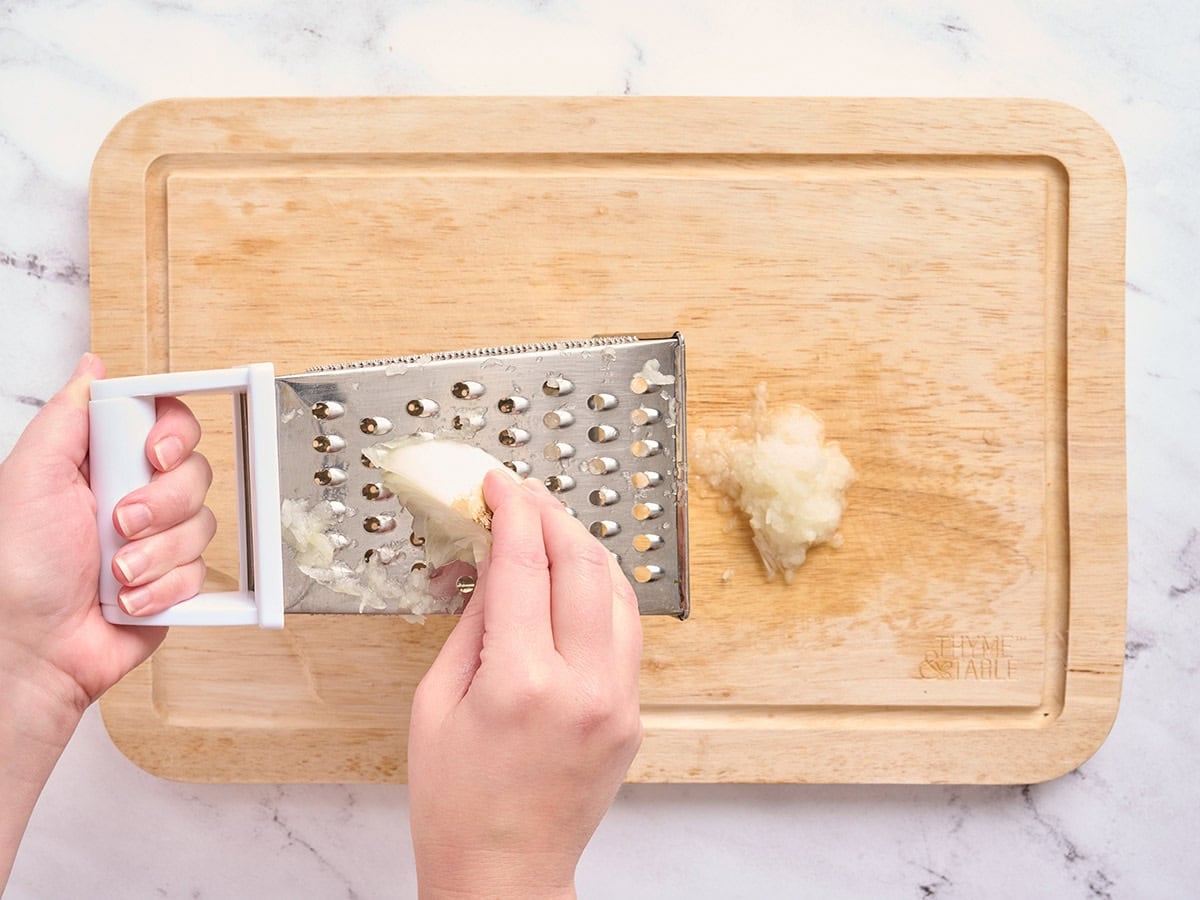
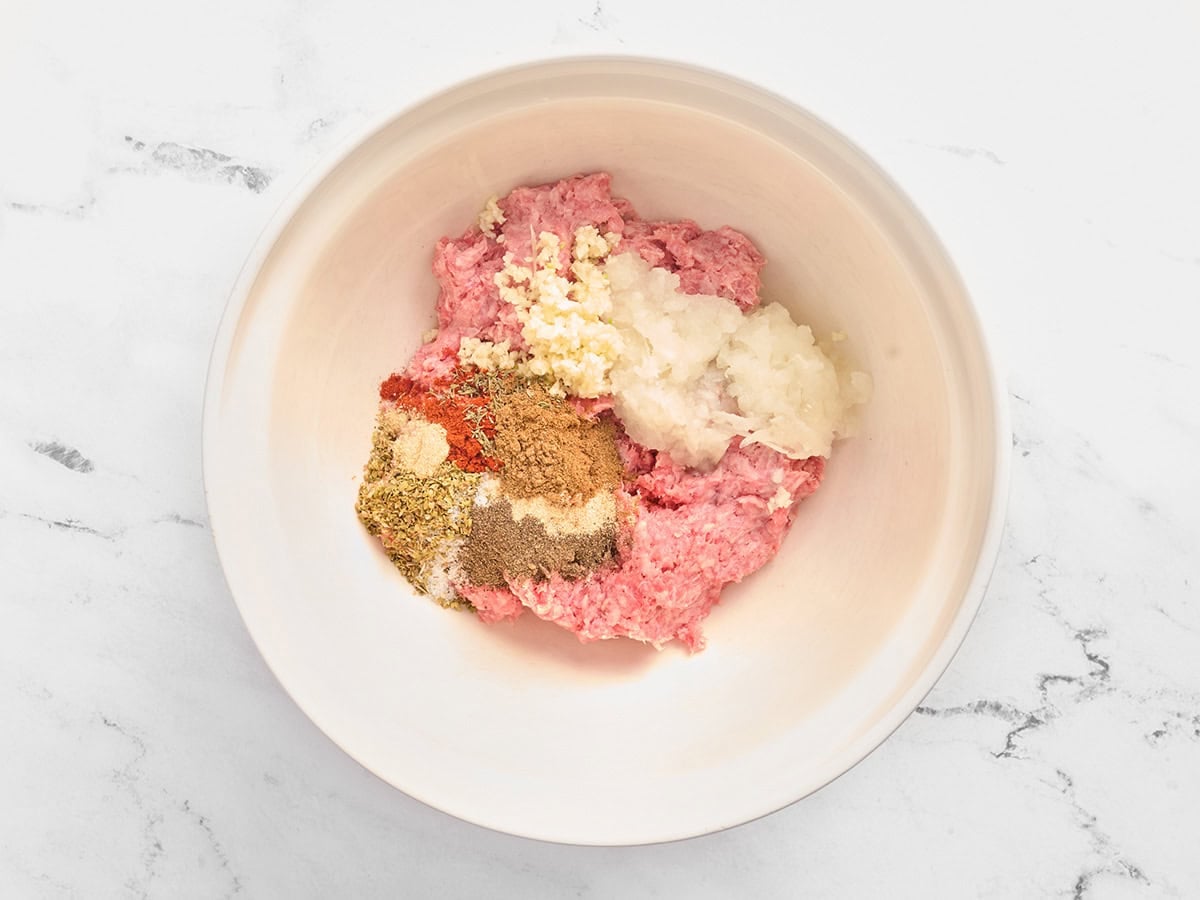
- Seasoning: One pound of ground beef is integrated with finely grated onion, minced garlic, and a proprietary blend of ten pantry spices, including cumin, paprika, oregano, and thyme.
- Compression: The meat is rolled flat until it reaches the edges of the parchment paper.
- Encapsulation: The parchment is folded into thirds, creating a sealed packet that traps steam during the initial cooking phase.
- Primary Cook: The packets are baked at 400°F (204°C) for 15 minutes, ensuring the meat reaches a safe internal temperature of 160°F.
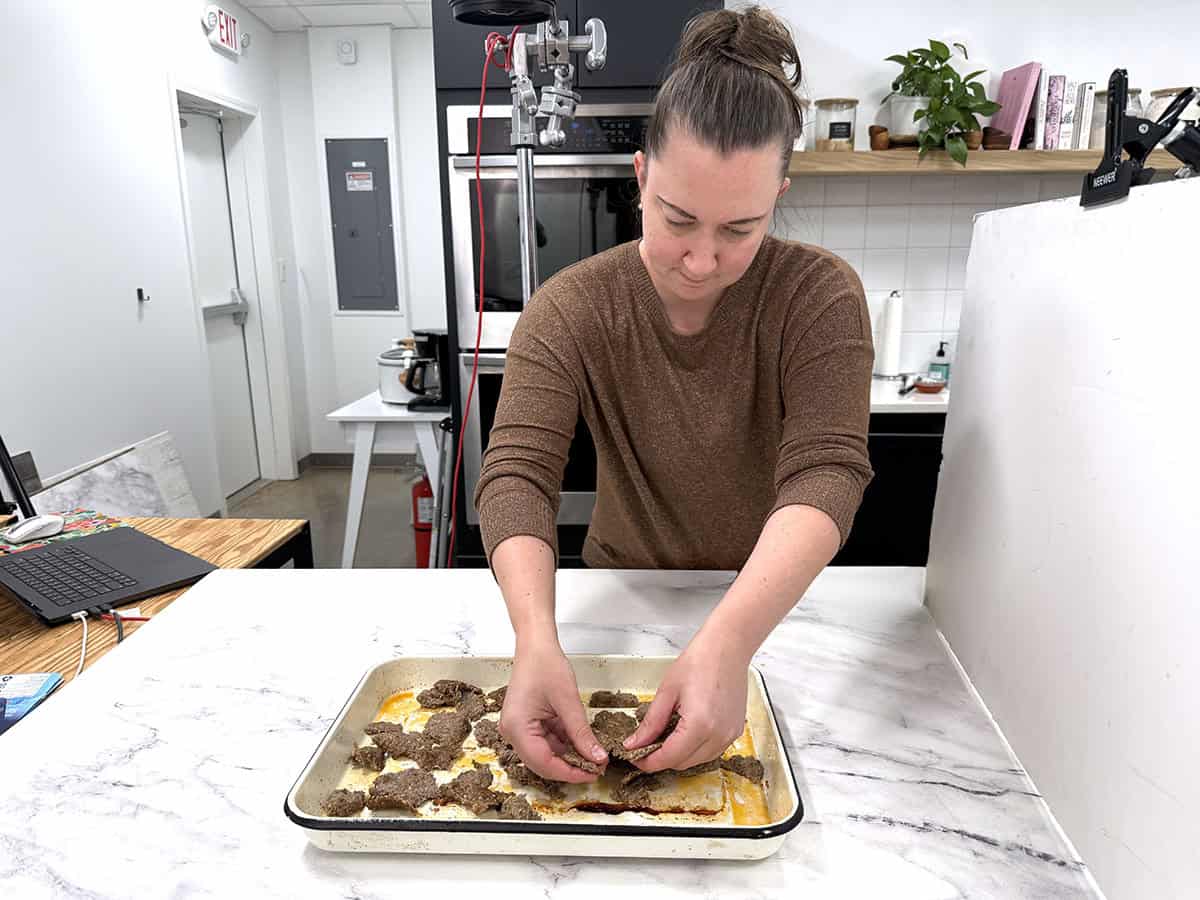
- Tearing and Broiling: After a brief cooling period, the meat is torn into irregular pieces—further mimicking the texture of shaved rotisserie meat—and broiled for three minutes to achieve crispness.
Economic Analysis of the Home-Cooked Alternative
As of late 2024, the Consumer Price Index (CPI) for food away from home has seen a steady increase, making traditional takeout a luxury for many households. An analysis of the Sheet Pan Doner Kebab’s cost highlights its viability as a budget-friendly staple.
| Component | Estimated Cost (Total) | Cost Per Serving (4) |
|---|---|---|
| Ground Beef (1 lb) | $5.50 | $1.38 |
| Pita Bread (4 count) | $2.50 | $0.63 |
| Tzatziki Ingredients | $2.00 | $0.50 |
| Spices & Aromatics | $1.05 | $0.25 |
| Total | $11.05 | $2.76 |
Note: Estimates based on average U.S. grocery prices in 2024. Optional fresh vegetable toppings may add $0.50–$1.00 to the total per serving.
By contrast, a standard doner kebab or gyro platter at a mid-range fast-casual restaurant currently averages between $12.00 and $16.00 before tax and gratuity. The home-cooked version provides a 77% to 82% cost saving, a significant margin for families and individuals managing tight budgets.
Nutritional Profile and Ingredient Integrity
The nutritional analysis of the recipe indicates a balanced profile suitable for a standard dinner. One serving, consisting of one filled pita with approximately one-quarter cup of homemade tzatziki, contains:
- Calories: 525 kcal
- Protein: 31g (62% of Daily Value)
- Fat: 27g (42% of Daily Value)
- Carbohydrates: 38g (13% of Daily Value)
- Sodium: 1270mg (55% of Daily Value)
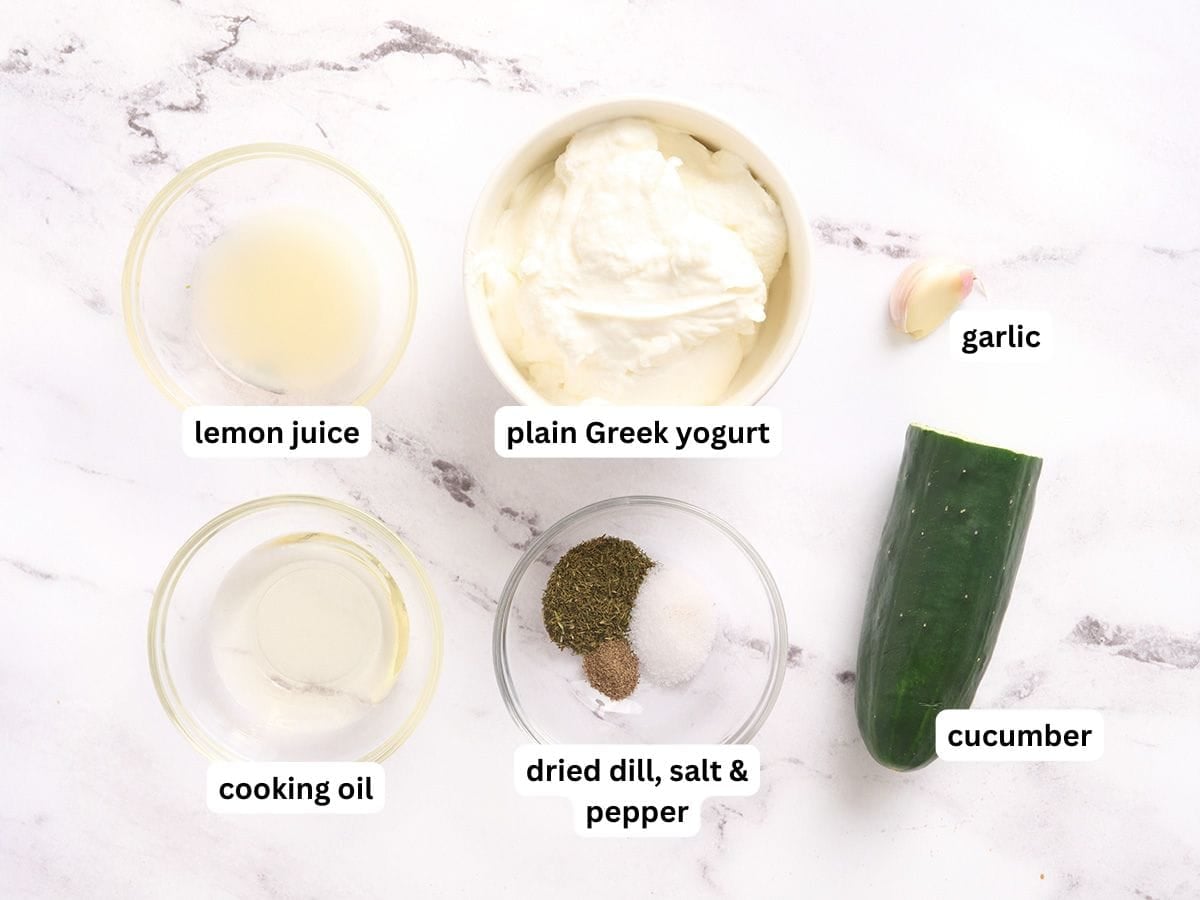
The sodium content is notably lower than many commercial takeout equivalents, which often rely on high salt concentrations for preservation and flavor enhancement. Furthermore, the inclusion of homemade tzatziki—made from Greek yogurt, fresh cucumber, lemon juice, and dill—adds probiotic benefits and reduces the reliance on processed stabilizers found in store-bought sauces.
The Role of Social Media in Culinary Trends
The rise of the sheet-pan doner kebab can be traced directly to viral trends on platforms such as Instagram and TikTok. Short-form video content has revolutionized recipe sharing, allowing "hacks" like the parchment-rolling method to reach millions of viewers instantaneously.
The Budget Bytes version of the recipe first appeared as a reel on Instagram, where it quickly became one of the platform’s most-saved culinary posts of the quarter. The transition from a viral video to a permanent, tested recipe on a major culinary website reflects a broader trend in the industry: the "democratization of the test kitchen." Digital platforms now act as real-time focus groups, where audience engagement dictates which recipes receive the full professional development treatment.
Broader Implications for Home Cooking
The success of the Sheet Pan Doner Kebab points to a shifting paradigm in home meal preparation. Consumers are increasingly moving away from "convenience foods" (such as frozen dinners) and toward "efficiency recipes"—dishes that require fresh ingredients but utilize clever techniques to minimize active labor and specialized equipment.
Furthermore, this recipe highlights the growing interest in Mediterranean-inspired diets, which emphasize lean proteins, healthy fats (from yogurt and olive oil), and fresh vegetables. By making these flavors accessible and affordable, developers like Nolan are enabling a wider demographic to engage with diverse culinary traditions.
Storage, Reheating, and Meal Prep Utility
In addition to its immediate dinner applications, the Sheet Pan Doner Kebab has been identified as a high-utility meal-prep option. The structural integrity of the broiled beef allows it to be refrigerated for three to four days without losing its flavor profile.
Official recommendations for reheating suggest using a skillet or an air fryer to maintain the crispy edges, as microwave heating can result in a softer texture. The ability to freeze the cooked meat for up to three months further enhances its value for households looking to reduce food waste and prepare for future meals during periods of high inflation or limited time.
As the culinary world continues to adapt to changing economic realities, the Sheet Pan Doner Kebab stands as a testament to the power of innovation within the constraints of a home kitchen. It bridges the gap between the aspiration for high-quality global cuisine and the practical need for affordability, proving that with the right technique, professional-grade results are achievable on a sheet pan.
