

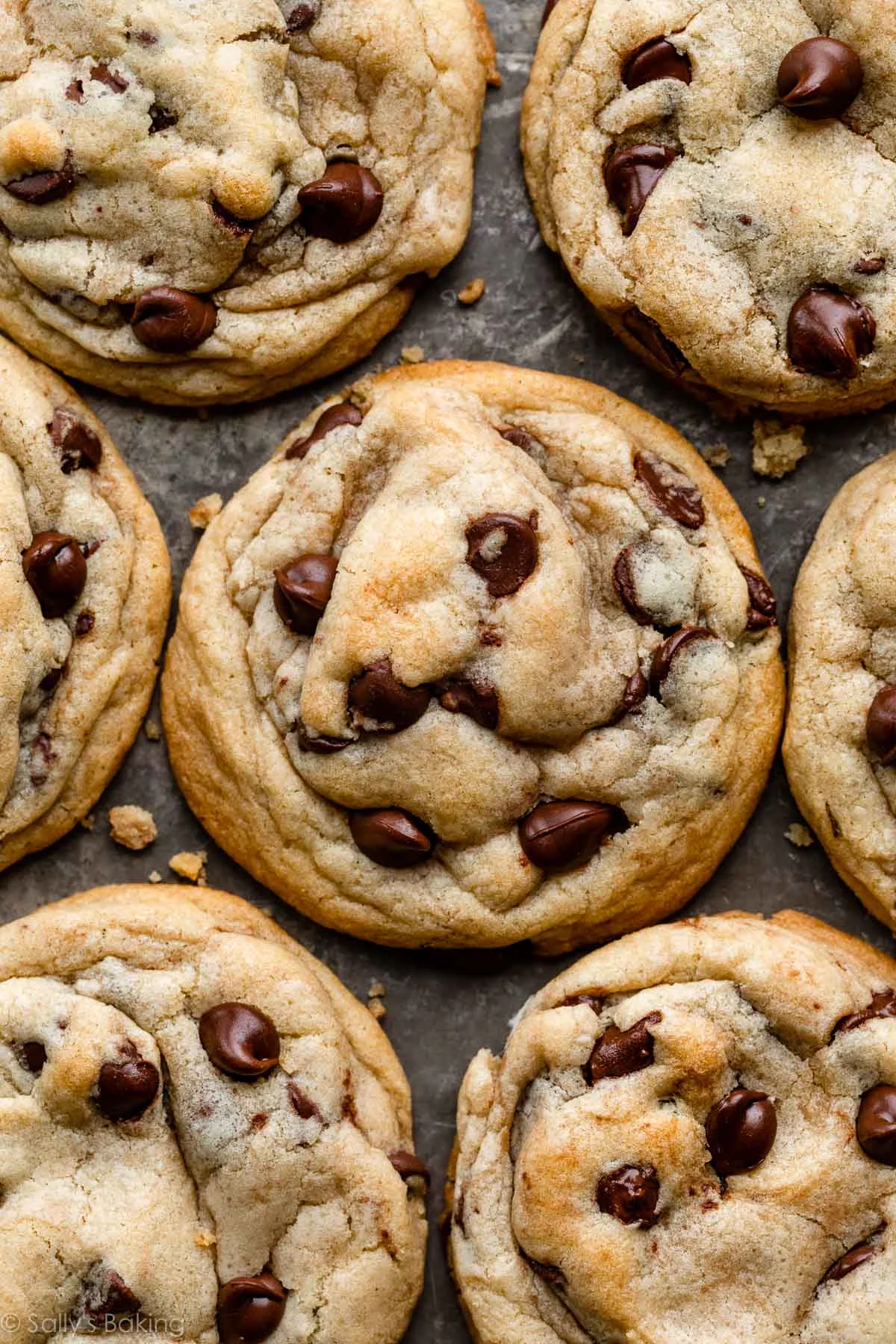
The burgeoning landscape of home baking, significantly amplified by global events and the pervasive influence of digital culinary content, has spotlighted the critical role of specialized equipment in achieving consistent, high-quality results. Far from being mere accessories, a carefully curated selection of baking tools forms the bedrock of success for both nascent enthusiasts and seasoned bakers. This comprehensive analysis delves into the ten indispensable tools recommended by industry experts, examining their functional significance, material science, market trends, and broader implications for the modern baking economy.
The Resurgence of Home Baking: A Contextual Overview
The past decade has witnessed a profound resurgence in home baking, a trend accelerated by periods of increased time spent at home and the widespread accessibility of online recipes and tutorials. Data from market research firms indicate a substantial uptick in the sales of baking ingredients and equipment, with the global kitchenware market projected to continue its robust growth trajectory. This renewed interest has transformed baking from a niche hobby into a mainstream activity, driving demand for tools that promise efficiency, precision, and durability. Culinary educators and digital content creators, such as renowned cookbook authors and online baking personalities, play a pivotal role in demystifying complex techniques and guiding consumers toward optimal equipment choices, shaping purchasing decisions across demographics.
The Science of Baking Success: Why Tools Matter
Baking, often likened to a precise science, demands exact measurements and controlled processes. The quality and type of tools employed directly impact every stage, from ingredient preparation to the final bake and cooling. Inferior equipment can lead to inconsistent heat distribution, inaccurate measurements, and compromised dough integrity, ultimately yielding substandard products. Conversely, investing in professional-grade tools ensures uniformity, reduces common baking frustrations, and elevates the overall quality of baked goods. "The right tools are not just conveniences; they are foundational to achieving repeatable, professional-grade results in any kitchen," notes a representative from a leading culinary equipment manufacturer, underscoring the shift from rudimentary kitchenware to performance-oriented instruments.
Essential Foundations: The Core Baking Ensemble
The journey to baking perfection begins with fundamental equipment designed for consistency and reliability.
1. High-Quality Half Sheet Pans
The baking sheet serves as the primary interface between the oven’s heat and the cookie dough, making its quality paramount. Thin, low-gauge pans are prone to warping under high temperatures, leading to uneven heat distribution and inconsistent baking. Darker pans absorb more heat, often causing cookie bottoms to over-brown or burn before the centers are adequately cooked. Industry leaders like Nordic Ware and USA Pan are frequently cited for their half sheet pans, constructed from durable aluminum that ensures excellent heat conductivity and resistance to warping. These pans typically feature a natural, lighter finish that promotes even browning across the entire surface.

- Material Science: Aluminum is favored for its superior thermal conductivity and lighter weight compared to steel. Anodized aluminum offers enhanced durability and a non-reactive surface.
- Market Trends: Consumer preference for sturdy, professional-grade bakeware has driven innovation in pan design, focusing on reinforced edges and non-stick properties without compromising heat transfer.
- Functional Imperative: Owning at least two quality half sheet pans is recommended to allow for a cool pan to be ready for subsequent batches, preventing premature spreading of dough due to residual heat. Beyond cookies, these versatile pans are staples for roasting vegetables, preparing sheet cakes, and various other culinary applications.
2. Silicone Baking Mats and Parchment Sheets
Lining baking sheets is a non-negotiable step for optimal cookie baking, serving multiple critical functions. Silicone baking mats, such as those from Silpat, offer a reusable, non-stick surface that promotes even browning and prevents sticking without the need for additional grease. Their slight grip helps cookies maintain their shape during baking, crucial for delicate recipes. Parchment paper, particularly pre-cut sheets, provides a convenient disposable alternative, offering similar benefits in terms of non-stick properties and easy cleanup. The use of non-stick sprays or butter is generally discouraged as it can create an excessively greasy surface, leading to excessive spreading of cookie dough.
- Innovation: The development of food-grade silicone for kitchenware revolutionized non-stick baking, offering a durable, heat-resistant, and eco-friendlier option than single-use liners.
- Environmental Considerations: Silicone mats, while requiring an initial investment, contribute to waste reduction over time, aligning with growing consumer demand for sustainable kitchen solutions.
- Standardization: The availability of 11×16-inch mats and pre-cut sheets ensures perfect compatibility with standard half sheet pans, simplifying the baking process.
3. Precision Cookie Scoops
Achieving uniform cookie size is critical for even baking, preventing some cookies from being overdone while others remain underbaked. Cookie scoops are engineered to portion dough accurately and efficiently, standardizing the size and shape of each cookie. A medium scoop, typically holding 1.5 tablespoons of dough, is the most common size for a wide array of cookie recipes.
- Ergonomics and Design: Modern cookie scoops feature spring-loaded mechanisms and ergonomic handles, reducing hand fatigue during repetitive use. Materials range from stainless steel for durability to plastic for lighter weight.
- Versatility: These tools extend their utility beyond cookies, proving invaluable for portioning muffin and cupcake batters, pancake mix, meatballs, and even ice cream.
- Impact on Consistency: Professional bakers frequently emphasize that consistent portioning is a key differentiator between amateur and professional results, directly influencing bake time and final texture.
4. The Indispensable Cooling Rack
The proper cooling of cookies is as vital as their baking. Transferring cookies from the hot baking sheet to a wire cooling rack after an initial brief rest period on the pan is crucial. This allows air to circulate freely around the entire cookie, preventing condensation build-up on the bottom which can lead to sogginess. Cooling racks are typically inexpensive, durable, and an essential component of any baking toolkit.
- Aeration Principle: The elevated grid structure of a cooling rack facilitates rapid and even cooling by maximizing air exposure, ensuring a crisp exterior and preventing residual heat from continuing to cook the cookies.
- Material and Stability: Racks are commonly made from chrome-plated steel or stainless steel, designed with sturdy feet for stability and often featuring a tight grid pattern to prevent smaller cookies from falling through.
- Quantity: Owning multiple racks is advisable, particularly for larger baking projects, to accommodate successive batches of cookies.
Powering Production: Mixing and Measuring for Perfection
For those who bake frequently, investment in higher-tier equipment significantly enhances efficiency and accuracy.
5. Stand Mixer
While a quality handheld mixer can suffice for occasional baking, a stand mixer represents a significant upgrade for serious bakers. Its robust motor and hands-free operation make it ideal for handling thick cookie doughs, kneading bread, and whipping meringues or buttercreams with ease. The 5-quart capacity is widely considered the optimal size for most standard baking recipes, balancing power with counter space considerations.
- Technological Advancements: Modern stand mixers offer variable speed settings, planetary mixing action for thorough incorporation of ingredients, and a wide array of attachments (dough hooks, whisk attachments, paddle attachments) that extend their utility far beyond basic mixing.
- Market Dominance: Brands like KitchenAid have become synonymous with stand mixers, demonstrating strong brand loyalty due to their durability and performance.
- Efficiency: The ability to add ingredients gradually while the mixer operates automatically frees up the baker’s hands for other preparatory tasks, streamlining the baking process significantly.
6. The Imperative of Accurate Measurement: Measuring Cups and Digital Food Scales
Precision in ingredient measurement is arguably the most critical factor in baking success. Baking is fundamentally a chemical process, where the ratio of ingredients directly influences the final texture, flavor, and structure of the product. While quality measuring cups are essential, a digital kitchen scale offers unparalleled accuracy.
- Volume vs. Weight: A gram of flour always weighs a gram, providing absolute consistency. Conversely, the volume of a cup of flour can vary by as much as 20-30% depending on how it’s scooped and packed. This variability is a frequent culprit behind inconsistent baking results.
- Culinary Education: Leading culinary institutions and recipe developers increasingly advocate for weighing ingredients, with many professional recipes providing both volume and weight measurements. This shift is part of a broader effort to elevate home baking standards.
- Data Correlation: Studies in food science laboratories consistently demonstrate a direct correlation between precise ingredient measurement by weight and the replicability of successful baking outcomes.
- Proper Technique: For those still using volume measurements, proper technique (e.g., spooning flour into a cup and leveling, rather than scooping directly) is crucial to minimize variability.
Shaping and Finishing: Artisanal Touches
These tools add an element of artistry and finesse to the baking process, particularly for decorative or specific cookie types.
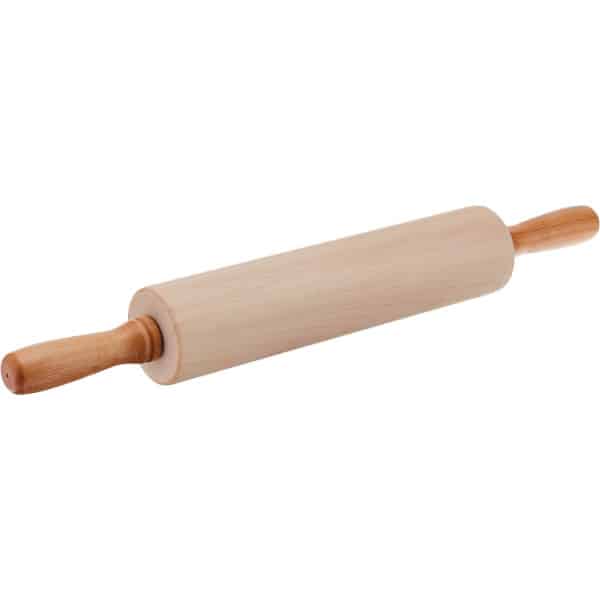
7. The Enduring Rolling Pin
A quality rolling pin is a timeless tool, essential for achieving uniform thickness in dough for sugar cookies, pie crusts, crackers, and even cinnamon rolls. The ideal rolling pin should feel balanced in the hand and possess a smooth, sturdy construction. Wooden rolling pins are a classic choice, prized for their natural weight and ability to absorb a small amount of flour, preventing sticking.
- Historical Context: Rolling pins have been used for millennia, with designs evolving from simple cylinders to sophisticated French-style tapered pins and American-style pins with handles.
- Material Diversity: Beyond wood, options include marble (for keeping dough cool), stainless steel (for hygiene and cooling), and silicone-coated pins (for non-stick properties).
- Craftsmanship: The durability and performance of a rolling pin are often a testament to its construction, with well-made pins lasting for decades with proper care.
8. Specialized Cookie Cutters and Presses
For decorative cookies, the quality of cookie cutters significantly impacts the final aesthetic. Flimsy, thin cutters can bend easily, resulting in ragged edges and distorted shapes. Sturdy metal cutters with sharp edges are preferred for their ability to create clean, precise cuts. Brands like Ann Clark offer a vast array of shapes, often sold in sets to provide versatility for various themes and occasions.
- Artistry and Customization: Cookie cutters enable bakers to create intricate designs, customize treats for holidays and special events, and add a personal touch to their baking.
- Material Durability: Metal cutters (tin-plated steel, stainless steel) offer superior durability and sharpness compared to plastic alternatives.
- Cookie Presses: For specific types of cookies, such as spritz cookies, a cookie press (e.g., OXO brand) is invaluable. These devices extrude dough through various decorative disks, creating uniform, intricate shapes with minimal effort. Their popularity surges during holiday seasons.
9. The Versatile Silicone Spatula
A kitchen workhorse, the silicone spatula is indispensable for a multitude of baking tasks. Its combination of flexibility and sturdiness makes it ideal for scraping every last bit of cookie dough from a mixing bowl, folding delicate ingredients, stirring batters, and even high-heat cooking. Owning several spatulas in various sizes ensures that the right tool is always at hand.
- Material Properties: Food-grade silicone is heat-resistant, non-reactive, and flexible, making it superior to traditional rubber spatulas. Its non-porous surface also promotes better hygiene.
- Ergonomics and Design: Modern spatulas feature comfortable handles and blades designed for maximum efficiency in scraping and mixing, often with reinforced cores for added strength.
- Multi-functional Utility: Beyond baking, silicone spatulas are used for cooking, frosting cakes, and transferring ingredients, making them one of the most frequently utilized tools in a well-equipped kitchen.
Presentation and Portability: The Final Flourish
The effort invested in baking merits a proper presentation, especially when sharing.
10. Dessert Carrier
Transporting homemade cookies requires careful consideration to preserve their pristine appearance and prevent damage. A sturdy dessert carrier is essential for gifting, potlucks, or any occasion where treats are moved from the kitchen.
- Preserving Quality: Carriers protect cookies from jostling, breakage, and environmental factors, ensuring they arrive in the same perfect condition as when they left the oven.
- Innovative Solutions: While dedicated cookie carriers exist, creative solutions include repurposing cupcake carriers (by flipping the tray upside down to create flat tiers for cookies), or using half sheet pan lids, or 9×13-inch pans with fitted lids for larger batches.
- Social and Gifting Contexts: The presentation of baked goods is often as important as their taste, particularly in social and gifting scenarios, where a well-protected delivery enhances the overall experience.
The Broader Implications for the Baking Community
The emphasis on quality baking tools reflects a broader trend toward culinary excellence in the home. This shift has several implications:
- Economic Impact: It fuels growth in the kitchenware manufacturing and retail sectors, driving innovation and competition among brands.
- Skill Development: Access to better tools empowers beginners to achieve more consistent results, fostering confidence and encouraging further exploration of baking. For experienced bakers, these tools allow for greater precision and the tackling of more complex recipes.
- Sustainability: The increasing focus on durable, multi-purpose tools encourages consumers to invest in items that last, potentially reducing waste associated with flimsy, short-lived kitchen gadgets.
In conclusion, the selection of baking tools is not merely a matter of convenience but a strategic investment in culinary success. From the foundational half sheet pan to the essential precision of a digital scale and the protective embrace of a dessert carrier, each tool plays a critical role in transforming raw ingredients into delectable, consistent, and beautifully presented cookies. As the home baking movement continues to thrive, the demand for high-quality, efficient, and reliable equipment will undoubtedly remain a cornerstone of the culinary landscape.
