

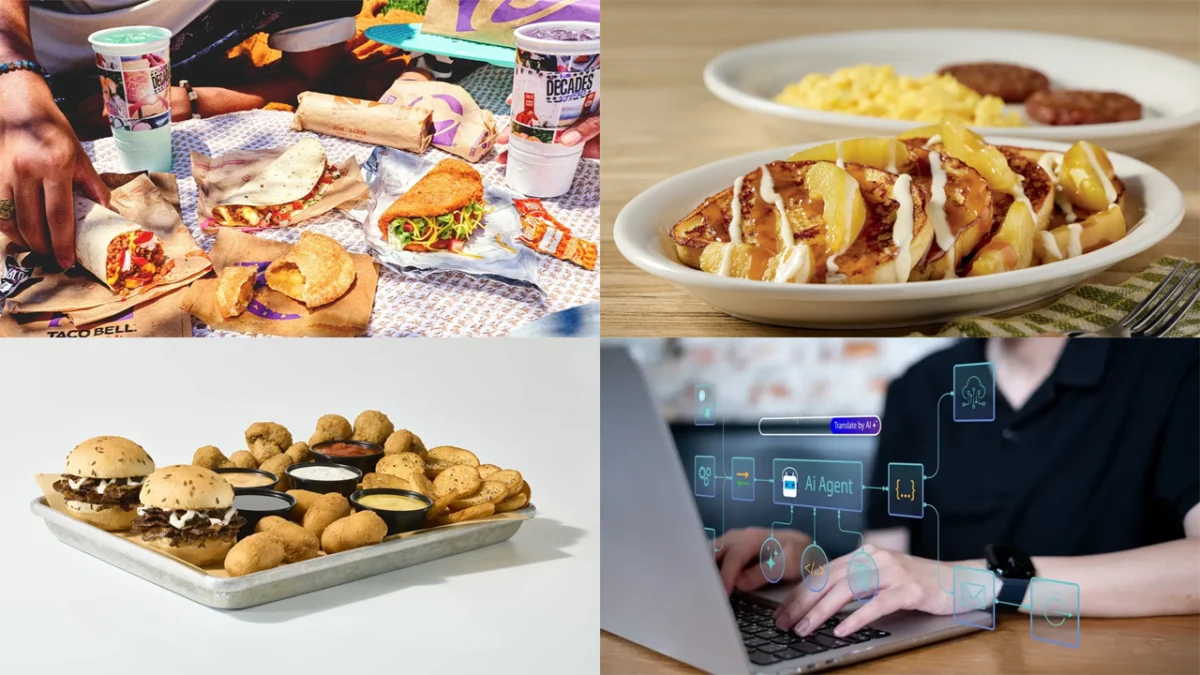
The fast-food landscape is perpetually evolving, with brands constantly seeking innovative ways to capture consumer attention and drive sales. This week, Nation’s Restaurant News highlighted a particularly intriguing strategy from Taco Bell: a new "Decades Menu" that harks back to the year 2016. This move is more than just a menu refresh; it taps into a palpable sense of nostalgia for a period that many younger consumers, particularly Gen Z and millennials, perceive as a simpler, less digitally saturated, and less globally turbulent time. The phenomenon of reminiscing about 2016 has gained significant traction online, with dedicated Reddit threads exploring its perceived normalcy and the 10-year trend cycle for pop culture revivals. Taco Bell’s "Decades #TBTB" initiative, featuring a lineup of popular items from that year, is a strategic play to leverage this cultural sentiment.
The Rise of 2016 Nostalgia and Its Culinary Manifestation
The year 2016 is increasingly being framed by younger demographics as a watershed moment, a perceived "last normal year" before a series of global events and the accelerating pace of digital life began to reshape everyday experiences. This sentiment is fueled by memories of a less commercialized internet, a perceived reduction in constant digital notifications, and a world that felt less fraught with immediate global disruptions. Online communities, most notably on Reddit, have become hubs for discussing and dissecting this era, often within the context of the 10-year pop culture recycling trend. This trend suggests that cultural touchstones from a decade prior are ripe for rediscovery and reinterpretation.
Taco Bell’s decision to launch the "Decades #TBTB" menu directly capitalizes on this burgeoning nostalgia. The "#TBTB" moniker itself is a clever nod to "Throwback Thursday," a popular social media tradition, further cementing the menu’s connection to online culture and the act of reminiscing. By resurrecting menu items that resonated with consumers in 2016, Taco Bell is not merely offering new products; it is offering a taste of a specific cultural moment, an edible embodiment of fond memories for a segment of its target audience.
Data Supporting Nostalgia Marketing
The effectiveness of nostalgia in marketing is well-documented. Research from organizations like the Nostalgia Marketing Institute suggests that invoking positive memories can increase brand loyalty, enhance emotional connection, and drive purchase intent. A 2022 study published in the Journal of Consumer Research found that nostalgic consumption experiences can lead to increased perceptions of social connectedness and a greater sense of self-continuity, both of which are highly valued by consumers. For brands like Taco Bell, which has a strong track record of engaging with younger consumers through culturally relevant campaigns, tapping into the specific nostalgia for 2016 represents a sophisticated and potentially highly lucrative marketing strategy.
Wendy’s Leadership Transition: A Strategic Realignment
In a significant development within the quick-service restaurant sector, Pete Suerken has announced his resignation as President of Wendy’s U.S. market. The filing, made public on Monday, also revealed Wendy’s decision to eliminate the position of U.S. President and replace it with a Chief Operating Officer role. While Suerken is stepping down from his leadership of the U.S. operations, he will not be departing the company. Instead, he is returning to his former position as the head of the fast-food chain’s supply chain cooperative.
Suerken’s tenure as President of Wendy’s U.S. market followed a successful period where he served as president and CEO of the Quality Supply Chain Co-Op from 2021 to 2025. His appointment to lead the U.S. operations was seen as a move to leverage his extensive experience in operational efficiency and supply chain management at a broader strategic level. The decision to dissolve the U.S. President role and establish a COO position suggests a potential restructuring of the company’s executive leadership, possibly aimed at streamlining decision-making processes and fostering a more integrated operational approach across different market segments.
Chronology of Suerken’s Roles at Wendy’s
- 2021-2025: Pete Suerken served as President and CEO of Wendy’s Quality Supply Chain Co-Op, overseeing the critical logistical and procurement functions for the brand.
- [Specific Date in 2025, inferred from article]: Suerken was appointed President of Wendy’s U.S. market, taking on broader leadership responsibilities for the company’s largest market.
- [Monday of the current week]: Wendy’s announces Suerken’s resignation from the U.S. President role and the elimination of the position, with Suerken returning to lead the Quality Supply Chain Co-Op.
Analysis of the Leadership Shift
The realignment at Wendy’s signals a strategic re-evaluation of its executive structure. The creation of a Chief Operating Officer role, often a more hands-on operational position than a market president, could indicate a focus on enhancing day-to-day execution and efficiency across the entire U.S. business. Suerken’s return to the supply chain cooperative is also noteworthy. This function is fundamental to the profitability and operational consistency of any large restaurant chain, and his deep expertise in this area suggests Wendy’s is prioritizing the robustness of its supply chain as a core strategic asset. This move could be interpreted as a proactive measure to navigate potential supply chain disruptions or to further optimize cost efficiencies in an increasingly competitive market.
Panera Bread Revamps Loyalty Program for Enhanced Customer Value
Panera Bread is set to launch an overhauled version of its customer loyalty program, MyPanera, on Wednesday. The revamped program is designed to provide customers with increased value, greater choice, and improved transparency. This initiative represents a significant effort by the bakery-cafe chain to deepen its engagement with its loyal customer base and respond to evolving consumer expectations regarding loyalty programs.
Joshua Fine, Panera’s Chief Digital Officer, stated that the new tiered MyPanera plan is a direct result of extensive customer feedback. The previous iteration of the loyalty program, characterized by what Fine described as "surprise and delight" rewards, often proved difficult for customers to understand and track. This lack of clarity could have led to missed opportunities for customers to maximize their benefits, potentially impacting overall program engagement and satisfaction.
Evolution of Loyalty Programs in the Food Industry
Loyalty programs have become a cornerstone of customer retention strategies across the restaurant industry. While early programs often focused on simple point accumulation or discount schemes, the trend has shifted towards more sophisticated, personalized, and value-driven models. Companies are increasingly leveraging data analytics to understand customer behavior and preferences, enabling them to offer more targeted rewards and experiences. The move by Panera to a tiered system suggests a desire to differentiate rewards based on customer engagement levels, encouraging higher spending and deeper brand loyalty.
Supporting Data on Loyalty Program Impact
A report by Bain & Company indicates that companies with strong loyalty programs experience significantly higher customer retention rates and increased customer lifetime value. Studies have shown that customers who are part of loyalty programs tend to spend more frequently and are more likely to try new products. Furthermore, transparency and ease of understanding are critical factors for program success. A Bond Brand Loyalty report found that over 60% of consumers are more likely to remain loyal to a brand if its loyalty program is easy to understand and use. Panera’s focus on addressing these specific pain points in their new program suggests a strategic understanding of what drives success in the modern loyalty landscape.
Broader Industry Trends: Menu Innovation and Consumer Engagement
The news from Nation’s Restaurant News this week reflects several overarching trends in the restaurant industry. Taco Bell’s embrace of nostalgia marketing highlights the growing importance of emotional connection and cultural relevance in attracting and retaining customers, particularly younger demographics. The shifts in leadership at Wendy’s underscore the continuous drive for operational efficiency and strategic realignment within large corporations. Meanwhile, Panera Bread’s loyalty program overhaul demonstrates a commitment to enhancing customer value and transparency, a crucial element in building lasting relationships in a competitive market.
The industry is also witnessing a surge in limited-time offers and menu refreshes, as seen in the related article about McDonald’s bringing back Spicy Chicken McNuggets. These tactics are employed to generate buzz, drive traffic, and cater to evolving consumer tastes. However, the long-term success of such strategies often depends on a brand’s ability to connect with consumers on a deeper level, whether through shared cultural touchstones, enhanced value propositions, or seamless digital experiences. As the restaurant sector continues to navigate economic uncertainties and changing consumer behaviors, companies that can effectively blend innovation with genuine customer engagement are likely to emerge as leaders. The continued evolution of loyalty programs, the strategic use of nostalgia, and the optimization of operational leadership will remain critical factors in shaping the future of the industry.
