

The past week has seen a fascinating confluence of events spanning the culinary world, celebrity culture, technological advancements, and pressing public health concerns, painting a vivid picture of contemporary consumer trends and societal shifts. While the global palate inexplicably gravitates towards a resurgence of frozen yogurt, drawing long queues reminiscent of past fads, a steadfast preference for classic soft-serve endures, championed by enthusiasts and artisanal creameries alike. Simultaneously, the intersection of tech and celebrity has sparked public debate, as lifestyle mogul Gwyneth Paltrow prepares to host a controversial dinner honoring OpenAI’s Sam Altman, even as a bizarre, viral campaign led by NFL star Jason Kelce satirically targets the burgeoning data center industry. These cultural touchpoints unfold against a backdrop of escalating food safety alarms, with a critical blueberry recall highlighting systemic vulnerabilities, and significant economic shifts in the protein market as soaring beef prices push American consumers towards more affordable alternatives like chicken. Amidst these dynamic shifts, the boutique hospitality sector offers a serene escape, epitomized by the hyper-seasonal culinary experience at Piaule Catskill, reflecting a growing desire for mindful indulgence and local sourcing.
The Unyielding Allure of Soft-Serve and the Froyo Phenomenon
In an era defined by fleeting trends and social media virality, the world of frozen desserts is currently experiencing a curious dichotomy. While frozen yogurt, or "froyo," has inexplicably re-emerged as a major "thing," prompting lengthy queues reminiscent of its 1980s and 2000s heydays, a dedicated contingent of connoisseurs remains firmly rooted in the timeless appeal of soft-serve. This summer, reports indicate a noticeable uptick in demand for froyo, particularly from brands that emphasize customizable toppings and perceived health benefits, appealing to a consumer base increasingly conscious of dietary choices while still seeking indulgent treats. Market research firms have noted a modest but significant growth in the frozen dessert sector, with froyo often positioned as a "healthier" alternative to traditional ice cream, despite varying nutritional profiles.
However, the enduring charm of classic soft-serve continues to captivate. Its creamy texture and nostalgic appeal offer a comforting simplicity that often transcends the elaborate toppings and flavors associated with froyo. During a recent culinary exploration in Montreal, the dual delight of a chocolate-blueberry swirl and a cantaloupe cone from Dalmata underscored this sentiment, showcasing innovative flavor combinations within the beloved soft-serve format. This preference extends to highly anticipated establishments such as Leo, Caffe Panna, and Hani’s, which remain on many enthusiasts’ must-visit lists, celebrated for their unique soft-serve offerings. The ultimate expression of this dedication even extends to the consideration of home-based solutions, with the Ninja Creami machine gaining popularity among those who desire instant access to custom-made frozen treats, illustrating a broader trend of consumers seeking to replicate artisanal experiences in their own kitchens. The ebb and flow of these dessert preferences highlight a fascinating interplay between nostalgia, perceived wellness, and the ever-present desire for simple, delicious indulgence in the food landscape.
Major Food Group’s Calculated Expansion: Beyond the Glitz
The Major Food Group (MFG), a hospitality empire known for its opulent and theatrical dining experiences, recently became the subject of an extensive GQ feature, which largely focused on the brand’s rapid expansion, immense wealth, and overt display of excess. The article painted a picture of "world domination" through a strategy of "riches and excess," reflecting the group’s reputation for lavish venues like Carbone, which has become a magnet for celebrities and the affluent. MFG’s portfolio, which includes a diverse range of concepts from fine dining to more casual eateries and even hotels, has indeed grown at an astonishing pace, with establishments now spanning major cities globally, from New York to Miami, Las Vegas, and Hong Kong. This aggressive expansion, often characterized by a distinctive retro-chic aesthetic and bold branding, has solidified MFG’s position as a powerhouse in the luxury hospitality sector.
However, beneath the veneer of extravagant design and high-profile clientele, a deeper, more meticulous operational philosophy underpins MFG’s success. Earlier journalistic inquiries into the MFG trio revealed a "careful calibration behind that excess," highlighting an unwavering commitment to technique and the finer points of service. Founders Jeff Zalaznick, Mario Carbone, and Rich Torrisi have consistently emphasized the importance of rigorous culinary execution, impeccable front-of-house service, and an obsessive attention to detail that elevates their establishments far beyond mere showmanship. This strategic focus on operational excellence ensures that while the experiences are undeniably grand, the underlying quality of food and service remains paramount. It is this dedication to foundational principles that prevents a flagship restaurant like Carbone, or any of MFG’s numerous other projects, from devolving into a generic, entertainment-first venue akin to a "Dave & Busters," thereby maintaining its reputation for high-quality, memorable dining experiences despite its formidable scale. The balance between ambitious growth and exacting standards is a crucial, often overlooked, aspect of MFG’s enduring influence in the global culinary scene.
Gwyneth Paltrow’s AI Dinner and the Tech-Wellness Nexus
The convergence of celebrity, technology, and public discourse reached a peculiar peak this week with the revelation that Goop founder Gwyneth Paltrow is slated to host an "off-the-record alfresco dinner" at her home in honor of Sam Altman, the CEO of OpenAI. Scheduled for an upcoming weekend, the event has quickly ignited a flurry of online discussion and scrutiny. Paltrow, a prominent figure in the wellness and lifestyle industry through her brand Goop, which often promotes unconventional health practices and luxury products, is seen by many as providing a "ringing endorsement" of Altman and his AI endeavors. This endorsement comes despite OpenAI’s ongoing controversies, which range from ethical concerns regarding AI bias and data privacy to broader societal anxieties about job displacement and the highly debated "existential threat to humanity" posed by advanced artificial intelligence.
The situation was further complicated by the alleged nature of the event’s invitation itself. Reports suggest the invite, initially leaked and widely circulated online, was generated using artificial intelligence. This detail sparked considerable irony and commentary, given the guest of honor’s profession. As the online "kerfuffle" intensified across social media platforms, Paltrow reportedly attempted to "meme herself out of it," engaging in a self-deprecating response to the criticism. This public relations strategy, while attempting to defuse tension with humor, also drew further attention to the perceived insensitivity of celebrating a figure at the center of profound ethical debates, particularly when the event itself is shrouded in an air of exclusivity and detachment from the broader societal implications of AI. The dinner highlights the increasing trend of tech leaders seeking validation and integration within traditional power structures and celebrity circles, using such platforms to normalize or legitimize nascent technologies, irrespective of public apprehension or critical scrutiny.
Jason Kelce’s Viral Call to Action: Pissing Off Data Centers
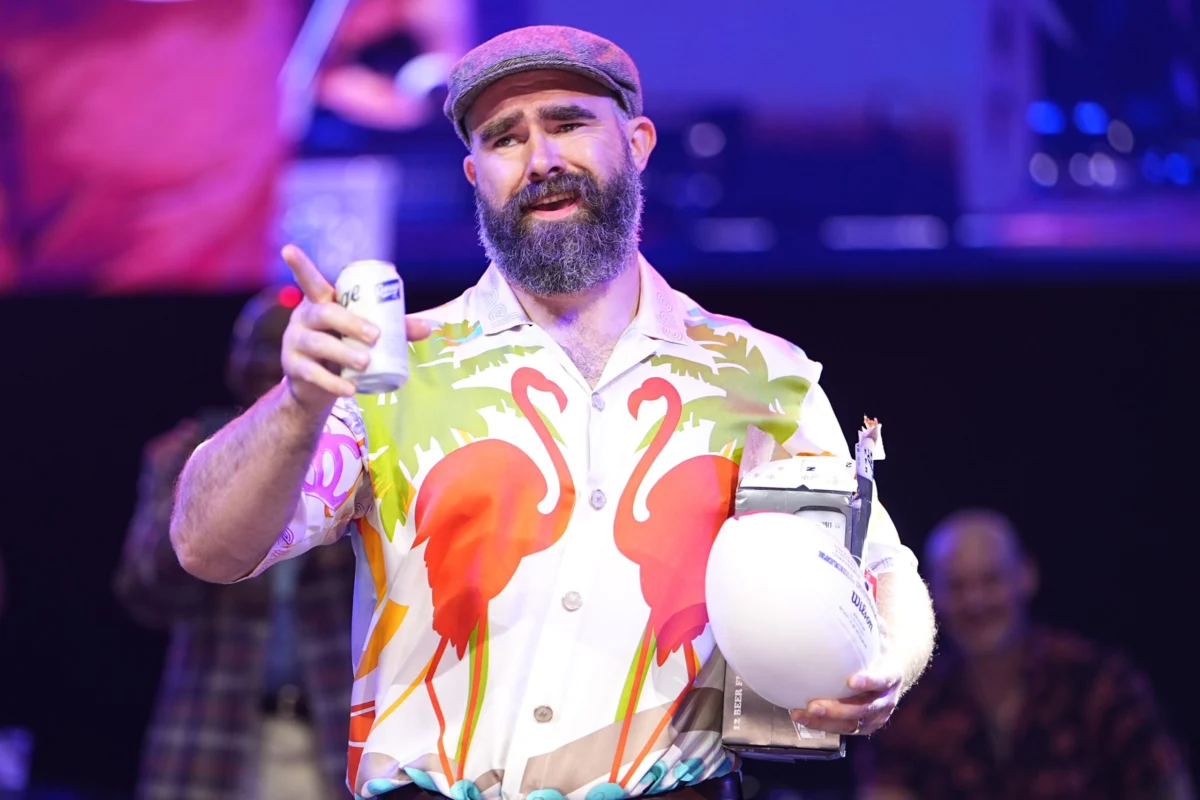
In an unexpected and humorously provocative turn, former NFL star Jason Kelce has made headlines not for his prowess on the football field, but for his involvement in a wildly unconventional marketing campaign. In an advertisement for his beer company, Garage Beer, produced in collaboration with the notoriously audacious Liquid Death mountain water brand, Kelce starred in a video joyfully singing a call to action, urging his audience to ship their urine to data centers. The campaign, which quickly went viral, is characteristic of Liquid Death’s brand identity, known for its irreverent and often shocking marketing tactics designed to capture maximum attention. However, it represents a notable departure for Kelce, whose public persona, while charismatic and outspoken, had not previously ventured into such overtly bizarre territory.
The video’s impact was immediate and significant. Within a day of its release, it garnered over 1.5 million views across various platforms, demonstrating the potent combination of celebrity endorsement and edgy humor. The accompanying "pee jars," marketed as the official receptacles for contributing to the cause of sending urine to data centers, sold out rapidly, indicating a surprising level of public engagement and enthusiasm for the peculiar campaign. Beyond its comedic value, the advertisement taps into a growing sentiment of public opposition to the proliferation of data centers. These massive facilities, essential for powering artificial intelligence programs and cloud computing, have become a focal point for environmental concerns due to their substantial energy consumption and water usage, as well as their significant land footprint. Opposition to new data center construction has emerged as a rare unifying political issue across various demographics in America, with local communities often voicing strong objections to their development. While there have been no verified reports of data centers actually receiving jars of urine, the campaign effectively leveraged humor to highlight a serious and increasingly bipartisan environmental concern, showcasing the unexpected ways in which public figures can engage with socio-political issues through creative, albeit eccentric, marketing.
Escalating Food Recalls: The Peril of Pathogens and Policy
The integrity of the American food supply chain has once again been cast into doubt following a critical Class 1 recall of blueberries sold at Publix, due to the confirmed risk of E. coli contamination. This recall, deemed by the Food and Drug Administration (FDA) as carrying a "reasonable probability" of causing "serious adverse health consequences or death" upon exposure or consumption, underscores a worrying trend in food safety. The recent incident follows a series of other high-profile foodborne illness outbreaks, including previous warnings about Cyclospora in lettuce and Salmonella risks associated with jalapeños, painting a concerning picture of the nation’s food safety mechanisms.
The summer months inherently present an increased likelihood for the proliferation of foodborne pathogens due to warmer temperatures, which create ideal conditions for bacterial growth. However, experts in food safety and public health are increasingly pointing to systemic vulnerabilities beyond seasonal factors. There is growing concern that significant budget cuts to federal agencies responsible for inspecting food and enforcing safety procedures, such as the FDA and the U.S. Department of Agriculture (USDA), could be contributing to a weakening of food safety standards. These agencies play a crucial role in monitoring agricultural practices, processing plants, and distribution networks to prevent contamination. Reductions in funding and staffing can lead to fewer inspections, slower response times to outbreaks, and a diminished capacity to proactively implement and enforce stringent safety protocols. Consumer advocacy groups and public health officials have voiced alarms about the potential long-term consequences, arguing that such cuts compromise the nation’s ability to safeguard its food supply effectively. This situation highlights a complex interplay of environmental factors, regulatory oversight, and policy decisions that collectively determine the safety and trustworthiness of the food on consumers’ plates.
The Shifting American Palate: Beef’s Decline Amidst Soaring Prices
For generations, beef has held an almost sacrosanct position in the American diet, synonymous with backyard barbecues, hearty dinners, and a cultural identity. However, recent economic data suggests a significant shift is underway, challenging beef’s long-standing reign. According to a report from the LA Times, beef sales have experienced a year-over-year contraction, while sales of chicken have continued to climb, outpacing beef’s market share. This pivot in consumer preference is largely attributable to the persistently high price of beef, which has reached levels that are increasingly unaffordable for many American households.
Several factors have contributed to this escalation in beef prices. A major cause cited is the "screwworm issue," a parasitic infestation that led the U.S. to impose a temporary halt on cattle imports from Mexico for over a year. This disruption significantly impacted the supply chain, as Mexico is a key source of feeder cattle for U.S. ranchers. While imports are slated to resume later this month, agricultural economists caution that it will take considerable time for the market to stabilize and for prices to potentially recede. Beyond the screwworm crisis, broader economic pressures such as inflation, rising feed costs for livestock, and labor shortages in processing plants have also played a role in driving up production expenses, which are ultimately passed on to consumers.
The sustained high prices have compelled consumers to seek more economical protein alternatives, with chicken emerging as the primary beneficiary. Its versatility, lower cost, and perceived health benefits have made it an increasingly attractive option. Data from the USDA indicates a consistent, albeit gradual, increase in per capita chicken consumption over the past decade, a trend that has accelerated recently. This shift has profound implications for the agricultural industry, potentially leading to increased investment in poultry farming and processing, while challenging the traditional dominance of the beef sector. Experts suggest that while Americans may still love their beef, the current economic realities are reshaping dietary habits and driving a long-term re-evaluation of household protein choices, making chicken a more frequent centerpiece on the American dinner table.
Piaule Catskill: A Sanctuary of Seasonal Indulgence
In a world increasingly seeking respite from the relentless pace of modern life, the rise of boutique hospitality and experiential getaways has gained significant traction. Piaule Catskill, a chic and understated retreat nestled in upstate New York, perfectly embodies this trend, offering a sanctuary that marries minimalist design with profound connection to nature and a commitment to hyper-seasonal gastronomy. The property, featuring 24 thoughtfully designed cabins, provides a unique blend of luxury and tranquility, appealing to those who yearn for an escape that is both indulgent and grounded.
Piaule’s culinary philosophy is a cornerstone of its appeal. Embracing the farm-to-table movement, the retreat serves "outstanding locally sourced fare," with a menu that changes frequently to reflect the freshest ingredients available from regional farms and producers. This dedication to "hyper-seasonal" dining means guests can expect dishes that are not only exquisite but also deeply connected to the Catskills’ agricultural bounty. For instance, a summer visit might feature delicate preparations of foraged mushrooms, heirloom tomatoes, or freshly caught trout, while autumn could bring hearty stews showcasing root vegetables and game from nearby purveyors. This approach not only ensures peak flavor and freshness but also supports local economies and promotes sustainable practices. The immersive experience at Piaule, as highlighted by Bon Appétit‘s Kate Kassin, offers more than just a meal; it provides a narrative of place, a celebration of regional flavors, and a profound sense of reconnection to the natural world. It caters to a growing desire for mindful travel and conscious consumption, transforming a simple getaway into a holistic sensory journey, a truly restorative alternative to the demands of everyday life.
These disparate narratives, from the frivolous to the profound, collectively underscore the dynamic nature of contemporary culture. Whether it’s the shifting tides of culinary preferences, the ethical quandaries posed by rapidly advancing technology, the ingenious and sometimes absurd methods of public advocacy, the critical vulnerabilities within our food systems, or the evolving landscape of travel and leisure, each story reflects a facet of a society in constant flux. These threads, seemingly unrelated, weave together to form a complex tapestry of consumer choices, technological impact, economic realities, and the persistent human desire for both indulgence and meaning in an ever-changing world.
