

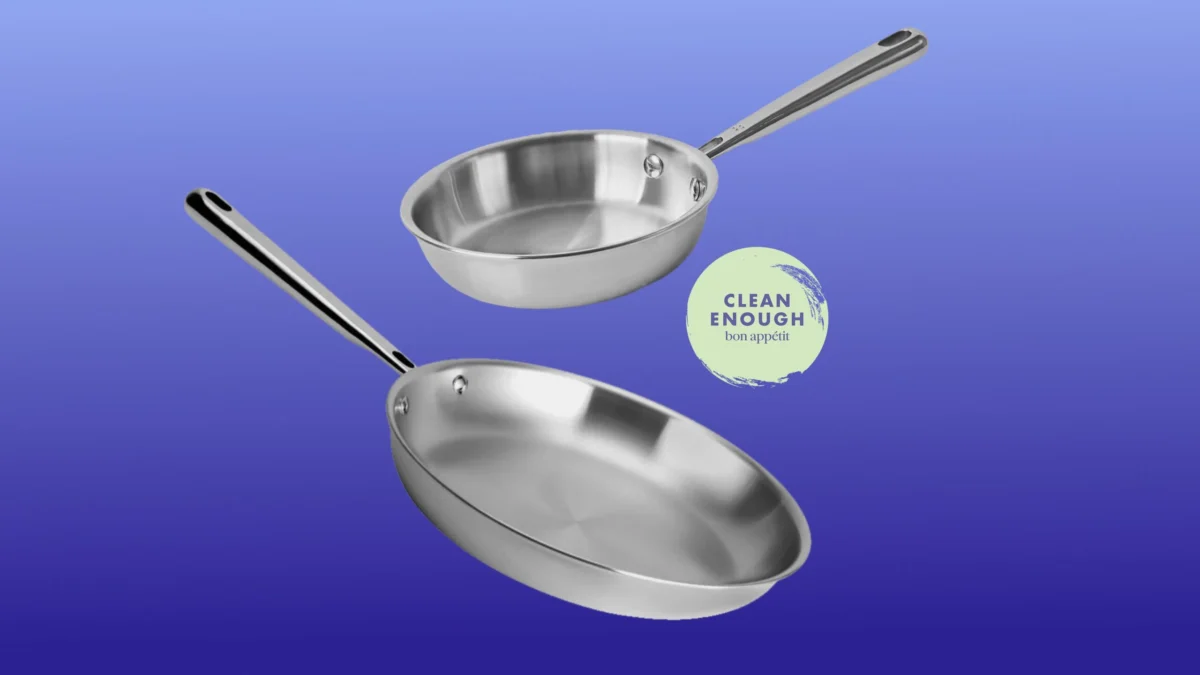
For years, consumers have been promised the convenience of dishwasher-safe cookware, a claim that has increasingly come under scrutiny as high-end pots and pans fail to withstand the rigors of automated cleaning, leading to damage, performance degradation, and even physical hazards. This burgeoning issue highlights a significant disconnect between manufacturer claims and practical durability, prompting legal challenges and a reevaluation of industry standards.
The Allure of Convenience: A Modern Kitchen Imperative
In today’s fast-paced world, the dishwasher has become an indispensable appliance, transforming post-meal cleanup from a laborious chore into a seamless process. For busy individuals and families, the ability to simply load pots, pans, and dishes into a machine is a powerful selling point, especially for premium kitchen tools. Cookware manufacturers have long leveraged this desire for convenience, often labeling their products, including expensive multi-ply stainless steel lines, as "dishwasher-safe." This assurance has been a key factor influencing purchasing decisions for many consumers seeking both performance and practicality.
However, the reality for many high-end cookware users, particularly those with demanding lifestyles, has been a frustrating cycle of premature wear and damage. Culinary experts and product reviewers, who rigorously test kitchen gear ranging from enameled Dutch ovens to nonstick pans, frequently note a recurring "con" in their assessments of top-performing cookware: it is not truly dishwasher-safe. Objectively, hand-washing remains the gold standard for preserving the longevity and pristine condition of most high-quality pots and pans, irrespective of material. This recommendation, often buried in fine print or user manuals, stands in stark contrast to the prominent "dishwasher-safe" marketing.
The All-Clad Controversy: When Convenience Becomes a Hazard
A particularly illuminating case in point involves All-Clad, a brand synonymous with professional-grade stainless steel cookware. For years, their popular stainless steel lines were marketed as dishwasher-safe, instilling confidence in consumers who invested significantly in their products. However, anecdotal reports of premature degradation began to surface, escalating into a more serious concern for many users.
One such user, a former Bon Appétit kitchen gear tester and single mother of two, recounted her personal experience with All-Clad pans. Despite their "dishwasher-safe" designation, after years of daily use in the dishwasher, the pans began to exhibit a dangerous flaw: razor-sharp edges forming along the rim. This unexpected deterioration was not merely cosmetic; it posed a direct physical hazard, causing cuts when handling the pans from the dishwasher rack.
The root cause of this alarming issue lies in the sophisticated construction of high-end stainless steel cookware. While the exterior layers are indeed stainless steel—an alloy of iron, chromium, and carbon—steel itself is not an optimal heat conductor. To achieve superior heat distribution and efficiency, these pans feature a core of more conductive metals, typically aluminum, but sometimes copper or graphite, sandwiched between layers of stainless steel. In many designs, including All-Clad’s D3 line, this heat-conductive core is left exposed along the rim of the pan.
The harsh chemical composition of modern dishwasher detergents, combined with the high-temperature wash cycles, can aggressively erode these exposed aluminum cores over time. While the degradation is gradual and may not immediately impact cooking performance, the slow wearing away of the core material eventually leaves the thin, sharp edges of the stainless steel layers exposed and vulnerable, transforming a once-reliable cooking tool into a potential safety risk.
This widespread issue culminated in a significant legal challenge. In 2022, a class-action lawsuit was filed against All-Clad, specifically addressing the brand’s "dishwasher-safe" claims and the subsequent erosion of their cookware’s aluminum cores. The lawsuit underscored the widespread consumer dissatisfaction and the tangible safety concerns arising from the discrepancy between product marketing and real-world durability. In the wake of this legal action and mounting consumer complaints, All-Clad has reportedly ceased billing its stainless steel lines as dishwasher-safe, a tacit acknowledgment of the inherent limitations of their previous designs in a dishwasher environment. This shift in marketing reflects a broader industry trend towards greater transparency regarding cookware care.
The Science of Degradation: Why Stainless Steel Isn’t Always Dishwasher-Friendly
Understanding why even "stainless" steel cookware struggles in the dishwasher requires delving into material science. Stainless steel, despite its name, is not impervious to all forms of chemical attack or physical wear. While it boasts superior durability compared to materials like cast iron, carbon steel, or nonstick coatings, its complex composition and construction dictate its vulnerability.
The primary issues encountered in dishwashers include:

- Dulling and Discoloration: The high heat, abrasive detergents, and mineral content in water can cause a dull film to form on stainless steel, often referred to as "etching" or "pitting." This is largely a cosmetic issue, affecting the pan’s aesthetic appeal but generally not its cooking performance.
- Galvanic Corrosion: When dissimilar metals are in contact in an electrolyte solution (like dishwasher detergent and water), an electrochemical reaction can occur. In multi-ply cookware, if the exposed aluminum core comes into contact with the stainless steel and the dishwasher environment, galvanic corrosion can accelerate the degradation of the aluminum.
- Chemical Erosion of Core Materials: Aluminum, a common core material, is amphoteric, meaning it reacts with both acids and strong bases. Many dishwasher detergents are highly alkaline (basic) to effectively break down grease and food residues. This alkalinity, combined with high temperatures, can aggressively corrode exposed aluminum, dissolving it slowly over time. This process is particularly problematic at the rim, where the core is often unprotected by the stainless steel cladding. Copper cores can also suffer from oxidation and discoloration under similar conditions.
The integrity of multi-ply cookware relies on the robust encapsulation of the heat-conductive core. When this encapsulation is breached or incomplete, the internal structure becomes susceptible to the harsh conditions within a dishwasher, leading to the kind of material degradation that ultimately creates sharp edges or compromises the pan’s structural integrity.
Misen’s Engineered Solution: Reimagining Dishwasher-Safe Cookware
In response to these pervasive issues and the undeniable consumer demand for truly convenient kitchen tools, some manufacturers have innovated their designs. Misen, a brand known for its direct-to-consumer approach and focus on functional design, offers a compelling solution with its stainless steel cookware, particularly its sauciers.
The key differentiator in Misen’s design lies in its fully encapsulated aluminum core. Unlike many traditional multi-ply pans where the core material is visible and exposed at the rim, Misen’s stainless steel layers completely enclose the aluminum core. This meticulous engineering prevents direct contact between the harsh dishwasher detergents and the vulnerable core material. By sealing off the aluminum, Misen effectively eliminates the risk of chemical erosion and galvanic corrosion that plagues other brands.
Furthermore, Misen states that the stainless steel used in their cookware is robust enough to withstand daily dishwasher cycles without suffering from significant dulling, discoloration, or warping. This claim is supported by extensive use by consumers who prioritize convenience. For instance, the aforementioned Bon Appétit tester reported using her 2- and 3-quart Misen sauciers almost daily, subjecting them to thousands of dishwasher cycles without any signs of the dangerous erosion seen in her previous cookware. The pans retained their structural integrity and performance, demonstrating that truly dishwasher-safe high-end cookware is achievable through thoughtful design.
While Misen’s pans have sometimes earned runner-up status in rigorous culinary tests—occasionally due to ergonomic preferences like handle length—their unparalleled durability and safety in a dishwasher environment position them as a leading choice for consumers who require the convenience of machine washing without compromising on quality or safety.
Industry Responses and Evolving Standards
The All-Clad lawsuit and similar consumer experiences have catalyzed a shift within the cookware industry. Manufacturers are now faced with the dual challenge of meeting consumer expectations for convenience while upholding product quality and safety standards.
- Revised Labeling: The trend is moving towards more accurate and cautious labeling. Brands that once confidently proclaimed "dishwasher-safe" are now often specifying "hand-wash recommended" or providing nuanced care instructions that acknowledge the limitations of dishwasher cleaning for optimal longevity.
- Design Innovation: The Misen example illustrates a pathway for design innovation. Other manufacturers may follow suit, exploring fully encapsulated core designs or using alternative, more dishwasher-resistant core materials, though these may come with increased manufacturing costs or different performance characteristics.
- Consumer Education: There’s an increased emphasis on educating consumers about proper cookware care. Retailers and brands are providing more detailed guidance on how to maintain different types of materials, explaining the benefits of hand-washing for specific cookware types, and demystifying the "dishwasher-safe" label.
- Third-Party Certifications: In the future, we might see a demand for more stringent third-party certifications for "dishwasher-safe" claims, similar to how other consumer products are tested for durability and safety under specific conditions. This could help restore consumer trust and set clearer industry benchmarks.
Broader Implications for Consumers and the Cookware Industry
The controversy surrounding dishwasher-safe cookware has several significant implications:
- Consumer Trust: The erosion of trust is a major concern. When high-value products fail to live up to their advertised claims, consumers become wary, impacting brand loyalty and purchasing decisions across the industry.
- Product Longevity and Sustainability: The premature degradation of expensive cookware leads to more frequent replacements, which is not only costly for consumers but also contributes to increased waste. Promoting durable, long-lasting products, whether through hand-washing or genuinely dishwasher-safe designs, aligns with broader sustainability goals.
- Manufacturing Responsibility: The lawsuits highlight the responsibility of manufacturers to accurately represent their products’ capabilities and to design for real-world use cases. This could spur greater investment in R&D for more resilient materials and construction methods.
- The Price of Convenience: Consumers are often willing to pay a premium for convenience. The challenge for the industry is to ensure that this premium translates into genuine, long-term convenience rather than hidden costs in terms of damaged goods or safety risks.
Navigating Cookware Care: Expert Recommendations
For consumers, making informed choices about cookware care is paramount. While the allure of the dishwasher is strong, understanding the nuances of different materials is crucial for maximizing the lifespan of kitchen investments.
- Cast Iron and Carbon Steel: Always hand-wash and dry immediately. Seasoning is easily stripped by detergents, leading to rust.
- Nonstick Cookware: While many are labeled dishwasher-safe, hand-washing with mild soap is generally recommended to preserve the nonstick coating, which can degrade faster in a dishwasher.
- Enameled Cast Iron: Often dishwasher-safe, but hand-washing is still gentler and helps maintain the enamel’s luster and prevent chipping from jostling in the machine.
- Copper Cookware: Hand-wash only. Dishwashers can cause discoloration and damage to the copper finish.
- High-End Stainless Steel (Traditional Multi-Ply): Unless explicitly designed with a fully encapsulated core like Misen’s, hand-washing is strongly advised to prevent core erosion and maintain appearance. Use warm, soapy water and a non-abrasive sponge. For stubborn food, soaking or using a stainless steel cleaner can be effective.
- Dishwasher Best Practices (for truly safe items): If a pan is genuinely dishwasher-safe, use a gentle cycle, avoid abrasive detergents, and ensure items are not overcrowded to prevent scratching or chipping.
The journey towards truly convenient and durable cookware continues to evolve. While the promise of "dishwasher-safe" has been a significant marketing tool, the realities of material science and consumer experience are pushing the industry towards more honest labeling and innovative engineering. For the modern home cook, understanding these dynamics is key to making choices that balance performance, longevity, and the ever-present desire for an easier cleanup.
