

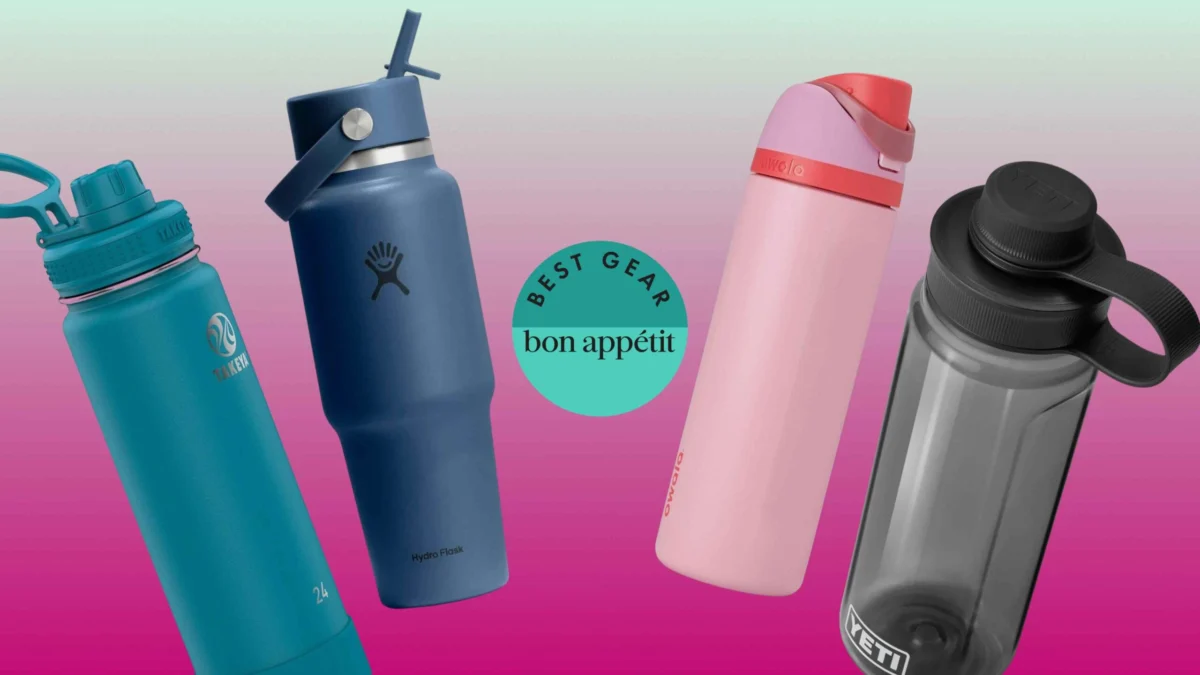
Maintaining optimal hydration is a fundamental physiological requirement for human health, a fact increasingly recognized by consumers and supported by a burgeoning market for innovative hydration solutions. While the simple act of drinking water is essential for sustaining the body’s ideal 60 percent water-to-other-stuff ratio, the tools individuals use to achieve this goal have evolved dramatically, transforming from basic containers into sophisticated accessories integral to modern lifestyles. A comprehensive evaluation of 20 distinct water bottles, rigorously tested over several weeks in diverse real-world scenarios, has yielded crucial insights into which designs genuinely facilitate consistent hydration, distinguishing truly effective products from fleeting market trends.
The Evolving Landscape of Personal Hydration

The journey of the personal water bottle mirrors shifts in consumer awareness regarding health, sustainability, and personal expression. For decades, the utilitarian Nalgene, celebrated for its rugged durability and straightforward design, served as the default choice for outdoor enthusiasts and students alike. These early iterations, often adorned with a tapestry of faded stickers, represented a practical approach to carrying water without significant emphasis on aesthetics or advanced features.
The late 2000s and 2010s ushered in a new era, marked by the rise of insulated stainless steel bottles. Brands like Hydro Flask and Yeti capitalized on a growing demand for beverages that stayed cold for extended periods, appealing to commuters, fitness enthusiasts, and those seeking a more premium hydration experience. These "stainless-steel behemoths" introduced vacuum insulation technology, promising 12 to 24 hours of cold retention, a significant upgrade from their plastic predecessors. This period also saw the emergence of sleek glass tumblers, favored for their aesthetic appeal and perceived purity, though often at the expense of durability and portability.
The current market is characterized by rapid innovation and a strong influence from digital trends, particularly social media platforms like TikTok. This environment has fostered a dynamic where new designs and "it" bottles can quickly gain widespread popularity, blurring the lines between functional utility and lifestyle accessory. Consumers are now seeking bottles that not only perform exceptionally but also align with their personal style and daily routines, prompting manufacturers to integrate thoughtful design elements, diverse color palettes, and user-centric features.

Methodology: Rigorous Testing for Real-World Performance
To provide an objective assessment, the evaluation process simulated everyday usage patterns. Over several weeks, each of the 20 water bottles underwent testing across various environments, including daily commutes, gym workouts, car journeys, and outdoor excursions. Key performance indicators included:
- Portability and Comfort: How easy was the bottle to carry when full? Did handles or loops provide adequate comfort?
- Drinkability: Was the drinking mechanism (straw, spout, screw-top) intuitive and efficient? Did it allow for comfortable sips or gulps without spillage?
- Leak-Proofing: Did the bottle maintain its seal when tossed into a bag or subjected to movement?
- Insulation Performance: For insulated models, how long did the water remain cold?
- Ease of Cleaning: Were all components accessible for thorough cleaning, preventing mold or residue buildup?
- Compatibility: Did the bottle fit into standard car cup holders, a common pain point for many users?
Attention was also paid to minor but impactful details, such as the responsiveness of lid opening mechanisms, the reliability of straw engagement, and any "clever" design features that enhanced the user experience. This holistic approach aimed to identify bottles that excelled not just in isolated technical specifications, but in their overall integration into daily life.

Top Recommendations: Blending Innovation and Practicality
After extensive testing, four water bottles emerged as leaders, demonstrating a superior combination of design, functionality, and user satisfaction across different categories.
1. Best Overall Hydration Companion: Owala FreeSip 24-ounce Water Bottle

The Owala FreeSip has solidified its position as a market leader, proving its widespread acclaim is well-founded. Its ascent to prominence, significantly amplified by its viral success on platforms like TikTok in late 2023, is attributed to a combination of innovative design and robust performance. Industry analysts point to Owala’s ability to blend vibrant aesthetics with practical utility, creating a product that resonates with a broad demographic.
- Key Features: The defining characteristic of the FreeSip is its patented dual-action lid. This innovative design allows users the flexibility to either sip through an integrated straw for hands-free hydration or tilt the bottle back for a traditional wide-mouth swig. This seemingly minor feature has been lauded by consumers as a significant enhancement to the drinking experience, catering to various preferences and situations.
- Material and Insulation: Constructed from insulated stainless steel, the FreeSip excels in temperature retention, keeping water cold for up to 24 hours. This performance is critical for maintaining refreshing hydration throughout the day, regardless of external temperatures.
- Design and Usability: Beyond its dual-action lid, the FreeSip features a secure locking button to prevent accidental spills, a wide mouth for easy ice addition and thorough cleaning, and a comfortable carry loop for effortless portability. Its availability in a vast array of core and seasonal "candy-colored" combinations further enhances its appeal as a lifestyle accessory.
- Considerations: While the bottle’s body is technically hand-wash only, testing indicated that it generally withstands dishwasher cycles without compromise. However, the multi-component lid requires more meticulous cleaning than simpler screw-top designs to ensure hygiene. The high demand for limited-edition color drops also means acquiring specific aesthetic preferences can be challenging.
2. Best for Traditional Spout Preference: Takeya 24-ounce Actives Bottle with Spout Lid
For individuals who prefer a classic spout-style drinking experience over a straw, the Takeya Actives Bottle offers an exceptionally well-engineered solution. This bottle caters to a segment of the market that values direct, unimpeded water flow and robust simplicity.

- Key Features: The Takeya Actives bottle boasts a generously wide spout that facilitates a satisfying gulp without requiring an excessive tilt. Its hinged lid snaps securely shut, ensuring complete leak-proof performance, a critical feature for active users. Thoughtful design details include a built-in ice blocker to prevent ice cubes from obstructing the flow, a comfortable carry loop, and a removable silicone bumper that provides protection against everyday bumps and drops.
- Material and Insulation: Utilizing double-walled stainless steel, the Takeya Actives bottle matches industry standards by keeping beverages cold for up to 24 hours. The 24-ounce size is designed to fit most standard car cup holders, enhancing its practicality for daily commuting.
- Value Proposition: Priced competitively at $26 and backed by a lifetime warranty, the Takeya Actives bottle represents excellent value for a high-quality, durable, and functional hydration solution.
- Considerations: The primary drawback for some users might be the spout lid’s twist-open mechanism, which, while secure, is slightly less convenient for on-the-go sipping compared to a flip-up straw.
3. Best Lightweight and Body-Safe Plastic Option: Yeti Yonder with Tether Cap
Recognizing the need for lighter alternatives, particularly for travel and outdoor activities where weight is a critical factor, the Yeti Yonder with Tether Cap stands out as the premier plastic water bottle. It addresses the common trade-off between insulation and portability.
- Key Features: The Yeti Yonder distinguishes itself by being noticeably lighter than its double-walled insulated counterparts, thanks to its durable, BPA-free plastic construction. This material choice allows it to withstand the rigors of being tossed into backpacks or clipped to external gear without significant concern for damage. A key convenience feature is the tether cap, which keeps the lid permanently attached to the bottle, preventing loss. The narrow-mouth opening facilitates comfortable sipping, and the bottle’s compatibility with other Yeti lid options, including a straw, offers customization.
- Design and Practicality: A significant advantage of the Yeti Yonder is its slim profile, allowing the 25-ounce size to fit into most car cup holders – a feature often absent in larger capacity plastic bottles. This enhances its utility for everyday use beyond just outdoor adventures.
- Considerations: As a non-insulated bottle, the Yeti Yonder does not retain cold temperatures for extended periods, a deliberate trade-off for its lighter weight. Its plastic body is also more prone to showing scratches and scuffs over time compared to stainless steel. Furthermore, its price point, at $30, is higher than many other BPA-free plastic bottles on the market, though justified by Yeti’s reputation for quality and durability.
4. Best High-Capacity, Cup-Holder Friendly Bottle: Owala FreeSip Sway 40-ounce

For consumers who prioritize maximum hydration capacity without sacrificing car-friendliness, the Owala FreeSip Sway 40-ounce bottle is an exceptional choice. It adapts the beloved features of the standard FreeSip into a larger format.
- Key Features: Essentially an oversized version of the Owala FreeSip, the Sway boasts a 40-ounce capacity, significantly reducing the frequency of refills throughout the day. Its design incorporates a robust bucket handle, which, despite the bottle’s substantial size when full, provides surprisingly comfortable transport. Crucially, the Sway maintains a slim enough base to fit into standard car cup holders, solving a common problem associated with many high-capacity tumblers and bottles.
- Functionality: It inherits the dual-action FreeSip lid, offering the same versatile sipping options as its smaller sibling. The insulated stainless steel construction ensures cold retention, consistent with Owala’s reputation.
- Considerations: The primary drawback of the Sway is its sheer size. While beneficial for capacity, its bulk means it occupies more space in bags and refrigerators. Like the 24-ounce FreeSip, it is recommended for hand-washing, adding a slight maintenance burden for a daily-use item.
Beyond the Top Picks: Other Notable Contenders and Their Nuances
The testing process also revealed several other bottles that, while not reaching the pinnacle of the top four, offer compelling features or cater to specific user preferences.

- Yeti Rambler 26-ounce ($40): A highly durable, insulated stainless steel bottle lauded for its robust construction and exceptional cold retention. The Chug Cap offers a convenient drinking experience, though its wide mouth can be cumbersome for some. The cap can be notably stiff to unscrew, and the overall weight is higher than newer, lighter models.
- Stanley Quencher ProTour Flip Straw Tumbler 40-ounce ($45-$60): A cultural phenomenon, the Stanley Quencher is praised for its large capacity, integrated flip straw, and cup-holder compatibility. Its "statement bottle" status is undeniable. However, its significant empty weight (nearly 1.5 pounds) and broad, curvy shape make it less portable for some, and its premium price point is a notable investment.
- Stanley Flowstate 20-ounce Spring Bottle ($30): This sleek and ergonomic insulated bottle offers a more streamlined profile for everyday use. Its attractive design and comfortable carry are highlights. The button mechanism for the straw, however, was noted as being somewhat stiff, requiring more force than ideal.
- Stanley Vitalize Tempo Bottle 24-ounce ($40): Marketed as a gym bottle, its ergonomic shape and one-handed operation are beneficial for active use. The silicone bumper adds protection, though it can hinder cup holder fit. Similar to the Flowstate, the straw button was found to be a bit stiff for the price.
- Rtic Journey Bottle 20-ounce ($20): A budget-friendly option that delivers many features of more expensive bottles, including sturdy construction and insulation. Its simple design is suitable for daily use. The metal finger loop, however, can become uncomfortable when the bottle is full.
- Hydro Flask 32-ounce Travel Bottle with Flex Straw Cap ($45): Striking a balance between capacity and portability, this insulated Hydro Flask is praised for its reliable cold retention and flexible straw cap. Its empty weight is considerable, and the multi-component straw lid demands more cleaning effort.
- Hydro Flask Arc 24-ounce Wide Mouth Water Bottle with Flex Straw Cap ($45): A minimalist yet polished insulated bottle with metallic accents. The Flex Straw Cap is convenient, but inconsistent straw engagement (requiring verification of full lock) was a notable flaw.
- Hydro Flask 40-ounce Travel Tumbler ($41): A robust, high-capacity tumbler with good durability and a handle. It shares the general appeal of the Stanley Quencher but at a slightly lower price point. A significant design issue is the permanently fixed straw, which lacks a protective cover and raises hygienic concerns. It is also notably heavy when empty.
- S’well Stainless Steel Water Bottle 17-ounce ($35): Known for its exceptional durability and classic, leak-proof design, a S’well bottle can last for years. Its traditional screw-top design, however, lacks the hands-free sipping mechanisms found in many modern bottles.
- Nalgene 32-ounce Narrow Mouth Water Bottle ($16-$17): The quintessential indestructible plastic bottle, ideal for rugged use and hot water applications. The narrow mouth is preferred for ease of drinking. Its main drawback, shared with some other models, is its inability to fit into standard car cup holders.
- Takeya Motivational Water Bottle with Straw Lid 32-ounce ($21): A practical plastic bottle featuring hydration markings to encourage consistent water intake. The straw lid offers convenient sipping. Its broad base means it does not fit into most car cup holders.
Bottles That Did Not Meet Expectations
The testing also identified products that, despite their market presence or design claims, did not perform adequately or offer sufficient value.
- Okapa Water Bottle ($350): Despite its exorbitant price tag, this borosilicate glass bottle with an aluminum shell offered no discernible functional advantage over significantly cheaper, high-performing alternatives like Stanley or Hydro Flask. Its "luxe" appeal did not translate into superior hydration utility.
- S’well Glass Bottle with Collapsible Straw: While aesthetically pleasing with its silicone body and varied hues, the "collapsible bottom" straw design was found to be overly complicated and less functional than a traditional straw or no straw at all. Its practicality was undermined by this design choice.
- CamelBak Eddy+ Water Bottle: This bottle’s bite straw, while offering a unique mouthfeel, proved difficult to clean thoroughly, posing a potential hygiene risk for mold growth if not meticulously maintained.
- Bink Water Bottle: Positioned as a stylish glass bottle, the Bink offered little beyond its aesthetic. Lacking a spout or straw, it featured a basic screw-on lid. Most critically, it failed a key durability test by cracking after a single dishwasher cycle, indicating a significant manufacturing flaw for a daily-use item.
- Memobottle: While unique for its slim, flat design aimed at maximizing space efficiency, the Memobottle’s innovative shape was deemed more of a gimmick than a practical advantage. Regular, more affordable water bottles perform just as well without the specialized form factor.
Critical Considerations for Consumer Choice

Choosing the ideal water bottle involves weighing several factors, each contributing to a personalized hydration strategy.
- Capacity: The "correct" size is highly individual. Smaller bottles (20-32 ounces) offer greater portability and cup-holder compatibility, while larger options (40+ ounces) reduce refill frequency, albeit with increased bulk. Health organizations often recommend varying daily water intake based on activity levels, climate, and individual needs, making adjustable capacity or multiple bottles a practical solution.
- Material and Insulation: Double-wall insulated stainless steel bottles are paramount for maintaining cold temperatures over extended periods but are heavier. Plastic bottles, particularly BPA-free options, offer a lighter alternative crucial for travel, hiking, or situations where weight reduction is prioritized. The environmental implications of material choice also play a role, with reusable options significantly reducing single-use plastic waste.
- Lid Type and Drinkability: This feature significantly impacts convenience. Straw lids facilitate hands-free sipping, ideal for driving or exercising. Spout or chug-style lids allow for larger gulps. Screw tops are simple and reliable but require two hands. The trade-off for straw lids is often increased cleaning complexity due to multiple components.
- Design and Features: Beyond basic functionality, supplementary features can enhance the user experience. A comfortable handle, leak-proof construction, and an easy-to-open lid are foundational. Additional elements like measurement markings, a folding handle, or a cup-holder-friendly base can significantly improve a bottle’s enjoyability and utility, transforming it from a simple container into a valued daily companion.
Broader Implications and Industry Trends
The insights gleaned from this comprehensive evaluation highlight several broader implications for consumers, manufacturers, and the environment. The market for reusable water bottles is not merely about hydration; it’s a reflection of evolving consumer values that prioritize health, sustainability, and personal branding.

From a health perspective, the accessibility of a preferred water bottle can directly correlate with increased water intake, supporting various physiological functions from metabolism to cognitive performance. Public health campaigns consistently advocate for consistent hydration as a cornerstone of wellness.
Environmentally, the sustained demand for reusable bottles signals a positive shift away from single-use plastics. According to reports from the Environmental Protection Agency (EPA) and various environmental advocacy groups, plastic bottle waste remains a significant concern, contributing to landfill accumulation and ocean pollution. The adoption of durable, long-lasting reusable options, even those requiring more energy in their initial production, ultimately reduces the overall environmental footprint when used consistently over time. Manufacturers are increasingly responding to this by incorporating recycled materials and designing for longevity and repairability.
For the industry, the findings underscore the importance of thoughtful design that integrates both aesthetic appeal and practical functionality. The success of bottles like the Owala FreeSip demonstrates that consumers are willing to invest in products that offer genuine innovation and solve common pain points, such as the dual-action lid or cup-holder compatibility for large capacities. This pushes manufacturers to move beyond basic insulation and consider the entire user journey, from filling and carrying to cleaning and long-term durability. The rapid pace of social media-driven trends also presents both opportunities and challenges, requiring brands to be agile and responsive to shifting consumer preferences while maintaining core product integrity.
.jpg)
In conclusion, the quest for the "best" water bottle is deeply personal, yet guided by universal principles of effective hydration and user-centric design. This rigorous testing and analysis provide a data-backed roadmap for consumers navigating a crowded market, empowering them to make informed choices that support their health, lifestyle, and environmental values. The era of the simple water bottle is long past; today’s market demands intelligent, durable, and aesthetically pleasing hydration solutions.
